How Long Does It Take to Replace a Car Engine?
Struggling to figure out how long it takes to replace a car engine? You’re not alone. Many people face uncertainty when their vehicle needs a major repair like this. Understanding the timeline can help ease the stress and plan accordingly.
Replacing a car engine usually takes you around 8 to 15 hours, depending on your vehicle type, engine condition, and mechanic’s experience. Smaller cars with simpler engines tend to be quicker, while trucks, luxury, or hybrid models take longer.
Using new, rebuilt, or used engines also affects the timeline, as does any hidden damage or part availability.
If you want to understand the full process and factors influencing the repair time, there’s more useful info ahead.
Key Takeaways
- Engine replacement typically takes between 8 to 15 hours, depending on vehicle complexity and mechanic experience.
- Experienced mechanics can complete the job in 5 to 8 hours, while novices may need up to 15 hours.
- Compact cars generally require less time than trucks, SUVs, or luxury vehicles with complex engine layouts.
- New, rebuilt, or used engines impact installation time due to setup needs and potential adjustments.
- Parts availability, hidden damage, and additional repairs can cause delays and increase overall replacement time.
Typical Time to Replace a Car Engine: What to Expect
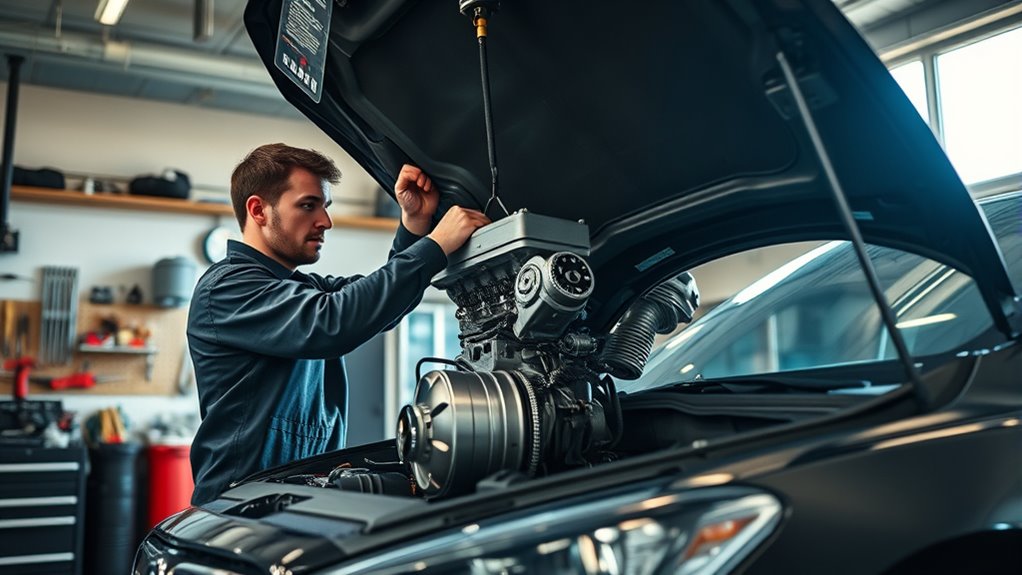
Although the exact time to replace a car engine varies, you can generally expect the process to take anywhere from 8 to 15 hours. When you bring your vehicle in, mechanics won’t just swap out the engine. They’ll also handle related maintenance tasks to make certain everything runs smoothly afterward.
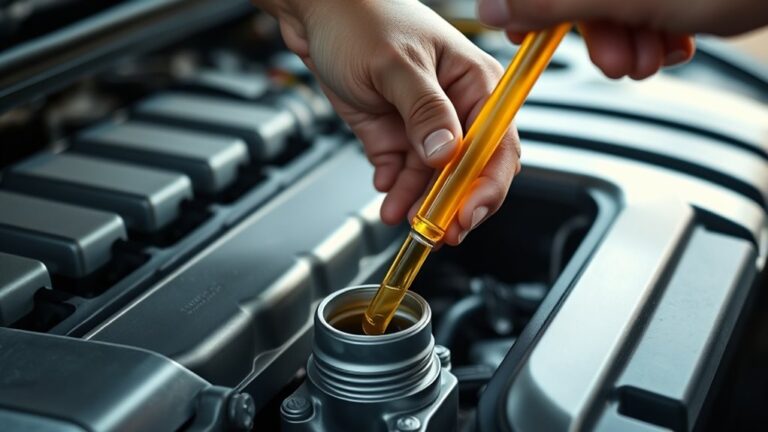
For example, replacing engine oil is essential once the new engine is installed, as fresh oil helps protect and lubricate the components. While engine replacement is the main focus, don’t be surprised if the shop suggests additional services like tire rotation to maintain overall vehicle performance during your visit. This way, you avoid scheduling another appointment soon after.
Keep in mind the time frame depends on factors like the mechanic’s experience and shop efficiency, so plan accordingly. Being prepared for this range helps you arrange transportation and minimize disruption to your daily routine.
How Vehicle Type Affects Engine Replacement Time
Because different vehicles have varying engine designs and layouts, the time it takes to replace an engine can change considerably depending on your car’s make and model. For example, compact cars with simpler engine compartments often allow mechanics to work faster, saving you time and money.
On the other hand, trucks or SUVs with larger, more complex engines usually require extra steps to maintain fuel efficiency and engine performance, which can extend the replacement process.
If your vehicle has advanced features like turbochargers or hybrid components, technicians need to be extra cautious, as these parts affect overall engine performance and fuel efficiency. That means more careful disassembly and reassembly, increasing the time needed.
Understanding how your vehicle type impacts engine replacement helps set realistic expectations and ensures you get the best results without compromising on fuel efficiency or engine performance. So, knowing your car’s design is crucial to anticipating the duration of this major repair.
Which Cars Take Longer to Swap Engines
You’ll find that cars with more complex engines usually take longer to swap out. Model-specific designs can add extra challenges that slow down the process. Plus, if replacement parts aren’t easy to find, expect the job to take even more time. It’s kind of like doing a puzzle where some pieces are tricky to fit. So, the more complicated the engine and the rarer the parts, the longer you’re likely to be working on it.
Engine Complexity Differences
When swapping an engine, the complexity of your car’s design plays a major role in how long the job takes. Some engines require more time for teardown, especially if they’re tightly packed with components or integrated with advanced electronics. This can extend labor hours and affect warranty coverage if not done properly.
You’ll notice differences based on the number of accessories and attachments to remove, the level of electronic systems integration, the accessibility of engine mounts and bolts, and the type of engine layout (e.g., V-shaped vs. inline).
Understanding these factors helps you anticipate how long your engine swap might take and whether specialized expertise is necessary. The simpler the design, the faster and more straightforward the engine teardown will be, protecting your warranty and ensuring a smooth replacement process.
Model-Specific Design Challenges
Although engine swaps share common steps, certain car models present unique design challenges that can considerably extend the process. When you work on cars with unconventional engine mounting systems, you’ll find it takes longer to align and secure the engine properly.
Some models use custom brackets or tight engine bays, demanding more time and precision. Furthermore, complex coolant systems can slow you down. If the coolant lines are hard to reach or require special fittings, you’ll spend extra time disconnecting, draining, and refitting them.
Luxury cars and certain sports models often have intricate layouts that complicate both engine mounting and coolant system connections. So, if you’re swapping engines in these vehicles, expect the job to take longer than usual due to these model-specific design hurdles.
Availability Of Replacement Parts
Since replacement parts can vary widely in availability, the time it takes to swap an engine often depends on how quickly you can source the components you need. Some vehicles are easier to find parts for, while others require more patience because of their design or age. Cars with strict fuel efficiency and emission standards often have specialized parts, which can delay the swap.
Consider these factors when estimating your engine replacement time:
- Rare or discontinued models usually have limited parts availability
- High-performance or luxury cars may need expensive, hard-to-find components
- Vehicles built to meet tough emission standards might require specific replacement parts
- Older cars can have fewer compatible options, increasing sourcing time
Knowing these factors helps you plan better and avoid unexpected delays.
How Engine Damage Changes Replacement Duration
The extent of engine damage directly affects how long a replacement will take, so you should assess the problem thoroughly before starting the job. If the engine oil has leaked or become contaminated, it can cause additional damage to internal components, lengthening the repair time.
Likewise, if the cooling system failed and overheated the engine, you’ll need to check and possibly replace related parts, which adds complexity. Minor issues, like a blown gasket or worn piston rings, usually mean a quicker swap.
But severe damage, such as a cracked block or warped cylinder head, requires more disassembly and inspection, extending the timeline. You’ll also have to drain and refill engine oil and coolant, which takes extra time but is essential to protect the new engine.
Understanding these factors helps you set realistic expectations for how long the replacement will take based on the damage involved.
New vs. Rebuilt vs. Used Engines: Which Takes Longer?
When you’re replacing your car engine, the type you pick—whether it’s new, rebuilt, or used—can really change how long the whole process takes. Each option has its own installation time and prep work, so it’s not just about the engine itself.
Plus, availability plays a big role too. Sometimes, waiting for the right engine can add to the timeline. So, let’s break down how these factors can affect your engine replacement and what you might expect along the way.
Installation Time Differences
How much time does it take to install a new, rebuilt, or used engine? Installation time varies depending on the engine type and condition. New engines often take longer because they require fresh setup, including filling engine oil and ensuring all components are correctly aligned.
Rebuilt engines may speed up the process since many parts are pre-assembled, but you still need careful inspection. Used engines usually install fastest but might need extra adjustments.
Here’s what impacts installation time:
- New engine: thorough checks, fresh engine oil fill
- Rebuilt engine: pre-assembled parts reduce time
- Used engine: quicker install but possible fine-tuning
- Additional tasks: tire rotation and fluid checks
Understanding these differences helps you plan your repair time better.
Engine Preparation Requirements
Although you might think installation is the main time sink, preparing the engine beforehand can take just as long, especially depending on whether it’s new, rebuilt, or used.
A new engine arrives mostly ready but still needs fresh engine oil and new spark plugs installed before you start. A rebuilt engine often requires more thorough checks, cleaning, and sometimes replacing parts like gaskets or seals, adding to prep time.
Used engines typically need the most attention; you’ll have to drain old engine oil, replace spark plugs, and inspect for wear or damage that could cause delays. Each engine type demands different prep work, so knowing what’s involved helps you anticipate how long your engine replacement will really take.
Availability Impact on Timing
Which engine type will slow down your replacement project the most? Your choice between new, rebuilt, or used engines directly affects timing because of availability. New engines often have the longest wait since they’re manufactured fresh and might require ordering.
Rebuilt engines take less time because they’re refurbished, but they depend on parts availability. Used engines are usually the quickest to source, though they may lack a solid engine warranty.
Consider these factors:
- New engines: longer lead times, best warranty, higher environmental impact
- Rebuilt engines: moderate wait, balanced warranty, reduced environmental impact
- Used engines: fastest availability, limited warranty, lowest environmental impact
- Local stock vs. shipping: affects delivery speed for all engine types
Choosing wisely can save you time and reduce environmental impact.
How Mechanic Experience Influences Replacement Speed
When you bring your car to a mechanic with years of experience, they can often replace the engine more quickly and efficiently. Their expertise means less guesswork, faster diagnostics, and smoother handling of complex tasks.
This not only speeds up the replacement but also supports better engine longevity because experienced mechanics guarantee every component is installed correctly. Plus, they’re usually well-versed in dealing with repair insurance claims, helping you navigate paperwork faster.
Here’s how mechanic experience impacts the process:
| Experience Level | Replacement Speed |
|---|---|
| Novice | 12-15 hours |
| Intermediate | 8-12 hours |
| Expert | 5-8 hours |
Choosing a seasoned mechanic means you get your car back sooner and with a more reliable engine replacement, which is vital for your vehicle’s long-term performance and your peace of mind.
Steps Involved in Replacing a Car Engine
Having an experienced mechanic speeds up the process, but understanding the steps involved in replacing a car engine gives you a clearer picture of what goes into the job. Before removing the engine, vehicle diagnostics are essential to confirm the engine’s condition and identify related issues. Proper engine maintenance history also helps in deciding whether to repair or fully replace the engine.
An experienced mechanic helps, but understanding diagnostics and maintenance history is key before replacing an engine.
Here’s a simplified overview of the replacement steps:
Disconnect and remove all electrical connections, fuel lines, and exhaust components.
Drain fluids like oil and coolant to avoid spills and contamination.
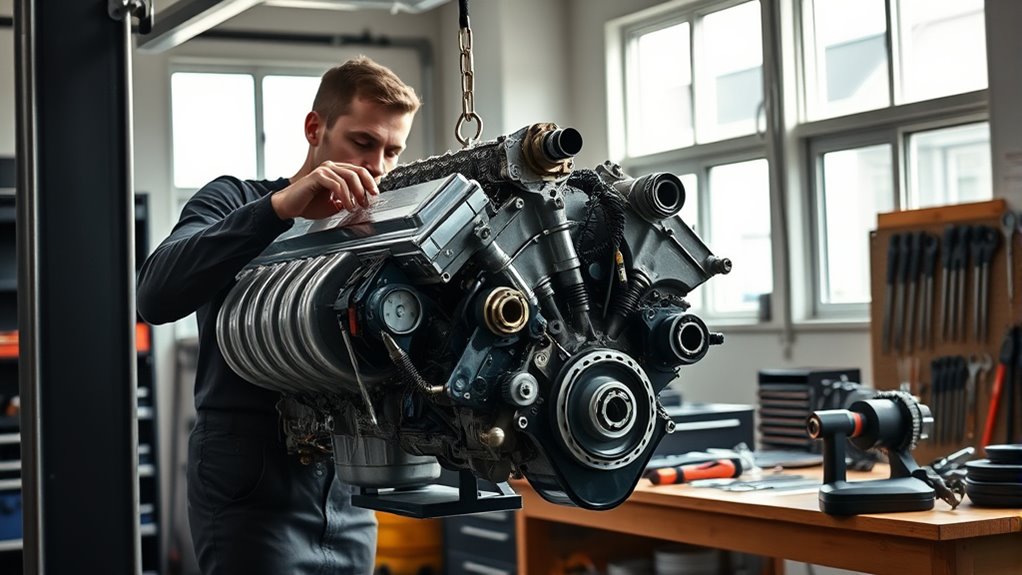
Detach engine mounts and carefully extract the engine from the vehicle.
Install the new or rebuilt engine, reconnect all components, and refill fluids.
Knowing these steps helps you appreciate the complexity and precision required in engine replacement, ensuring your car runs smoothly after the job.
How to Prepare Your Car and Schedule for Replacement
Before you schedule the engine replacement, make sure you prepare your car thoroughly to avoid delays and complications. First, get a complete engine tuning to identify any underlying issues that might affect the new engine’s performance. This helps the mechanic understand your car’s exact needs.
Next, review your insurance coverage carefully. Some policies cover engine replacement or related repairs, which can considerably reduce your out-of-pocket costs. Contact your insurer to confirm what’s covered and what documentation you’ll need.
Also, clear your schedule around the replacement date, as the process can take from several hours to a couple of days. Arrange alternative transportation if necessary.
Finally, communicate openly with your mechanic about the timeline and any special requirements for your vehicle. Proper preparation ensures a smooth replacement process and minimizes unexpected hiccups, helping you get back on the road faster.
Common Delays That Can Extend Engine Replacement Time
Even with careful preparation, you might face unexpected delays during an engine replacement. These setbacks can add hours or even days to the process, which can be frustrating.
Common causes include parts availability. Waiting for specific components, like engine oil seals or gaskets, can slow progress.
Coolant system issues are another factor. Problems with hoses or the radiator might require extra repairs before installation.
Hidden damage can also pop up. Finding corrosion or cracks in the engine bay often means more work is needed.
Technical challenges matter too. Complex engine designs or tight spaces can extend labor time.
Being aware of these potential delays helps you set realistic expectations and communicate better with your mechanic. While some delays are unavoidable, staying proactive means you’re ready to handle them without surprises.
Estimating Costs Alongside Replacement Duration
When you’re estimating the cost of an engine replacement, it’s important to think about both the parts and the labor involved. The amount of time the repair takes can really impact the total cost. So, the longer the job, the higher the bill is likely to be. By keeping these factors in mind, you can plan your budget more accurately and avoid any surprises.
Cost Factors Breakdown
Although replacing a car engine can be time-consuming, understanding the cost factors involved helps you better estimate both the expenses and the duration. Several key elements influence the overall cost, and knowing them lets you plan effectively.
Consider these cost factors:
- Engine durability: A more durable engine might cost more upfront but reduce long-term repair expenses.
- Replacement warranties: Warranties can protect you from unexpected costs and affect your choice of engine.
- Labor costs: The complexity of your car’s make and model impacts how much mechanics charge.
- Parts quality: New, rebuilt, or used engines come at different price points and reliability levels.
Time Versus Expense
Since engine replacement involves both time and money, balancing these factors is essential to making the best decision for your vehicle. You’ll find faster replacements often cost more because shops may prioritize your job or use more expensive parts.
On the other hand, cheaper options might extend the timeline due to part availability or labor hours. Don’t overlook engine testing; it’s vital for ensuring the replacement runs smoothly, though it can add time and cost.
Also, consider warranty coverage; a longer warranty might justify spending more upfront, saving you from future expenses. Ultimately, weigh how quickly you need your car back against the total cost, including testing and warranty benefits, to choose the option that fits your budget and schedule best.
Frequently Asked Questions
Can I Drive My Car While Waiting for the Engine Replacement?
You shouldn’t drive your car while waiting for the engine replacement. Engine safety is essential, and continuing to drive can cause serious damage or lead to roadside emergencies.
Even if it seems fine, internal issues might worsen unexpectedly. It’s best to avoid any risk by keeping your car off the road until professionals complete the replacement. This ensures your safety and prevents costly breakdowns or accidents.
What Tools Should I Have Ready Before Engine Replacement?
You’ll want a complete socket set, wrenches, screwdrivers, and an engine hoist before starting. Make sure your tools are well-maintained to avoid slipping or breaking during the job.
Don’t forget to check engine compatibility. It’s essential to have the right replacement engine for your car model. Having a torque wrench helps you tighten bolts to specs, preventing damage.
With these tools and careful prep, you’ll be set for a smoother engine replacement.
How Does Engine Replacement Affect My Car’s Warranty?
Replacing your engine can impact your car’s warranty coverage, especially if the work isn’t done by an authorized dealer or certified mechanic. You’ll want to check your manufacturer’s repair policies because unauthorized replacements might void parts of your warranty.
However, if you use OEM parts and follow proper procedures, your warranty often remains intact. Always keep detailed records of the replacement to protect your coverage and avoid future disputes.
Are There Environmental Concerns With Disposing of Old Engines?
Yes, you should be concerned because engine recycling helps reduce pollution impact considerably. Around 80% of an old engine’s materials can be reused, preventing tons of metal waste from ending up in landfills.
If you dispose of an engine improperly, harmful fluids and heavy metals can leak and contaminate soil and water. So, make sure to use certified recyclers who handle engines responsibly to protect the environment.
Can I Upgrade My Engine During the Replacement Process?
Yes, you can upgrade your engine during the replacement process, but you’ll need to carefully consider engine compatibility with your vehicle’s make and model. Upgrade options like more powerful engines or improved fuel efficiency are possible.
Some modifications might require additional adjustments to the transmission or electronics. It’s best to consult a mechanic to guarantee the new engine fits properly and performs safely, maximizing your car’s potential without causing issues.
Conclusion
Replacing your car’s engine is like breathing new life into its heart, but the time it takes can vary like the changing seasons. Whether your ride’s a speedy sports car or a sturdy truck, knowing what affects the clock helps you steer clear of surprises.
Stay prepared, expect the unexpected, and remember: every minute spent is a step closer to hitting the road with renewed power and freedom. When it comes to how long does it take to replace a car engine, understanding the process helps you keep patience and plan ahead.