Top 5 Electric Torque Screwdrivers for Precision Work
Choosing the right electric torque screwdriver can be frustrating when precision, comfort, and consistent results all matter. You’re not alone—many people struggle to find a tool that delivers accurate torque without slowing down their workflow.
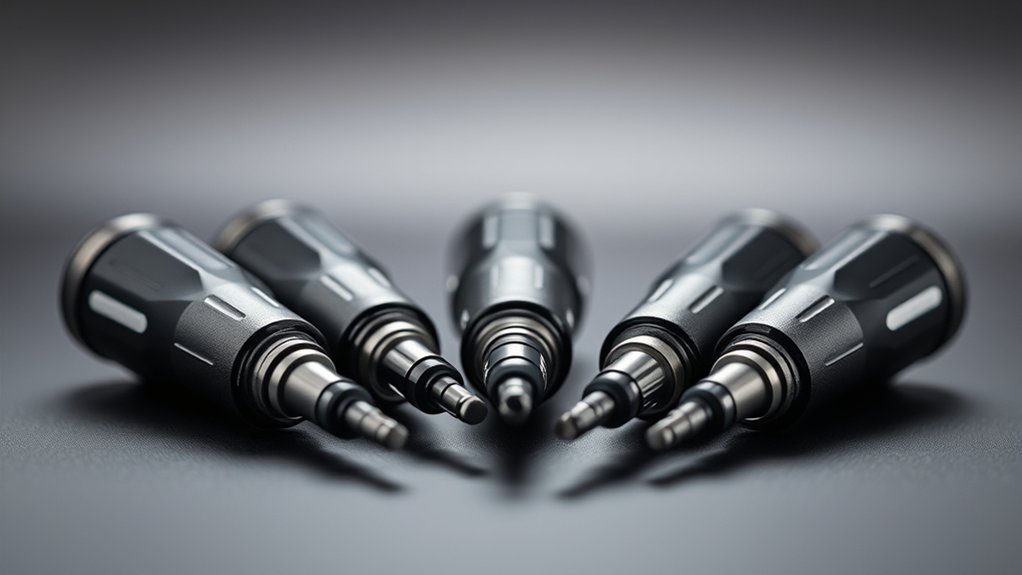
For precision work, you’ll want an electric torque screwdriver that balances accuracy, repeatability, and comfort. DEPRAG stands out as the best overall for versatile assembly, while HIOS suits delicate electronics with fine adjustment and smooth starts.
Mountz handles high-volume production with dependable monitoring and process integration.
For ergonomic work, choose a lightweight, balanced precision driver with accessible controls.
Compare torque range, shutoff consistency, battery life, calibration, noise, and grip comfort to find your best match—and uncover which model fits your workflow.
Key Takeaways
- DEPRAG: Best overall for versatile assembly, offering precise torque control, repeatability, ergonomic handling, and reliable automatic shutoff.
- HIOS: Ideal for electronics, with fine torque adjustment, smooth starts, compact dimensions, and low operating noise.
- Mountz: Best for high-volume production, delivering fast, consistent fastening with monitoring and process-integration capabilities.
- Lightweight precision drivers: Reduce fatigue through balanced designs, comfortable grips, and accessible controls for extended work sessions.
- Selection priorities: Compare torque range, adjustment precision, battery runtime, calibration support, ergonomics, noise, and consistency.
How We Compared Torque, Accuracy, and Features
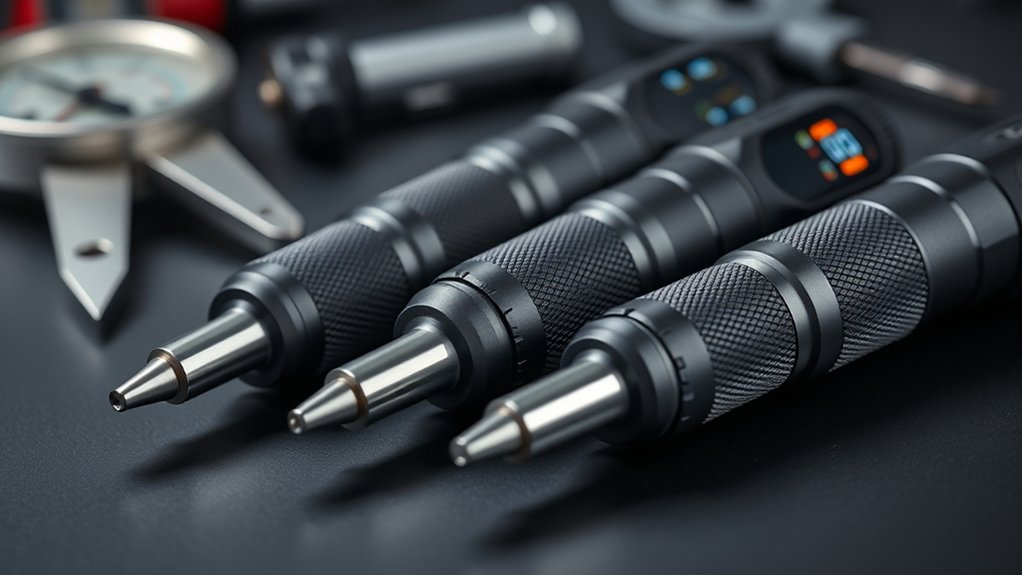
We compared each electric torque screwdriver by looking at its torque range, adjustment precision, and real-world consistency. You’ll see how comfortably each model handles light fastening, repetitive work, and higher-torque applications without overstating its capabilities.
For accuracy, we checked whether the tool delivered repeatable results across multiple settings. We also examined how easily you could change torque values, read the controls, and maintain consistent pressure during use.
Our testing considered calibration methods, including adjustment procedures, verification requirements, and how clearly manufacturers explained accuracy limits.
Features mattered only when they improved control or workflow. We assessed speed settings, direction controls, clutch behavior, displays, ergonomics, and noise, while separating useful functions from marketing extras.
Battery performance also shaped our evaluation. We noted runtime, recharge time, battery indicators, and whether power remained consistent as the charge declined.
This approach helps you compare measurable performance, practical usability, and long-term confidence before choosing a screwdriver for precision work.
Best Overall: DEPRAG for Versatile Assembly
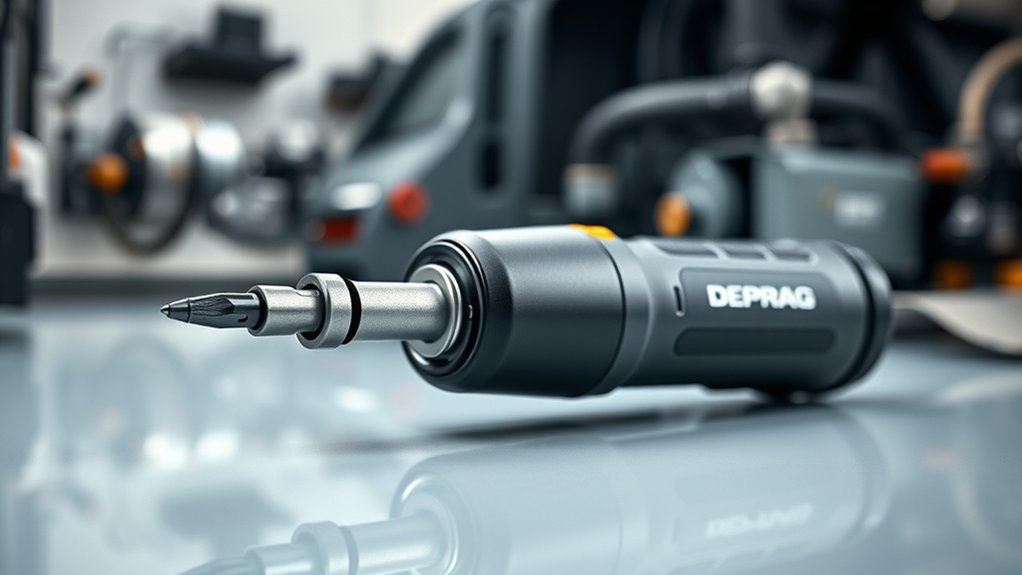
DEPRAG earns the best-overall spot because it balances precise torque control, dependable repeatability, and the flexibility to handle varied assembly tasks. You can adapt its settings to match different fasteners, materials, and production requirements without sacrificing consistent results.
DEPRAG combines precise torque control, reliable repeatability, and adaptable performance for a wide range of professional assembly tasks.
That versatility makes it a practical choice for repair benches, manufacturing lines, and quality-focused workshops.
You’ll also appreciate the tool’s controlled operation. Its ergonomic design helps you maintain a steady grip during repeated fastening, while reliable shutoff performance reduces the risk of over-tightening.
Battery life supports extended work sessions, so you won’t need frequent interruptions when moving between stations. Pay attention to noise levels, too; DEPRAG’s relatively manageable sound can make busy work areas more comfortable and improve communication around your team.
Choose DEPRAG when you need one dependable screwdriver for multiple assembly duties. It delivers the control, durability, and adaptability you want from a professional tool without limiting you to a single specialized application or workflow.
Best for Electronics: HIOS for Delicate Fasteners
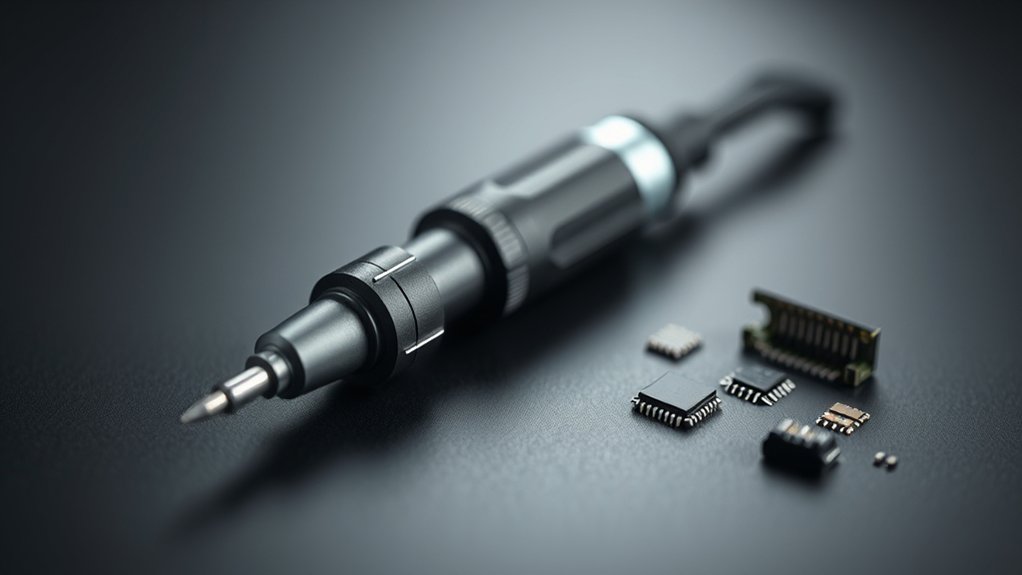
For delicate electronic assemblies, HIOS stands out with precise torque control and a gentle fastening action that helps protect small screws, circuit boards, and sensitive components. You’ll appreciate its smooth start, consistent seating, and compact design when working inside tight housings.
- Delicate control: Fine torque adjustment helps you avoid stripped threads and cracked plastic.
- Operator comfort: Low Noise levels reduce distractions during close inspection and bench assembly.
- Reliable power: Check Battery life before each session, and choose a compatible setup for uninterrupted work.
- Easy handling: The balanced grip and responsive trigger help you position the bit accurately.
HIOS tools suit repair stations, laboratory benches, and small-batch electronics where accuracy matters more than speed. You can pair the driver with suitable bits and torque verification equipment to maintain repeatable results.
Its controlled action gives you confidence around connectors, sensors, and miniature fasteners. For the best outcome, set torque gradually, test on scrap material, and inspect every joint before moving to the next assembly.
Best for High-Volume Work: Mountz for Production
When production volume is high, Mountz helps you maintain fast, repeatable fastening across demanding assembly lines. Its production-focused electric torque screwdrivers support consistent results across long shifts, helping you reduce rework and keep takt times on schedule.
You can set precise torque values, monitor performance, and integrate selected models into controlled assembly processes. That combination makes Mountz a strong choice for teams that prioritize throughput and dependable quality.
Before you commit, compare Battery life with your expected cycle count and shift length. A model that minimizes charging interruptions can keep operators moving and simplify station management.
You should also read user reviews for firsthand feedback about durability, calibration stability, controls, and service responsiveness in real production environments. Mountz tools may cost more than basic drivers, but their repeatability and production-oriented features can justify the investment when every second and fastener matters.
Choose the model that matches your torque range, workflow, and volume. Then standardize settings to protect consistency across your line.
Best for Ergonomics: Choose a Lightweight Precision Driver
A lightweight precision driver helps you work faster and more comfortably, especially during long assembly sessions or repetitive fastening tasks. When you choose the right model, ergonomic design reduces wrist strain, improves control, and helps you maintain consistent torque from the first fastener to the last.
Look for these comfort-focused features:
- Low weight: Weight reduction minimizes fatigue during extended use and makes overhead fastening easier.
- Balanced shape: A centered motor and compact body keep the tool stable in your hand.
- Comfortable grip: Soft, contoured surfaces improve handling without forcing excessive pressure.
- Accessible controls: Convenient trigger and reverse buttons let you adjust settings without changing your grip.
You’ll work more accurately when discomfort doesn’t distract you.
Also, consider battery placement, vibration levels, and handle diameter before buying. A driver that feels comfortable in a short test should remain comfortable throughout your shift.
For delicate assemblies, select a model with adjustable torque and smooth startup. The best ergonomic driver combines dependable precision with effortless handling, helping you protect your hands while improving productivity.
Frequently Asked Questions
How Often Should an Electric Torque Screwdriver Be Calibrated?
You should calibrate an electric torque screwdriver at least once a year, or according to the manufacturer’s recommendations. Increase calibration frequency if you use it heavily, operate it in harsh conditions, or notice inconsistent results.
You should also verify torque accuracy after impacts, repairs, long storage, or significant adjustments. Follow your workplace’s quality standards, and keep calibration records so you can demonstrate reliable performance and traceability during inspections or audits when needed.
What Safety Precautions Should Operators Follow When Using Torque Screwdrivers?
Treat a torque screwdriver like a loaded spring: one careless release can surprise you. Before use, inspect the tool, bit, cord, battery, and calibration status.
Wear safety gear, including eye protection and suitable gloves, and secure the workpiece firmly. Keep fingers clear of rotating parts, select the correct torque setting, and never exceed manufacturer limits.
Choose an ergonomic design to reduce fatigue, maintain a balanced posture, and disconnect power before changing bits or servicing.
Can Electric Torque Screwdrivers Run on Rechargeable Batteries?
Yes, electric torque screwdrivers can run on rechargeable batteries. You’ll typically use lithium-ion packs, which deliver consistent power without restricting your movement.
Battery lifespan depends on capacity, workload, torque settings, and maintenance. Keep spare packs available for continuous operation.
Charging methods include dedicated docks, USB-C connections, or removable-battery chargers, depending on the model. Follow the manufacturer’s charging guidance, avoid extreme temperatures, and replace damaged batteries promptly to maintain safe, reliable performance.
How Should I Clean and Maintain an Electric Torque Screwdriver?
Unplug it, wipe it, inspect it, and store it properly after each use. Apply gentle Cleaning techniques: use a soft, dry cloth, brush away debris, and lightly dampen stubborn grime without letting liquid enter the motor, controls, or battery compartment.
Don’t use solvents or compressed air near seals. Check the bit holder, torque settings, and power cord regularly.
For better Battery lifespan, charge correctly, avoid heat, and remove the battery during long-term storage.
What Accessories and Replacement Parts Are Commonly Available?
You can usually find replacement bits, bit holders, chucks, power cords, batteries, chargers, trigger switches, calibration adapters, and clutch assemblies. Choose compatible bit sizes, such as Phillips, Torx, hex, or slotted profiles, and match the shank style.
Replacement controllers and mounting brackets may also be available. Check your tool’s model number before ordering, and select accessories that support its torque range, voltage, connector, and manufacturer’s calibration requirements for reliable, safe operation.
Conclusion
Choosing the right electric torque screwdriver can transform every assembly. You’ve seen how DEPRAG balances versatility, HIOS protects delicate electronics, and Mountz keeps production moving.
Now picture your final fastener: the bit engages, the motor whispers, and torque stops at precisely the setting you chose. That quiet click can separate flawless work from costly failure.
Whether you prioritize control, speed, or comfort, select the driver that fits your bench. With the right electric torque screwdriver, you can tighten with confidence before the next critical screw awaits.