How to Rev a Car Engine in 3 Simple Steps
If you’ve ever wanted to rev your car engine but felt unsure about how to do it without causing damage, you’re not alone. Many people struggle with finding the right balance between getting that satisfying engine roar and keeping their vehicle safe. Understanding the proper technique can make all the difference and help you enjoy the experience without worry.
Before revving your car engine, park on a flat surface away from traffic, check fluid levels, and guarantee the engine’s warmed up.
Then, gently press the accelerator while your clutch is engaged if you drive manual, applying steady, controlled pressure to avoid sudden bursts.
Finally, avoid holding high RPMs too long to prevent damage.
Following these simple steps will help you rev smoothly and safely. If you want to master proper technique and care, there’s more to find out.
Key Takeaways
- Start the engine and make sure it reaches normal operating temperature before you rev it.
- Gently press the accelerator while the clutch is engaged in manual cars or in neutral for automatics.
- Gradually increase throttle pressure to raise engine RPM smoothly without sudden bursts.
- Slowly release the clutch in manual cars to sync the revs with the drivetrain.
- Avoid holding high RPMs for too long and listen for any unusual sounds to prevent engine damage.
Prepare Your Car and Stay Safe Before Revving

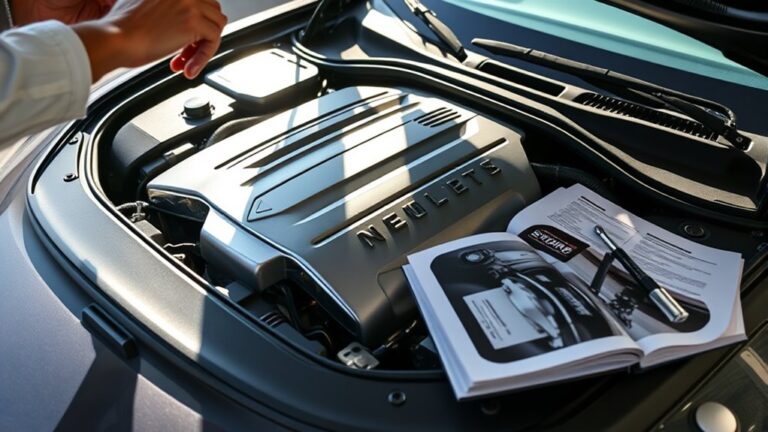
Before you rev your car engine, make sure your vehicle is in a safe and controlled environment. Check that you’re parked on a flat surface away from traffic and pedestrians. This reduces risks and ensures your safety as you prepare.
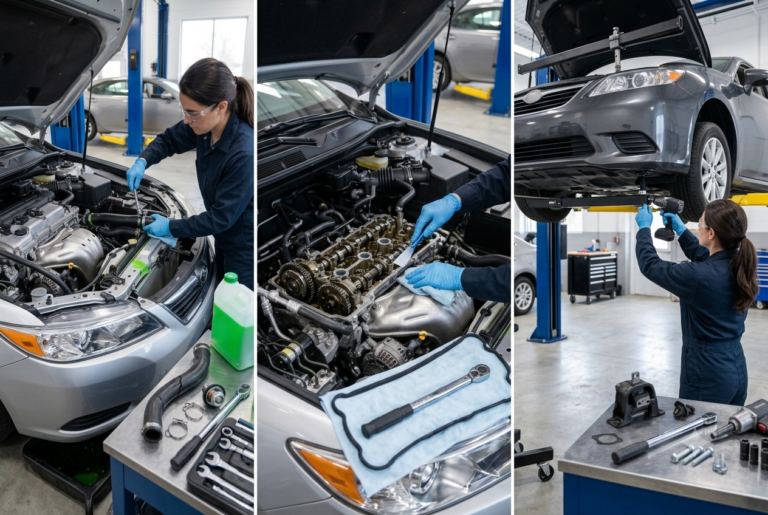
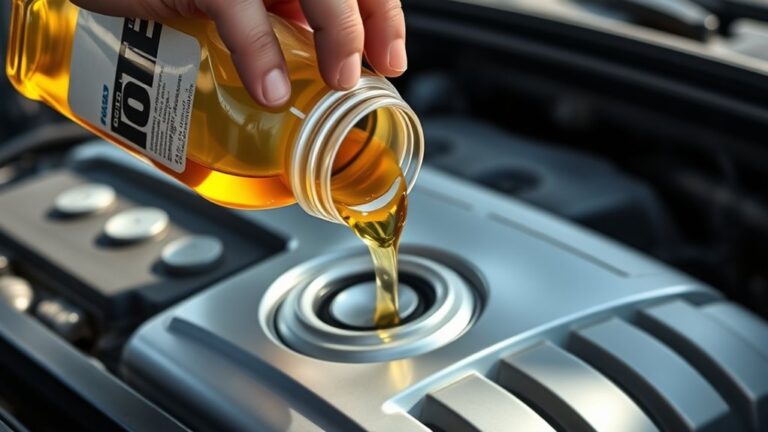
Next, prioritize engine maintenance by inspecting fluid levels like oil and coolant; a well-maintained engine handles revving better and avoids damage. Verify the engine is at normal operating temperature to prevent unnecessary wear.
Don’t skip safety precautions: wear gloves if needed, keep loose clothing and hair away from moving parts, and ensure your parking brake is engaged. Also, be mindful of your surroundings. Revving can startle others or attract unwanted attention.
Taking these simple steps helps protect both you and your car, making the experience smooth and safe. When your car is ready and you’ve followed these precautions, you’ll be set to rev confidently without risking engine harm or personal injury.
How to Rev Your Engine Smoothly, Step by Step
Once your engine is warm and your car is secure, you can start revving by gently pressing the accelerator while keeping the clutch engaged (if driving manual). Listen closely to the engine sound as it rises smoothly. This feedback helps you gauge how much throttle to apply.
Use gradual, controlled pressure on the pedal rather than sudden bursts. This approach lets you master revving techniques without jerking the engine or stalling.
If you’re in a manual car, slowly release the clutch as you increase revs, syncing both actions for a smooth transition. In automatics, steady pressure on the accelerator alone suffices.
Focus on maintaining consistent throttle input to keep the engine sound steady and avoid abrupt changes. Practicing this step-by-step will help you rev your engine smoothly and confidently, enhancing your control and prolonging engine life.
Avoid Engine Damage When Revving Your Car
Although revving your engine can be fun and useful, you need to be careful not to cause damage. Revving too high or too often puts unnecessary stress on your engine and transmission. This can lead to issues like engine overheating and transmission strain.
To keep your car running smoothly, follow these simple precautions:
- Avoid revving your engine while it’s cold; let it warm up first to prevent damage.
- Don’t hold the engine at high RPMs for long periods to reduce overheating risks.
- Shift gears properly and avoid sudden revving in lower gears to prevent transmission strain.
- Listen for unusual noises or vibrations, which can signal damage or stress.
Frequently Asked Questions
Can Revving Improve My Car’s Fuel Efficiency?
No, revving your engine won’t improve your fuel economy. In fact, frequent revving wastes fuel and can wear out your engine sound components faster.
If you’re aiming for better fuel efficiency, focus on smooth acceleration and steady speeds instead. Revving might make your engine sound powerful, but it doesn’t translate to better gas mileage.
Is It Safe to Rev an Engine in Cold Weather?
It’s generally not safe to rev your engine aggressively in cold weather because the engine oil is thicker and hasn’t warmed up yet. You should let your car idle for a few minutes to allow proper engine warming.
Revving too soon can cause unnecessary wear and tear. Instead, drive gently until the engine reaches its ideal temperature to guarantee everything runs smoothly and lasts longer.
How Does Revving Affect Turbocharged Engines?
Revving a turbocharged engine helps reduce turbo lag by spooling the turbo faster, increasing boost pressure more quickly. When you rev, you push exhaust gases through the turbo, making it spin and build boost.
However, you shouldn’t overdo it, as excessive revving can cause wear. Instead, moderate revving helps maintain boost pressure, improving throttle response and performance, especially when accelerating from lower speeds.
Can Revving Help Diagnose Engine Problems?
You listen for engine noise, you watch for irregular RPMs, you feel for vibrations. Revving can help diagnose engine problems. When you rev the engine, unusual sounds or hesitations can signal issues needing attention.
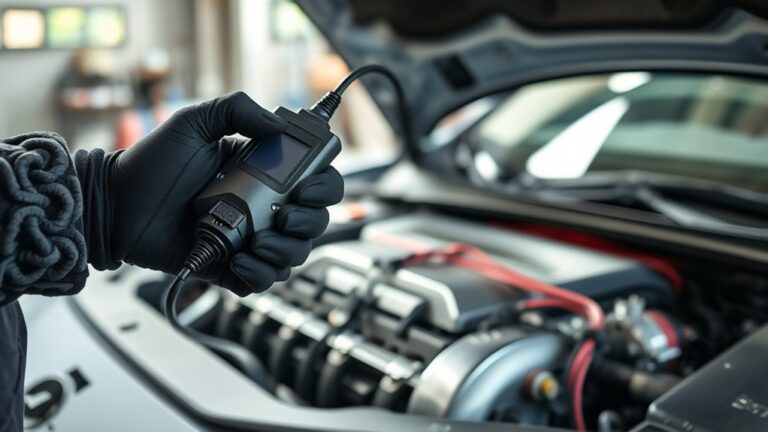
While revving provides clues, it’s best combined with diagnostic tools for accurate results. By revving and using diagnostic tools together, you get a clearer picture of your engine’s health and can pinpoint problems faster.
Does Revving Increase Engine Wear Over Time?
Revving your engine occasionally won’t drastically reduce engine longevity if you keep up with regular maintenance routines. However, constantly revving at high RPMs can increase wear over time, stressing components like pistons and valves.
To protect your engine’s lifespan, you should avoid excessive revving, especially when the engine is cold. Stick to proper maintenance, and your engine will handle occasional revving without major issues.
Conclusion
Now that you know how to rev your engine safely and smoothly, isn’t it exciting to hear that powerful roar under your hood? Just remember to prepare your car properly and avoid pushing it too hard to keep your engine healthy.
Revving your car can be fun and thrilling, but only if you do it right. So, are you ready to enjoy that perfect rev without any worry? With these steps, revving a car engine can be both safe and enjoyable.