How to Cool Down a Car Engine Quickly
Dealing with an overheating car engine can be stressful and dangerous, and if you’ve experienced it, you’re not alone. Many drivers struggle with knowing exactly what to do when their engine temperature spikes. That’s why understanding how to cool down a car engine quickly is so important—it can save you from costly repairs and keep you safe on the road.
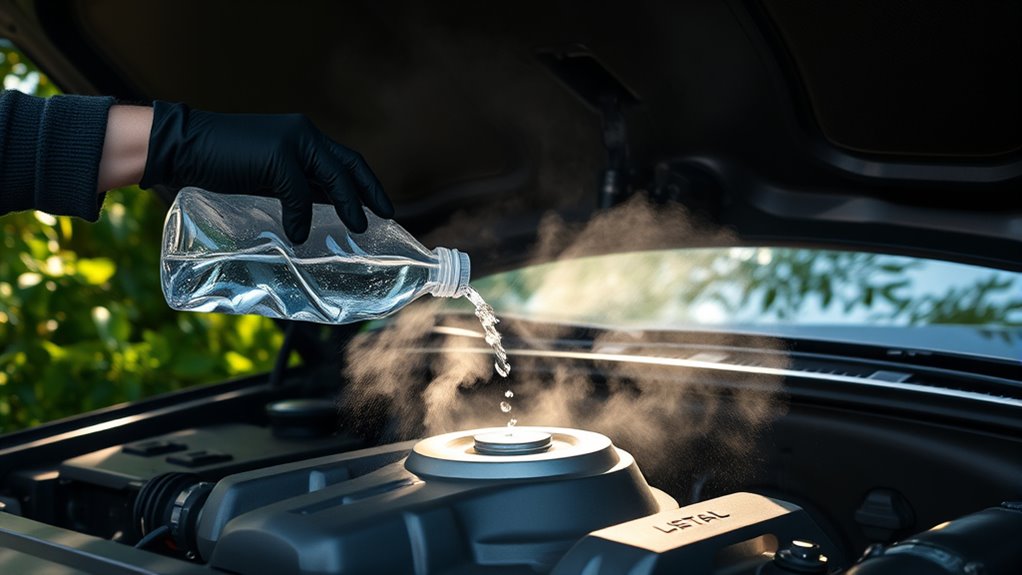
If your car engine overheats, pull over safely, turn off the engine, and wait 15-30 minutes for it to cool before opening the hood or checking coolant levels. Avoid opening the radiator cap immediately to prevent burns from hot steam or pressure.
Turning your heater on high can help draw heat away from the engine. Once cooled, top off coolant with the correct mix. Knowing these steps can help you handle overheating safely and effectively.
Key Takeaways
- Pull over safely, turn off the engine, and wait 15-30 minutes for it to cool before opening the hood.
- Turn the heater on high to help draw heat from the engine when it is warm but not overheated.
- Check coolant levels only after the engine cools. Then top off using a 50/50 antifreeze and water mixture.
- Avoid opening the radiator cap while hot to prevent burns from pressurized steam and hot coolant spray.
- Inspect the radiator, hoses, and coolant reservoir for leaks or damage before refilling and restarting the engine.
Immediate Steps to Take When Your Engine Overheats
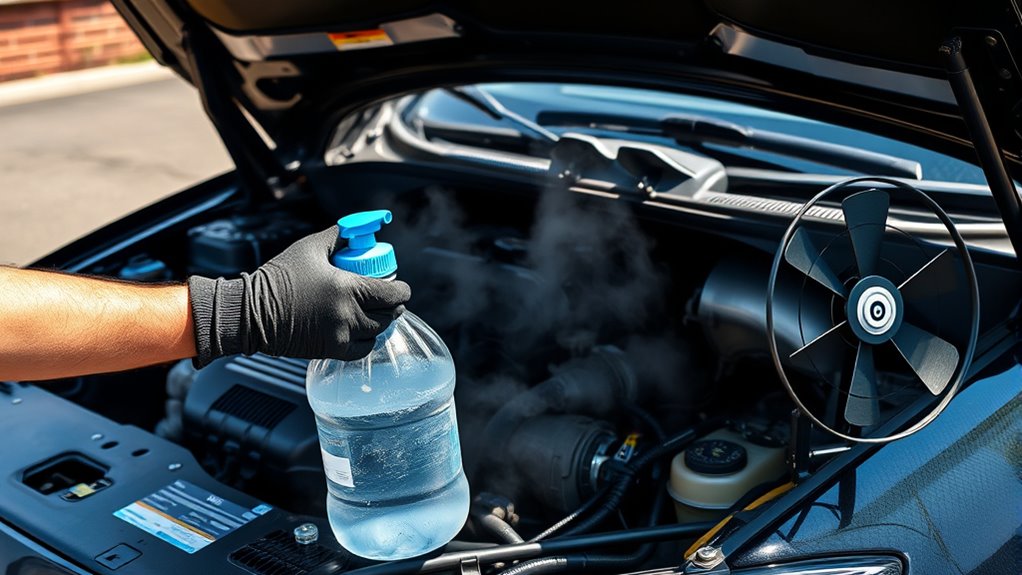
When your engine overheats, the first thing you should do is pull over safely and turn off the engine to prevent further damage. Once stopped, keep an eye on the engine temperature gauge. If it’s in the red zone, it confirms overheating.
Don’t attempt to open the hood immediately; let the engine cool for at least 15-30 minutes. Checking coolant levels is essential, but only after the engine cools down. Low coolant levels often cause overheating, so topping it off with the proper coolant mixture can help.
Avoid opening the radiator cap when hot, as it can cause serious burns. While waiting, turn on your hazard lights and keep the heater on full blast inside the car. This helps draw heat away from the engine.
How to Safely Pull Over and Turn Off Your Engine
If your engine starts to overheat, you need to quickly find a safe spot to pull over and turn off the engine to prevent further damage. Follow emergency procedures by signaling early and gradually slowing down to avoid sudden stops that could cause accidents.
Look for a wide shoulder, parking lot, or rest area where you can park safely away from traffic. Use your hazard lights to alert other drivers that you’re experiencing a problem.
Find a safe spot off the road and turn on hazard lights to warn other drivers.
Once stopped, apply safety precautions by putting the car in park and turning off the engine immediately. This helps stop the heat generation and reduces the risk of severe engine damage.
Don’t attempt to open the hood while driving or in an unsafe location. Stay inside with your seatbelt fastened if you’re on a busy road until it’s safe to exit. These steps ensure your safety and protect your vehicle during an overheating emergency.
Why You Should Never Open the Radiator Cap Immediately
Because the engine and coolant remain extremely hot after overheating, you shouldn’t open the radiator cap right away. The radiator cap is designed to hold engine pressure, and opening it too soon can cause scalding coolant and steam to burst out. This sudden release can seriously injure you and damage your engine further.
Here’s why you must wait before removing the radiator cap:
- The engine pressure inside the cooling system remains high right after overheating.
- Hot coolant can spray out forcefully, causing burns.
- Steam buildup can create dangerous bursts when the cap is loosened.
- Opening the cap prematurely can cause air pockets, harming the engine’s cooling efficiency.
- Waiting allows the engine and coolant to cool down and pressure to safely decrease.
Always let your engine cool completely before touching the radiator cap to protect yourself and keep your car safe.
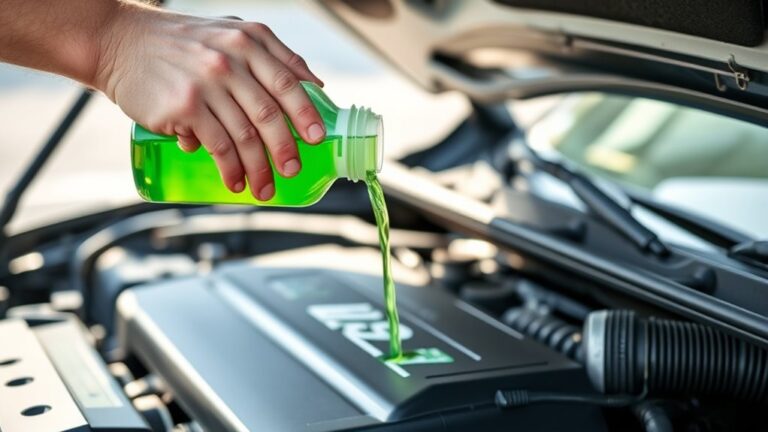
Using Coolant and Water to Cool Your Overheating Engine
Although it’s essential to let your engine cool before opening the radiator cap, you’ll eventually need to add coolant or water to help bring the temperature down. When you do, keep in mind that using the right coolant types is vital.
Always let your engine cool before adding coolant or water to safely manage temperature.
Most vehicles require a mixture of antifreeze and water, usually a 50/50 water mixture, which guarantees efficient heat transfer and prevents freezing or boiling. Avoid using plain water alone unless it’s an emergency, as it lacks the protective chemicals found in coolant.
Different coolant types exist. Some are organic acid-based, while others are inorganic. Always check your owner’s manual to match the correct type to your car.
Adding the proper coolant and water mixture helps maintain ideal engine temperature and prevents damage. If you’re topping off, use the water mixture cautiously and plan to replace it with the right coolant blend soon after.
Proper coolant use keeps your engine running safely and cool.
How to Check and Refill Your Coolant System
Keeping the right coolant level is key to maintaining your engine’s temperature. Start by letting your engine cool completely before opening the radiator cap. Never open it when hot. Perform a thorough radiator inspection to check for leaks, cracks, or corrosion.
Then, check the coolant reservoir level and compare it to the minimum and maximum marks. If the level is low, you’ll need to refill it with the proper coolant mixture, usually a 50/50 blend of antifreeze and distilled water.
Follow these steps for a safe refill:
- Wear gloves and eye protection to avoid contact with coolant.
- Use the recommended coolant type for your vehicle.
- Add coolant slowly to avoid air pockets.
- Tighten the radiator cap securely after refilling.
- Check hoses and connections for any signs of wear or leaks.
Regular maintenance of your coolant system guarantees your engine stays cool and prevents overheating.
Tips to Improve Airflow and Cool Your Overheating Engine Faster
If your engine’s overheating, one of the best things you can do is boost your radiator fan’s efficiency. It really makes a difference in cooling things down faster. Also, make sure nothing is blocking the airflow—this is super important.
Clearing out any debris from the grille is a simple but effective step. You’d be surprised how much stuff can get stuck there and slow the air from passing through. Another trick is to use hood ventilation techniques. This helps air circulate better around the engine bay.
Enhance Radiator Fan Efficiency
When your engine starts to overheat, boosting the radiator fan’s efficiency can make a big difference in cooling speed. You can improve fan performance by focusing on radiator maintenance and considering fan upgrades. Keeping your radiator clean guarantees ideal heat exchange, while a well-maintained fan avoids unnecessary strain on your engine.
Upgrading to a high-performance electric fan can improve airflow and cool your engine faster.
Here are five tips to maximize your radiator fan efficiency:
- Regularly check and clean radiator fins to prevent blockage
- Inspect fan blades for damage or wear
- Lubricate fan motor bearings to ensure smooth operation
- Upgrade to a variable-speed or high-CFM electric radiator fan
- Replace worn belts connected to the fan for consistent rotation
These steps help you cool your engine quickly and prevent further overheating.
Clear Airflow Pathways
Although your radiator fan plays a crucial role, you also need to make certain that nothing blocks the airflow around your engine. Start by checking your air filter; a clogged filter restricts airflow, causing your engine to run hotter. Replace it if it looks dirty or worn.
Next, inspect the engine bay for debris like leaves, plastic bags, or dirt that could obstruct air movement. Clear these away promptly.
Also, ensure your oil level is adequate because low oil can increase engine friction and heat. Maintaining proper oil levels helps your engine run cooler and more efficiently.
Use Hood Ventilation Techniques
Clearing airflow pathways sets a solid foundation for your engine’s cooling, but you can take it further by improving hood ventilation. Using effective ventilation techniques helps release trapped heat faster and keeps your engine temperature down.
Removing or adjusting hood insulation temporarily can increase heat dissipation, but be cautious not to damage it. Here are practical ways to optimize hood ventilation:
- Prop the hood open with a stick or hood prop rod for better airflow
- Remove or loosen hood insulation to allow heat to escape quickly
- Use a fan to direct cool air under the hood
- Park your car in a shaded, breezy area to boost natural ventilation
- Install hood vents or louvers designed to improve heat release
These ventilation techniques help cool your engine faster and prevent overheating damage.
When and How to Use Your Car Heater to Cool the Engine
If your engine starts to overheat, you can use your car’s heater to help cool it down by drawing heat away from the engine. Turning on the car heater directs hot coolant from the engine into the heater core, which acts like a small radiator. This process helps reduce the engine temperature faster.
Use the heater on the highest setting and fan speed for maximum engine cooling. Only do this when the engine is warm enough to avoid causing additional stress.
| When to Use Heater | How to Use Heater | Why It Helps |
|---|---|---|
| Engine temperature rises | Turn heater on high | Draws heat from engine |
| Waiting for roadside help | Increase fan speed | Speeds up coolant circulation |
| During stop-and-go traffic | Keep heater running | Prevents further overheating |
| When safe to do so | Monitor temperature gauge | Avoids overheating damage |
| After engine cools | Turn heater off | Prevents cabin discomfort |
How to Spot Early Warning Signs of Engine Overheating
When your engine starts showing unusual signs, catching them early can prevent serious damage. Keeping an eye on your engine temperature gauge is essential. Sudden spikes often serve as the first warning indicators of overheating.
You might also notice steam rising from under the hood or a burning smell, signaling trouble. Your car may begin to lose power or run roughly as the engine struggles at high temperatures.
Moreover, warning lights on your dashboard, especially the temperature or check engine light, are clear indicators you shouldn’t ignore.
Watch for these early warning indicators:
- Rapid increase in engine temperature gauge
- Steam or smoke coming from the engine bay
- Unusual burning odors inside or outside the car
- Loss of engine power or rough running
- Illuminated temperature or check engine warning lights
Recognizing these signs promptly lets you act before damage worsens.
How to Prevent Engine Overheating on Hot Days
To keep your engine from overheating on hot days, you’ll want to stay on top of regular coolant maintenance. It’s important to check your coolant levels and make sure everything is in good shape. Also, don’t forget about your tire pressure—it should be just right to help your car run smoothly.
Another helpful tip is to park in the shade whenever you can. This helps keep your engine and interior cooler. Plus, allowing proper ventilation inside your car can make a big difference in managing the heat.
Regular Coolant Maintenance
Because your engine faces extra strain on hot days, keeping your coolant in good shape is essential to prevent overheating. Regular coolant maintenance ensures your engine stays cool and runs efficiently.
You need to check the coolant level routinely, top it off with the correct coolant type, and flush the system based on your vehicle’s maintenance schedule. Using the wrong coolant or skipping maintenance can cause buildup, corrosion, or leaks, leading to overheating.
Here’s what you should focus on:
- Identify the right coolant type for your vehicle
- Check coolant levels monthly
- Flush and replace coolant as per manufacturer’s schedule
- Inspect hoses and radiator for leaks or damage
- Avoid mixing different coolant types to maintain effectiveness
Stay proactive to keep your engine cool and avoid costly repairs.
Proper Tire Pressure
Maintaining your coolant system is a big part of keeping your engine from overheating, but you shouldn’t overlook proper tire pressure as another key factor. When your tires are underinflated, your engine works harder to move the vehicle, generating extra heat.
This added strain can push your engine closer to overheating, especially on hot days. Be sure to check your tire pressure regularly, adjusting it based on the recommended levels for your vehicle.
Also, consider the road conditions you’re facing. Rough or uneven surfaces increase rolling resistance, which makes your engine work harder. By keeping your tire pressure at ideal levels and factoring in road conditions, you reduce unnecessary engine strain and help maintain a cooler running temperature, improving overall performance and safety.
Shade and Ventilation
While driving on hot days, you can prevent your engine from overheating by parking in the shade and ensuring proper ventilation. Shade keeps your engine cooler by blocking direct sunlight, reducing heat buildup around vital parts.
Good ventilation helps dissipate heat, especially around the engine insulation. This insulation traps heat to protect components but needs airflow to stay effective. Make sure your ventilation vents are clear and functioning well to maintain air circulation. Here’s what you should do:
- Park under trees or shaded structures whenever possible
- Keep ventilation vents free of debris
- Avoid parking on hot asphalt for long periods
- Check engine insulation for damage or wear
- Use sunshades on your windshield to reduce cabin heat
These steps help keep your engine temperature stable on scorching days.
How to Know When to Call for Professional Help or Towing
If your car engine shows signs of severe overheating, like steam pouring from under the hood or a rapidly rising temperature gauge, you should call for professional help immediately. Ignoring these warning indicators can cause serious engine damage.
Sometimes, despite your best efforts to cool down the engine, the engine temperature won’t drop. In such cases, towing is necessary to avoid further harm.
Here’s a quick guide to help you decide when to call for help:
| Situation | Action Needed |
|---|---|
| Engine temperature rising rapidly | Call for professional help |
| Steam or smoke from under the hood | Stop and call towing |
| Warning lights on the dashboard | Assess, then call help if unresolved |
| Leaking coolant | Call for assistance |
| Engine stalls repeatedly | Arrange for towing |
Recognizing these signs will help you act swiftly and protect your vehicle. Don’t wait too long; your safety and your engine depend on it.
Frequently Asked Questions
Can Engine Overheating Cause Permanent Damage to My Car?
Yes, engine overheating can cause permanent damage to your car. When your engine overheats, it can lead to engine failure by warping critical components like the cylinder head or damaging the head gasket.
Coolant leaks often contribute to this problem, reducing your engine’s ability to stay cool. If you don’t address overheating quickly, you risk costly repairs or even needing a full engine replacement. So don’t ignore warning signs.
What Are the Common Causes of Engine Overheating?
You’ll often find engine overheating caused by poor radiator maintenance or low coolant levels. If your radiator gets clogged or leaks, it can’t dissipate heat effectively.
Likewise, if your coolant’s too low or contaminated, your engine won’t stay cool. Other causes include a broken thermostat or water pump.
Keeping your radiator clean and checking coolant levels regularly helps prevent overheating and keeps your engine running smoothly.
How Does a Thermostat Affect Engine Temperature?
Imagine you’re stuck in traffic on a hot day, and your engine starts to overheat. The thermostat function plays a vital role here. It regulates the engine’s temperature by controlling coolant flow.
When the engine is cold, the thermostat stays closed to help it warm up quickly. Once it reaches the right temperature, the thermostat opens, allowing coolant to circulate and prevent overheating.
Without proper temperature regulation, you’d risk serious engine damage.
Are Electric Fans More Effective Than Mechanical Fans?
Yes, electric fans are generally more effective because their electric fan efficiency lets you control cooling precisely, running only when needed. You’ll save energy and reduce engine load compared to mechanical fans.
However, mechanical fan advantages include simplicity and reliability since they’re driven directly by the engine. If you want efficient and adjustable cooling, electric fans are the better choice, but mechanical fans still work well in basic, rugged setups.
Can Using the Wrong Type of Coolant Harm the Engine?
Yes, using the wrong type of coolant can definitely harm your engine. You need to guarantee coolant compatibility with your vehicle’s specifications to avoid corrosion or overheating.
Mixing incompatible coolants can cause chemical reactions that reduce cooling efficiency. Plus, toxic coolant risks are real. Some coolants contain harmful chemicals that can damage engine components or pose health hazards.
Always check your owner’s manual and use the recommended coolant to keep your engine safe.
Conclusion
When your engine overheats, think of it like a boiling pot. You wouldn’t rush to open the lid and risk a burn. Instead, pull over safely, let it cool, then check your coolant.
Just like a runner pacing themselves to avoid collapse, taking these steps prevents damage and keeps you moving. Remember, staying calm and acting quickly can save your engine and your day before things truly boil over.
Knowing how to cool down a car engine quickly is key to avoiding costly repairs and getting back on the road safely.