7 Key Factors That Affect How Much It Does Cost to Replace a Car Engine
If you’ve ever faced the daunting task of replacing a car engine, you know how overwhelming the costs can be. You’re not alone—many people struggle to understand why prices vary so much and what exactly influences the final bill.
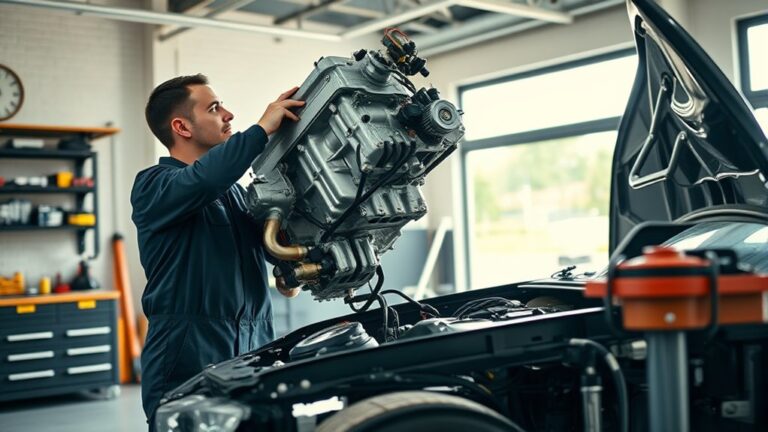
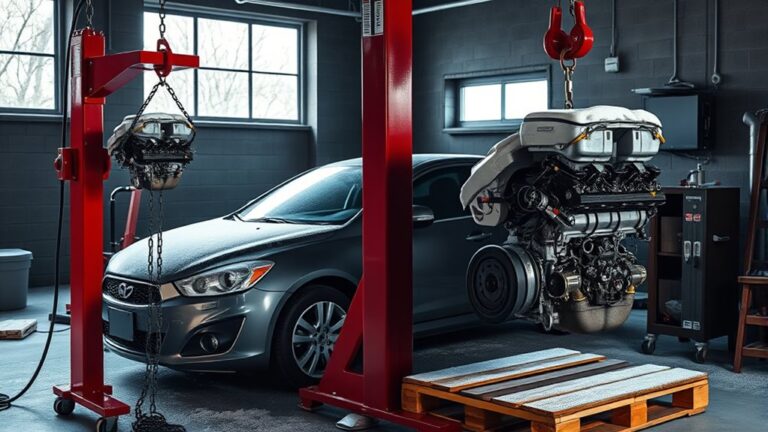
When replacing your car engine, several key factors affect the cost. Engine type matters. A high-performance V8 costs more than a basic four-cylinder. Your car’s make and model influence parts availability and labor time.
Choosing new, rebuilt, or used engines changes the price and risk. Labor rates vary by location and mechanic expertise. Extra parts and needed repairs add expenses, and your region’s regulations and insurance coverage also play roles.
Understanding these details helps you prepare for the full scope of costs ahead.
Key Takeaways
- Engine type, complexity, and fuel system significantly influence replacement costs due to varying materials and labor requirements.
- The choice between new, rebuilt, or used engines affects price, warranty, and long-term reliability.
- Labor rates vary by region, mechanic expertise, and shop, impacting total replacement expenses.
- Additional necessary parts and unforeseen repairs can raise the overall engine replacement cost.
- Insurance coverage, warranty terms, and regional regulations affect out-of-pocket costs and parts availability.
What Determines the Cost to Replace a Car Engine?
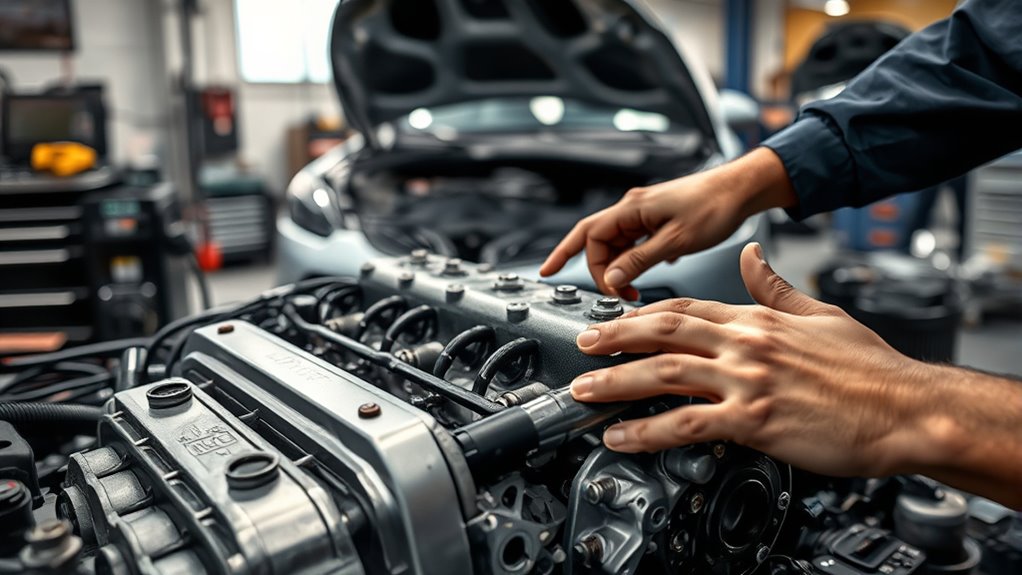
While several factors influence the price, the cost to replace a car engine mainly depends on the engine type, labor charges, and whether you choose a new, used, or rebuilt engine.
You’ll want to take into account the engine warranty offered, as it can save you money if issues arise after replacement. New engines typically come with better warranties, but they’re also pricier.
Used engines may cost less but often come with limited or no warranty, increasing your risk. Rebuilt engines strike a balance, offering moderate warranties at a lower cost.
Labor charges vary based on the mechanic’s rates and how complex your engine replacement is. Since engine replacement can be expensive, exploring financing options is a smart move.
Many repair shops or lenders provide payment plans or loans to help you manage the upfront cost more comfortably. Understanding these elements helps you make informed choices and budget effectively for your engine replacement.
How Engine Type Affects Replacement Cost
The type of engine in your car really makes a difference when it comes to replacement costs. Bigger engines or ones with more complicated designs usually end up costing more to replace.
Also, the kind of fuel your engine uses—like diesel compared to gasoline—can change the price, too. Knowing these details can help you better prepare for what you might have to spend.
Engine Size Impact
Engine size plays a major role in determining how much you’ll pay to replace a car engine. Larger engines usually cost more because they require more materials, labor, and complexity during replacement.
When your engine has undergone customization or includes aftermarket modifications, costs can rise further. These changes often mean you can’t simply swap in a standard replacement engine. You’ll need specialized parts or adjustments to fit the custom setup.
Smaller engines, on the other hand, tend to be less expensive to replace due to fewer components and simpler designs. If you’re considering engine replacement, keep in mind how your engine’s size and any customizations affect both parts availability and labor time. This understanding helps you budget accurately and avoid surprises during repairs.
Fuel Type Differences
Because fuel type directly influences your car’s design and components, it also affects how much it costs to replace the engine. Different fuel types require varying materials, technology, and compliance measures, which impact the overall expense. For example, diesel engines often come with more robust parts to handle higher compression, increasing replacement costs.
Hybrid and electric engines involve advanced technology that adheres to stricter emission standards, making replacements pricier. Here’s how fuel type affects engine replacement costs:
Diesel engines may cost more due to durable components and emission control systems. Gasoline engines are generally less expensive but still vary by fuel efficiency features. Hybrid engines involve complex systems that demand specialized parts and labor.
Understanding these differences helps you anticipate and budget for engine replacement.
Complexity Of Design
How complex an engine’s design is plays a big role in determining its replacement cost. When you look at different engine types, the manufacturing complexity varies significantly. For example, a simple four-cylinder engine usually costs less to replace because its engine design is straightforward, with fewer parts and easier assembly.
In contrast, V6 or V8 engines tend to have more intricate designs, involving additional components and tighter tolerances. This added complexity requires specialized tools and more labor time, which drives up the cost. High-performance or turbocharged engines further increase manufacturing complexity due to advanced materials and precision engineering.
Car Make and Model Effects on Engine Replacement Cost
Several aspects of your car’s make and model directly influence the cost of replacing its engine. Some vehicles have engines known for longer engine longevity, which can reduce how often you face replacement costs. Others might come with better warranty coverage, potentially lowering your out-of-pocket expenses if an engine issue arises early.
When considering your specific car, keep these points in mind:
- Parts availability: Popular models often have cheaper, easier-to-find parts, cutting costs.
- Labor intensity: Some designs require more time and expertise, increasing labor charges.
- Engine type: High-performance or specialized engines usually cost more to replace.
New vs. Rebuilt vs. Used Engines: Cost Differences
Your car’s make and model set the stage, but the type of engine you choose for replacement ultimately shapes the final cost. New engines generally cost the most but offer the greatest engine durability and come with solid warranty coverage, giving you peace of mind for years.
Rebuilt engines fall in the middle price-wise; they’re refurbished to meet specific standards and usually include some warranty, though it’s often shorter than that of new engines. Used engines are the most affordable option but come with the highest risk. Engine durability varies widely, and warranty coverage is limited or nonexistent.
When deciding, consider how long you plan to keep the vehicle and how much risk you’re willing to take. Opting for a new engine maximizes reliability and protection, while rebuilt and used engines can save money upfront but potentially cost more in repairs down the line. Your choice directly impacts both cost and long-term satisfaction.
How Labor and Shop Rates Impact Engine Replacement Cost
You’ll notice that labor rates can vary a lot depending on where the shop is located and how experienced the mechanics are. Picking a highly skilled mechanic might cost you more at first, but it can save you a lot of headaches later on. Knowing these differences helps you plan your budget better when it comes to replacing an engine.
Variations in Labor Rates
Because labor rates vary widely between shops and regions, the cost to replace a car engine can differ considerably. When you’re budgeting for this repair, keep in mind how these variations impact your final bill.
Higher labor rates often mean quicker service but can raise your overall cost. On the other hand, lower rates might stretch your replacement timeline, potentially affecting your engine warranty if delays occur.
Here’s what you should consider:
- Shop location: Urban areas usually charge more than rural ones.
- Labor expertise: Certified mechanics may have higher hourly rates.
- Shop policies: Some shops include warranty coverage in their labor costs.
Understanding these factors helps you make informed decisions and avoid surprises during your engine replacement.
Shop Expertise Influence
Although labor rates play a significant role in the total cost of replacing a car engine, the expertise level of the shop you choose can have an even greater impact. A shop that meets high certification standards typically employs skilled technicians who work efficiently and accurately, reducing the risk of costly errors.
These experts often offer a solid engine warranty, giving you peace of mind about the quality of their work. While their labor rates might be higher, the long-term savings and reliability usually outweigh the initial expense.
Choosing a less experienced shop may save money upfront but could lead to issues down the road, increasing overall costs. So, prioritize shops with proper certification and strong engine warranties to guarantee you get the best value for your investment.
Extra Parts and Repairs That Add to Engine Replacement Cost
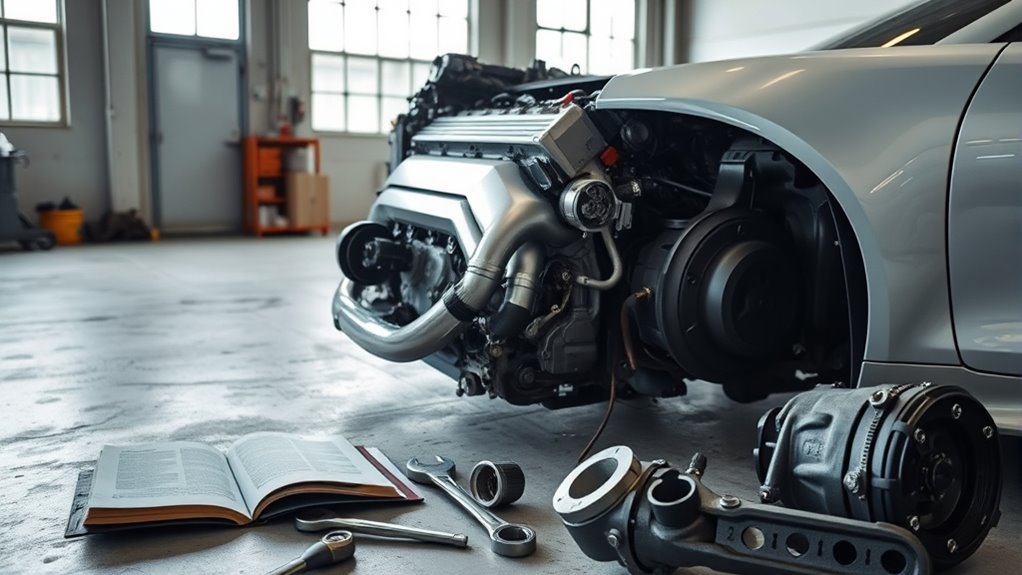
When replacing a car engine, keep in mind that the engine itself isn’t the only expense you’ll face. Extra parts and repairs often add significant costs to the overall price. You’ll need to evaluate engine accessories like belts, hoses, and mounts that might wear out or break during the swap.
Furthermore, diagnostic procedures are vital to pinpoint any hidden issues that could affect the engine’s performance, adding to labor costs.
Other common extra expenses include replacing gaskets and seals to prevent leaks, repairing or upgrading the cooling system components, and addressing any damage to wiring or sensors linked to the old engine.
These added parts and repairs can quickly increase your bill, so budgeting for them upfront helps avoid surprises. Being aware of these factors ensures you’re better prepared for the total cost of a complete engine replacement.
How Location Affects Engine Replacement Cost
Where you live plays a big role in how much it costs to replace your car engine. Labor rates vary widely between cities and states, so engine replacement in a major metropolitan area often costs more than in smaller towns.
Furthermore, access to parts can differ by location. If your area lacks suppliers for your car’s make or model, parts might be pricier or take longer to arrive. This can influence both the overall replacement cost and the time your vehicle is out of commission.
Your location also impacts your engine warranty and insurance coverage options. Some regions have stricter regulations that affect warranty terms, while insurance companies may offer varying coverage plans depending on local risks and repair costs.
It’s smart to check how your insurance covers engine replacement in your area and whether your engine warranty remains valid if you move. Understanding these factors helps you anticipate costs better and avoid surprises during the repair process.
Frequently Asked Questions
How Long Does It Take to Replace a Car Engine?
Replacing a car engine usually takes between 8 to 15 hours, depending on your vehicle’s make and model. If you opt for an engine rebuild instead, it might take longer because of the detailed work involved.
When considering replacement alternatives, some shops offer remanufactured engines that can speed up the process. You’ll want to discuss these options with your mechanic to find the quickest and most reliable solution for your car.
Can I Finance the Cost of an Engine Replacement?
Yes, you can finance the cost of an engine replacement. Many repair shops offer financing options, or you can apply for a personal loan through your bank or credit union.
Keep in mind, loan approval depends on your credit score and financial history. It’s smart to compare interest rates and terms before committing.
Financing makes costly repairs manageable, so don’t hesitate to consider these options if you need an engine replacement.
Will Replacing My Engine Affect My Car’s Warranty?
Yes, replacing your engine can affect your car’s warranty. If the engine replacement isn’t done by an authorized dealer or with approved parts, you might lose repair eligibility under your original engine warranty. Always check with your manufacturer before proceeding.
Some warranties cover engine replacements if done correctly, but unauthorized repairs could void your engine warranty and limit your eligibility for future repairs. It’s best to confirm details beforehand.
How Can I Tell if My Engine Really Needs Replacement?
Like spotting the first cracks in a famous painting, you can tell your engine needs replacement by watching for clear repair indicators. If your engine lifespan is nearing its end, say over 150,000 miles, and you notice persistent knocking, excessive smoke, or frequent overheating, it’s time to act.
Don’t ignore warning lights or a sudden drop in performance. These signs reveal your engine’s health before it completely fails.
Are There Environmental Regulations for Disposing of Old Engines?
Yes, there are environmental regulations for engine disposal you need to follow. When you replace your car engine, you can’t just toss the old one anywhere because emissions regulations require proper handling to prevent harmful pollutants from leaking.
You’ll want to take the engine to a certified recycling center or authorized facility that safely disposes of hazardous fluids and materials. This keeps the environment safe and guarantees you’re compliant with the law.
Conclusion
Replacing your car’s engine is like steering a winding road. You’ll face twists shaped by engine type, car model, and labor costs.
Knowing these key factors helps you steer clear of unexpected expenses and keep your journey smooth. Whether you choose new, rebuilt, or used, understanding what drives the price empowers you to make smart decisions.
With this roadmap, you’re ready to hit the accelerator on finding the best engine replacement deal for your ride. Replacing a car engine doesn’t have to break the bank when you know what to expect.