3 Key Factors That Affect How Much to Replace a Car Engine
Replacing a car engine can feel overwhelming and costly, and if you’re facing this challenge, you’re not alone. Many people struggle with understanding what drives the price up or down. Knowing the key factors that affect how much to replace a car engine can save you time, stress, and money.
When replacing your car engine, three key factors affect the cost: the engine type, labor fees, and your car’s condition.
Basic engines like inline-4 cost less, while specialized or turbocharged ones raise expenses.
Labor rates vary by shop, with dealerships charging more than independent mechanics.
Plus, if your car needs extra repairs or has worn parts, expect higher costs.
Understanding these factors helps you plan better. Explore further to see how each element impacts your budget.
Key Takeaways
- Engine type and complexity significantly impact replacement costs. Specialized engines tend to cost more than basic inline-4 variants.
- Compatibility with the vehicle’s make and model prevents costly modifications and ensures the installation goes smoothly.
- Labor rates vary widely depending on the shop type and location, which influences the overall replacement expenses.
- The car’s current condition might require additional repairs, which can increase the total engine replacement costs.
- Timing of the replacement also affects costs because delays can cause further damage and lead to more extensive repairs.
Which Engine Types Affect Engine Replacement Cost?
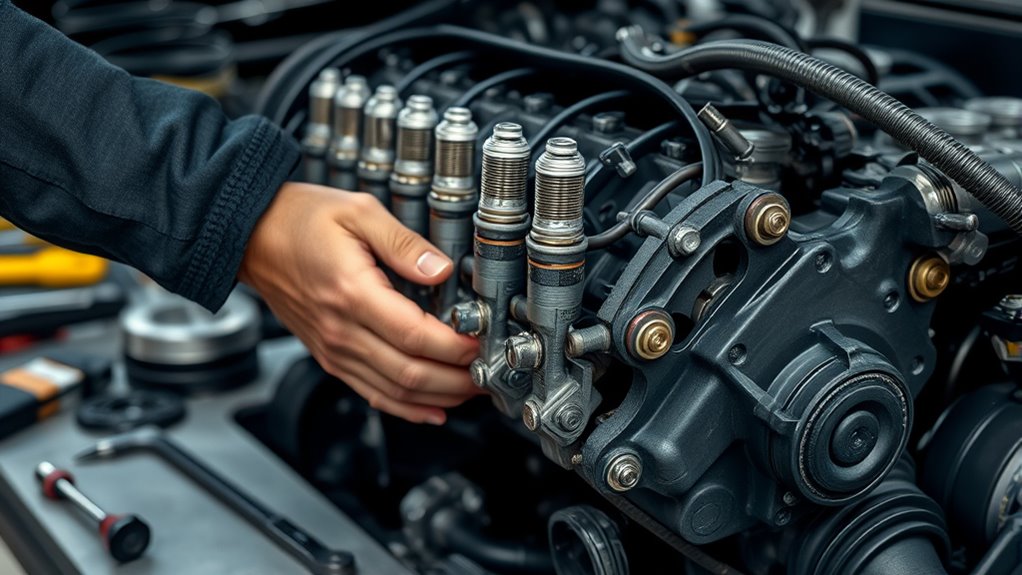
Because different engine types vary in complexity and availability, they directly impact the cost of replacing your car’s engine. You’ll find that some engines, like basic inline-4s, are more common and easier to replace, which usually lowers your expenses. On the other hand, specialized engines, such as V8s or turbocharged variants, often come with higher costs due to their complexity and limited availability.
When considering replacement options, engine compatibility plays a vital role. You need to confirm the new engine fits your vehicle’s make, model, and year without requiring extensive modifications. Otherwise, you’ll face extra costs and potential performance issues.
Aftermarket options can help you save money. These engines are often less expensive than OEM parts and can be just as reliable if sourced from reputable suppliers. However, you should weigh the risks and benefits carefully to avoid compatibility problems or voiding warranties. Choosing the right engine type and source is key to managing replacement costs effectively.
How Labor and Shop Fees Add Up in Engine Replacement
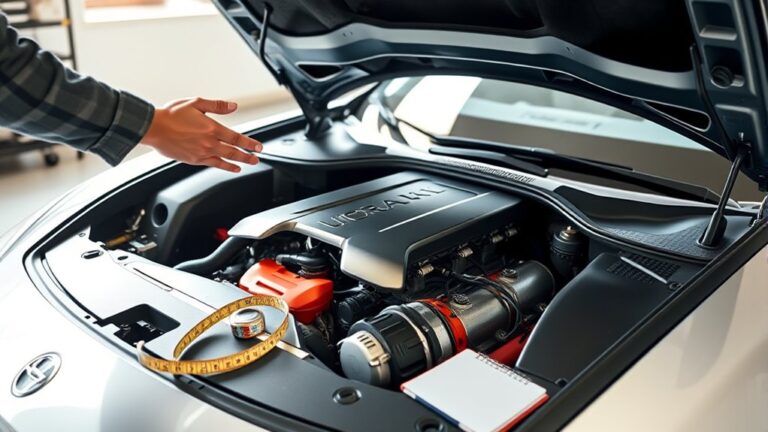
When you replace your car’s engine, labor and shop fees can quickly add up and affect the total cost. Labor rates vary depending on the shop’s location and expertise. So, getting an accurate cost estimate upfront is essential.
Some shops charge by the hour, while others offer flat fees. Warranty coverage often depends on whether the work is done at a dealership or an independent shop. This can influence your choice.
Keep in mind that longer labor times mean higher fees. The complexity of your engine replacement plays a role in how long the job takes.
| Labor Type | Hourly Rate (USD) | Estimated Hours |
|---|---|---|
| Dealership | $120 – $150 | 10 – 15 |
| Independent Shop | $80 – $120 | 12 – 18 |
| Specialty Shop | $100 – $140 | 8 – 12 |
Understanding these fees helps you plan your budget and compare warranty coverage options effectively.
Why Your Car’s Condition Changes Engine Replacement Price
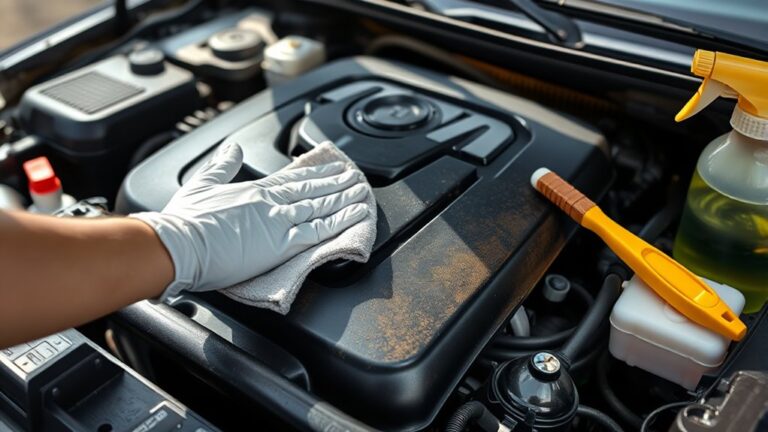
Although engine replacement costs primarily depend on parts and labor, your car’s overall condition can considerably affect the final price. When your vehicle shows signs of wear beyond the engine, mechanics may recommend additional repairs that raise costs. Plus, the replacement timing plays a vital role. Delaying engine replacement can worsen other components, increasing expenses.
Here are three ways your car’s condition impacts engine replacement price:
- Additional Repairs Needed: Worn-out parts like the transmission or cooling system might need fixing alongside the engine.
- Engine Warranty Eligibility: A well-maintained car may qualify for a better engine warranty, lowering long-term costs.
- Replacement Timing: Replacing the engine promptly avoids further damage, saving money on extensive repairs.
Frequently Asked Questions
How Long Does a Typical Engine Replacement Take?
A typical engine replacement usually takes about 8 to 15 hours, depending on your car’s make and model. When you consider engine repair versus full replacement, the time can vary considerably.
Replacement costs often reflect this labor time, so knowing how long the job takes helps you budget better. If you want to get back on the road quickly, ask your mechanic for a clear timeline before starting the engine repair.
Can I Finance an Engine Replacement?
Imagine your wallet opening a bit wider to cover engine financing. Yes, you can finance an engine replacement! Many shops and lenders understand replacement costs can be hefty, so they offer payment plans or loans.
This way, you don’t have to pay the full amount upfront. Just shop around for the best interest rates and terms, and you’ll keep your car running smoothly without breaking the bank all at once.
Will Replacing My Engine Affect My Car’s Warranty?
Yes, replacing your engine can affect your car’s warranty. Warranty coverage depends heavily on manufacturer policies. So, if you use a non-approved engine or have the replacement done outside authorized service centers, you might void parts of your warranty.
Always check your manufacturer’s policies before proceeding. If you choose an authorized dealer or approved parts, you can often maintain your warranty coverage without issues.
How Do I Know if My Engine Really Needs Replacement?
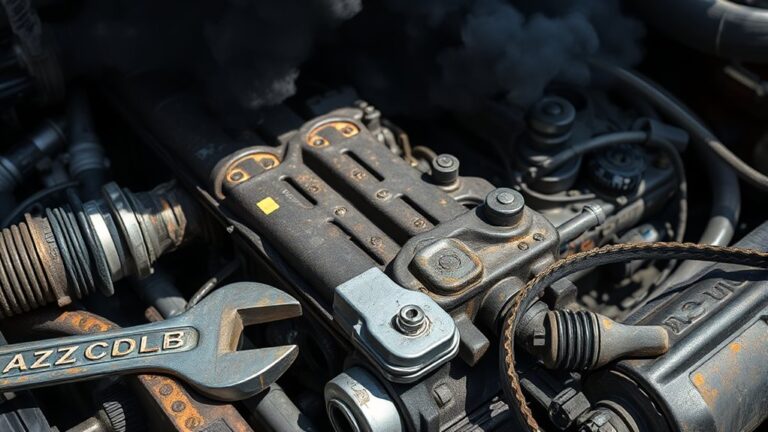
You’ll know your engine really needs replacement if you notice signs of engine failure like knocking sounds, excessive smoke, or frequent overheating. Sometimes, poor performance or warning lights indicate serious issues.
Before deciding, weigh cost considerations. Repairing might be cheaper than replacing. Have a trusted mechanic diagnose the problem to avoid unnecessary expenses.
If repairs won’t fix the core issues, engine replacement is likely your best option.
Are Used Engines a Reliable Option for Replacement?
Like finding a hidden treasure, used engines can be a reliable option if you choose wisely. They often offer good engine longevity at a fraction of new engine repair costs.
However, you’ll want to check the engine’s history, mileage, and condition to avoid future headaches. If you do your homework and buy from a reputable source, a used engine could save you money while keeping your car running strong.
Conclusion
When you think about replacing your car engine, it’s easy to focus just on parts or labor. But here’s the twist: the type of engine, the shop’s fees, and your car’s condition all collide to shape the final cost.
It’s like a perfect storm you didn’t expect but need to navigate. So, before you leap in, remember understanding these factors helps you make smarter, smoother decisions for your ride.
Keeping these key factors in mind will guide you in knowing how much to replace a car engine without surprises.