Top 3 Essential Chainsaw Parts You Need
Finding the right chainsaw parts can be frustrating, especially when a worn chain, damaged guide bar, or faulty sprocket affects cutting performance. You’re not alone—many chainsaw owners struggle to choose compatible replacements and know when parts need attention.
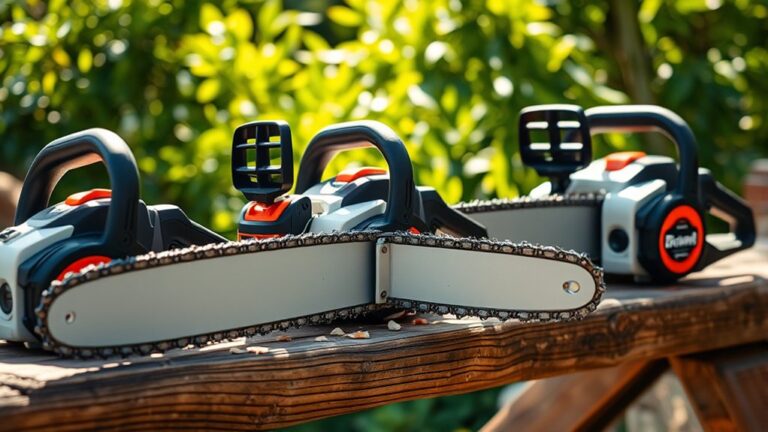
The top three essential chainsaw parts you need are a properly matched chain, a sound guide bar, and a well-maintained sprocket.
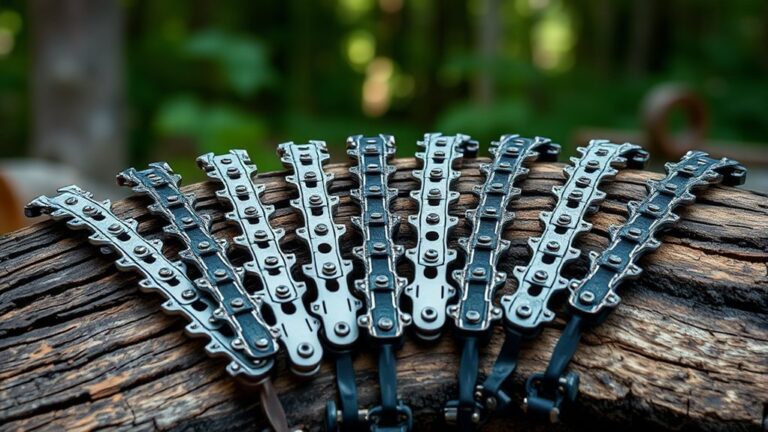
Choose a chain that matches your saw’s pitch, gauge, bar length, and drive-link count.
Inspect the bar for burrs, cracks, uneven wear, and clogged grooves, replacing it when damaged.
Check the sprocket for hooked teeth, grooves, cracks, or looseness, and replace worn parts promptly.
The sections below explain how to select, inspect, and maintain each component.
Key Takeaways
- Chain: Choose the correct pitch, gauge, drive-link count, and cutter style for your chainsaw and cutting tasks.
- Guide bar: Match its length, pitch, gauge, and mounting pattern. Replace it if it is bent, cracked, or excessively worn.
- Sprocket: Inspect for hooked or grooved teeth, cracks, and looseness. Replace worn sprockets to maintain smooth chain movement.
- Bar oil and tensioning: Lubricate properly and adjust the tension according to the manufacturer’s instructions before every operation.
- Maintenance equipment: Keep sharpening tools and protective gear available to maintain cutting performance and improve operating safety.
Match the Chain to Your Saw
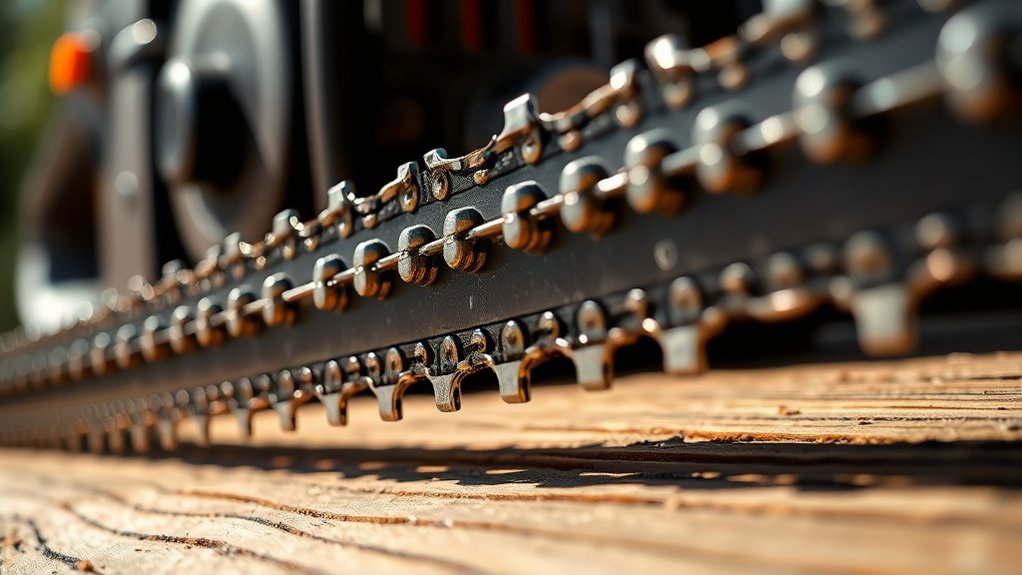
Before buying a replacement chain, identify your saw’s make, model, bar length, pitch, gauge, and drive-link count. Use these details to match a chain precisely, because even a small mismatch can prevent proper installation or create unsafe cutting conditions.
Identify your chainsaw’s specifications carefully to ensure a precise replacement-chain fit and safer, more reliable operation.
Check your owner’s manual or the markings stamped on the existing chain and saw. Choose the correct cutter style for your work, such as a full-chisel chain for fast cutting in clean wood or a semi-chisel chain for better durability in dirty conditions.
Confirm the chain’s intended cutting direction before mounting it. After installation, make sure the drive links sit correctly in the groove and the cutters face forward along the bar’s top edge.
Set tension according to the manual, then test movement by hand with gloves and the engine off. Regular chain sharpening preserves cutting performance.
Apply suitable oil lubrication before operation, and inspect the chain frequently for damage, dullness, or excessive stretch.
Check and Replace the Guide Bar
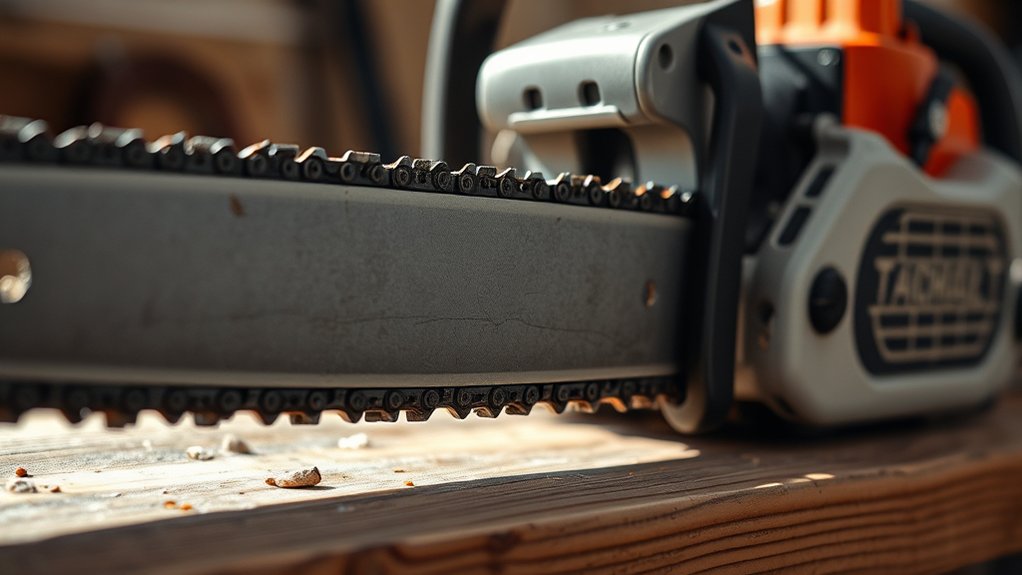
A properly matched chain still needs a guide bar in good condition to cut safely and evenly. Before each use, unplug an electric saw or stop the engine, engage the chain brake, and wear protective equipment. Follow these safety precautions:
- Clean the bar groove and oil holes.
- Check the rails for burrs, cracks, or uneven wear.
- Turn the bar occasionally to promote even wear.
- Replace a bent, badly worn, or damaged bar.
Run your finger lightly along the rails only when the chain is removed, and never force a chain through a distorted groove. Use a bar that matches your saw’s length, pitch, gauge, and mounting pattern.
If the chain binds, cuts crookedly, or sags despite correct tension, inspect the bar closely. Include these maintenance tips in your routine: remove debris after cutting, keep the groove clear, and apply proper bar oil.
Replace the bar promptly when damage affects chain movement. A compromised guide bar can increase kickback risk and reduce control.
Inspect and Replace the Sprocket
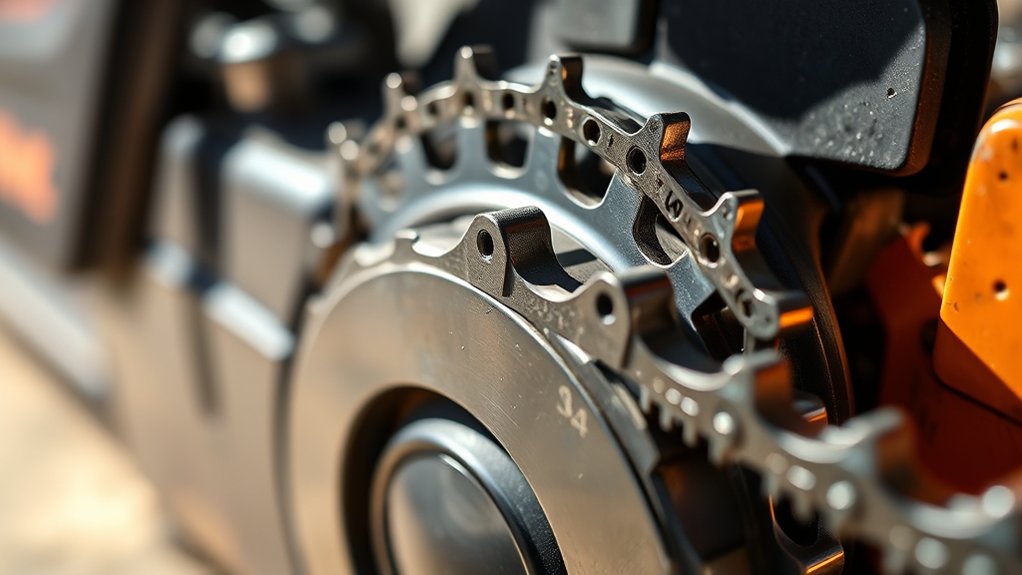
Inspect the sprocket whenever you replace the chain or notice skipping, vibration, or uneven movement. Remove the clutch cover, bar, and chain after switching off the engine and allowing it to cool.
Brush away debris, then examine the sprocket teeth for grooves, hooking, cracks, or excessive wear. A worn sprocket can damage a new chain and reduce cutting control.
Inspect sprocket teeth for grooves, hooking, cracks, or wear to prevent chain damage and maintain safe cutting control.
Check that the sprocket spins smoothly without side-to-side play. Confirm sprocket alignment with the clutch and bar, as misalignment can cause rapid wear and unsafe operation.
If the teeth look sharp, uneven, or deeply grooved, replace the sprocket according to your chainsaw’s service manual. Some models use a rim sprocket, while others use a spur sprocket, so install the correct part.
Reassemble the components carefully, tension the chain, and verify free movement. Maintain proper chain lubrication to reduce friction and heat.
If removal requires special tools or the clutch seems damaged, have a qualified technician complete the repair.
Frequently Asked Questions
How Often Should I Clean and Replace the Chainsaw Air Filter?
Clean your chainsaw air filter after every few hours of cutting, or sooner when you work in dusty conditions. During each air filter inspection, remove debris gently and wash a foam filter with soapy water; let it dry completely before reinstalling it.
Replace damaged, hardened, or permanently clogged filters immediately. Follow your owner’s replacement schedule, typically every 25–50 operating hours, but check your manufacturer’s recommendations for exact timing.
What Safety Equipment Should I Wear When Operating a Chainsaw?
You should wear a helmet with face and hearing protection, safety glasses, chainsaw chaps, cut-resistant gloves, and steel-toed, slip-resistant boots. Because apparently your legs shouldn’t double as replacement chains, protective gear matters.
Follow essential safety precautions: inspect the saw, engage the chain brake when moving, maintain firm footing, keep bystanders away, and cut below shoulder height. Don’t work alone, rush cuts, or operate while impaired, tired, or distracted.
When Should I Sharpen or Replace the Chainsaw Chain?
Sharpen your chainsaw chain when cutting produces fine dust, requires extra pressure, pulls sideways, or creates uneven chips. Reduced cutting efficiency and unusual vibration also signal dull cutters.
Check chain tension before and after sharpening, since a loose or overly tight chain affects performance and safety.
Replace the chain when cutters become too short, damaged, cracked, or unevenly worn, or when sharpening no longer restores smooth, controlled cutting.
How Do I Properly Maintain the Chainsaw’s Fuel System?
About 30% of small-engine problems start with stale fuel, so you’ll protect your chainsaw by maintaining its fuel system regularly.
Use fresh, manufacturer-approved Fuel mixture at the correct ratio, and don’t store fuel longer than recommended.
Clean the tank, cap, and filter periodically, replacing clogged filters. Inspect fuel lines for cracks or brittleness.
Keep the Carburetor adjustment at factory specifications, and never force changes.
Before storage, drain the tank and run the engine dry.
What Signs Indicate That the Chainsaw Engine Needs Professional Servicing?
You should seek professional servicing when your chainsaw repeatedly stalls, struggles to start, loses power, or produces excessive smoke despite fresh fuel and a clean air filter.
Engine overheating, burning smells, and unusual vibrations also signal internal problems, such as worn bearings, damaged pistons, or poor lubrication.
Don’t ignore knocking, rattling, or abnormal exhaust. Stop using the saw, let it cool, and have a qualified technician inspect it before further operation.
Conclusion
Keep your chainsaw running smoothly by matching the chain to your saw, replacing a worn guide bar, and inspecting the sprocket. These essential parts work together as the machine’s backbone, guiding every cut with strength and precision.
Don’t let small defects grow into costly problems. Check these components regularly and replace them when necessary to cut more safely, extend your saw’s life, and keep every job moving smoothly from start to finish with the right chainsaw parts.