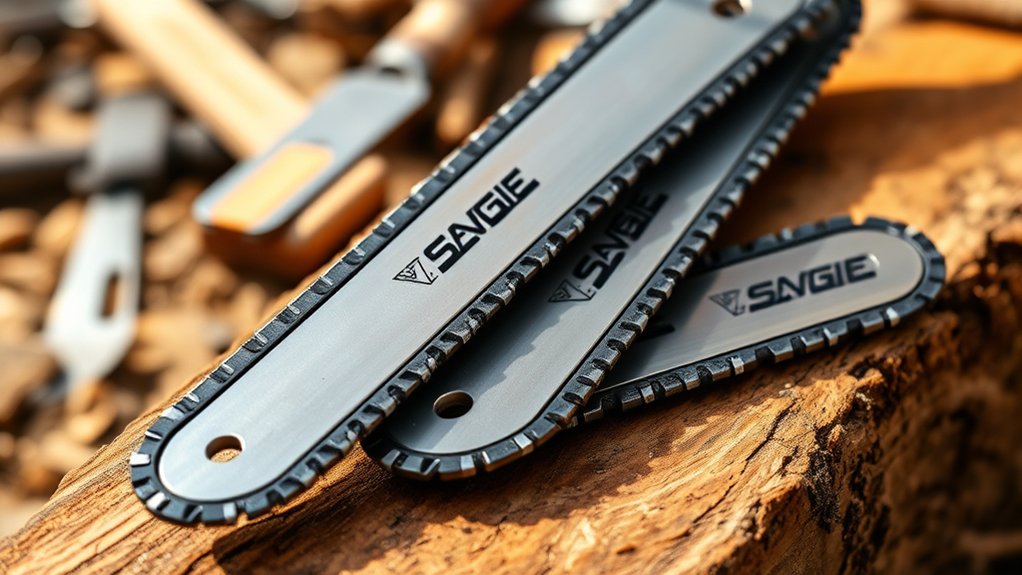
Top 3 Chain Saw Bars for Durability and Performance
Finding the right chainsaw bar can be frustrating, especially when you need durability, smooth cutting, and a reliable fit. You’re not alone—many homeowners and professionals struggle to choose from so many options.
This roundup of the top 3 chain saw bars for durability and performance makes the decision easier.
For large logs, choose a solid professional bar with a replaceable sprocket nose, stiff rails, and strong lubrication channels.
For firewood, a 16- to 18-inch laminated bar paired with a low-kickback chain gives you excellent balance, control, and reliable performance.
For all-around homeowner use, select a 16- to 18-inch laminated bar that matches your saw’s specifications.
Keep any bar properly tensioned, clean its groove, and replace it when rails spread or wear unevenly.
You’ll find more guidance below for choosing confidently.
Key Takeaways
- Choose a 16- to 18-inch laminated bar for balanced durability, control, weight, and versatile homeowner use.
- Select a solid professional bar when maximum stiffness, extended service life, and demanding cutting performance matter most.
- Prioritize replaceable sprocket noses, durable rails, effective lubrication channels, and compatibility with your chainsaw model.
- Match bar length to typical log diameter, leaving several inches of extra cutting capacity without exceeding manufacturer recommendations.
- Inspect, clean, tension, and periodically flip the bar. Replace it when rails spread, bend, crack, or wear unevenly.
Best Chain Saw Bar for Large Logs

For large logs, choose a chain saw bar that’s long enough to cut through the wood in one pass yet rigid enough to resist bending. Compare the tree’s diameter with the saw’s recommended bar length, then leave extra capacity for safe, controlled cutting.
A longer bar can improve reach, but it also adds weight and demands more engine power. Match the bar length to your saw’s displacement and manufacturer limits instead of simply choosing the longest option.
Pay attention to bar material, too. Laminated bars offer lower weight and good flexibility for general heavy-duty work, while solid, professional bars typically provide greater stiffness and durability under demanding loads.
Look for a replaceable sprocket nose, quality rails, and reliable lubrication channels. These features help reduce friction and wear during long cuts.
Keep the bar properly tensioned, clean the groove regularly, and replace it when the rails spread, wear unevenly, or develop damage.
Best Chain Saw Bar for Firewood Cutting
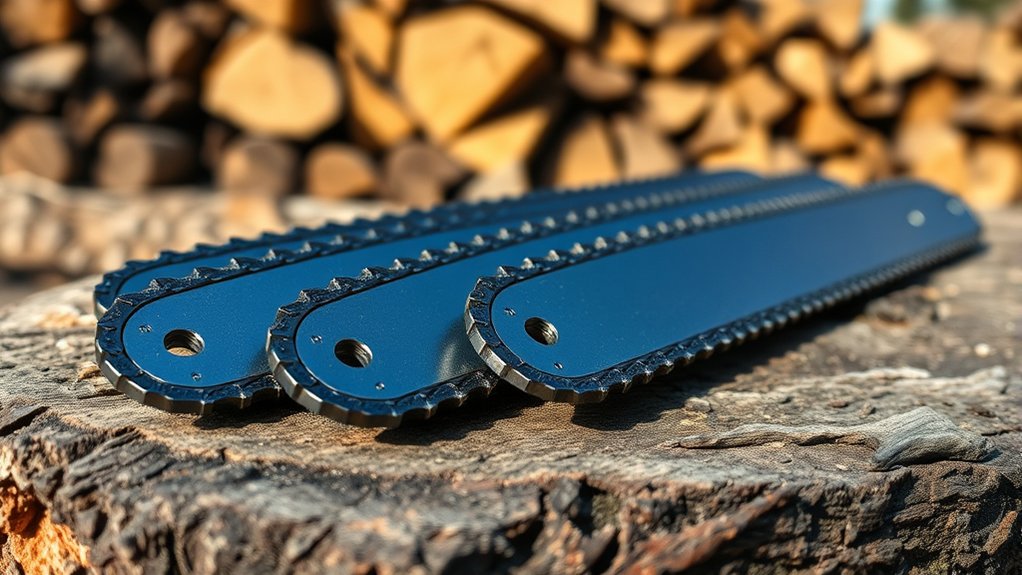
When cutting firewood, choose a chain saw bar that matches the typical log diameter and your saw’s power. For most homeowners, a 16- to 18-inch bar offers a practical balance of reach, control, and cutting speed. Choose a narrower bar and low-kickback chain if you value easier handling and reduced strain during repeated cuts. A laminated bar keeps weight down, while a solid bar suits frequent use and tougher conditions.
Measure your firewood before buying; the bar should extend several inches beyond the wood’s diameter, but an excessively long bar can slow your saw and overload its motor. Follow chain saw maintenance routines by cleaning the groove, checking lubrication, and rotating the bar regularly to promote even wear.
Watch for rails that flare, uneven edges, or a bent nose. These bar replacement tips help you replace worn equipment before it affects cutting accuracy, safety, or chain performance during processing sessions.
Best All-Around Chain Saw Bar for Homeowners

A 16- to 18-inch laminated chain saw bar is the best all-around choice for most homeowners because it balances reach, control, weight, and cutting performance.
This bar length handles pruning, storm cleanup, and firewood cutting without making your saw unnecessarily heavy or difficult to steer.
Choose a bar that matches your saw’s engine size and manufacturer specifications. An oversized bar can reduce cutting speed and strain the powerhead.
A laminated design offers dependable durability while keeping weight manageable. Look for replaceable sprocket noses, sturdy rails, and a groove that matches your chain gauge.
Before each use, inspect the bar for bends, cracks, burrs, or uneven wear. Clean the groove and oil holes regularly so lubrication reaches the chain.
Set chain tension carefully. The chain should fit snugly against the bar but still pull around it freely by hand with the brake released.
Rotate or flip the bar periodically to promote even wear. With proper maintenance, this versatile setup should serve you reliably for years.
Frequently Asked Questions
How Do I Properly Maintain and Lubricate a Chain Saw Bar?
Maintain your chain saw bar by cleaning it after every use. Remove the chain, brush away debris, and clear the guide groove and oil holes. These Bar cleaning steps prevent friction and uneven wear.
Inspect the rails, nose sprocket, and bar for damage, then flip the bar regularly for balanced wear. For effective Lubrication techniques, fill the reservoir with manufacturer-recommended bar oil, verify oil flow, and never operate the saw dry.
When Should I Replace My Chain Saw Bar?
Replace your chainsaw bar when you notice excessive rail wear, a widened groove, a bent or cracked body, uneven cutting, or persistent chain derailment.
As a useful statistic, a bar can often last through several chains, but harsh use may shorten its life dramatically.
For safe bar replacement, match length, pitch, gauge, and mounting pattern. Confirm chain compatibility before installing anything, and rotate the bar regularly to extend service life.
What Causes Uneven or Accelerated Bar Wear?
Uneven or accelerated bar wear usually comes from poor chain tension, inadequate lubrication, or cutting with a dull or damaged chain. You’ll also cause problems by forcing the saw, cutting dirty wood, or failing to clean the bar groove and oil holes.
Inspect the bar material and rails regularly for damage. Wear patterns such as one-sided rail wear, burrs, or a widened groove often indicate misalignment, uneven sharpening, or improper mounting.
Are Chain Saw Bars Compatible Across Different Chainsaw Brands?
Usually, you can use chainsaw bars across different brands, but you’ll need to match key specifications first. Think of the bar and saw as lock and key: bar length, mounting pattern, oil-hole placement, and stud spacing must align.
Check your saw’s manual and the replacement bar’s specifications before buying. Chain compatibility matters too; match the chain pitch, gauge, and drive-link count.
Never force an incompatible bar onto your saw.
How Do I Safely Install and Tension a Chain Saw Bar?
You’ll safely install and tension a chainsaw bar by switching off the engine, disconnecting the spark plug, and wearing gloves.
Remove the clutch cover, seat the bar on its studs, and loop the chain around the sprocket and bar groove, matching the cutters’ direction.
Tighten the side nuts lightly, then adjust the tensioner until the chain fits snugly while still moving freely.
Check bar alignment, tighten the nuts firmly, and test cautiously.
Conclusion
Choose the right chainsaw bar, and you’ll turn tough cutting jobs into smooth, confident work. For large logs, firewood, or everyday property care, a durable bar gives your saw the backbone it needs.
You’ll cut cleaner, work safer, and spend less time battling wear and vibration. Don’t let the wrong bar become an anchor. Match your choice to your workload, maintain it well, and let every cut feel like a victory over the wild.
When choosing from the top 3 chain saw bars for durability and performance, focus on the bar’s size, construction, compatibility, and intended use.