How Does an HCS Blade Work?
Struggling to find the right HCS blade for smooth, accurate cuts? You’re not alone—many DIYers find it difficult to balance cutting speed, control, and clean results across different materials. This guide will help you understand how an HCS blade works and choose the right option for your project.
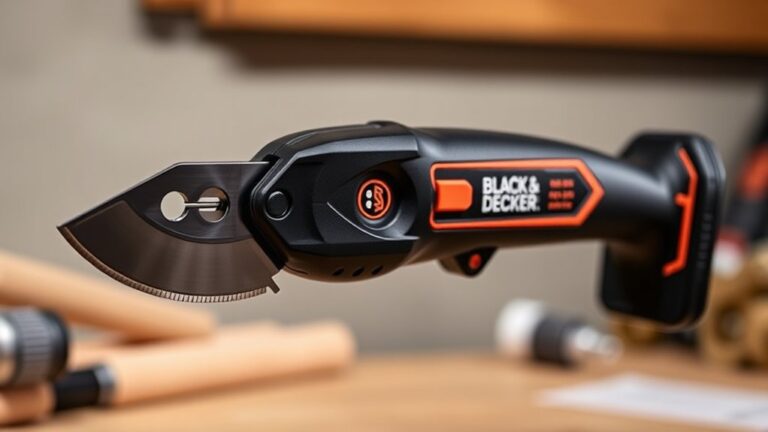
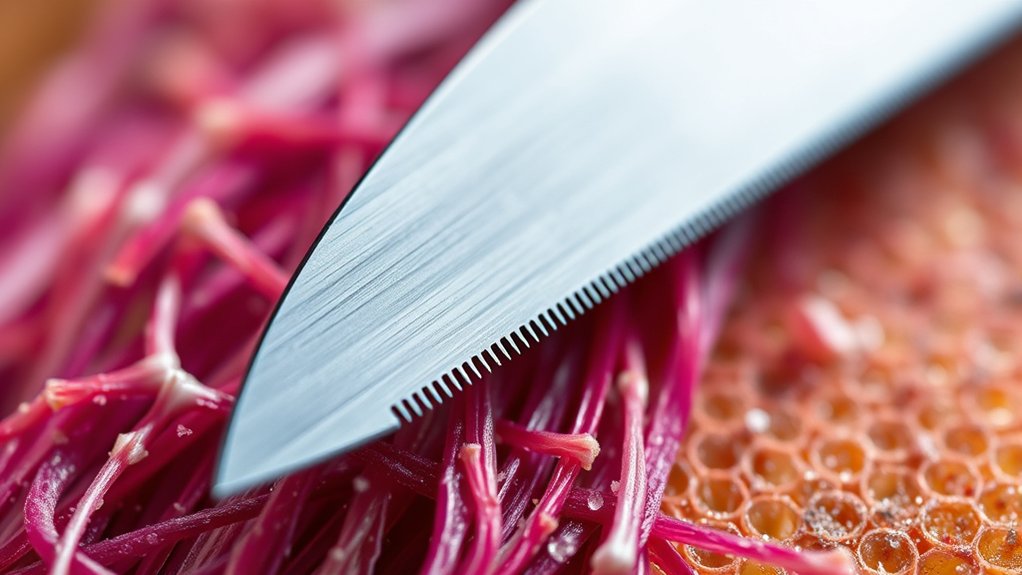
An HCS blade works by using sharp teeth that reciprocate back and forth, removing material and clearing debris through the gullets. Its flexible, high-carbon-steel body helps you follow curves and intricate shapes when cutting wood, plastic, drywall, cardboard, and other soft materials.
Choose tooth spacing and blade thickness based on the material and cut: coarse teeth cut quickly, while fine teeth produce cleaner results. Use steady pressure, secure your workpiece, and investigate more tips below.
Key Takeaways
- An HCS blade uses reciprocating teeth to remove material, creating a narrow kerf as it moves back and forth.
- Its high-carbon steel construction provides flexibility, durability, and suitability for softer materials like wood, plastic, and drywall.
- Tooth spacing determines performance: coarse teeth cut quickly, while fine teeth produce cleaner, more precise results.
- Thin blades create narrow cuts and follow curves, whereas thicker blades provide greater stability for demanding applications.
- Safe operation requires matching the blade to the material, securing the workpiece, controlling pressure, and inspecting blades regularly.
What Is an HCS Blade?
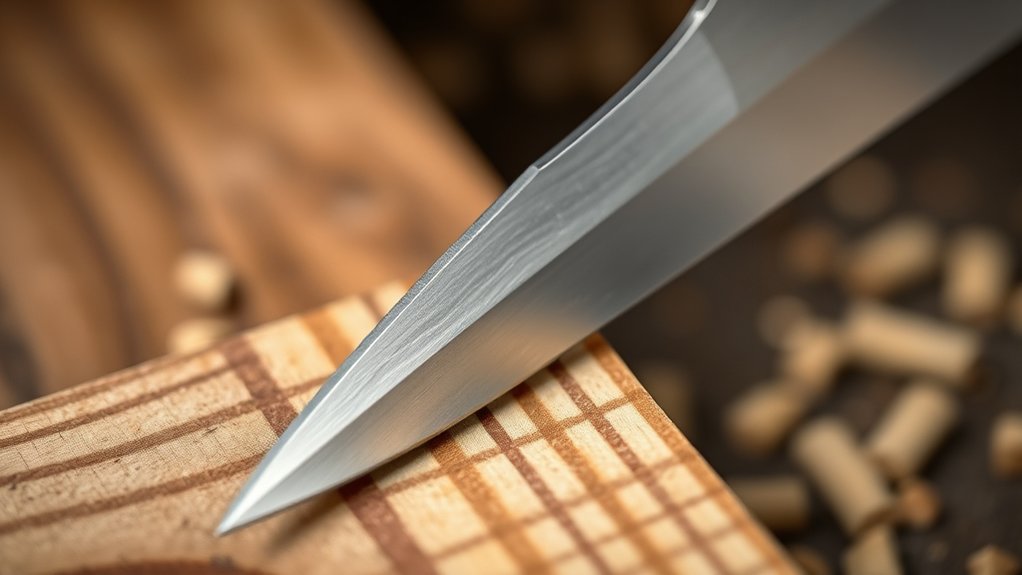
An HCS blade is a cutting tool made from high-carbon steel, a durable material that’s flexible and easy to sharpen. You’ll typically find it in hand saws, jigsaws, reciprocating saws, and other tools designed for controlled cutting tasks.
HCS blades offer flexible, durable, and easy-to-sharpen performance for controlled cutting with hand and power saws.
Its steel composition gives the blade a balance of toughness, affordability, and straightforward upkeep.
You can choose an HCS blade when you need to work with softer materials, including wood, plastic, drywall, and some composite boards. Check the blade’s tooth pattern and size before using it, because those features determine whether it suits your project.
Material compatibility matters: selecting an unsuitable blade can cause premature wear, rough results, or damage to the workpiece.
Good blade maintenance helps you get consistent service from your tool. Clean off resin and debris after use, inspect the teeth for damage, and store the blade in a dry place.
Replace it when sharpening no longer restores its condition.
How Does an HCS Blade Cut?
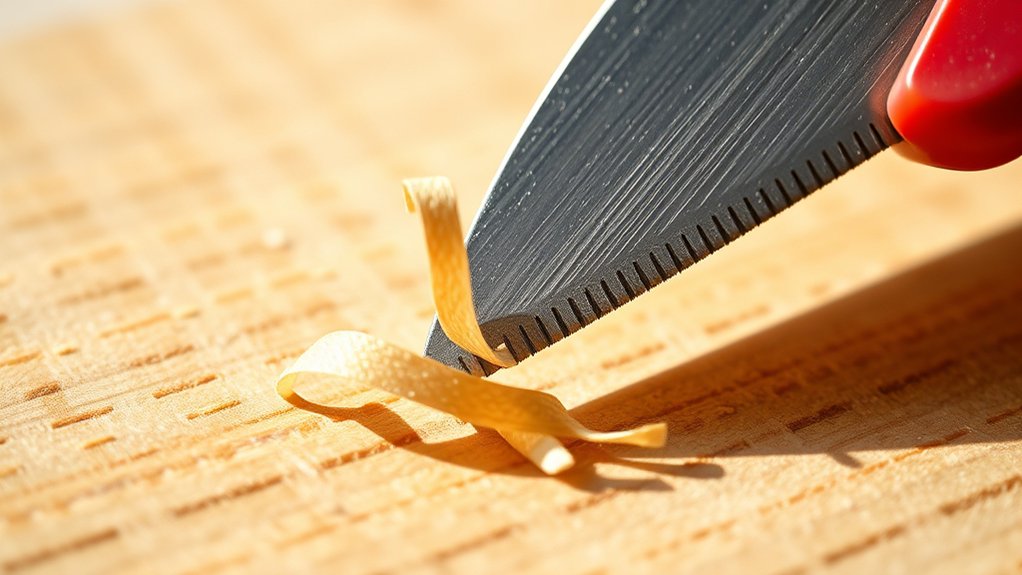
How does an HCS blade cut? Its teeth remove material as the reciprocating tool drives the blade forward and backward. Each stroke creates a narrow kerf, while the tooth spacing clears debris and maintains progress.
You’ll get smoother results when you match the blade’s tooth pattern and thickness to your tool’s speed and the material’s density.
| Cutting factor | What you control | Result |
|---|---|---|
| Stroke speed | Pressure and pace | Cleaner, steadier cuts |
| Tooth pattern | Spacing and profile | Faster material removal |
| Blade alignment | Straight, stable guidance | Reduced wandering |
Keep the blade perpendicular to your workpiece, and don’t force it through resistance. Excess pressure generates heat, increases vibration, and dulls teeth prematurely.
Let the reciprocating motion do the work instead. Tool maintenance also matters: inspect the blade, clean packed debris, and replace it when teeth lose their edge.
These habits protect cutting performance and extend Blade lifespan. Lubrication, when appropriate, can further reduce friction and heat during demanding cuts.
What Can HCS Blades Cut?
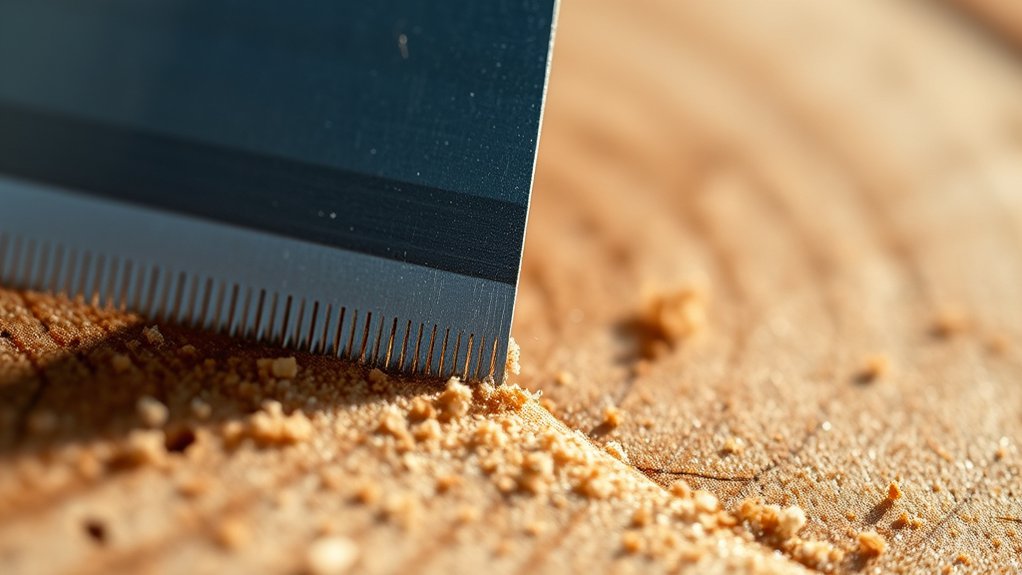
You can use HCS blades to cut wood and wood products efficiently. They’re also suitable for soft plastics when you choose the right tooth design and cutting speed.
Let’s take a closer look at how these blades perform on each material.
Wood and Wood Products
HCS blades cut wood and wood-based products efficiently because their high-carbon steel teeth are designed for softer materials. You can use them to cut pine, plywood, MDF, particleboard, hardwood, and laminated panels.
Choose a coarse-tooth blade for quick cuts in thick timber and a fine-tooth blade for smoother edges in thin boards or finished surfaces. Match the blade length and tooth pattern to your project, and guide your tool steadily without forcing it.
Excessive pressure can bend the blade, overheat the teeth, or splinter the workpiece. Secure each board before cutting, keep your hands away from the cutting path, and wear suitable eye protection as part of your Safety precautions.
Regular Tool maintenance, including cleaning teeth and checking for damage, helps you achieve consistent results and extends blade life.
Soft Plastic Materials
Soft plastic materials are another suitable application for HCS blades, especially vinyl, rubber, acrylic, and thin plastic sheets. You can use these flexible, high-carbon steel blades to make clean, controlled cuts without crushing delicate edges.
Choose a fine-tooth blade for thin sheets and a coarser option for thicker rubber or vinyl. Keep your speed moderate, and let the blade do the work; excessive pressure can melt, tear, or deform the material.
Secure each piece firmly before cutting, and support flexible sections to prevent vibration. HCS blades also help you prepare seams for plastic welding, producing straighter edges and better-fitting joints.
Inspect the teeth regularly, because dull edges create heat and rough finishes. Timely blade sharpening or replacement helps maintain accuracy and extends cutting performance.
How Does Carbon Steel Affect Cutting?
Carbon steel gives an HCS blade the flexibility and toughness needed to cut soft materials such as wood, plastic, and drywall. When you choose this blade, you get a material that can bend slightly without snapping, helping it handle vibration and occasional contact with hidden obstacles. Its toughness also supports repeated cutting, so you can complete common jobs without replacing the blade immediately.
Carbon steel remains relatively easy to manufacture and sharpen, which helps keep HCS blades affordable. However, it can rust when exposed to moisture, so you should wipe the blade clean and store it in a dry place after use. Light oil can add protection during storage.
Innovative blade coatings may improve corrosion resistance and reduce friction, while an ergonomic handle design helps you guide the tool comfortably. Although carbon steel suits soft materials well, you should select another blade material for demanding work involving hard metals, masonry, or prolonged high-heat cutting.
Why Tooth Design Matters in HCS Blades
Tooth shape and spacing play a big role in how efficiently your HCS blade removes material. Widely spaced teeth help you cut faster, while finer teeth give you better precision. Choosing the right design lets you balance cutting speed and control for the material you’re working with.
Tooth Shape and Spacing
Tooth shape and spacing determine how efficiently an HCS blade cuts, clears debris, and handles different materials. As you choose a blade, match its tooth design to your workpiece and cutting needs.
Coarse teeth offer wider gullets, helping you remove chips from soft wood or thicker materials. Fine teeth create smaller gullets and support cleaner cuts in thin wood, plastic, or composite sheets.
A variable tooth pattern combines different tooth sizes to balance smooth operation and effective debris removal.
- Choose coarse teeth for thick, soft materials.
- Select fine teeth for thin, delicate workpieces.
- Use variable spacing when materials or tasks vary.
Inspect teeth during blade maintenance, and replace the blade when they become rounded, chipped, or missing. Follow Safety precautions by disconnecting power before inspection and securing your workpiece firmly.
Cutting Speed and Precision
The right tooth design helps an HCS blade cut faster while keeping the cut precise. Fine, closely spaced teeth remove less material per tooth, so you’ll get smoother edges and better control in thin sheet metal, plastic, or wood.
Coarser teeth clear chips quickly and reduce clogging, helping you move faster through thicker materials. Choose the wrong pattern, though, and you may create vibration, rough edges, or excessive heat.
Match the tooth pitch to your material and thickness, then maintain steady pressure without forcing the blade. Blade sharpening keeps teeth effective, but replace the blade when sharpening can’t restore consistent cutting.
Cutting lubricants can reduce friction and heat, especially in metal, allowing cleaner cuts and longer blade life. With the right design, speed and precision work together.
How Blade Thickness Changes the Cut
HCS blade thickness affects how quickly you cut, how much material the blade removes, and how well it handles pressure. A thin blade creates a narrow kerf, so you’ll remove less material and make detailed cuts with lower resistance.
This design supports high Cutting efficiency when you work with wood, plastic, or other softer materials.
A thicker blade offers greater Blade durability and stability. You can apply more pressure without twisting, which helps you make straighter cuts through dense stock.
However, it removes more material and may require additional power, slowing your progress.
- Choose a thin blade for intricate shapes and minimal waste.
- Select a medium thickness for everyday woodworking and balanced control.
- Use a thick blade when stability and long service life matter most.
Your project, material thickness, and tool power should guide your choice. Match the blade to the job, and you’ll improve control, reduce strain, and achieve a cleaner result.
Always secure the workpiece before cutting for safer, more consistent performance.
When Flexible HCS Blades Work Best
Flexible HCS blades work best when you’re cutting curved surfaces and need smooth, controlled movement. They’re also a good choice for intricate shapes, since their flexibility helps you follow tight contours with ease.
These blades are especially useful for delicate materials. They reduce cutting stress, which helps prevent damage and gives you a cleaner result.
Curved Surface Cutting
When you need to cut curves, a flexible HCS blade helps you follow the material’s shape without binding or forcing the cut. Its high-carbon steel construction bends slightly, making it useful for plywood, softwood, plastic, and other materials with rounded surfaces.
Choose a narrow blade for tighter curves, and let the teeth do the work at a controlled speed. Excessive pressure can twist the blade, enlarge the kerf, or damage the surface.
- Keep the blade moving steadily through the curve.
- Support the workpiece to reduce vibration.
- Match tooth pitch to the material thickness.
Before cutting, inspect the blade for dull or damaged teeth. Good Blade maintenance improves control and extends service life.
Wear eye protection, secure loose clothing, and keep your hands away from the cutting path to maintain Cutting safety. If the blade begins to flex excessively, stop and reassess your technique.
Intricate Shape Cutting
For intricate shape cutting, a narrow, flexible HCS blade lets you steer through tight corners, cutouts, and changing directions with greater control. You can follow a marked outline smoothly, shaping wood, plastic, or composite materials without forcing the blade through sharp gradations.
Its slim profile reduces resistance, while material flexibility helps you adjust your path as the design changes. Although it won’t deliver literal Laser precision, careful hand control and steady feed pressure can produce remarkably accurate results.
Choose a blade with fine, evenly spaced teeth when you need clean edges and detailed contours. Keep your saw moving at a controlled pace, and let the blade’s shape do the shifting.
For complex patterns, drill starter holes where needed, then guide the blade between openings to preserve the design’s intended geometry.
Delicate Material Handling
Thin HCS blades work best on delicate materials because their flexibility helps you control the cut without applying excessive force. You can use them on veneer, thin plastic, cardboard, and softwood when a rigid blade might crack, tear, or splinter the workpiece.
Guide the saw steadily, choose a fine tooth pattern, and let the blade do the cutting instead of pushing it.
In Industrial applications, flexible HCS blades help produce clean results on lightweight panels, packaging materials, and craft components. Follow these Safety precautions:
- Clamp delicate pieces securely without crushing them.
- Wear eye protection and keep your hands clear.
- Match blade speed and tooth spacing to the material.
Test your settings on scrap first. If the blade bends excessively, reduce pressure, slow your feed, or switch to a supported cutting method for greater control.
HCS vs Bi-Metal: Which Blade Should You Choose?
Choose an HCS blade for softer materials and cleaner, faster cuts in wood, plastic, or drywall. Its high-carbon steel teeth flex slightly, helping you make controlled cuts without unnecessarily damaging delicate surfaces.
HCS blades also cost less, making them practical for occasional projects and routine interior work.
Choose a bi-metal blade when you need greater durability and broader cutting capability. It combines flexible steel with hardened high-speed steel teeth, so it resists heat, wear, and breakage during demanding cuts.
You can use it on wood containing nails, thicker plastics, sheet metal, and other tougher materials. However, bi-metal blades typically cost more and may cut softer materials less smoothly than HCS.
Your choice depends on the material and the expected workload. Compare blade materials before selecting a tool, then match your cutting techniques to the blade’s strengths.
Use HCS for precision and speed in soft materials. Choose bi-metal for versatility, longevity, and challenging applications.
How to Choose an HCS Blade
When selecting an HCS blade, match its tooth design, length, and thickness to the material and cut you need. Choose coarse teeth for fast cuts through soft wood, while finer teeth produce cleaner results in thin wood, plastic, or laminate. Check the blade’s shank type to guarantee it fits your saw securely.
Consider these factors before buying:
- Select a blade length that extends slightly beyond the workpiece without excessive flex.
- Choose greater thickness for straighter cuts and improved control, especially during demanding work.
- Compare tooth spacing with your material’s thickness to prevent clogging and rough edges.
HCS blades suit wood, plastic, and other softer materials, but they aren’t ideal for hardened metal. Prioritize Blade durability when you expect frequent use, and select a reinforced option if your projects require extra stability.
The right tooth pattern and dimensions improve Cutting efficiency, helping you finish faster while maintaining accurate results. Match the blade to your saw’s speed and intended application for dependable performance.
How to Use and Care for an HCS Blade
Use steady pressure and the correct speed to keep an HCS blade cutting smoothly without overheating. Match the blade’s tooth pattern and length to your material, then let the tool do the work. Don’t force the cut, twist the blade, or start at full speed. These actions can cause binding, splintering, or breakage. Support your workpiece securely and mark your cutting line before you begin.
Use the right blade, steady pressure, and controlled speed—never force or twist the cut, and always secure your workpiece.
Follow essential safety precautions: wear eye protection, keep your hands away from the cutting path, and disconnect power before changing or cleaning the blade. After use, remove resin, dust, and debris with a soft brush.
Don’t use harsh chemicals or excessive water, which can damage the blade or promote rust. Inspect the teeth and shank for wear, cracks, or bending, and replace the blade when cutting becomes difficult. Store clean blades in a dry case or holder.
Proper cleaning, storage, and handling improve blade longevity and maintain consistent performance.
Frequently Asked Questions
How Long Does an HCS Blade Typically Last?
You can expect an HCS blade to last from several hours to several days of regular use, though the exact lifespan depends on the material, cutting pressure, speed, and blade quality. Softer materials usually extend its life, while hardwood, metal, or abrasive surfaces wear it faster.
For better cutting efficiency, inspect teeth regularly, avoid forcing the blade, and follow proper blade maintenance practices. Replace it when cuts become slow, rough, or inaccurate.
Are HCS Blades Compatible With All Saw Brands?
Not always—your HCS blade’s compatibility depends on the saw’s connection system, size, and intended use. Before you buy, check whether your tool accepts a universal, T-shank, U-shank, or another fitting.
Then verify the blade’s length, thickness, and speed rating against your saw’s specifications. Choosing a properly matched blade helps protect safety and maintain cutting precision.
Never force an incompatible blade into place, even if it appears to fit.
Can HCS Blades Be Sharpened After Becoming Dull?
Yes, you can sharpen HCS blades after they become dull, but success depends on the blade’s condition and tooth design.
For effective blade maintenance, clean the teeth first and inspect them for cracks, missing points, or excessive wear. Use a fine file or sharpening stone while preserving each tooth’s original angle.
If teeth are damaged or heavily worn, replace the blade instead of attempting repairs.
How Should Used HCS Blades Be Disposed of Safely?
Place used HCS blades in a rigid, puncture-resistant container immediately after removal. Don’t toss loose blades into household trash or recycling bins, where they can injure workers.
Seal and label the container, then check your local regulations or contact a waste facility for accepted drop-off procedures. For recycling options, ask tool retailers or metal recyclers whether they accept these blades.
Follow disposal safety guidance, and wear gloves while handling damaged or contaminated blades.
Are HCS Blades Suitable for Professional, Heavy-Duty Applications?
Yes, you can use HCS blades for some professional applications, but they aren’t ideal for continuous, heavy-duty cutting. Their carbon-steel blade material works well on wood, plastics, and other soft materials, yet it wears quickly against metal, hardened materials, or abrasive composites.
Choose an appropriate cutting speed and avoid overheating to extend blade life. For demanding jobs, you’ll usually get better durability from bi-metal or carbide-tipped blades designed for sustained professional use.
Conclusion
Choose an HCS blade when you need clean, controlled cuts through softer materials such as wood, plastic, or drywall. Its carbon-steel body gives you flexibility, while the tooth design determines speed and finish.
Match the blade to your material, use steady pressure, and don’t force the cut. With proper care, an HCS blade works like a dependable guide, helping you move smoothly from rough beginnings to precise results on every project you tackle.