7 Tips to Keep Pack Rats Out of Your Car Engine
If you’ve ever found yourself dealing with unexpected car troubles caused by pesky pack rats, you’re not alone. Many people struggle with these critters making a cozy home in their car engine, leading to costly damage and frustration. The good news is there are effective ways to keep pack rats out and protect your vehicle.
To keep pack rats out of your car engine, seal all gaps and entry points around wiring, vents, and firewall to block access. Remove nesting materials like leaves and trash near your vehicle and keep the engine bay clean.
Use natural repellents like peppermint oil or dryer sheets, and consider electronic devices that emit ultrasonic sounds to deter rodents.
Park in well-lit areas and inspect regularly for signs like noises or droppings. Uncover more ways to protect your car engine effectively.
Key Takeaways
- Seal all engine bay gaps, vents, and wiring entry points using mesh screens, silicone, or rubber grommets to block pack rat access.
- Regularly clean the engine bay and remove debris, nests, or food remnants to eliminate attractants and nesting materials.
- Use natural repellents like peppermint, eucalyptus oil, dryer sheets, or crushed garlic near the engine bay to deter pack rats.
- Install ultrasonic or electronic rodent repellents that emit high-frequency sounds and vibrations to discourage pack rats from settling.
- Park in well-lit, open areas and store vehicles in rodent-free environments to reduce the likelihood of pack rat infestations.
Why Do Pack Rats Choose Engine Bays as Their Nesting Spot?
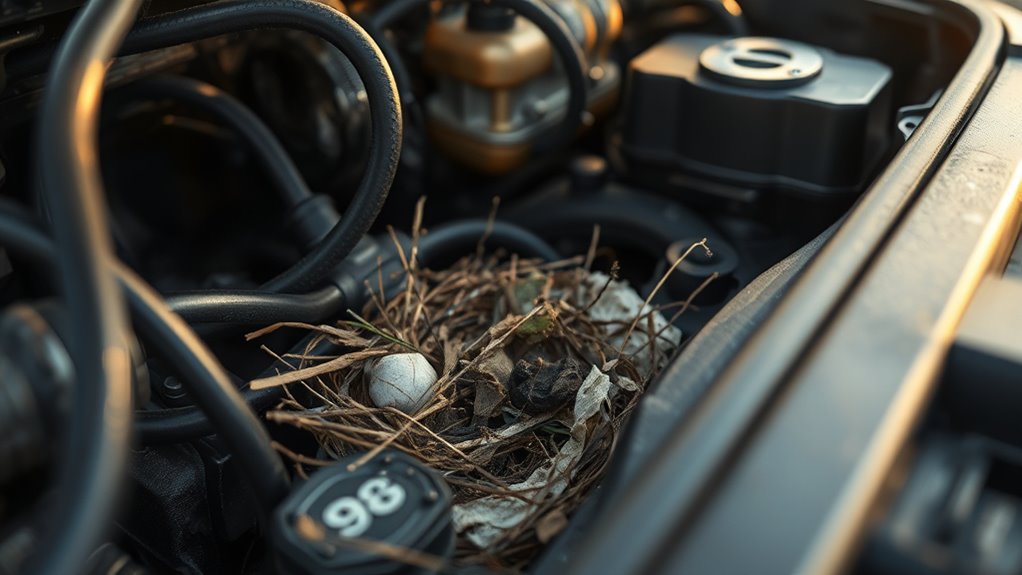
Because engine bays provide warmth and shelter, pack rats often choose them as nesting spots. Their nesting behavior is driven by the need for a safe, cozy place to raise their young and store food. Engine bays offer protection from predators and harsh weather, making them particularly attractive.
You should also know that pack rats are opportunistic feeders. They’re drawn to areas near food sources, and cars parked near trash bins or gardens with fruits and seeds become prime targets. The engine bay’s confined space allows them to stash materials like leaves and twigs to build nests, while nearby food sources sustain them.
Understanding this behavior is key to preventing infestations. When you realize why engine bays appeal to pack rats, you can better protect your vehicle by removing attractants and securing your parking area to discourage their nesting behavior.
How to Spot Signs of Pack Rats in Your Car Engine?
You’ll want to listen for unusual noises coming from your engine—things like scratching or scurrying sounds. It’s a good idea to check under the hood too, keeping an eye out for visible nesting materials such as twigs, leaves, or even shredded fabric. Also, pay attention to any strange odors in the engine compartment, since those can be a sign that pack rats have made themselves at home.
Unusual Noises Detection
One of the earliest signs of pack rats nesting in your car engine is hearing unusual noises when you start or drive your vehicle. Listen carefully for any odd engine noise that doesn’t belong. This could be faint scratching, scurrying, or even rodent chatter coming from under the hood.
These sounds often occur when the engine is running, as pack rats move around or chew on wires. If you catch these noises, don’t ignore them. They’re a strong indicator that rodents have taken up residence.
Early detection helps you address the problem before they cause serious damage. Make it a habit to listen closely during startup and while driving so you can spot the presence of pack rats through these unusual noises early on.
Visible Nesting Materials
When pack rats invade your car engine, they leave behind visible signs like shredded leaves, twigs, or bits of fabric tucked into tight spaces. These nest materials are often found near wiring, air filters, or inside the engine bay corners.
Keep an eye out for small piles of debris that don’t belong, as pack rats use whatever’s handy to build cozy nests. They’re attracted to your car because it offers shelter and possible food sources, like crumbs or spilled snacks.
Checking for these materials regularly helps you spot an infestation early before damage occurs. If you find nest materials, remove them promptly and clean the area thoroughly. Doing this reduces the chance of pack rats settling in and protects your engine from costly repairs.
Engine Compartment Odors
Spotting nest materials is a clear indicator that pack rats have made themselves at home. But another sign you shouldn’t ignore is unusual odors coming from your engine compartment.
These smells often result from urine or droppings, which emit a strong, musky scent that’s hard to miss. Recognizing these odors early can save you from costly car maintenance down the line.
Understanding wildlife behavior helps, as pack rats tend to mark their territory and create nests in warm, sheltered spaces like your engine bay. If you notice a persistent, unfamiliar smell, take a close look under the hood.
Addressing these signs promptly not only protects your vehicle but also deters further wildlife intrusion, keeping your car safe and odor-free.
How to Seal Common Entry Points Around Your Engine
Since pack rats can squeeze through surprisingly small gaps, you need to carefully inspect and seal common entry points around your engine. Start by checking the engine insulation for any tears or loose areas where rats could slip in. Repair or replace damaged insulation to block their access effectively.
Next, pay close attention to ventilation vents, which can be tempting entry points. Cover these vents with fine mesh screens that still allow airflow but keep rodents out. Also, examine wiring harnesses and hoses for gaps or openings and seal them with weather-resistant materials like silicone sealant or rubber grommets.
Don’t forget to check around the firewall and under the hood edges, as these spots often have unsealed gaps. By thoroughly sealing these common entry points, you’ll create a much less inviting environment for pack rats, protecting your engine from damage and costly repairs.
How to Use Natural Pack Rat Deterrents for Your Car Engine
Although sealing entry points is essential, you can boost your protection by using natural pack rat deterrents around your car engine. Natural repellents, especially scent deterrents, create an environment pack rats find unpleasant, discouraging them from nesting.
You can use essential oils like peppermint, eucalyptus, or citronella, applying them to cotton balls placed near your engine bay. Regularly invigorating these scents keeps their effectiveness strong.
Here’s a quick guide to some natural scent deterrents and their application:
| Natural Repellent | Application Tip |
|---|---|
| Peppermint Oil | Soak cotton balls, place in engine bay |
| Eucalyptus Oil | Spray diluted mixture on engine parts |
| Citronella | Use citronella candles nearby |
| Garlic | Crushed cloves near entry points |
| Dryer Sheets | Tuck into vents or crevices |
How Electronic Repellents Keep Pack Rats Out of Your Engine
While natural repellents rely on scent to keep pack rats away, electronic repellents use sound and vibrations to create an uncomfortable environment for these pests. Electronic deterrents emit high-frequency noises and subtle vibrations that disrupt rodent behavior, making your car engine an unwelcoming place.
Since pack rats rely heavily on their sensitive hearing and tactile senses, these devices interfere with their ability to navigate and settle in your engine compartment.
You can install electronic deterrents easily in your engine bay, powering them through your car’s electrical system or batteries. These repellents work continuously, offering a hands-free method to discourage rodents without harmful chemicals or traps.
Keep in mind that effectiveness varies, so pairing electronic deterrents with other prevention strategies improves your chances of keeping pack rats away. By understanding rodent behavior and using these devices correctly, you’ll protect your engine from costly damage caused by pack rat nesting and chewing.
How Regular Engine Cleaning Helps Prevent Rodent Damage
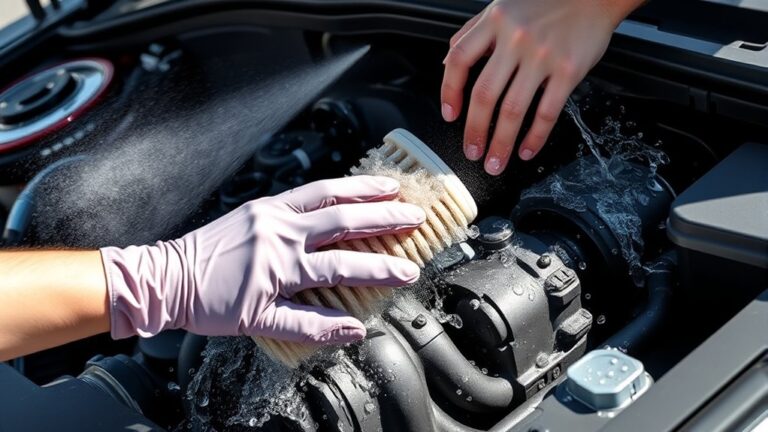
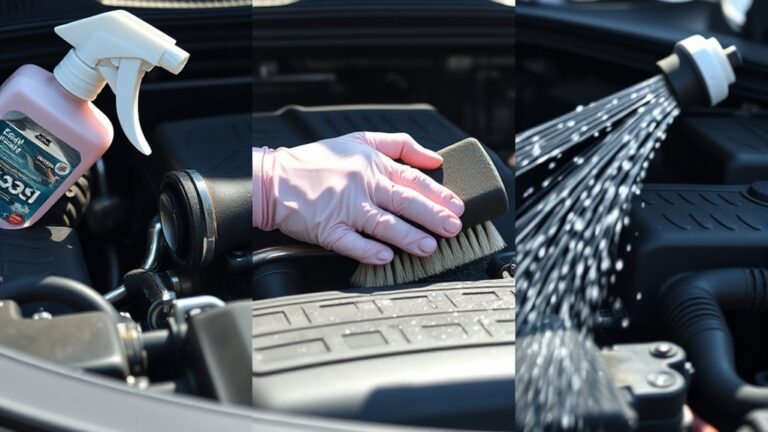
Keeping your engine clean removes potential hiding spots and food sources that attract pack rats. When you regularly clean your engine bay, you eliminate debris like leaves, twigs, and spilled food particles that rodents find inviting. This simple step plays a crucial role in engine maintenance and rodent prevention by reducing the chances of pack rats nesting or chewing on wires and hoses.
Make it a habit to inspect and clean your engine area every few weeks, especially if you park outdoors or in rodent-prone areas. Use a gentle brush and appropriate cleaning solutions to avoid damage. Keeping the engine compartment tidy also helps you spot early signs of rodent activity, like droppings or gnaw marks, so you can act quickly before serious damage occurs.
What to Do If You Find Pack Rats in Your Car Engine
If you uncover pack rats in your car engine, act quickly to prevent extensive damage. First, avoid starting your car to reduce the risk of harming the animals or worsening the problem. Understand rodent behavior. They seek warmth and shelter, especially in engine compartments.
Next, wear gloves and carefully inspect the engine area for nests, chewed wires, or droppings. Remove any nests and debris you find. Consider humane traps if the rats are still present.
Wear gloves to inspect and remove nests or debris, and use humane traps if rats remain.
After clearing the area, thoroughly clean the engine bay as part of regular car maintenance to discourage return visits. Finally, check for damaged wiring or insulation and get prompt repairs to avoid costly fixes.
To prevent future infestations, use deterrents like rodent repellents or ultrasonic devices and park in well-lit or open areas. Acting swiftly and maintaining your vehicle can save you time, money, and stress caused by pack rat intrusions.
Frequently Asked Questions
Can Pack Rats Cause Electrical Problems in My Car?
Yes, pack rats can cause electrical problems in your car by chewing on wires and damaging components. To prevent this, you need to use effective rodent proofing techniques, like sealing entry points and using deterrents.
Regular engine compartment maintenance helps you spot damage early and keep your car safe. By staying proactive with these steps, you’ll reduce the risk of costly electrical issues caused by pack rats invading your engine area.
Are Pack Rats Attracted to Specific Car Brands or Models?
You won’t find pack rats favoring specific car model preferences or showing brand influence. They’re drawn more to shelter, warmth, and accessible food sources than to particular car brands or models.
Whether it’s a sedan, SUV, or truck, pack rats look for cozy engine compartments or hidden nooks. So, don’t worry about your car’s make; focus instead on keeping your vehicle clean and sealed to discourage these critters from making it their home.
How Long Does It Take for Pack Rats to Damage Engine Wiring?
Pack rats can cause engine wiring damage in just a few days if left unchecked. You’ll want to act quickly by using rodent proofing techniques like sealing gaps, placing deterrents, or applying protective coatings to wires. The sooner you implement these methods, the better you’ll protect your car from costly repairs.
Don’t wait until you notice damage. Prevention is key to keeping your engine safe from persistent pack rats.
Can Pets Help Deter Pack Rats From My Vehicle?
Imagine your loyal dog patrolling the driveway, nose twitching as it sniffs out intruders. Yes, pets can help as natural deterrents against pack rats near your vehicle. Their presence and scent often discourage rodents from settling in.
However, don’t rely solely on pets. Combine their help with humane trapping methods to safely remove any pack rats already nesting. This way, you protect your car without harming the critters.
Is It Safe to Drive Immediately After Removing Pack Rats?
You shouldn’t drive immediately after removing pack rats from your engine compartment. First, thoroughly inspect for any damage or nests that might interfere with your vehicle’s operation.
Rodents can chew wires or leave debris that causes issues. Once you’ve confirmed everything is clear and safe, you can drive. Taking these steps helps prevent further problems and supports effective rodent prevention in the future.
Conclusion
Keeping pack rats out of your car engine is essential. Did you know rodents cause over $1 billion in vehicle damage yearly?
By sealing entry points, using natural deterrents, and regularly cleaning your engine, you’ll greatly reduce the risk of costly repairs. Electronic repellents add an extra layer of protection, too.
If you do find signs of pack rats, act quickly to prevent further damage. With these tips, you’ll keep your engine safe and rodent-free, effectively keeping pack rats out of your car engine.