7 Tips to Keep Pack Rats Out of Your Car Engine
If you’ve ever found signs of pack rats nesting in your car engine, you’re not alone. Many people struggle with these persistent rodents causing damage that leads to costly repairs. Keeping pack rats out of your car engine is a common challenge, but with the right approach, you can protect your vehicle effectively.
To keep pack rats out of your car engine, start by sealing all entry points like wire harness holes and vents with mesh and caulk. Clean your engine bay regularly to remove food and debris that attract rodents. Use natural repellents like peppermint oil and shield wires with protective tubing.
Park in well-lit areas away from brush or debris. Set up traps or ultrasonic deterrents, and inspect your car often for early signs of damage. With these steps, you’ll protect your vehicle and avoid costly repairs, and there’s even more effective strategies to examine.
Key Takeaways
- Regularly inspect the engine bay for gnaw marks, nesting materials, and droppings to detect pack rat activity early.
- Seal entry points around wires, vents, and undercarriage panels using steel mesh, silicone caulk, and expanding foam.
- Maintain a clean engine bay by removing grease, debris, food crumbs, and trash. This helps reduce rodent attraction.
- Use natural repellents like peppermint oil sprays and physical barriers such as wire mesh to protect wiring from gnawing.
- Park in well-lit, open areas away from debris piles, overgrown grass, and dense vegetation to deter pack rats.
Understand How Pack Rats Damage Your Car Engine
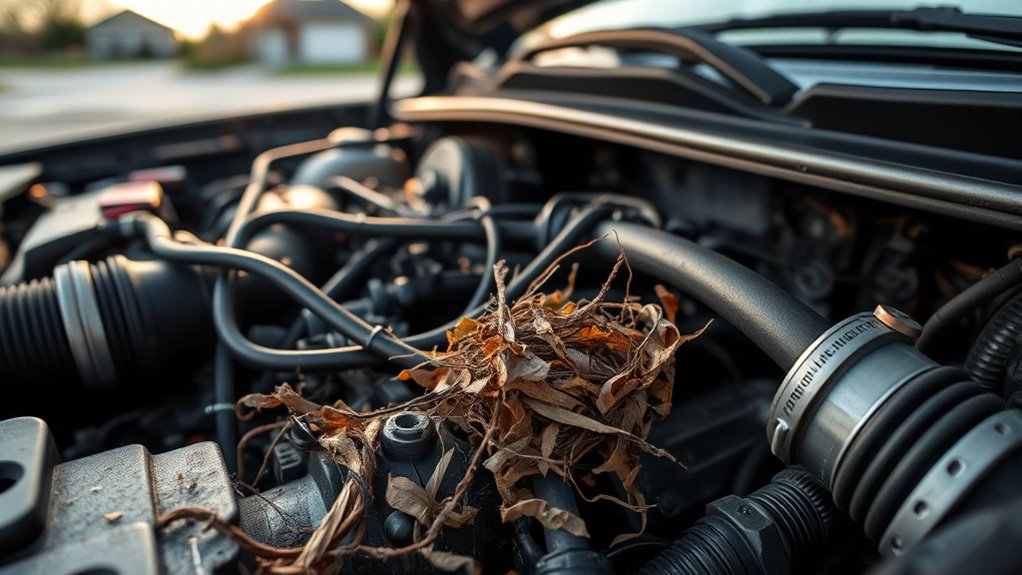
Although pack rats might seem harmless, they can cause serious damage to your car engine by chewing through wires, hoses, and insulation. Understanding rodent behavior is key to engine damage prevention.
Pack rats are attracted to your engine bay because it offers warmth and shelter, especially during colder months. They’re naturally inclined to gnaw on materials to keep their constantly growing teeth in check, which puts your vehicle’s electrical systems and fuel lines at risk.
If you don’t catch the problem early, you could face costly repairs or even a breakdown. By recognizing the signs, like chewed wires or nesting materials, you can take timely action to protect your car. Staying aware of how pack rats operate helps you implement effective prevention strategies before serious damage occurs.
Knowing this, you’re better equipped to keep your engine safe and maintain your vehicle’s reliability.
Seal Entry Points to Keep Pack Rats Out
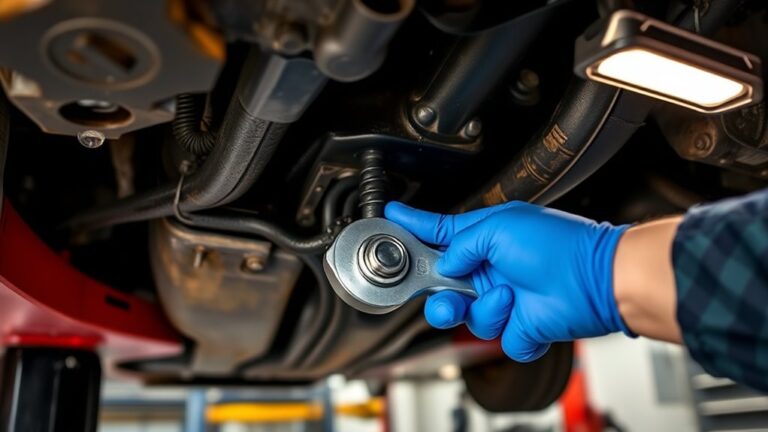
When pack rats find any gaps or openings, they’ll quickly squeeze into your engine bay, so you need to seal all entry points tightly. Check for holes around wires, vents, and undercarriage panels. Using effective sealing techniques like steel mesh, silicone caulk, or foam sealant helps block their access without damaging your car.
Here’s a quick guide to common entry points and recommended sealing techniques:
| Entry Points | Sealing Techniques |
|---|---|
| Wire harness holes | Steel mesh + silicone caulk |
| Air vents | Stainless steel mesh |
| Undercarriage gaps | Expanding foam sealant |
Make sure you inspect and maintain these seals regularly, as pack rats can chew through weaker materials. By staying proactive with sealing entry points, you’ll keep these pests from nesting and causing costly damage in your engine bay.
Use Natural Repellents to Deter Pack Rats
You can keep pack rats away by using natural repellents like essential oils because they find the smell unpleasant. For example, try making simple homemade sprays with ingredients like peppermint or eucalyptus oil. These create an effective barrier that pack rats tend to avoid.
Just make sure to apply the sprays safely and don’t forget to reapply them regularly. That way, you’ll keep their power strong and your space pack-rat free!
Essential Oils That Work
Since pack rats dislike strong scents, using essential oils can be a natural and effective way to keep them away from your car engine. Essential oils like peppermint, eucalyptus, and citronella are proven natural repellents that deter these rodents without harming them.
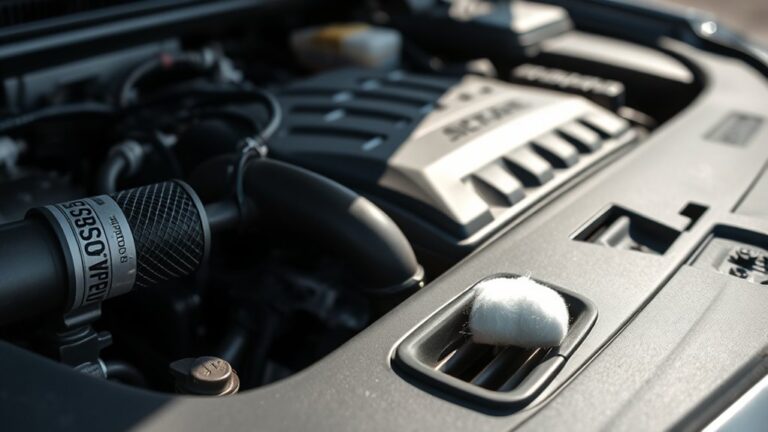
You can apply a few drops of these oils on cotton balls and place them around your engine bay or near entry points to create an unpleasant environment for pack rats. Remember to refresh the cotton balls regularly, as the scent fades over time.
Using essential oils lets you avoid harsh chemicals while still protecting your vehicle. Plus, their pleasant aroma is a bonus for you. Incorporate these natural repellents into your routine to keep pack rats at bay and protect your car engine efficiently.
Homemade Repellent Recipes
Building on the power of natural scents, homemade repellent recipes offer a practical way to keep pack rats away from your car engine. These DIY solutions use common household ingredients, making pest control affordable and eco-friendly.
You can easily whip up a batch and apply it around your vehicle to create a scent barrier pack rats avoid. Try these effective homemade repellents:
- Mix peppermint oil with water in a spray bottle for a fresh, strong scent.
- Combine crushed garlic and water to deter rodents with a pungent odor.
- Blend cayenne pepper and water, spraying around the engine compartment.
- Use vinegar-soaked cotton balls placed near entry points for a natural barrier.
Using these recipes regularly helps maintain an unwelcoming environment without harsh chemicals.
Application Tips And Safety
When applying natural repellents to deter pack rats, taking proper safety precautions guarantees effectiveness without risking harm to yourself or your vehicle. Before starting, make sure your engine is cool to avoid burns or accidental damage during engine maintenance.
Use gloves to protect your skin from irritants found in some natural ingredients. Apply repellents around entry points and nesting spots, focusing on areas where rodent behavior suggests frequent activity, like wiring or air filters.
Reapply repellents regularly, especially after rain or engine cleaning, to maintain their potency. Avoid spraying directly on sensitive engine parts to prevent corrosion or malfunction.
Keep Your Engine Bay Clean to Deter Rodents
Although rodents are resourceful, you can reduce their interest in your car by keeping the engine bay spotless. Regular engine maintenance not only improves performance but also discourages pack rats from nesting. A clean engine bay removes food crumbs, nesting materials, and hiding spots that attract them.
Plus, it boosts your car’s aesthetics by preventing grime buildup and corrosion.
To keep your engine bay clean and rodent-free:
- Wipe down surfaces regularly to remove grease and debris
- Seal any gaps or holes where rodents might enter
- Avoid leaving food wrappers or trash in the car
- Use a mild degreaser during cleaning to eliminate scents rodents follow
Choose Parking Spots Away From Rodent Hotspots
You’ll want to look out for common rodent hangouts like piles of debris or overgrown grass before you park. Also, picking a well-lit spot can help keep pack rats away since they usually prefer dark, quiet places. So, by choosing your parking spot wisely, you’re cutting down the chances of those unwanted visitors nesting in your engine.
Identify Common Rodent Areas
Since rodents tend to nest in specific areas, choosing where you park can considerably reduce the chance of them crawling into your engine. You want to be aware of common rodent habitats near your parking spots. These areas attract pack rats searching for shelter and warmth, which can lead them to your engine compartment through under hood vents.
Watch out for:
- Overgrown vegetation or thick bushes close to your parking spot
- Woodpiles or stacked debris where rodents like to hide
- Nearby trash bins or compost piles that attract rodents
- Quiet, undisturbed corners around buildings or fences
Opt For Well-Lit Spots
When you park in well-lit areas, you reduce the chances of pack rats feeling safe enough to approach your car. Lighting ambiance plays a crucial role in deterring these rodents because they prefer dark, quiet spots to hide and nest.
By choosing your parking spots wisely, you can improve your parking strategies and protect your vehicle. Always avoid areas near dense bushes or piles of debris, which are rodent hotspots.
| Lighting Ambiance Benefits | Parking Strategies Tips |
|---|---|
| Bright lights deter rodents | Park away from shrubbery |
| Reduces rodent hiding spots | Choose spots near streetlights |
| Improves visibility | Avoid secluded, dark areas |
Use well-lit, open spaces to keep pack rats from making your engine their home.
Set Up Rodent Deterrent Devices for Added Protection
Although rodents are clever at finding hiding spots in your car engine, setting up rodent deterrent devices can considerably reduce their chances of making themselves at home. You can protect your vehicle by strategically placing devices designed to discourage rodents from nesting or chewing wires.
Rodents are cunning, but well-placed deterrents can keep them from nesting or damaging your car engine.
Here are some effective deterrent options to contemplate:
- Rodent traps: Use snap or live traps around your parking area to catch pack rats before they get inside your car.
- Ultrasonic devices: These emit high-frequency sounds that are unpleasant to rodents but inaudible to humans, keeping them away without harm.
- Rodent repellent sprays: Apply natural or chemical repellents around the engine bay to create an uninviting environment.
- Protective wiring covers: Shield your car’s wiring harnesses with wire mesh or tubing to prevent gnawing damage.
Regularly Inspect Your Car to Spot Rodent Damage Early
While rodent deterrent devices can reduce the chances of pack rats invading your engine, they’re not foolproof. That’s why regularly inspecting your car is essential for early detection of any rodent damage.
Pack rats often chew on wires, hoses, and insulation, which can lead to costly repairs if unnoticed. By making engine maintenance a routine habit, you can catch these issues before they escalate.
Pay close attention to signs like gnaw marks, nesting materials, or unusual smells, as these indicate rodent behavior around your engine compartment. Check under the hood frequently, especially after your car has been parked for extended periods.
Early detection not only saves you money but also prevents breakdowns caused by damaged components. Staying proactive with inspections complements your other preventive measures and guarantees your vehicle remains safe from pack rat damage.
Frequently Asked Questions
Can Pack Rats Cause Damage to Other Parts of My Car?
Yes, pack rats can definitely cause damage to other parts of your car beyond the engine. They chew on wiring, insulation, and hoses, which can lead to costly repairs.
To guarantee rodent prevention and effective car protection, you should regularly inspect your vehicle and use deterrents like peppermint oil or ultrasonic repellents. Taking these steps helps you avoid unexpected damage and keeps your car running smoothly.
Are There Specific Seasons When Pack Rats Are More Active?
Wonder if pack rats follow a seasonal migration pattern? Yes, they do. Pack rats tend to be more active during warmer months when the climate influences their behavior, prompting them to search for food and nesting spots.
Cooler seasons usually see reduced activity since they seek shelter and conserve energy. Understanding this climate influence helps you anticipate when pack rats are most likely to be around, so you can better protect your car or property.
How Effective Are Ultrasonic Devices Against Pack Rats?
Ultrasonic deterrents can be somewhat effective against pack rats, but their success varies. When you compare effectiveness, these devices usually work best as part of a broader strategy rather than alone.
Pack rats can get used to the sound over time, reducing the deterrents’ impact. So, don’t rely solely on ultrasonic deterrents; combine them with other methods like sealing entry points or using natural repellents for better results.
Can Pack Rats Chew Through Car Wiring Insulation?
Yes, pack rats can chew through car wiring insulation, causing serious damage. To protect your vehicle, you need to focus on rodent proofing methods like using wire mesh or specialized tape designed for car wiring protection.
You should also keep the engine bay clean and use deterrents to discourage them. Taking these steps helps you avoid costly repairs and keeps your car wiring safe from persistent pack rats.
What Are Signs of Pack Rat Infestation Besides Engine Damage?
You’ll notice signs of pack rat infestation beyond engine damage by spotting nest building around your property, often made from twigs, leaves, and other debris. You might also find food storage areas where they hoard seeds, nuts, or pet food.
Listen for scratching noises at night and watch for droppings near entry points. These clues signal pack rats are nearby, so act quickly to prevent more damage.
Conclusion
Did you know rodents cause over $1 billion in vehicle damage annually? That’s why keeping pack rats out of your car engine is essential.
By sealing entry points, using natural repellents, and parking smartly, you’ll protect your engine from costly repairs. Stay vigilant with regular inspections and keep your engine bay clean to discourage these pesky invaders.
Taking these simple steps can save you time, money, and frustration down the road. Remember, keeping pack rats out of your car engine is key to avoiding unwanted damage and expensive fixes.