Learn About Cars and Engines Step by Step
If you’ve ever felt overwhelmed trying to understand how your car’s engine works, you’re not alone. Many people struggle with the complex parts and processes that keep their vehicles running smoothly. Whether you want to save money on repairs or just feel more confident about your car, learning the basics can make a big difference.
You’ll start by understanding how fuel and air mix in the cylinders for controlled explosions that move pistons and power your car. You’ll learn about key engine parts like the crankshaft, camshaft, and cooling system, which keeps everything from overheating.
Spotting early engine issues and doing simple maintenance yourself can save you time and money.
Plus, you’ll find out how checking fluids regularly helps extend your engine’s life and keeps your car running smoothly. There’s plenty more to investigate when it comes to learning about cars and engines step by step.
Learn About Cars and Engines Key Takeaways
- Understand how fuel and air mix in cylinders to create controlled explosions that move pistons and generate mechanical energy.
- Learn the roles of major engine parts like the crankshaft, camshaft, and cylinder block in converting combustion into vehicle motion.
- Study the cooling system’s function in heat dissipation, including the radiator, thermostat, and cooling fan for engine temperature regulation.
- Recognize engine oil’s role in lubrication, how to detect problems early, and perform basic DIY maintenance like checking filters and belts.
- Maintain engine fluids by regularly checking oil and coolant levels, preventing leaks, and ensuring proper fluid quality for engine longevity.
How Car Engines Convert Fuel Into Motion
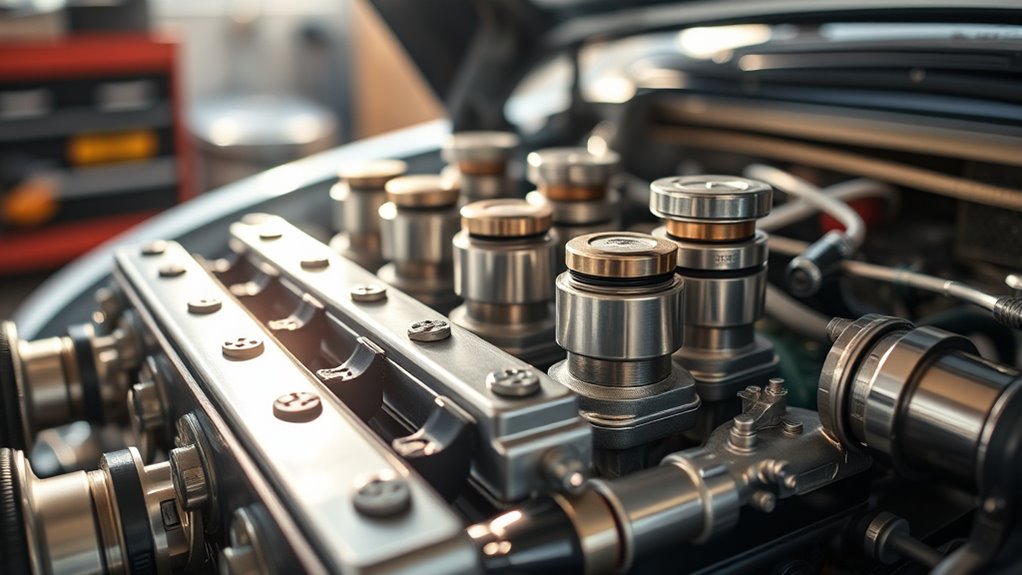
Although it might seem complex, understanding how car engines convert fuel into motion is simpler than you think. When you turn the key, fuel mixes with air inside the engine’s cylinders, creating a controlled explosion. This explosion pushes pistons, which move the crankshaft and ultimately power your car’s wheels.
You’ll notice the engine sound changes with the speed and load because these explosions happen rapidly and rhythmically.
Modern cars also use emission control systems to reduce harmful pollutants from these explosions. These systems clean exhaust gases before they leave your tailpipe, helping protect the environment without sacrificing engine performance.
Key Parts of a Car Engine and What They Do
Now that you get how engines turn fuel into motion, let’s check out the major parts that make it happen. Each component has its own job that keeps the engine running smoothly. You’ll see how these parts work together to power your car.
Major Engine Components
How do all the parts inside a car engine work together to make your vehicle run? Major engine components like the cylinder block, pistons, crankshaft, and camshaft coordinate to convert fuel into motion.
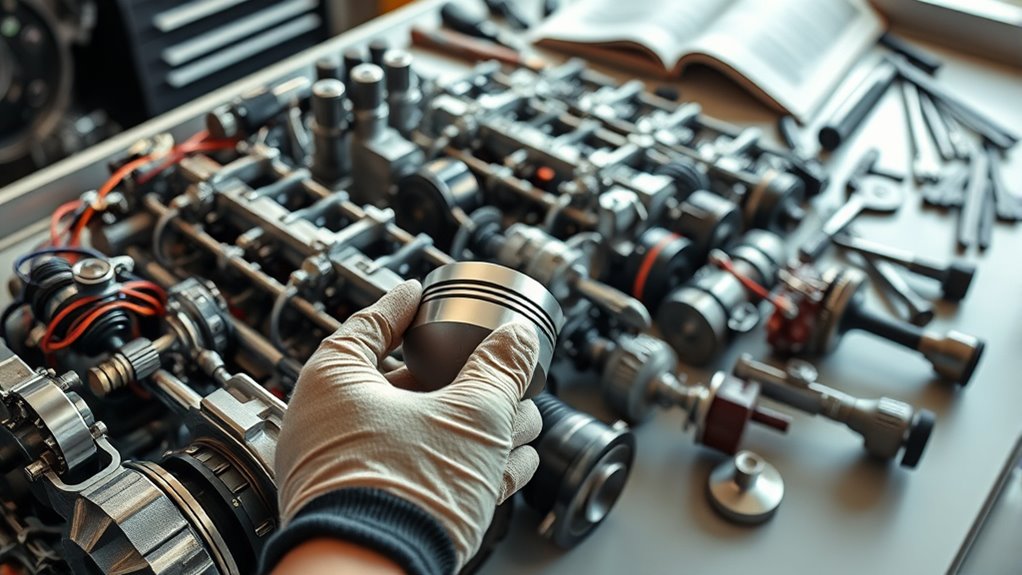
The cylinder block houses the cylinders where combustion happens, moving pistons up and down. The crankshaft then transforms this linear motion into rotational force that powers your wheels.
Meanwhile, the camshaft controls valve timing, essential for efficient air-fuel intake and exhaust release. You might notice engine noise when parts aren’t synchronized properly.
Emission control systems also play a significant role by reducing harmful gases from combustion. Understanding these key components helps you appreciate how your engine operates smoothly and meets environmental standards, keeping your car performing well and eco-friendly.
Functions of Engine Parts
What role does each engine part play in keeping your car running smoothly? Understanding their functions helps you spot issues like unusual engine noise or emissions control problems early. Here’s a quick breakdown:
- Cylinder: This is where fuel combusts, powering your car.
- Piston: It moves up and down inside the cylinder, converting combustion into mechanical energy.
- Crankshaft: It transforms piston movement into rotational force, driving the wheels.
- Camshaft: Controls valve timing to let air and fuel in and exhaust gases out. This part is essential for reducing engine noise and ensuring proper emissions control.
How Fuel and Air Work Together to Power Your Car
You’ll see that fuel and air work together inside your engine to create power through combustion. Getting the right air-fuel mixture is super important because it controls how efficiently your car runs. So, let’s take a closer look at how this process actually powers your car’s movement.
Fuel Combustion Process
Ever wondered what actually happens under the hood when you press the gas pedal? The fuel combustion process is what powers your car, turning fuel into energy through a precise sequence. Here’s how it works:
- Fuel injection sprays a fine mist of fuel into the engine’s combustion chamber.
- The fuel mixes with air, preparing for ignition.
- A spark ignites the mixture, causing a controlled explosion that pushes the piston down.
- Emission control systems manage exhaust gases, reducing pollutants released into the environment.
This process repeats thousands of times per minute, creating the power you feel as acceleration. Understanding fuel combustion helps you appreciate the engineering behind your car’s performance and environmental care.
Air-Fuel Mixture Role
The fuel combustion process depends heavily on the right balance of air and fuel to generate power efficiently. This balance, called the air fuel ratio, guarantees your engine runs smoothly without wasting fuel or producing excess emissions. The carburetor function is vital here. It mixes the air and fuel before combustion.
When the ratio is off, your car might stall, run rich, or lose power.
Here’s a quick look at how different air-fuel ratios affect your engine:
| Air-Fuel Ratio | Engine Condition | Carburetor Role |
|---|---|---|
| 14.7:1 | Ideal combustion | Proper mixing |
| >14.7:1 | Lean mixture | More air, less fuel |
| <14.7:1 | Rich mixture | More fuel, less air |
| Too lean | Overheating | Adjust carburetor flow |
| Too rich | Carbon buildup | Reduce fuel supply |
What Happens Inside the Engine During Combustion
How exactly does combustion power your car’s engine? It all starts inside the cylinder, where the air-fuel mixture ignites. This combustion generates expanding gases that push the piston down, creating mechanical energy. You’ll notice engine noise change with how precisely the combustion timing is controlled. This timing ensures the explosion happens at just the right moment for maximum efficiency.
Here’s what happens step-by-step inside the engine during combustion:
- The piston compresses the air-fuel mixture, increasing pressure and temperature.
- The spark plug fires, igniting the mixture.
- Rapid combustion produces high-pressure gases that force the piston down.
- The piston’s movement converts this force into rotational power, driving your car forward.
How the Cooling System Keeps Your Engine Running Smoothly
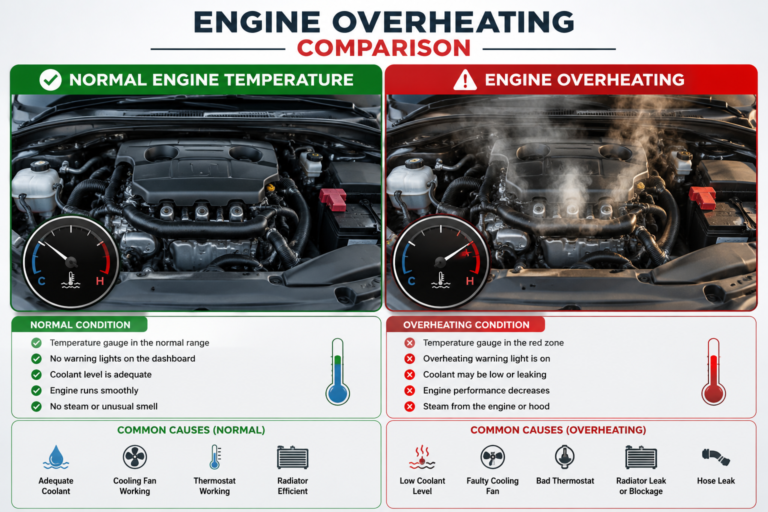
Your engine produces a lot of heat, and the cooling system works hard to keep it from overheating. Basically, coolant flows through the engine, soaking up that heat as it goes. Then, it carries the heat over to the radiator.
At the radiator, the heat gets released into the air, which helps keep your engine running smoothly every time you drive. So, thanks to this process, your engine stays at just the right temperature!
Engine Heat Dissipation
Because engines generate a lot of heat while running, you need an effective cooling system to prevent overheating and damage. Proper heat dissipation helps reduce engine noise and supports emission control by maintaining ideal operating temperatures.
Here’s how the system manages heat:
- Heat absorbs into the coolant as it circulates around the engine.
- The radiator transfers this heat from the coolant to the air.
- The cooling fan boosts airflow when the vehicle’s speed isn’t enough.
- The thermostat regulates coolant flow to keep the engine at a steady temperature.
Coolant Circulation Process
Although the cooling system might seem complex, it works continuously to keep your engine running smoothly by circulating coolant through key components. The coolant absorbs heat from the engine and flows toward the radiator, where the radiator design helps dissipate this heat efficiently.
A pump drives the coolant through the system, ensuring it reaches every hot spot. You need to watch out for coolant leaks, as they can reduce circulation, causing your engine to overheat.
Hoses and seals wear out over time, so regular checks are essential. By maintaining proper coolant flow and preventing leaks, your engine stays at an ideal temperature, avoiding damage.
Understanding this process helps you keep your vehicle reliable and running efficiently on the road.
Radiator Function Explained
How does the radiator keep your engine from overheating? It cools down the hot coolant that absorbs heat from your engine, preventing damage. Here’s how it works:
- Hot coolant flows into the radiator.
- The radiator’s thin tubes and fins increase surface area for heat to escape.
- Air passes over the fins, cooling the fluid inside.
- Cooled coolant returns to the engine to absorb more heat.
To keep this system running smoothly, regular radiator maintenance is essential. Check for coolant leaks, which can cause overheating and engine damage. Also, inspect hoses and connections for cracks or loose fittings.
Flushing the radiator periodically removes buildup and ensures efficient cooling. By staying on top of radiator maintenance, you’ll keep your engine running smoothly and avoid costly repairs.
Why Engine Oil Is Key to Health and Performance
When you turn the key and hear your engine roar to life, engine oil quietly works behind the scenes to keep everything running smoothly. Engine oil lubricates moving parts, reduces friction, and prevents overheating by carrying heat away from critical components. Without it, your engine would seize up quickly, causing costly damage.
You rely on engine oil not just for protection but also for maintaining peak performance.
Regular oil analysis helps you understand your engine’s condition by checking oil quality and contaminants. This analysis can reveal wear particles or breakdown products, signaling when it’s time for an oil change or further inspection.
Spotting Engine Problems Before They Get Worse
Keeping your engine oil in good condition helps you avoid many common engine problems, but it’s not the only way to protect your car. Whether you drive traditional engines, hybrid engines, or electric vehicles, catching issues early saves you time and money. Here’s what you should watch for:
Maintaining engine oil is key, but early detection of issues protects all vehicles, from traditional to electric.
- Unusual Noises: Grinding or knocking sounds often signal internal engine trouble or failing components.
- Warning Lights: Don’t ignore check engine lights or battery indicators, especially in hybrids and EVs.
- Performance Drops: Hesitation, stalling, or loss of power means your engine or electric motor needs attention.
- Leaks and Smells: Oil, coolant leaks, or burning smells can point to serious problems before they escalate.
Easy Car Engine Maintenance Tips You Can Do Yourself
Although professional check-ups are essential, you can handle several simple engine maintenance tasks yourself to keep your car running smoothly. For traditional engines, regularly cleaning or replacing your air filter helps maintain efficient airflow, improving engine performance.
If you drive a hybrid engine, check the condition of the cooling fans and wiring, as these components support the electric motor’s operation. Electric vehicles require less engine maintenance but still benefit from keeping battery terminals clean and inspecting brake fluid levels.
You should also visually inspect belts and hoses for cracks or wear, replacing them if needed to avoid breakdowns. Keeping your engine bay clean by wiping away dirt and debris prevents corrosion and overheating.
When and How to Check Essential Engine Fluids
Regularly inspecting your engine fluids plays a big role in maintaining your car’s health. Checking engine oil and coolant levels assures your engine runs smoothly and avoids costly damage. Here’s when and how to check these essential fluids:
- Check engine oil weekly: Park on level ground, turn off the engine, wait a few minutes, then pull out the dipstick. Wipe it clean, reinsert fully, and pull out again to check the oil level and color.
- Inspect coolant levels monthly: Only check when the engine is cool. Open the coolant reservoir to see the fluid level between “min” and “max” marks.
- Look for leaks or discoloration: Any unusual color or smell in engine oil or coolant signals a problem.
- Top off as needed: Use recommended fluids; don’t overfill. Keeping these fluids in check prevents overheating and engine wear.
Make it a habit. You’ll protect your engine and extend your car’s life.
How Understanding Your Engine Helps You Save on Repairs
When you understand how your engine works, you can spot problems early and avoid costly repairs. Knowing the basics of engine tuning helps you recognize when your car isn’t running smoothly. This way, you can take action before small issues escalate.
You’ll also understand how emission control systems keep your vehicle eco-friendly and compliant with regulations. That can save you from fines.
Here’s a quick guide to what understanding your engine can help you with:
| What You Learn | Benefit |
|---|---|
| Engine tuning basics | Improve performance and fuel efficiency |
| Emission control | Pass inspections, avoid penalties |
| Early problem signs | Prevent expensive repairs |
Frequently Asked Questions
What Are the Best Car Brands for Engine Reliability?
You’ll find Toyota, Honda, and Subaru among the best car brands for engine reliability. They’re known for requiring less engine maintenance and offering great fuel efficiency.
When you choose these brands, you’ll enjoy fewer breakdowns and longer-lasting engines. Plus, their parts are widely available, making repairs easier and cheaper.
If you want a dependable ride that keeps fuel costs low and maintenance minimal, these brands are smart picks.
How Do Hybrid Engines Differ From Traditional Engines?
Hybrid engines differ from traditional engines by combining an internal combustion engine with an electric motor, thanks to hybrid technology. You’ll notice they switch between or use both power sources to maximize fuel efficiency.
Unlike traditional engines that rely solely on gasoline, hybrids reduce fuel consumption and emissions, especially in city driving. So, when you drive a hybrid, you’re getting a smarter, more eco-friendly system that uses energy more efficiently.
What Safety Features Protect the Engine During a Crash?
Did you know that modern cars reduce engine damage by up to 40% during crashes? Engine crash protection includes reinforced engine mounts and crumple zones that absorb impact energy, preventing severe damage.
Safety feature innovations like hood latches that pop open to reduce pedestrian injury also help shield the engine. These advancements guarantee your engine stays safer, saving you costly repairs and keeping your car running smoothly after an accident.
How Does Turbocharging Improve Engine Performance?
Turbocharging improves engine performance by increasing air intake using boost mechanisms, which forces more oxygen into the combustion chamber. This results in better turbo efficiency, allowing your engine to burn fuel more effectively and produce more power without increasing engine size.
You’ll notice quicker acceleration and improved overall performance because the turbocharger recycles exhaust gases to spin the turbine, maximizing energy use and boosting your engine’s output efficiently.
What Environmental Impacts Do Car Engines Have?
You breathe in pollution, you contribute to climate change, and you consume precious resources every time your car engine runs. Car engines release greenhouse gases and harmful pollutants, impacting air quality and health.
To fight this, you can focus on emission reduction and boosting fuel efficiency. By choosing cleaner technologies and maintaining your engine well, you help lower emissions, save fuel, and protect the environment for future generations.
Conclusion
Now that you’ve uncovered the secrets behind your car’s engine, you’re closer to mastering its care. But here’s the twist: knowing is just the start.
The real power lies in acting before small issues turn costly. Keep learning, stay curious, and watch how your confidence grows every time you pop the hood.
Your engine’s health depends on what you do next. Are you ready to take control and drive smarter? Learning about cars and engines step by step is the key to making that happen.