Transmission Repairs : The Best Guide for Car Owners
Few automotive repairs strike as much fear into drivers as transmission repairs. Unlike a brake job or an oil change, transmission work is often associated with high costs, complex diagnostics, and the possibility of a full replacement. Yet not every transmission issue spells disaster — many problems can be caught early, diagnosed accurately, and resolved without the nightmare bill many drivers fear. This guide covers everything you need to know about transmission repairs, from understanding how transmissions work to recognizing warning signs, exploring repair options, understanding costs, and learning how to extend the life of your transmission through proper maintenance.
Why Transmission Repairs Deserve Your Attention
Your transmission is one of the most mechanically complex systems in your vehicle, responsible for transferring power from the engine to the wheels at the correct speed and torque for whatever driving condition you’re in — accelerating from a stop, cruising on the highway, or climbing a steep grade. When your transmission isn’t functioning properly, it doesn’t just affect performance; it can also lead to unsafe driving conditions, such as delayed acceleration when merging onto a highway or unexpected gear slippage.
Transmission repairs also tend to escalate quickly if left unaddressed. A minor issue, such as low or degraded transmission fluid, can seem inconsequential at first but can lead to overheating, internal component wear, and eventually a full transmission failure — a repair that can cost thousands of dollars. Understanding the early signs of trouble and acting quickly is one of the most effective ways to avoid the most expensive outcomes in transmission repairs.
How Transmissions Work: A Quick Overview
To understand common transmission repairs, it helps to have a basic grasp of how the system functions. There are several types of transmissions found in modern vehicles, each with its own quirks and common failure points.
Automatic Transmissions
Automatic transmissions use a torque converter, planetary gear sets, and a hydraulic control system to automatically shift gears based on speed, engine load, and throttle input. The transmission fluid plays a critical dual role here — it acts as both a lubricant for moving parts and a hydraulic medium that enables gear shifts.
Manual Transmissions
Manual transmissions rely on a driver-operated clutch and gear shifter, using a series of gears and synchronizers to allow the driver to manually select the appropriate gear. While mechanically simpler than automatics in some ways, manual transmissions still require careful maintenance of the clutch assembly, fluid, and linkage components.
Continuously Variable Transmissions (CVTs)
CVTs use a belt or chain system connected to variable-diameter pulleys instead of fixed gears, allowing for an essentially infinite range of gear ratios. While CVTs offer smooth acceleration and improved fuel efficiency, they can be more sensitive to fluid quality and often require specialized CVT fluid rather than standard automatic transmission fluid.
Dual-Clutch Transmissions (DCTs)
DCTs combine elements of manual and automatic transmissions, using two separate clutches to pre-select the next gear for faster, smoother shifts. These systems are mechanically complex and can be more expensive to repair due to specialized components and diagnostic requirements.
Understanding which type of transmission your vehicle uses is an important first step in diagnosing issues, since common problems and repair costs can vary significantly between automatic, manual, CVT, and dual-clutch systems.
Common Signs You Need Transmission Repairs
Catching transmission problems early can mean the difference between a manageable repair and a full replacement. Here are the most common warning signs to watch for.
1. Delayed or Rough Shifting
If your vehicle hesitates before shifting gears, or if shifts feel abrupt and jarring rather than smooth, this often points to worn internal components, low fluid levels, or a failing solenoid responsible for controlling fluid flow during gear changes.
2. Slipping Gears
Gear slippage — where the engine revs up without a corresponding increase in speed, or where the transmission unexpectedly shifts out of gear — is one of the more serious warning signs and often indicates worn clutch plates or bands inside an automatic transmission.
3. Unusual Noises
Whining, humming, or clunking noises, especially when shifting gears or accelerating, can indicate low fluid levels, worn bearings, or damaged gears. In manual transmissions, grinding noises when shifting often point to a worn clutch or synchronizer issue.
4. Burning Smell
A burning odor, often described as similar to burnt toast, typically indicates that transmission fluid is overheating or breaking down. This is a serious warning sign that shouldn’t be ignored, as continued driving under these conditions can accelerate internal damage.
5. Fluid Leaks
Transmission fluid is typically bright red or pink when new, though it darkens with age and use. Spotting fluid leaks beneath your vehicle — particularly near the center of the car, where the transmission is located — is a clear sign that professional attention is needed.
6. Warning Lights
Many modern vehicles include a dedicated transmission warning light, or the check engine light may illuminate due to a transmission-related diagnostic trouble code. Either warrants a diagnostic scan to identify the underlying issue.
7. Difficulty Shifting Into Gear
If you experience resistance or hesitation when shifting from park into drive, or when shifting gears in a manual transmission, this can indicate low fluid, a failing clutch, or internal wear affecting the transmission’s ability to engage properly.
8. Shaking or Grinding During Acceleration
Vibration, shaking, or a grinding sensation during acceleration can point to worn transmission components, damaged gears, or issues with the torque converter in automatic transmissions.
Common Causes of Transmission Problems
Understanding what leads to transmission repairs can help you take preventive steps to avoid them.
Low or Degraded Fluid
Transmission fluid lubricates moving parts, helps regulate temperature, and enables hydraulic gear shifts in automatic transmissions. Low fluid levels — often due to a leak — or degraded fluid that hasn’t been changed according to the manufacturer’s schedule are among the most common root causes of transmission problems.
Overheating
Transmissions generate significant heat during normal operation, and this heat is managed through fluid circulation and, in many vehicles, a dedicated transmission cooler. Towing heavy loads, driving in stop-and-go traffic in hot weather, or operating with degraded fluid can all contribute to overheating, which accelerates internal wear.
Worn Clutch Components
In both manual transmissions and the internal clutch packs of automatic transmissions, friction materials wear down over time with normal use. Aggressive driving, frequent towing, or riding the clutch in a manual transmission can accelerate this wear.
Electrical and Sensor Issues
Modern transmissions rely on a network of sensors and solenoids to determine optimal shift timing. A failing sensor or solenoid can cause erratic shifting, delayed engagement, or the transmission defaulting to a protective “limp mode” that restricts performance.
Contaminated Fluid
Metal shavings, dirt, or other contaminants in the transmission fluid can accelerate wear on internal components. This is often the result of neglected fluid changes or, in more serious cases, internal component failure that introduces debris into the fluid.
DIY vs. Professional Transmission Repairs
Given the complexity of modern transmissions, the line between DIY-friendly maintenance and professional-level transmission repairs is fairly clear.
What You Can Often Do Yourself
Checking and Topping Off Fluid: Many vehicles allow you to check transmission fluid level and condition using a dipstick (though some modern vehicles use sealed systems that require professional equipment). If the fluid is low, topping it off with the manufacturer-specified fluid type is a simple task.
Fluid and Filter Changes: On many vehicles, a transmission fluid and filter change is a manageable DIY task for those comfortable working underneath a vehicle, though it requires proper disposal of old fluid and precise refill procedures to avoid overfilling or underfilling the system.
Basic Visual Inspections: Checking for visible fluid leaks, inspecting cooler lines for damage, and monitoring fluid color and smell are simple checks that can help you catch problems early.
What Requires Professional Expertise
Diagnostic Scanning: Modern transmissions rely on computer control systems that require professional-grade diagnostic scanners to accurately identify the source of shifting problems, sensor failures, or solenoid issues.
Solenoid or Sensor Replacement: While sometimes accessible, replacing internal solenoids or sensors often requires removing the transmission pan and, in some cases, partial disassembly, along with the technical knowledge to properly diagnose which component is actually at fault.
Clutch Replacement: In manual transmissions, replacing the clutch typically requires removing the transmission from the vehicle entirely, a labor-intensive job that’s best handled by an experienced professional.
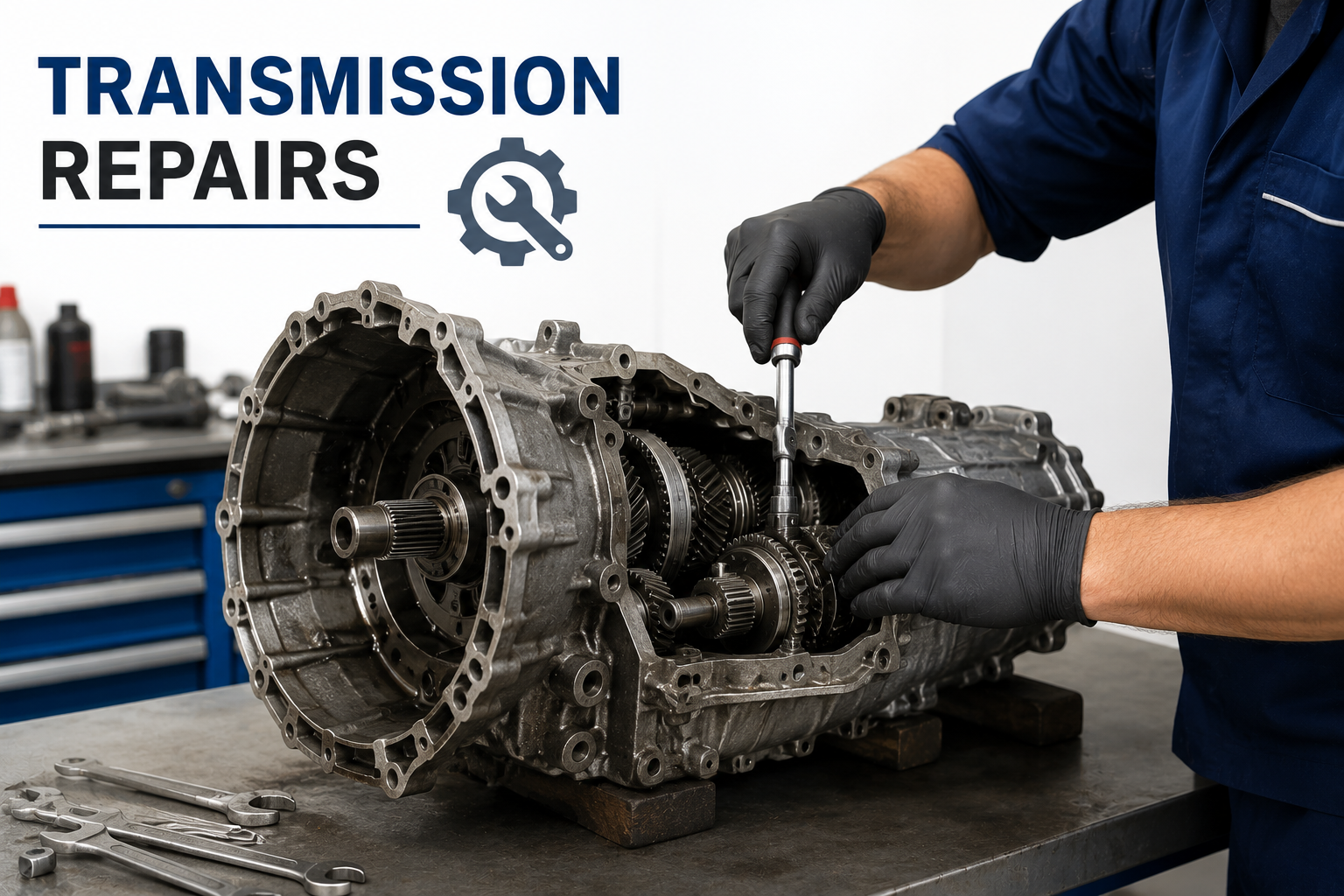
Internal Rebuilds: If internal components like clutch packs, bands, or gears are damaged, a full transmission rebuild requires specialized tools, technical expertise, and often a controlled shop environment to properly reassemble the unit.
Full Transmission Replacement: In cases of severe damage or failure, replacing the transmission entirely (with either a remanufactured or new unit) is a significant job that requires professional-grade lifts, tools, and expertise.
Understanding Transmission Repair Costs
Costs for transmission repairs vary enormously depending on the severity of the issue, the type of transmission, and your vehicle’s make and model. Here’s a general breakdown:
- Fluid check and top-off: $50–$100
- Fluid and filter change: $150–$300
- Solenoid replacement: $200–$500
- Sensor replacement: $150–$400
- Clutch replacement (manual transmission): $1,000–$2,000
- Torque converter replacement: $600–$1,500
- Transmission rebuild: $1,500–$3,500
- Full transmission replacement: $3,000–$7,000+
Given this wide range, getting an accurate diagnostic before committing to a specific repair path is essential. A shop that jumps straight to recommending a full rebuild or replacement without a thorough diagnostic process is worth questioning, since many transmission issues stem from more affordable, fixable causes like fluid problems or a faulty sensor.
Rebuilt vs. Remanufactured vs. Used Transmissions
If your transmission does require replacement, you’ll typically be presented with a few options, each with different cost and reliability tradeoffs.
Rebuilt Transmissions
A rebuilt transmission involves disassembling your existing unit, replacing worn or damaged components, and reassembling it, often by a specialized transmission shop. This option is typically less expensive than a full replacement but relies heavily on the skill and thoroughness of the shop doing the rebuild.
Remanufactured Transmissions
Remanufactured transmissions are rebuilt to factory specifications, often by specialized facilities, and typically come with more robust testing and warranties compared to a standard rebuild. This is often considered a solid middle ground between cost and reliability.
Used Transmissions
Sourced from salvage yards, used transmissions are typically the least expensive option but come with the most uncertainty, since their condition and remaining lifespan are harder to verify. This option carries the highest risk of needing further transmission repairs down the road.
New Transmissions
Brand-new transmissions, typically only available through dealerships for certain makes and models, offer the highest reliability but come at a significantly higher cost compared to rebuilt, remanufactured, or used options.
Preventive Maintenance to Avoid Costly Transmission Repairs
The best way to minimize expensive transmission repairs is through consistent, proactive maintenance.
Follow the Manufacturer’s Fluid Change Schedule
Transmission fluid change intervals vary by vehicle and driving conditions, typically ranging from 30,000 to 100,000 miles. Vehicles used for towing or frequent stop-and-go driving often benefit from more frequent fluid changes.
Monitor Fluid Levels and Condition Regularly
Checking your transmission fluid level and color periodically (where accessible) can help you catch low fluid or early signs of contamination before they lead to more serious problems.
Avoid Overheating Conditions When Possible
If you frequently tow heavy loads or drive in hot climates, consider installing an auxiliary transmission cooler to help manage heat and reduce long-term wear on internal components.
Address Warning Signs Immediately
Delayed shifting, unusual noises, or warning lights should never be ignored. Prompt diagnosis and repair of minor issues can prevent them from escalating into major, costly transmission repairs.
Drive Smoothly and Avoid Excessive Strain
For manual transmissions, avoiding excessive clutch riding and shifting smoothly reduces wear on the clutch assembly. For automatic transmissions, avoiding aggressive acceleration and allowing the vehicle to fully stop before shifting between drive and reverse helps reduce unnecessary strain.
Choosing a Shop for Transmission Repairs
Given the complexity and cost associated with transmission repairs, choosing the right shop is especially important.
- Look for shops specializing in transmissions. While general repair shops can handle basic maintenance, complex diagnostic and rebuild work often benefits from a shop with specific transmission expertise.
- Ask about warranties. Reputable shops typically offer warranties on rebuilt or replaced transmissions, often ranging from one to three years depending on the type of repair.
- Request a thorough diagnostic before committing to major repairs. A trustworthy shop will explain exactly what’s wrong, supported by diagnostic codes or physical evidence, rather than jumping straight to the most expensive repair option.
- Compare multiple quotes for major repairs. Given the wide cost range for transmission repairs, it’s worth getting quotes from more than one shop before committing to a rebuild or replacement.
- Check reviews and certifications. Look for shops with ASE-certified technicians and positive reviews specifically related to transmission work, since this type of repair requires specialized skill.
Final Thoughts
Transmission repairs have a reputation for being expensive and intimidating, but understanding how your transmission works, recognizing early warning signs, and staying on top of preventive maintenance can go a long way toward avoiding the most severe and costly outcomes. Whether you’re dealing with a simple fluid top-off, a failing sensor, or a more serious internal issue, getting an accurate diagnosis early is the key to keeping repair costs manageable.
By paying attention to how your vehicle shifts, addressing warning signs promptly, following recommended maintenance schedules, and choosing a qualified, transparent repair shop when professional help is needed, you can significantly extend the life of your transmission and avoid the nightmare scenario so many drivers fear when they hear the words “transmission repair.”