Heating and Cooling Services : The Best Complete Guide for Homeowners
Heating and Cooling Services Few things affect daily comfort as directly as the temperature inside your home. Whether it’s the dead of winter or the peak of summer, reliable Heating and Cooling Services are essential to keeping your household comfortable, healthy, and running efficiently. Yet many homeowners don’t think much about their HVAC (heating, ventilation, and air conditioning) system until something goes wrong — a furnace that won’t start on the coldest night of the year, or an air conditioner that blows warm air during a heat wave.
This guide covers everything you need to know about heating and cooling services, from understanding how your system works to recognizing warning signs, comparing repair and replacement options, understanding costs, and learning how regular maintenance can extend the life of your equipment.
Why Heating and Cooling Services Matter
Your HVAC system is one of the most heavily used systems in your home, often running for hours every day during peak seasons. Beyond comfort, a well-functioning heating and cooling system plays a critical role in indoor air quality, humidity control, and even the structural health of your home by preventing issues like excess moisture or mold growth.
Heating and cooling services are also directly tied to your energy bills. A poorly maintained or inefficient system can consume significantly more energy than a well-maintained one, leading to noticeably higher utility costs over time. In fact, HVAC systems typically account for a substantial portion of a household’s total energy usage, making regular maintenance and timely repairs a smart financial decision as much as a comfort one.
Beyond cost and comfort, there’s also a safety dimension to consider. Furnaces, in particular, involve combustion and exhaust systems that, if poorly maintained, can pose risks such as carbon monoxide leaks. Professional heating and cooling services help ensure these systems operate safely as well as efficiently.
Understanding Your HVAC System
To make informed decisions about heating and cooling services, it helps to understand the basic components that make up a typical residential HVAC system.
Furnaces
Furnaces are the most common heating method in many regions, using natural gas, propane, oil, or electricity to generate heat, which is then distributed throughout the home via ductwork and vents. Modern furnaces are rated by their Annual Fuel Utilization Efficiency (AFUE), which indicates how much of the fuel consumed is converted into usable heat.
Heat Pumps
Heat pumps work differently from traditional furnaces by transferring heat rather than generating it directly. In winter, they extract heat from outside air (even in cold temperatures) and move it indoors; in summer, they reverse the process to cool the home, functioning much like an air conditioner. Heat pumps have become increasingly popular due to their energy efficiency and ability to handle both heating and cooling needs in one system.
Central Air Conditioners
Central air conditioning systems use refrigerant to absorb heat from inside the home and release it outside, cooling indoor air as it circulates through ductwork. The system’s efficiency is typically measured by its SEER (Seasonal Energy Efficiency Ratio) rating, with higher numbers indicating better energy efficiency.
Ductwork
The network of ducts distributes heated or cooled air throughout the home. Poorly sealed, damaged, or improperly sized ductwork can significantly reduce system efficiency, regardless of how well-maintained the furnace or air conditioner itself is.
Thermostats
Thermostats serve as the control center for your HVAC system, and modern smart thermostats offer programmable schedules, remote control via smartphone apps, and learning algorithms that can optimize energy use based on your habits.
Ventilation Systems
Proper ventilation ensures adequate airflow and air exchange throughout the home, which is especially important for indoor air quality and humidity control, particularly in tightly sealed, energy-efficient homes.
Signs You Need Heating and Cooling Services
Recognizing the warning signs of HVAC trouble early can help you avoid a complete system breakdown at the worst possible time.
1. Inconsistent Temperatures Throughout the Home
If certain rooms feel noticeably warmer or cooler than others, this could indicate ductwork issues, improper system sizing, or a failing component affecting airflow distribution.
2. Unusual Noises
Banging, rattling, squealing, or grinding noises coming from your furnace, air conditioner, or ductwork often indicate mechanical issues, loose components, or motor problems that require professional attention.
3. Rising Energy Bills
A gradual or sudden increase in energy bills, without a corresponding change in usage habits, often points to declining HVAC efficiency, which can result from issues like dirty filters, refrigerant leaks, or aging components working harder than necessary.
4. Poor Airflow
Weak airflow from vents can indicate a clogged air filter, a failing blower motor, or blocked ductwork, all of which reduce your system’s ability to effectively heat or cool your home.
5. Frequent Cycling
If your system turns on and off more frequently than usual (a pattern known as short cycling), this can indicate an oversized system, a thermostat malfunction, or a mechanical issue causing the system to overheat or shut down prematurely.
6. Humidity Problems
Excess humidity indoors during summer, or unusually dry air during winter, can indicate that your HVAC system isn’t properly regulating moisture levels, which may point to sizing issues or component malfunctions.
7. Strange Odors
Burning smells, musty odors, or a strong chemical scent coming from your vents can indicate anything from an overheating motor to mold growth within the ductwork, or in more serious cases, a refrigerant or gas leak that requires immediate professional attention.
8. Age of the System
Furnaces typically last 15 to 20 years, while air conditioners and heat pumps generally last 10 to 15 years. If your system is approaching or exceeding these age ranges, it becomes increasingly prone to breakdowns and inefficiency, making regular heating and cooling services even more important.
Types of Heating and Cooling Services
Understanding the range of available services can help you know what to expect and when to call a professional.
Routine Maintenance
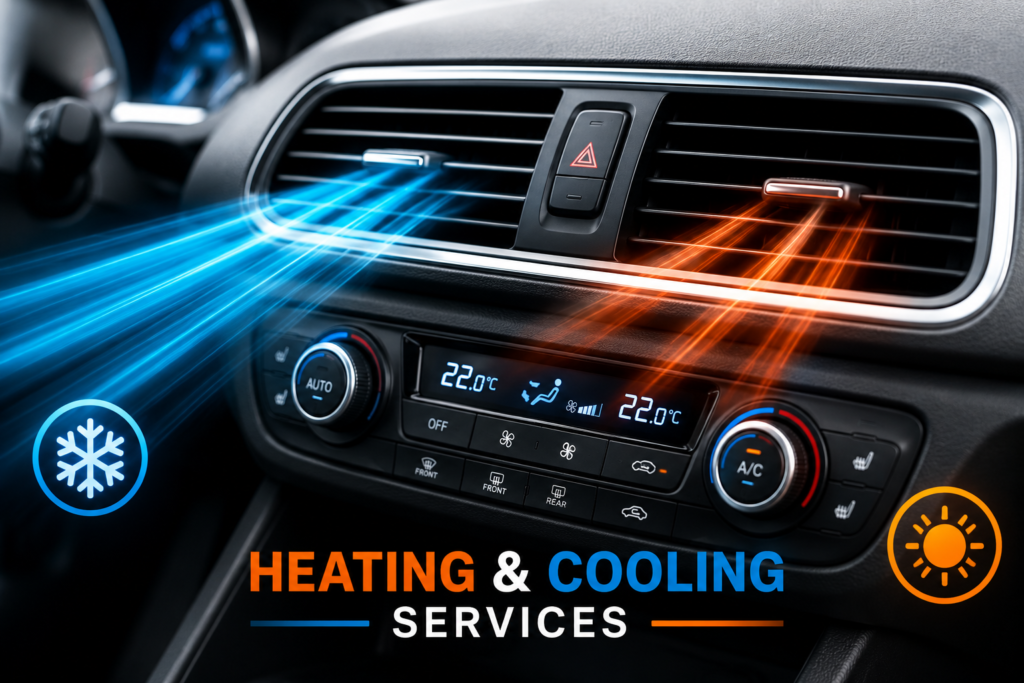
Seasonal maintenance visits, typically recommended twice a year (once before winter and once before summer), involve inspecting, cleaning, and tuning up your system to ensure optimal performance. This often includes checking refrigerant levels, cleaning coils, inspecting electrical connections, and replacing air filters.
Repair Services
When something breaks down, repair services address the specific issue, whether it’s a faulty capacitor, a refrigerant leak, a malfunctioning thermostat, or a damaged blower motor. Prompt repairs can often prevent a minor issue from escalating into a more costly problem.
Installation and Replacement
When a system reaches the end of its useful life or becomes too costly to keep repairing, installation services involve removing the old unit and properly installing a new, appropriately sized system tailored to your home’s specific heating and cooling needs.
Duct Cleaning and Repair
Over time, ductwork can accumulate dust, debris, and even mold, while also developing leaks or damage that reduce system efficiency. Duct cleaning and repair services help restore proper airflow and improve indoor air quality.
Indoor Air Quality Services
Many heating and cooling service providers also offer solutions for improving indoor air quality, including air purifiers, humidifiers, dehumidifiers, and advanced filtration systems that work in conjunction with your existing HVAC system.
Emergency Services
Many providers offer emergency heating and cooling services for situations like a furnace failure during a cold snap or an air conditioner breakdown during extreme heat, recognizing that some HVAC problems simply can’t wait for a standard appointment.
DIY vs. Professional Heating and Cooling Services
While some basic maintenance tasks can be handled by homeowners, most substantial heating and cooling services require professional expertise, tools, and in some cases, certification.
What Homeowners Can Often Handle
Replacing Air Filters: One of the simplest and most impactful maintenance tasks, replacing air filters every one to three months (depending on filter type and household factors like pets) helps maintain airflow and system efficiency.
Clearing Debris Around Outdoor Units: Keeping the area around outdoor air conditioning or heat pump units clear of leaves, grass clippings, and other debris helps maintain proper airflow and prevents overheating.
Checking and Setting Thermostats: Ensuring your thermostat is functioning correctly and programmed appropriately for your household’s schedule is a simple task that can meaningfully impact both comfort and energy efficiency.
Basic Visual Inspections: Periodically checking for visible issues, such as ice buildup on an air conditioner, unusual sounds, or obvious damage to visible components, can help you catch problems early and know when to call for professional heating and cooling services.
What Requires Professional Expertise
Refrigerant Handling: Working with refrigerant requires specialized equipment and, in many regions, legal certification due to environmental regulations, making this strictly a job for licensed professionals.
Electrical and Gas Component Repair: Given the safety risks involved, repairs to electrical wiring, gas connections, and combustion components should always be handled by trained, licensed technicians.
System Diagnostics: Modern HVAC systems often include electronic control boards and sensors that require specialized diagnostic tools to accurately identify the root cause of performance issues.
Full System Installation: Properly sizing, installing, and calibrating a new heating or cooling system requires technical expertise to ensure the system operates efficiently and complies with local building codes.
Ductwork Modifications: Significant duct repairs, resizing, or redesigning airflow paths through your home require professional knowledge of proper airflow calculations and installation techniques.
Understanding the Costs of Heating and Cooling Services
Costs for heating and cooling services vary widely based on the type of service, your geographic location, and the specific equipment involved. Here’s a general breakdown:
- Routine maintenance visit: $80–$200
- Minor repairs (capacitor, thermostat, etc.): $150–$400
- Major component repairs (compressor, blower motor): $400–$1,500
- Duct cleaning: $300–$700
- Duct repair: $200–$1,000 depending on extent of damage
- New furnace installation: $2,500–$7,500 depending on efficiency rating and fuel type
- New central air conditioner installation: $3,500–$8,000 depending on system size and efficiency
- Heat pump installation: $4,000–$10,000 depending on system type and home size
- Emergency service calls: Often carry an additional fee, typically $100–$300 on top of standard repair costs, particularly for after-hours or weekend calls
Getting multiple quotes for larger jobs like installation or replacement, and asking detailed questions about equipment specifications, warranties, and financing options, can help you make a more informed decision.
Choosing Between Repair and Replacement
One of the most common dilemmas homeowners face with heating and cooling services is deciding whether to repair an aging system or invest in a full replacement. A few factors to consider:
The Age of Your System
If your system is approaching or has exceeded its typical lifespan (15-20 years for furnaces, 10-15 years for air conditioners and heat pumps), replacement often makes more financial sense than continuing to invest in repairs.
The Cost of the Repair
A common rule of thumb is the “50% rule” — if the cost of a repair exceeds 50% of the cost of a new system, replacement is often the more financially sound choice.
Frequency of Repairs
If you find yourself calling for heating and cooling services multiple times per year, this pattern often indicates that your system is nearing the end of its reliable service life, even if individual repairs seem manageable in isolation.
Energy Efficiency Improvements
Newer systems often offer significantly improved energy efficiency compared to older models, meaning a replacement can lead to meaningful long-term savings on utility bills, partially offsetting the upfront cost of a new system.
Refrigerant Type Considerations
Older air conditioning systems that use R-22 refrigerant, which has been phased out due to environmental regulations, can be increasingly expensive to repair if refrigerant needs to be added, since remaining supplies are limited and costly. This is often a strong argument in favor of replacement for older systems still using this refrigerant type.
Preventive Maintenance Tips to Reduce the Need for Repairs
Consistent preventive care is the best way to minimize costly heating and cooling services down the road.
Schedule Regular Professional Maintenance
Twice-yearly maintenance visits — one before heating season and one before cooling season — allow a professional to catch small issues before they become major problems, while also keeping your system running at peak efficiency.
Replace Air Filters Regularly
A clogged air filter is one of the most common and easily preventable causes of HVAC strain, reduced efficiency, and premature component wear.
Keep Outdoor Units Clear
Regularly clearing leaves, debris, and vegetation from around outdoor units ensures proper airflow and helps prevent overheating and reduced efficiency.
Seal and Insulate Ductwork
Properly sealed and insulated ductwork prevents conditioned air from escaping into unconditioned spaces like attics or crawl spaces, improving overall system efficiency and reducing strain on your equipment.
Upgrade to a Smart Thermostat
Smart thermostats can optimize your heating and cooling schedule based on your habits, reducing unnecessary system strain and lowering energy bills, while also providing useful diagnostic data that can help identify performance issues early.
Address Small Issues Promptly
Don’t ignore minor warning signs like slightly reduced airflow, small temperature inconsistencies, or occasional unusual noises. Addressing these issues early through timely heating and cooling services can prevent them from developing into major, costly repairs.
Choosing a Provider for Heating and Cooling Services
Selecting the right HVAC contractor can significantly impact both the quality of service you receive and your long-term satisfaction with your system’s performance.
- Look for licensed and insured technicians. Proper licensing ensures technicians have met required training and safety standards, while insurance protects you in case of accidental damage during service.
- Ask about certifications. Certifications from organizations like NATE (North American Technician Excellence) indicate a higher level of training and expertise.
- Request detailed, written estimates. A trustworthy provider will clearly explain the scope of work, associated costs, and any warranty information before beginning a repair or installation.
- Compare multiple quotes for major work. For significant investments like system replacement, getting quotes from two or three reputable providers helps ensure you’re getting fair pricing.
- Check reviews and ask for references. Customer feedback and direct references can offer valuable insight into a company’s reliability, professionalism, and quality of work.
- Ask about maintenance plans. Many providers offer annual maintenance agreements that bundle routine service visits at a discounted rate, often with priority scheduling for emergency repairs.
Final Thoughts
Reliable heating and cooling services are essential to maintaining a comfortable, healthy, and energy-efficient home throughout the year. Whether you’re dealing with a minor repair, considering a full system replacement, or simply looking to stay ahead of potential issues through regular maintenance, understanding how your HVAC system works and recognizing early warning signs empowers you to make informed, cost-effective decisions.
By scheduling regular professional maintenance, addressing small issues before they escalate, and choosing a qualified, transparent provider when repairs or replacement become necessary, you can keep your home comfortable in every season while avoiding the stress and expense of unexpected system failures.