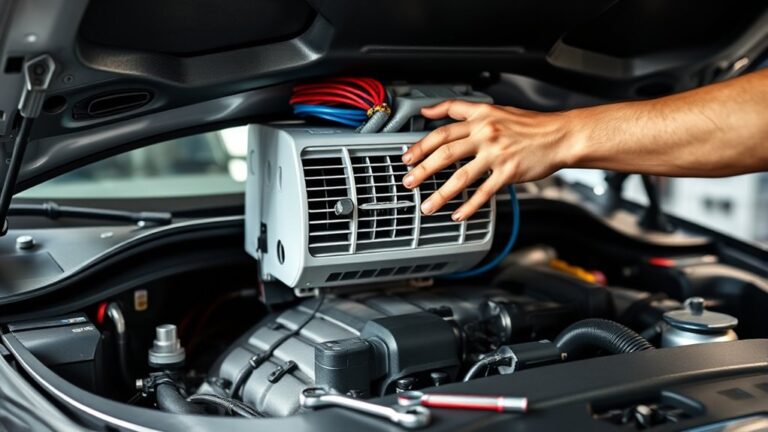
7 Tips to How To Prevent Rats In Car Engine
How To Prevent Rats In Car Engine? Dealing with rats nesting in your car engine is more common than you might think. Many people struggle with this frustrating problem, and if you’ve found evidence of rodents near your vehicle, you’re definitely not alone.
Luckily, there are effective ways to keep these pests at bay and protect your car from costly damage.
To prevent rats in your car engine, start by spotting early signs like droppings or chewed wires. Seal any gaps around the hood, vents, and wiring with durable sealants and add rat-proof mesh where needed.
Keep your engine bay clean of debris and nesting materials, and use natural repellents like peppermint oil.
Park in well-lit, open areas away from dense vegetation or trash.
Regularly inspect your vehicle to catch problems early.
Follow these steps, and you’ll find more ways to protect your car.
How To Prevent Rats In Car Engine Key Takeaways
- Regularly inspect your engine bay for gnaw marks, droppings, or nesting materials to detect early rodent activity. It’s a good habit to catch any signs before they become a big problem.
- Seal all gaps and entry points around the hood, vents, firewall, and wiring with durable automotive-grade materials. This helps keep the critters out for good.
- Keep the engine bay clean by removing debris, food wrappers, and nesting materials. Doing this reduces anything that might attract rodents in the first place.
- Use natural deterrents like peppermint oil-soaked cotton balls around the engine bay. Just remember to reapply them every few days to maintain their effectiveness.
- Park in well-lit, open areas away from vegetation, dumpsters, and dirt surfaces. This simple step can really cut down on rodent access to your car.
Spot Signs of Rats in Your Car Engine
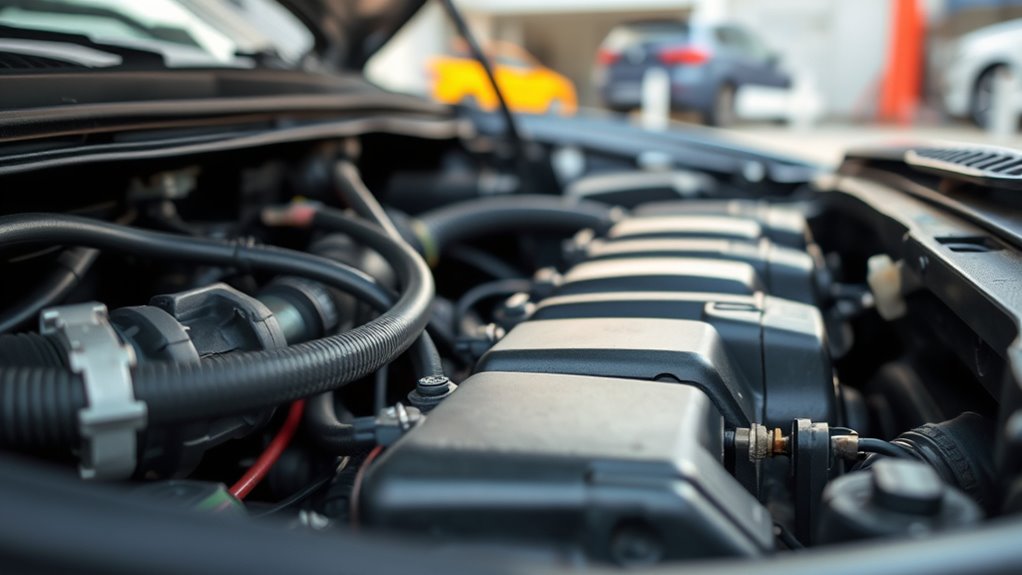
Before rats cause serious damage, you need to spot the signs early. Understanding rodent behavior helps you identify their presence in your car engine. Rats are nocturnal and tend to seek warmth and shelter, especially in colder months. This makes your engine compartment a perfect hideout.
You might notice gnaw marks on wires or plastic components, which can disrupt car maintenance if left unchecked. Droppings around the engine bay are another clear indicator. Also, listen for unusual scratching or scurrying noises when your car is parked.
These signs suggest rats have made themselves at home, potentially causing electrical issues or blockages. Regularly inspecting your engine compartment during routine car maintenance will help you catch these signs early. By staying alert and understanding their habits, you can prevent costly repairs and keep your vehicle running smoothly.
Seal Entry Points to Keep Rats Out
You’ll want to start by spotting the usual spots where rats could slip into your engine. Then, grab some strong sealant to plug those gaps good and tight. It’s a smart idea to check back often, just to catch any new cracks or holes before they become a problem.
Identify Common Entry Points
Several common entry points in your car’s engine bay offer easy access for rats seeking shelter. Understanding rodent behavior helps you pinpoint these vulnerable spots.
Rats often enter through gaps around the hood, broken vents, or openings near the battery and wiring. They’re drawn to warm, sheltered areas with easy food sources.
During vehicle maintenance, inspect these entry points carefully. Check under the hood for worn-out seals, loose panels, or damaged wiring covers. Don’t overlook spaces around the firewall or wheel wells, as these areas provide easy access.
Use Durable Sealants
After spotting potential entry points in your engine bay, take action by sealing them tightly. Use industrial adhesives designed for automotive use to close gaps and holes rats might exploit. These adhesives offer strong bonds that withstand heat and vibration, ensuring long-lasting protection.
Furthermore, apply corrosion resistant coatings over sealed areas to prevent wear caused by moisture and road salt. This extra layer extends the life of your sealants and keeps entry points secure.
Durable sealants not only block rats but also protect your car’s components from damage. Taking these steps ensures you’re not just patching holes temporarily but creating a reliable barrier against rodents. Remember, quality materials make all the difference in keeping your engine rat-free.
Inspect Regularly For Gaps
Although sealing gaps is crucial, regular inspections guarantee those barriers stay intact and effective. You should make car maintenance a routine habit, checking your vehicle’s engine compartment for new or missed entry points. This proactive approach ensures engine safety and prevents rats from nesting inside.
Focus on common vulnerable spots like vents, wiring openings, and undercarriage seams. Use this checklist to guide your inspection:
| Area | What to Look For | Action Needed |
|---|---|---|
| Air Vents | Loose mesh or holes | Re-seal or patch |
| Wiring Pass-Throughs | Gaps around cables | Apply sealant |
| Undercarriage Seams | Cracks or splits | Fill with durable material |
| Hood Edges | Unsealed gaps | Secure with weatherstripping |
| Firewall Openings | Uncovered holes | Install protective covers |
Stay vigilant to maintain engine safety and keep rodents out.
Put Up Physical Barriers to Keep Rats Away
You can keep rats from getting into your engine by installing physical barriers, like rat-proof mesh. It’s a good idea to seal up any entry points you find. You might also want to add under-car shields for some extra protection. Taking these steps creates a strong defense that helps keep those pesky rodents out.
Use Rat-Proof Mesh
When rats try to sneak into your car engine, installing rat-proof mesh creates a sturdy barrier that keeps them out. This simple rodent proofing method blocks common entry points without restricting airflow or access to essential components.
During mesh installation, choose a durable, rust-resistant material that withstands weather and gnawing. Securely fasten the mesh around vulnerable areas like vents and gaps where wires or hoses pass through.
Regularly inspect the mesh for damage or loose fittings to maintain its effectiveness. By using rat-proof mesh, you create a physical obstacle that discourages rodents from nesting or chewing inside your engine compartment.
This proactive step is a practical, low-maintenance way to add protection and keep your vehicle safe from costly rat damage.
Seal Engine Entry Points
Installing rat-proof mesh helps block many entry points, but sealing all gaps and holes around your engine provides an extra layer of defense. You want to inspect your engine bay regularly during engine maintenance and apply high-quality sealants or rubber gaskets to close any openings rats could squeeze through.
This approach complements thorough car cleaning, which removes food crumbs and nesting materials that attract rodents.
| Entry Point Area | Recommended Barrier |
|---|---|
| Firewall gaps | Silicone sealant |
| Cable and wire holes | Rubber grommets |
| Air intake openings | Fine metal mesh |
Install Under-Car Shields
Although rats are agile climbers, creating a physical barrier beneath your car can considerably reduce their access to the engine bay. Installing under car shields is an effective way to block these pests from sneaking underneath and causing damage.
These shields act as a sturdy defense, preventing rats from entering hidden spaces where they might chew wires or nest. When you install under car shields, you improve your engine protection by limiting vulnerable entry points.
Make sure to choose durable materials that can withstand weather conditions and resist gnawing. Properly fitted shields not only keep rats away but also help maintain your car’s overall cleanliness and safety.
Don’t overlook this simple step; it’s a smart investment in keeping your engine safe from unwanted critters.
Use Natural Rat Repellents Like Peppermint Oil
Since rats dislike strong scents, using natural repellents like peppermint oil can keep them away from your car engine. Natural repellents offer an eco-friendly, non-toxic way to protect your vehicle without harmful chemicals. Peppermint oil acts as a powerful scent deterrent that irritates a rat’s sensitive nose, making your engine an unappealing spot.
Natural repellents like peppermint oil deter rats with strong scents, keeping your car engine safe and chemical-free.
To use peppermint oil effectively, follow these tips:
- Soak cotton balls in peppermint oil and place them around the engine bay.
- Reapply the oil every few days to maintain a strong scent.
- Combine peppermint oil with other natural repellents like eucalyptus or citronella for added protection.
- Avoid spraying directly on car parts to prevent damage; use cotton balls or cloth instead.
Keep Your Engine Bay Clean to Deter Rats
If you want to keep rats away, you need to keep your engine bay clean. Rats are attracted to cluttered, dirty spaces where they can easily hide and find food.
Regularly removing leaves, debris, and any food wrappers from under your hood reduces their hiding spots. During your car maintenance, check for leaks, especially engine oil, since its smell can attract rodents.
Quickly fixing any oil leaks not only protects your engine but also helps deter rats. Wiping down surfaces and vacuuming the engine bay can eliminate food crumbs and nesting materials.
Keeping the area tidy shows rats that your car isn’t an inviting place to settle. Consistent engine bay cleaning is a simple yet effective way to protect your vehicle from rodent damage and costly repairs.
Park Strategically to Avoid Rodent Hotspots
When you park, choosing the right spot can make a big difference in keeping rats away from your car. Implementing smart parking strategies helps you avoid common rodent hotspots where rats are likely to nest. Here’s how you can park strategically:
- Avoid areas with dense vegetation. Rats often hide in bushes or tall grass near parking spots.
- Stay away from dumpsters and trash bins. These attract rodents looking for food.
- Choose well-lit and open spaces. Rats prefer dark, secluded areas, so parking in bright spots deters them.
- Opt for paved or concrete surfaces. Rodents find it harder to burrow or hide around solid surfaces compared to dirt or gravel.
Regularly Inspect Your Car to Prevent Rat Infestations
Although rats can be sneaky, regularly inspecting your car makes it much easier to catch signs of their presence early. Take time to check under the hood and around the engine compartment for droppings, chewed wires, or nesting materials. These early warnings help you act before serious damage occurs.
Consistent engine maintenance is essential. Not only does it keep your car running smoothly, but it also allows you to notice any unusual smells or sounds that might indicate rodents. Pair this with thorough car cleaning, especially removing food wrappers or debris inside your vehicle, to reduce attractants.
Don’t forget to inspect wheel wells and undercarriage areas where rats can hide. Setting a routine to inspect your car weekly or after long periods of inactivity greatly lowers the risk of infestation.
Frequently Asked Questions
Can Rats Damage My Car’s Electrical System?
Yes, rats can seriously damage your car’s electrical system. They often chew on wires, causing engine damage and creating electrical hazards that might lead to shorts or even fires.
If you don’t catch it early, this can result in costly repairs. You should regularly check under your hood for signs of chewing or nests, and take action quickly to avoid these problems before they escalate.
Are Ultrasonic Rat Repellents Effective in Cars?
Imagine a quiet hum under your car’s hood, gently pushing pests away. Ultrasonic technology can be a useful pest deterrent, sending high-frequency sounds rats hate but you can’t hear.
While it’s not foolproof, it often discourages rodents from settling in your engine bay. You’ll want to combine it with other measures for the best protection, as persistent rats might still ignore the ultrasonic waves if they’re particularly determined.
How Long Does It Take for Rats to Infest a Car?
Rats can start nesting in your car within just a few days if conditions are right. Their rodent habits drive them to seek warm, sheltered places, especially in your engine bay.
If your car sits unused for a while, it becomes an ideal spot for car nesting. You’ll want to check regularly because once they settle in, they can cause serious damage quickly.
Staying vigilant helps you catch infestations early.
Can Professional Pest Control Treat Car Infestations?
Absolutely, professionals can swoop in like knights to save your car garage from rat invasions. They perform a thorough pest inspection, hunting down every hidden critter nook. You won’t have to battle the infestation alone. They’ll use safe, targeted treatments to evict those unwelcome guests.
With their expertise, your car engine gets a clean slate, and you get peace of mind, knowing your ride’s fortress is secure once again.
Do Certain Car Brands Attract More Rodents?
Certain car brand preferences can influence rodent attraction factors, but it’s not the brand itself that draws them in. Instead, rodents are attracted by things like warmth, shelter, and food smells.
If your car brand has engine compartments that offer cozy hiding spots or you park near food sources, you might notice more rodent activity. So, focus on minimizing these factors regardless of your car brand to keep rodents away.
Conclusion
So, unless you’re aiming to host a furry rodent party under your hood, it’s time to get serious. Spot those signs, seal every tiny hole like you’re Fort Knox, and maybe spritz some peppermint oil like you’re baking cookies.
Keep your engine cleaner than your kitchen, park wisely, and inspect often because rats don’t just want your cheese; they want your wiring too. Trust me, your car deserves better than being a five-star rat resort!
Follow these 7 tips to prevent rats in your car engine and keep those unwanted guests far away.