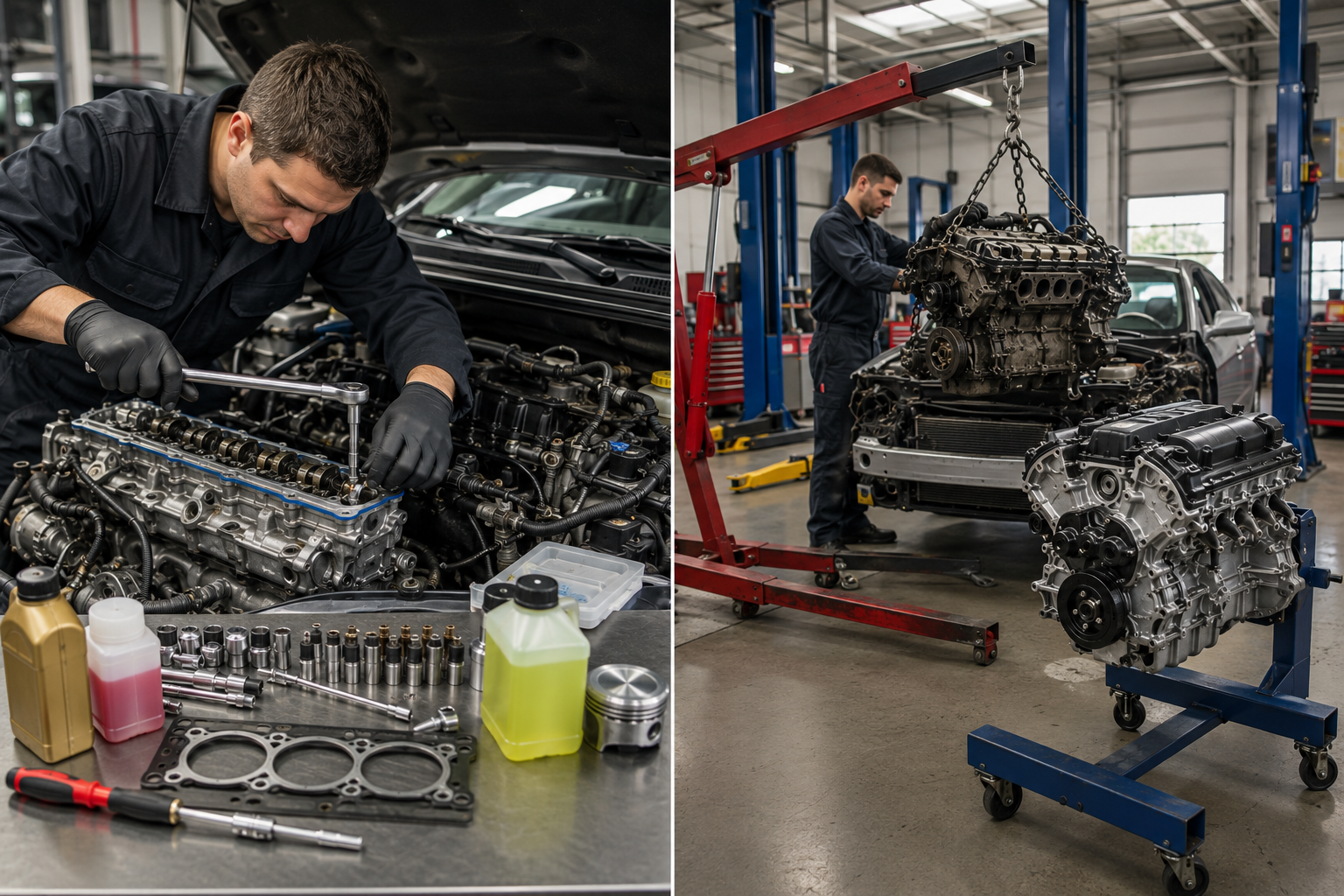
Cracked Engine Block Symptoms and Fixing a Cracked Engine Block: The Complete Guide
Introduction
Few automotive problems strike as much fear into a car owner as the words “Cracked Engine Block Symptoms.” As the foundational structure housing your engine’s cylinders, coolant passages, and oil galleys, the engine block is meant to last the entire life of the vehicle. When it cracks, the consequences can range from a slow, manageable coolant leak to complete engine failure. Understanding cracked engine block symptoms early, and knowing your options for fixing a cracked engine block, can mean the difference between a costly but manageable repair and a total loss of the vehicle.
This guide walks through everything you need to know, from recognizing the warning signs to comparing repair approaches and avoiding the mistakes that turn a bad situation worse.
Why Cracked Engine Block Symptoms Matter
The engine block is arguably the single most important structural component of your vehicle’s powertrain. It houses the cylinders where combustion occurs, the coolant passages that regulate engine temperature, and often the oil galleys that lubricate critical internal components. A crack anywhere in this structure compromises the integrity of one or more of these systems, and because the block is cast as a single piece, damage here is far more serious than a failure in a bolt-on component that can simply be replaced.
Recognizing cracked engine block symptoms early matters enormously because a small crack, if caught and addressed promptly, may be repairable through specialized welding or sealing techniques. Left unaddressed, however, a crack can widen under the stress of heat cycling and engine vibration, potentially leading to catastrophic coolant loss, oil contamination, or complete loss of compression, all of which can turn a repairable situation into one requiring full engine replacement. For any driver, understanding these symptoms is essential to catching the problem while options still exist.
Different Types of Engine Block Cracks and Their Symptoms
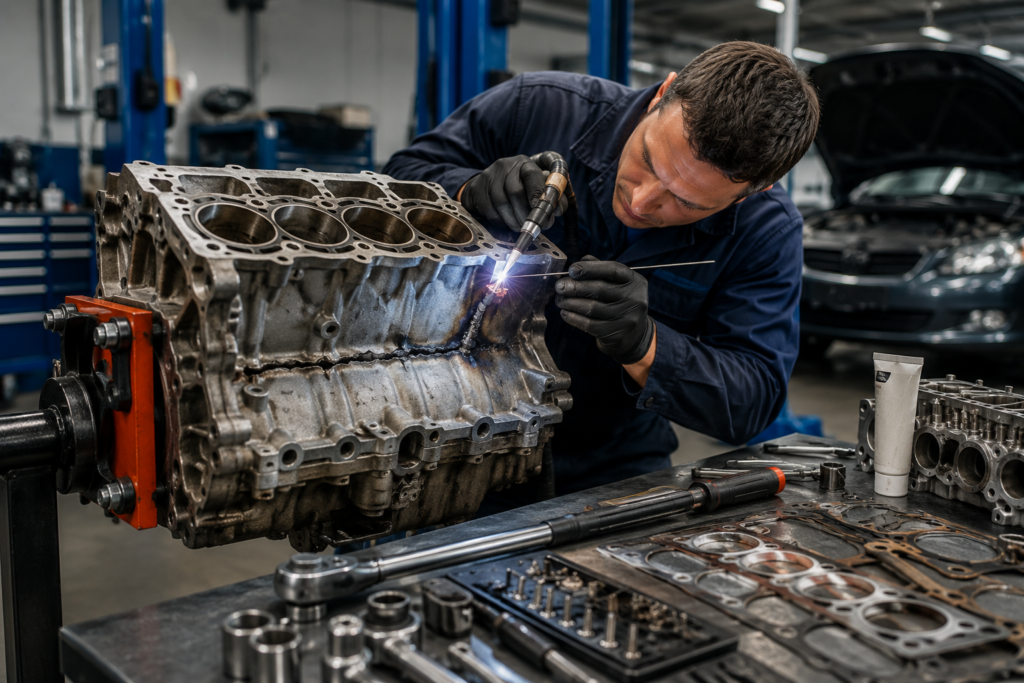
Not all cracked engine block symptoms look the same, since cracks can form in different locations and for different reasons. Here are the most common types to understand.
- Cylinder Wall Cracks: Cracks within the cylinder itself can cause loss of compression, rough idling, and visible coolant or oil in the combustion chamber, often producing white or blue exhaust smoke.
- Coolant Passage Cracks: These cracks allow coolant to leak either externally or into the oil or combustion chamber, often resulting in overheating, low coolant levels, and a sweet smell from the engine bay.
- Freeze Plug Area Cracks: Located near freeze plugs (also called core plugs), these cracks often develop after freezing temperatures cause trapped coolant to expand, leading to visible leaks near the plug locations.
- Main Bearing Saddle Cracks: Occurring around the crankshaft’s main bearing supports, these cracks are particularly serious, often causing unusual knocking noises and a loss of oil pressure.
- Deck Surface Cracks: Found on the top surface of the block where it meets the cylinder head, these cracks often cause head gasket failure symptoms, including coolant and oil mixing or external leaks at the head gasket seam.
- Water Jacket Cracks: Similar to coolant passage cracks, these specifically affect the water jacket surrounding the cylinders, often leading to gradual coolant loss without an obvious external leak.
- Casting Flaw-Related Cracks: Some cracks stem from manufacturing defects present since the block was originally cast, sometimes not manifesting symptoms until years of heat cycling reveal the weakness.
- Impact Damage Cracks: Caused by an external event, such as a thrown rod or catastrophic internal component failure, these cracks are often sudden and dramatic, frequently accompanied by loud noises and immediate performance loss.
- Thermal Stress Cracks: Developing gradually from repeated overheating events, these cracks often show a pattern of worsening symptoms over time, such as progressively increasing coolant loss.
- Freeze Damage Cracks: Distinct from freeze plug area cracks, these occur when coolant itself freezes within the block (often due to insufficient antifreeze concentration), causing the water’s expansion to crack the surrounding casting.
- Hairline Stress Cracks: Extremely fine cracks that may not cause noticeable symptoms initially but can slowly worsen under continued heat and vibration, eventually developing into more serious leaks.
Maintenance Comparison: Repair vs. Replacement Approaches
When it comes to fixing a cracked engine block, several distinct approaches exist, each with different cost, complexity, and long-term reliability considerations.
Cold Metal Stitching: A specialized repair method involving interlocking metal pins to mechanically bind the crack together without heat, often used for cast iron blocks where welding risks further cracking.
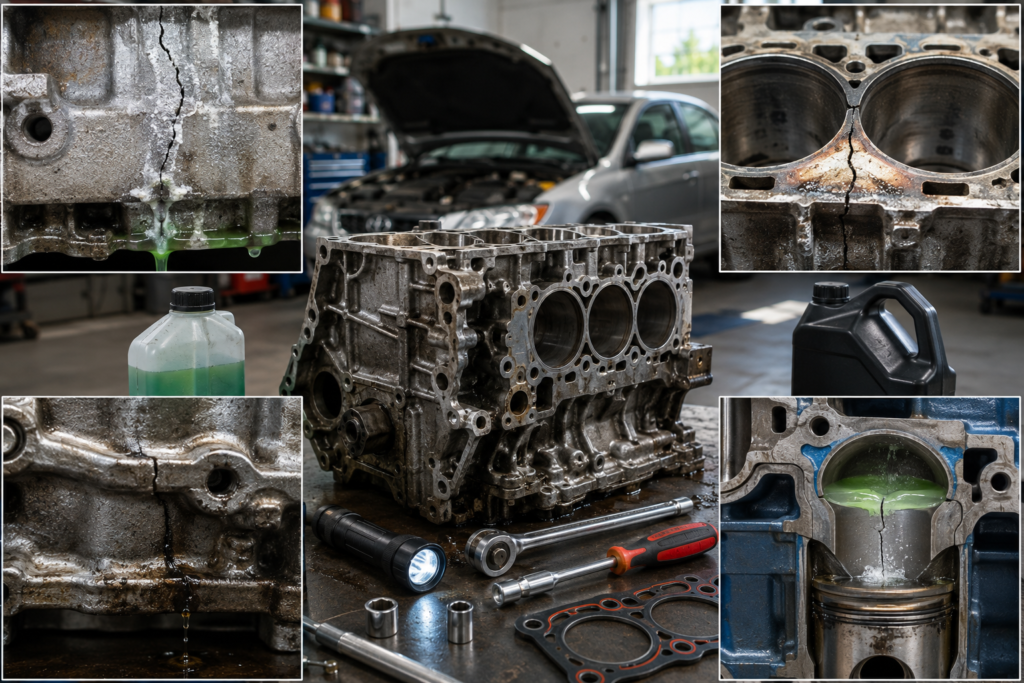
Welding Repair: Involves preheating the block and using specialized welding techniques suited to the specific metal (cast iron or aluminum), followed by controlled cooling to prevent new cracks from forming.
Epoxy or Sealant Repair: A lower-cost, less invasive option involving specialized high-temperature epoxy compounds designed to seal minor cracks, often used as a temporary or budget-conscious fix rather than a permanent solution.
Block Sleeving: For cracks affecting a cylinder wall, sleeving involves boring out the damaged cylinder and inserting a metal sleeve to restore the cylinder’s integrity, effectively bypassing the cracked material.
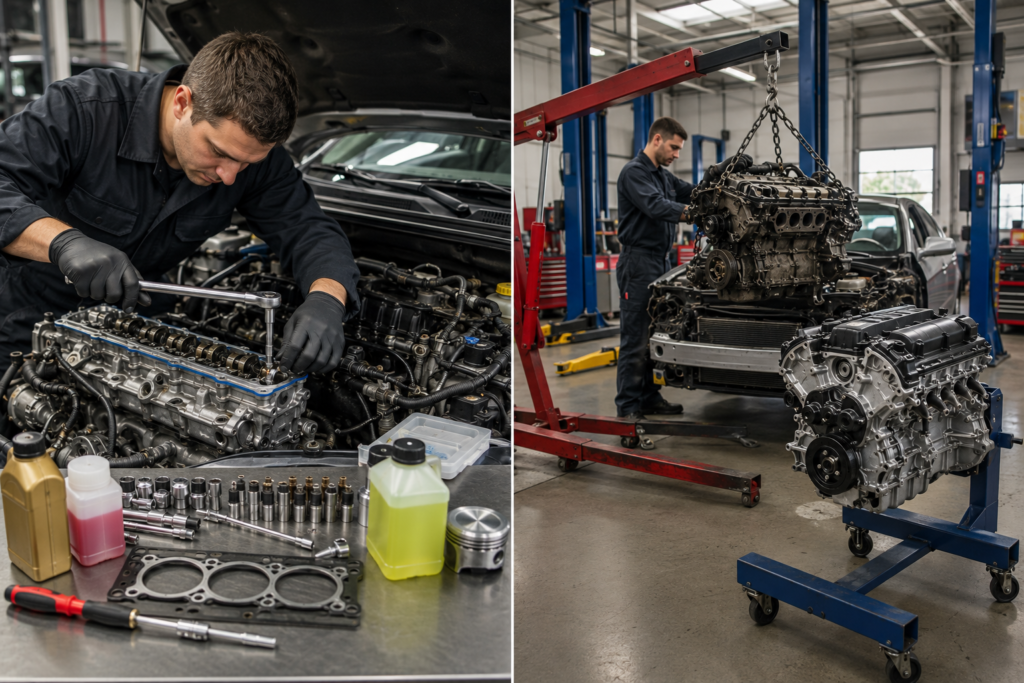
Full Engine Block Replacement: Involves sourcing a new or remanufactured block and transferring all internal components over, typically reserved for cases where cracks are too extensive or structurally significant for other repair methods.
Complete Engine Replacement: In cases where the vehicle’s overall condition doesn’t justify investing in a rebuilt block, replacing the entire engine (often with a used or remanufactured unit) may be more practical.
Fixing a Cracked Engine Block: Repair Methods Explained
Understanding how each cracked engine block repair method actually works helps set realistic expectations for cost, durability, and appropriate use cases.
Cold Metal Stitching Explained: This method uses specially designed metal pins, often made of a nickel alloy, that are threaded across the crack in an overlapping pattern. As they’re installed, they draw the crack together and create a mechanical seal without introducing the heat stress associated with welding, making this a popular choice for cast iron blocks prone to further cracking under thermal stress.
Welding Repair Explained: Welding a cracked engine block requires careful preheating of the entire block to prevent thermal shock, followed by precise welding using rods matched to the block’s specific metal composition. After welding, the block must cool slowly and evenly, often over many hours, to prevent new cracks from forming due to uneven contraction. This method requires significant expertise and specialized equipment, making it a job exclusively suited to experienced engine machine shops.
Epoxy and Sealant Repair Explained: High-temperature epoxy compounds are applied directly to cleaned, prepared crack surfaces, effectively sealing the gap and preventing further leakage. While more affordable and less invasive than welding or stitching, this method is generally considered less durable and is often used as a stopgap measure rather than a permanent structural repair, particularly for engines still under financial evaluation for full replacement.
Block Sleeving Explained: When a crack specifically affects a cylinder wall, machine shops can bore out the damaged area and press in a precisely fitted metal sleeve, effectively creating a new, structurally sound cylinder wall. This method is highly effective for cylinder-specific damage but doesn’t address cracks located elsewhere in the block, such as the water jacket or main bearing saddles.
Pros & Cons of Each Repair Type
Cold Metal Stitching
Pros: No heat-related stress risk, often more affordable than welding, and well-suited to cast iron blocks prone to further cracking.
Cons: May not be suitable for all crack locations or sizes, and long-term durability can vary based on the specific application and technician skill.
Welding Repair
Pros: Can provide a strong, permanent structural repair when performed correctly by an experienced technician.
Cons: Requires significant expertise and specialized equipment, carries risk of introducing new cracks if not performed carefully, and tends to be more expensive than other repair methods.
Epoxy or Sealant Repair
Pros: Low cost, minimally invasive, and can be a reasonable short-term solution for minor cracks.
Cons: Generally less durable than mechanical or welded repairs, and not recommended for structurally significant cracks or high-stress areas like main bearing saddles.
Block Sleeving
Pros: Highly effective for cylinder-specific damage, often restoring near-original performance to the affected cylinder.
Cons: Only addresses cylinder wall cracks specifically, and doesn’t resolve cracks in other areas of the block.
Full Block or Engine Replacement
Pros: Provides a clean, reliable, long-term solution, particularly for severe or multiple cracks.
Cons: The most expensive option, and finding a compatible replacement block can sometimes be challenging for older or less common engine models.
Each Type Repair Tips
For Cold Metal Stitching: Choose a shop with specific experience in this technique, since improper pin placement or spacing can compromise the repair’s effectiveness. Always follow up with a pressure test after the repair to confirm the crack is fully sealed.
For Welding Repair: Ensure the shop has experience specifically with your block’s material (cast iron versus aluminum), since welding techniques and filler materials differ significantly between the two. Ask about their preheating and controlled cooling process, since skipping these steps significantly increases the risk of repair failure.
For Epoxy Repair: Use this method only for minor, non-structural cracks, and set realistic expectations that this may be a temporary rather than permanent fix. Regularly monitor coolant levels afterward to catch any recurrence early.
For Block Sleeving: Confirm that the machine shop has properly assessed whether the crack is isolated to the cylinder wall before proceeding, since sleeving won’t address damage elsewhere in the block.
For Full Replacement: Compare costs between a new, remanufactured, and quality used block, and factor in the labor cost of transferring all internal components, which can be substantial regardless of which replacement block you choose.
Cleaning & Maintenance to Prevent Cracked Engine Blocks
While not every cracked engine block can be prevented, consistent cooling system maintenance significantly reduces the risk. Regularly check and maintain proper coolant levels and concentration, since insufficient antifreeze protection can allow coolant to freeze and crack the block in cold climates. Address overheating incidents immediately rather than continuing to drive, since repeated or prolonged overheating is one of the most common contributors to thermal stress cracking.
Keep the cooling system free of contaminants by flushing coolant according to the manufacturer’s recommended schedule, since degraded coolant loses its protective properties over time. Inspect freeze plugs periodically for corrosion or damage, since failure in this area can sometimes indicate broader stress on the surrounding block material. Finally, address any known overheating causes — such as a failing water pump, clogged radiator, or malfunctioning thermostat — promptly, since these issues directly increase the risk of block damage if left unresolved.
Common Mistakes to Avoid
Avoid continuing to drive a vehicle showing signs of a cracked engine block, since doing so risks turning a repairable crack into a catastrophic failure. Don’t rely solely on epoxy or sealant products for structurally significant cracks, since these methods are generally better suited to minor issues rather than serious structural damage. Avoid choosing a repair shop without specific experience in engine block welding or stitching, since improper technique can worsen the damage rather than resolve it.
Don’t skip a pressure test or thorough inspection after any repair, since confirming the fix has fully addressed the issue is essential before returning the vehicle to regular use. Finally, avoid assuming a cracked block always means the end of the vehicle, since many cracks, when caught early and properly assessed, can be successfully repaired through the methods outlined in this guide.
FAQs
1. What are the earliest cracked engine block symptoms to watch for? Early signs often include unexplained coolant loss, overheating, or a sweet smell near the engine bay, even before more serious symptoms like visible leaks or exhaust smoke appear.
2. Can a cracked engine block be repaired without removing it from the vehicle? In some cases, minor external cracks can be addressed in place, though most significant repairs, including welding and sleeving, typically require the block to be removed and disassembled.
3. How much does fixing a cracked engine block typically cost? Costs vary widely depending on the repair method and severity, ranging from a few hundred dollars for minor epoxy repairs to several thousand dollars for welding, sleeving, or full block replacement.
4. Is it ever safe to keep driving with a cracked engine block? No, continuing to drive risks worsening the crack and potentially causing catastrophic engine failure, so prompt diagnosis and repair are strongly recommended.
5. Can cold weather really crack an engine block? Yes, if coolant concentration is insufficient, the coolant itself can freeze and expand, generating enough force to crack the surrounding block material.
6. How do mechanics diagnose a cracked engine block? Common diagnostic methods include pressure testing the cooling system, dye penetrant testing on suspected crack areas, and inspecting for coolant or oil contamination between systems.
7. Is welding a cracked engine block a permanent fix? When performed correctly by an experienced technician, welding can provide a long-lasting, structurally sound repair, though results depend heavily on the skill of the technician and the specific location of the crack.
8. What’s the difference between a cracked block and a blown head gasket? While symptoms can overlap, a blown head gasket involves failure at the seal between the block and cylinder head, while a cracked block involves damage to the block’s cast structure itself.
9. Can I use a sealant additive poured into the coolant to fix a cracked block? While some products claim to seal minor leaks this way, this approach is generally considered a temporary measure at best and isn’t a reliable fix for structurally significant cracks.
10. Does a cracked engine block always require full replacement? No, many cracks can be successfully repaired through methods like welding, stitching, or sleeving, depending on the crack’s size, location, and severity.
11. How can I tell if my engine block crack is repairable or not? A qualified machine shop can assess the crack’s location, size, and the specific area of the block affected to determine whether a repair method is appropriate or if replacement is the better option.
12. What causes engine blocks to crack in the first place? Common causes include repeated overheating, insufficient coolant concentration in cold weather, casting defects, and impact damage from internal component failure.
13. Can aluminum engine blocks be welded the same way as cast iron? No, aluminum requires different welding techniques and filler materials compared to cast iron, so it’s important to choose a shop experienced with your specific block material.
14. How long does a typical cracked engine block repair take? Timelines vary significantly based on the repair method and shop workload, but complex repairs like welding or full block replacement can take anywhere from several days to a few weeks.
15. Is it worth repairing a cracked engine block on an older vehicle? This depends on the vehicle’s overall condition and value; for otherwise reliable vehicles, repair is often worthwhile, while for older vehicles nearing the end of their useful life, replacement or retirement may make more financial sense.
Conclusion
Recognizing cracked engine block symptoms early and understanding your options for fixing a cracked engine block can make a significant difference in both the cost and outcome of this serious repair. Whether you’re dealing with a minor hairline crack suitable for epoxy sealing, a more significant crack requiring welding or cold metal stitching, or damage extensive enough to warrant full block replacement, prompt diagnosis and choosing an experienced, qualified repair shop are essential to achieving a lasting, reliable fix.
By staying attentive to early warning signs and maintaining your cooling system proactively, you can reduce the risk of ever facing this repair in the first place, and if you do encounter it, approach the situation with the knowledge needed to make an informed, confident decision.