How Much Does It Cost to Repair Car Air Conditioning: 7 Factors to Consider
Dealing with a broken car air conditioning system can be frustrating, especially when you’re not sure how much it will cost to fix. You’re not alone—many people struggle with unexpected AC repair bills that can quickly add up. Understanding what influences the cost can help you make smarter decisions and avoid surprises.
Repairing your car’s air conditioning can cost anywhere from $100 to over $1,200 depending on several key factors. Your vehicle’s make and model affect parts prices and labor time, while the type of repair like leak fixes or compressor replacements directly impacts costs.
The refrigerant type used also changes expenses, especially with legal handling requirements. Choosing skilled technicians and preventive maintenance can save you money.
Keep exploring to uncover what influences your AC repair bill most.
Repair Car Air Conditioning Key Takeaways
- Repair costs vary by vehicle make, model, and AC system complexity, influencing parts and labor expenses.
- Common repairs include leak fixes ($150-$600), refrigerant recharges ($100-$250), and compressor replacements ($500-$1,200).
- Refrigerant type (R-12, R-134a, or R-1234yf) affects availability, cost, and legal handling fees.
- Labor rates depend on location, technician expertise, and billing method, impacting total repair costs.
- Early detection through regular inspections and maintenance reduces repair severity and overall expenses.
Common AC Problems That Increase Repair Costs
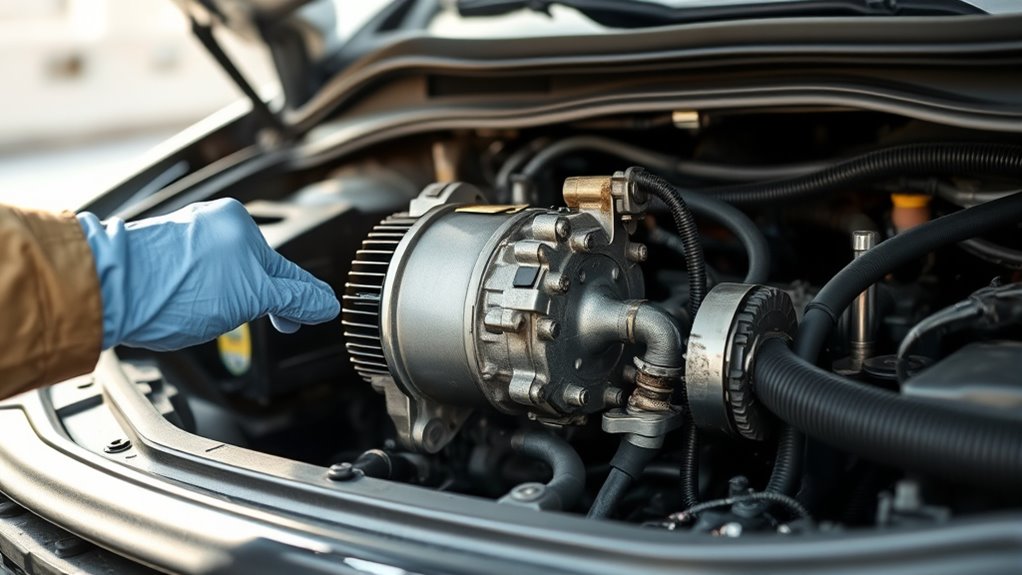
When your car’s air conditioning starts acting up, several common problems could be driving up repair costs. One major issue is refrigerant leaks, which directly affect air conditioning efficiency. When your AC system loses refrigerant, it struggles to cool your car effectively, forcing the compressor to work harder and increasing wear.
Detecting and fixing these leaks often means replacing seals, hoses, or even components like the condenser, which can add to your bill.
Fixing leaks may require replacing seals, hoses, or the condenser, increasing your repair costs.
Another frequent culprit is a failing compressor or a clogged expansion valve. These parts regulate refrigerant flow and pressure, so any malfunction reduces air conditioning efficiency. You might notice weak airflow or warm air from the vents.
Ignoring these issues can lead to more extensive damage, boosting repair costs. By understanding these common problems, you can spot symptoms early and avoid unexpected expenses, keeping your AC running smoothly and efficiently.
How Vehicle Make and Model Affect AC Repair Prices
Since different vehicles use varying AC system designs and parts, the make and model considerably influence repair costs. When you’re dealing with vehicle compatibility, some models require specialized components that are pricier or harder to find.
For example, luxury brands often use proprietary parts, which can drive up expenses. Furthermore, certain models face model-specific issues, like common compressor failures in particular years or refrigerant leaks unique to some designs. These factors mean your car’s brand and year can directly impact how much you’ll pay to fix the AC.
Also, some vehicles have more complex AC layouts, making repairs more time-consuming and costly. So, when budgeting for AC repair, consider your vehicle’s make and model closely. They play a big role in determining the final price.
Understanding these nuances helps you anticipate costs better and choose the right repair shop familiar with your car’s specific needs.
Types of AC Repairs and Their Cost Impact
You’ll find that different AC repairs, like fixing leaks or replacing compressors, come with varying costs. Some common repairs might be quick and affordable, while others can get pricey depending on the part and labor involved.
It really helps to understand the types of repairs out there. That way, you can better anticipate how much you might spend to get your AC back in shape.
Common Repair Types
Understanding the common types of car air conditioning repairs can help you anticipate costs and make informed decisions. One typical issue involves clogged or dirty air conditioning filters that reduce airflow and cooling efficiency. Replacing these filters is usually quick and affordable.
Another frequent problem is coolant leaks, which can cause your AC system to lose refrigerant, leading to poor cooling and potential damage. Fixing these leaks often requires locating the source, repairing or replacing damaged hoses, seals, or components, and recharging the system.
Other common repairs include compressor failures, faulty condensers, or broken fans, each with varying costs. Knowing these repair types helps you recognize symptoms early and budget accordingly, ensuring your car’s AC stays in good shape without unexpected expenses.
Repair Costs Variation
Different types of AC repairs can lead to a wide range of costs, so knowing what specific issue your car has can help you plan your budget better. Pricing fluctuations often stem from the complexity of the repair and the parts involved.
Diagnostic challenges may also increase labor costs, as pinpointing the exact problem takes time. Here’s a quick overview:
| Repair Type | Typical Cost Range | Cost Impact Reason |
|---|---|---|
| Refrigerant Recharge | $100 – $250 | Low parts, moderate labor |
| Compressor Replacement | $500 – $1,200 | High parts, complex labor |
| Leak Repair | $150 – $600 | Variable parts and labor |
Understanding these variations helps you anticipate expenses and avoid surprises during your car’s AC repair.
How Labor and Service Fees Affect Your AC Repair Cost
Since labor costs vary widely by location and technician expertise, they can considerably impact your car AC repair bill. When you’re comparing repair shops, look for pricing transparency to avoid surprises. Some shops charge flat rates, while others bill by the hour, so understanding their fee structure helps you budget better.
Technician expertise matters too. Skilled professionals may charge more upfront but can diagnose and fix issues faster, potentially saving you time and money.
Keep in mind that service fees, like diagnostic charges, also add up. These fees cover the time and tools required to identify the problem accurately. If a shop lacks pricing transparency, you might end up paying more than expected.
To keep costs manageable, ask for a detailed estimate before any work begins and inquire about the technician’s experience with your car’s make and model. This way, you guarantee you’re paying a fair rate for quality service.
Refrigerant Types and Availability Effects on Repair Expenses
Because refrigerants play an essential role in your car’s AC system, the type used and its availability can markedly impact your repair costs. Older vehicles often use R-12 refrigerant, which is scarce and expensive due to strict refrigerant regulation aimed at reducing environmental impact.
If your car requires R-12, expect higher costs for refilling or repairs involving refrigerant. Newer models typically use R-134a or the more eco-friendly R-1234yf, which are more widely available and generally less costly. However, R-1234yf, designed to lower environmental impact, tends to be pricier than R-134a.
Because of these regulations, technicians must handle refrigerants carefully and follow legal disposal procedures, sometimes adding to labor fees. When your AC needs recharging or repairs, knowing which refrigerant your car uses helps you anticipate expenses.
When to Replace vs. Repair AC Components: Cost Considerations
When your car’s AC starts acting up, you’ll need to decide whether to repair or replace key components, and cost plays a major role in that choice. A cost comparison between replacement versus repair helps you weigh immediate expenses against long-term reliability. For example, repairing a compressor might be cheaper upfront, but replacing it could save you frequent fixes later.
Here’s a quick cost comparison table to guide you:
| Component | Repair Cost Range | Replacement Cost Range |
|---|---|---|
| Compressor | $150 – $400 | $400 – $1,200 |
| Condenser | $100 – $300 | $300 – $700 |
| Evaporator Core | $150 – $350 | $400 – $900 |
If repair costs near replacement prices or if the part is prone to failure, replacement often makes more sense. Always factor in the part’s condition and your vehicle’s age when deciding.
Money-Saving Tips for Car AC Repairs
You can save money on car AC repairs by handling simple maintenance tasks yourself, like checking refrigerant levels or replacing filters. It’s not too hard to learn, and doing these little things can keep your AC in good shape.
When it’s time to call in a professional, make sure to shop around. Compare prices from different shops and look for a service that offers fair rates without cutting corners. This way, you get quality work without blowing your budget.
Taking these steps helps you keep your car’s AC running smoothly, all while keeping your expenses in check. It’s a smart way to stay cool without overspending.
DIY Maintenance Tips
How can you keep your car’s air conditioning running smoothly without breaking the bank? Start with DIY troubleshooting and preventive maintenance. Regularly check refrigerant levels, clean or replace the cabin air filter, and inspect belts and hoses for wear.
These simple steps help you catch issues early, avoiding costly repairs.
| Task | Frequency | Tools Needed |
|---|---|---|
| Check refrigerant | Every 6 months | Pressure gauge |
| Replace air filter | Every 12 months | Screwdriver |
| Inspect belts/hoses | Every 6 months | Visual inspection |
Choosing Affordable Service
Although repairs can feel overwhelming, choosing affordable service doesn’t have to drain your wallet. Start by doing a cost comparison among local repair shops. Getting multiple quotes helps you spot fair pricing and avoid overpaying.
Don’t hesitate to ask about service discounts. Many shops offer deals for first-time customers, seasonal promotions, or bundled services. Signing up for newsletters or loyalty programs can also gain additional savings.
Remember, the cheapest option isn’t always the best. Prioritize reputable providers to guarantee quality work. By comparing costs and hunting for discounts, you keep your car’s AC running smoothly without breaking the bank.
Taking these steps empowers you to make smart choices that protect both your comfort and your budget.
Frequently Asked Questions
How Often Should I Service My Car’s AC System?
You should service your car’s AC system at least once a year to keep it running smoothly. Regular checks help confirm the air filter is clean and refrigerant levels are ideal, preventing costly repairs.
If you notice weak cooling or strange smells, get it checked sooner. Keeping up with maintenance not only improves comfort but also extends your AC system’s life and efficiency, saving you money in the long run.
Can DIY AC Repairs Save Money Without Causing Damage?
You can save up to 30% on repairs by doing DIY troubleshooting for your car’s AC, but it depends on your skill level. Simple fixes like replacing a fuse or recharging refrigerant are cost-effective and safe if you follow instructions carefully.
However, complex issues risk causing more damage, leading to higher expenses. Always weigh the cost comparison between DIY and professional repairs before diving in to avoid costly mistakes.
Does Car Age Affect the Likelihood of AC Failures?
Yes, your car’s age definitely affects the likelihood of AC failures. Older vehicles are more prone to refrigerant leaks because seals and hoses wear out over time.
Compressor issues also become common as parts age and experience more strain. If you drive an older car, you should expect more frequent AC repairs, especially related to these components.
Regular maintenance can help, but age increases the chances you’ll face these problems.
Are There Warranties Covering Car AC Repairs?
Yes, you can find warranty coverage for car AC repairs, depending on your vehicle’s warranty or an extended warranty plan. These warranties often help reduce repair costs if the issue stems from a manufacturing defect or covered component.
However, wear and tear or lack of maintenance usually aren’t covered. It’s smart to check your warranty details carefully so you know exactly what AC repairs are included before you face unexpected expenses.
How Does Climate Influence Car AC Maintenance Needs?
Did you know cars in hot, humid climate zones need AC maintenance twice as often? Your climate zone directly impacts your maintenance frequency.
If you live somewhere with intense heat or high humidity, your AC works harder, meaning you’ll need more frequent check-ups and recharge services. Cooler, drier climates put less stress on your system, letting you extend time between maintenance.
Conclusion
When your car’s AC acts up, it’s like a leaky faucet dripping repair costs. By understanding common issues, how your vehicle’s make influences prices, and the type of repair needed, you can dodge unexpected expenses.
Keep an eye on labor fees and refrigerant costs, and know when it’s smarter to replace parts rather than patch them up. With these tips, you’ll stay cool without burning a hole in your wallet when it comes to how much it costs to repair car air conditioning.