How to Find Out What Engine Your Car Has in 7 Steps
Trying to figure out what engine your car has can be frustrating, especially if you’re not a car expert. You’re not alone—many people struggle with identifying engine details, which can make maintenance and repairs confusing.
Luckily, there’s a straightforward way to find out exactly what engine powers your vehicle.
You can find out what engine your car has in seven simple steps. First, check your owner’s manual for engine details.
Next, inspect under-hood labels for specs like oil grades.
Then, look for engine codes stamped on the engine block and decode them.
Use the VIN to get engine info online, and compare specs to your car’s model and year.
Finally, ask a trusted mechanic for confirmation and advice.
Follow these to gain clear insight into your engine’s specifics and care.
Key Takeaways
- Check the owner’s manual for detailed engine type, size, and specifications.
- Locate and decode the engine code stamped on the engine block near the oil dipstick or filter.
- Decode the Vehicle Identification Number (VIN) found on the dashboard or door frame for engine details.
- Use online VIN decoder tools and manufacturer databases to verify engine specs accurately.
- Inspect under-hood labels and stickers for oil grades, engine displacement, and maintenance information.
Check Your Owner’s Manual for Engine Details

Although it might seem obvious, your owner’s manual is the quickest way to find detailed information about your car’s engine. When you flip through it, you’ll uncover specifics like engine type, size, and performance specs that help you understand what powers your vehicle.
This info is essential for proper engine maintenance, as it guides you on recommended oil types, service intervals, and other care tips that keep your engine running smoothly. By following these guidelines, you’ll also improve fuel efficiency, saving money and reducing emissions.
The manual often includes troubleshooting advice, so you can catch potential problems early. Instead of guessing or searching online, relying on your owner’s manual ensures you get accurate details tailored to your exact car model.
Keep it handy in your glove compartment or digitally for quick reference whenever you need to check engine specs or maintenance advice. It’s your go-to resource for keeping your engine in top shape.
Inspect Under-Hood Labels and Stickers
When you pop the hood, take a close look at the labels and stickers placed around the engine bay. They often hold key information about your engine type and specifications. These labels can include details about recommended engine oil grades, which hint at your engine’s design and performance needs.
You might also spot information about the spark plugs your engine requires, such as their type or gap settings. Manufacturers place these stickers to guide maintenance, so they’re reliable sources for identifying engine characteristics.
Besides oil and spark plug info, some labels provide engine displacement or emission standards. This helps you confirm the engine model. Make sure the labels are intact and legible, as worn or missing stickers could make it harder to find accurate info.
Look for Engine Codes on the Engine Block
You’ll want to find the engine code stamped directly on the engine block. It’s usually in a spot that’s easy to see, like near the front or on the side. Once you find the code, you can decode the numbers to figure out your engine’s specifications. This info is really helpful because it confirms the exact engine type your car has.
Locating Engine Code
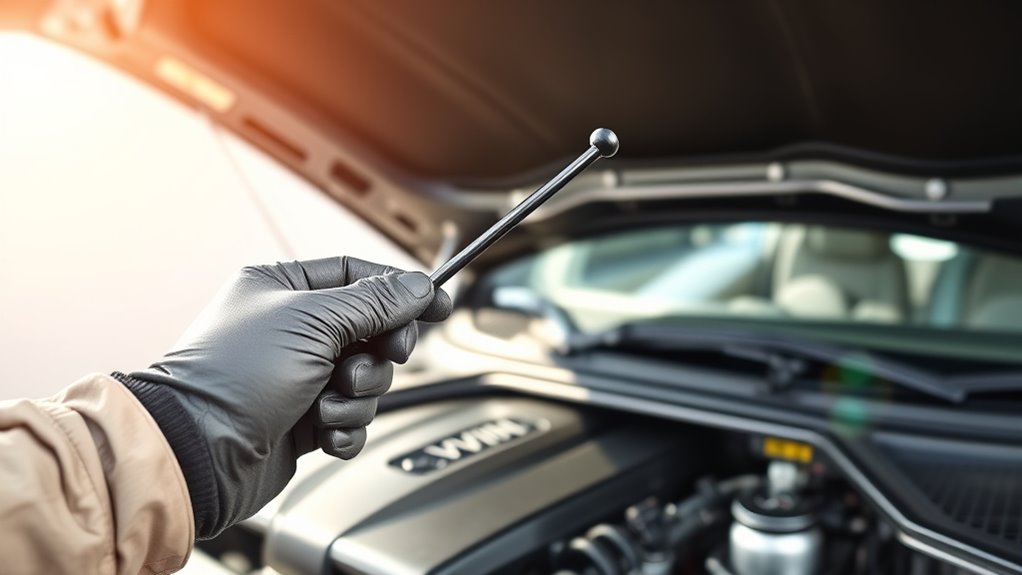
Since the engine code is usually stamped directly onto the engine block, you can find it by carefully inspecting the metal surface. Start by opening the hood and locating the engine block. It’s often near where the engine oil dipstick or oil filter is.
Look for a flat, clean area free of grime or rust. Sometimes you’ll spot the code close to the spark plugs, as this area provides a clear metal surface. Use a flashlight if needed and wipe the area with a rag to reveal the stamped numbers or letters.
The engine code might be a combination of letters and numbers, and it’s typically etched or stamped deeply enough to withstand engine heat and oil exposure. Once found, you’ll have a key detail to identify your car’s engine.
Decoding Engine Numbers
Finding the engine code on your engine block gives you more than just a set of numbers. It reveals information about your car’s engine type, manufacturing date, and specifications.
Once you locate the code, you can decode it using guides or manufacturer resources to understand your engine specifications precisely. These codes often include details about displacement, cylinder arrangement, and production year.
Knowing this helps you assess engine performance and compatibility with parts or upgrades. It’s especially useful if you’re considering repairs or modifications.
Decode Your Vehicle Identification Number (VIN)
Although the VIN might seem like just a long string of letters and numbers, it holds essential details about your car’s engine type. By decoding your Vehicle Identification Number, you can uncover specifics about engine performance and fuel efficiency that manufacturers embed in the code.
Each section of the VIN corresponds to different information such as the engine model, size, and sometimes even the horsepower rating. When you locate your VIN, usually found on the driver’s side dashboard or door frame, you can reference a VIN decoder guide to interpret the characters accurately.
Each VIN section reveals engine details like model, size, and horsepower—use a decoder guide for accurate interpretation.
Understanding this code helps you confirm if your engine matches your vehicle’s specifications or if it’s been modified. Knowing your engine details supports better maintenance and informed decisions about repairs, upgrades, or fuel choices. This directly impacts your car’s performance and fuel efficiency.
Decoding your VIN gives you a clear, reliable insight into your vehicle’s heart without guesswork.
Use Online Tools to Identify Your Engine
When you’ve got your VIN handy, you can easily use online tools to identify your engine type. Many websites and apps let you enter your VIN and instantly reveal detailed engine information. These tools pull from manufacturer databases, saving you time and guesswork.
Knowing your exact engine helps you understand its fuel efficiency, so you can better plan your driving habits and reduce fuel costs. Plus, it’s essential for engine maintenance. You’ll know what parts fit and when service is due.
Some tools even offer additional specs like horsepower and torque, which can be helpful if you’re comparing or upgrading. Just make sure to use reliable sources to get accurate data. In short, tapping into these online resources is a smart way to get precise engine details quickly, helping you maintain your car properly and optimize its performance.
Compare Engine Specs to Your Car’s Model and Year
Since engine options can vary even within the same car model, you should compare the engine specs to your car’s specific model and year. Start by gathering details like engine size, horsepower, and torque from reliable sources such as the manufacturer’s website or trusted automotive databases.
These specs directly affect your engine performance and fuel efficiency, helping you understand what your car is capable of. Matching these details guarantees you correctly identify your engine variant, which is essential for maintenance, repairs, or upgrades.
Also, keep in mind that slight changes in engine design can occur between model years, impacting these performance metrics. By paying close attention to this information, you’ll avoid confusion caused by similar model names that house different engines.
Comparing engine specs tailored to your car’s model and year ultimately gives you a clearer picture of your vehicle’s capabilities and helps you make informed decisions about its care.
Ask a Mechanic to Identify Your Engine
If you’re not sure about your engine, the best thing to do is find a trusted mechanic to take a look. It really helps to have some specific questions ready to make sure they can identify your engine clearly. And don’t hesitate to ask them to explain things in a way that makes sense to you—after all, you want to feel confident about what’s under your hood.
Finding a Trusted Mechanic
Although you might want to identify your car’s engine on your own, consulting a trusted mechanic can save you time and frustration. To find one, start by asking friends or reading online reviews to locate a mechanic known for honesty and expertise.
A reliable mechanic will not only identify your engine accurately but also advise you on proper engine maintenance and potential vehicle upgrades. Trust matters because a skilled professional ensures your car runs smoothly and safely while helping you make informed decisions about upgrades.
Avoid mechanics who rush or give unclear answers. Instead, pick someone who communicates well and shows genuine knowledge of your vehicle’s make and model. This relationship will prove invaluable for ongoing maintenance and any future engine-related needs.
Questions to Ask Mechanic
Building a good rapport with your mechanic makes it easier to get the information you need about your car’s engine. When you ask clear questions, you’ll learn about common troubleshooting and essential maintenance tips for your specific engine type. Be direct and focus on what matters most to you.
Here are some questions you can ask:
| Question | Purpose | Emotion Evoked |
|---|---|---|
| What engine do I have? | Identify engine type | Confidence |
| Are there common issues? | Understand common troubleshooting | Reassurance |
| What maintenance should I do? | Learn maintenance tips | Preparedness |
| How often should I service it? | Plan maintenance schedule | Control |
These questions help you stay informed and proactive about your car’s health.
Understanding Mechanic’s Explanation
When you ask your mechanic to identify your engine, listen carefully to their explanation to fully understand what they’re telling you. They’ll likely describe key engine components and may provide troubleshooting tips that help you spot potential issues early.
Don’t hesitate to ask for clarification if their terms seem confusing. Understanding their explanation is vital for effective engine maintenance and ensuring your car runs smoothly. You can also learn how certain engine types impact performance and repair costs.
Frequently Asked Questions
How Often Should I Service My Car’s Engine?
You should service your car’s engine every 5,000 to 7,500 miles, but always check your owner’s manual for specifics. Regularly changing the engine oil keeps your engine running smoothly, while maintaining the cooling system prevents overheating.
Don’t wait for warning signs; proactive servicing helps avoid costly repairs and extends your engine’s life. Keep an eye on oil levels and coolant condition between services to stay on top of your car’s health.
What Are Common Signs of Engine Trouble?
You might notice your engine is asking for a little extra attention if you spot oil leaks or hear unusual noises when you start your car. These subtle hints often mean your engine’s feeling a bit under the weather.
Other signs include rough idling, reduced power, or warning lights on your dashboard. Don’t ignore these whispers; addressing them early helps you avoid bigger headaches down the road and keeps your car running smoothly.
Can Engine Type Affect My Car’s Fuel Efficiency?
Yes, engine type can definitely affect your car’s fuel efficiency. Different engines have varying fuel consumption rates based on their design and size.
If you want the best performance, you need to guarantee engine compatibility with your vehicle’s specifications. Using an engine not suited for your car can increase fuel consumption and reduce efficiency.
How Do I Know if My Engine Needs a Rebuild?
Imagine your engine is like a marathon runner. When it starts gasping for air, it’s a sign to check in. You’ll notice rebuild indicators like excessive smoke, knocking sounds, or loss of power.
If you’re facing frequent overheating or oil consumption, it’s time for an engine overhaul. Don’t ignore these signs. Catching them early can save you from costly repairs and keep your car running smoothly.
What Is the Difference Between Diesel and Gasoline Engines?
The main difference between diesel and gasoline engine types lies in how they ignite fuel. Diesel engines compress air to ignite fuel, while gasoline engines use spark plugs.
You’ll find diesel engines offer better fuel efficiency and torque, but gasoline engines run quieter and smoother.
Fuel compatibility matters. You must use the right fuel for your engine type to avoid damage and guarantee maximum performance. Always check what your car requires before filling up.
Conclusion
Finding out what engine your car has doesn’t have to be a wild goose chase. By gently peeling back the layers, checking your manual, inspecting labels, decoding the VIN, or simply asking a mechanic, you’ll uncover the heart that keeps your car running smoothly.
Each step is like lifting a corner of the hood to reveal the story beneath. With a little curiosity, you’ll soon see your engine in a whole new light. Finding out what engine your car has can be easier than you think!