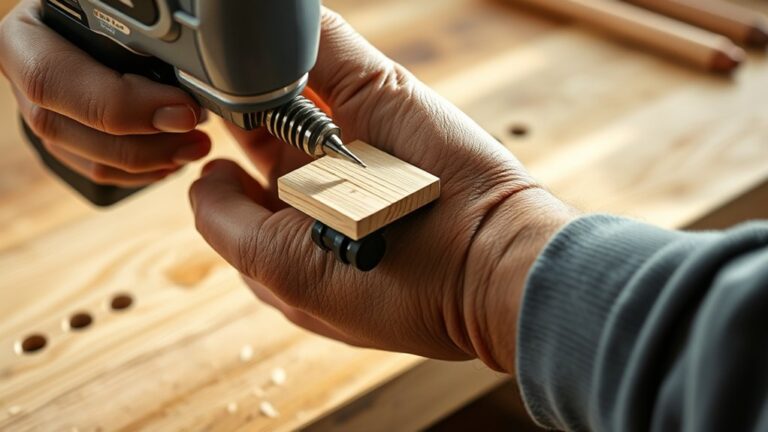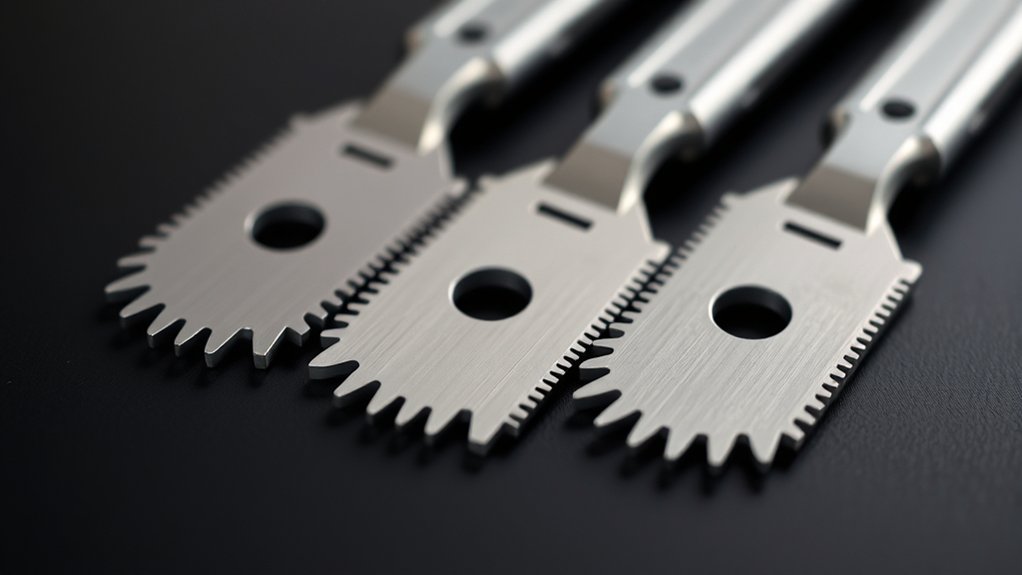
Top 3 Oscillating Tool Blades for Precision Cutting
Choosing the right oscillating tool blade can be frustrating, especially when you need clean, accurate cuts without damaging your material. You’re not alone—many people struggle to find a blade that balances precision, durability, and versatility.
In this guide to the top 3 oscillating tool blades for precision cutting, we’ll cover the best options for wood, metal, and everyday repairs.
For precision cutting, choose a fine-tooth wood blade with closely spaced teeth, a rigid body, and depth markings for clean, controlled trims.
For metal, use a narrow bi-metal blade with hardened high-speed steel teeth to cut nails, screws, and sheet metal accurately.
For everyday repairs, select a multi-material blade with carbide tips or bi-metal construction and a medium tooth pitch.
Match blade width to your project, use moderate pressure, and continue below for selection tips.
Key Takeaways
- Choose fine-tooth blades for clean, controlled cuts in wood, plastic, and other delicate materials.
- Select narrow blades for tight spaces and wider blades for straighter, more stable cuts.
- Use bi-metal blades for durable cutting through hardwood, nails, screws, and thin metal.
- Consider carbide-tipped multi-material blades for versatile everyday repairs across varied materials.
- Prioritize rigid blade bodies, depth markings, and universal shanks for improved precision and compatibility.
Best Oscillating Tool Blade for Clean Wood Cuts
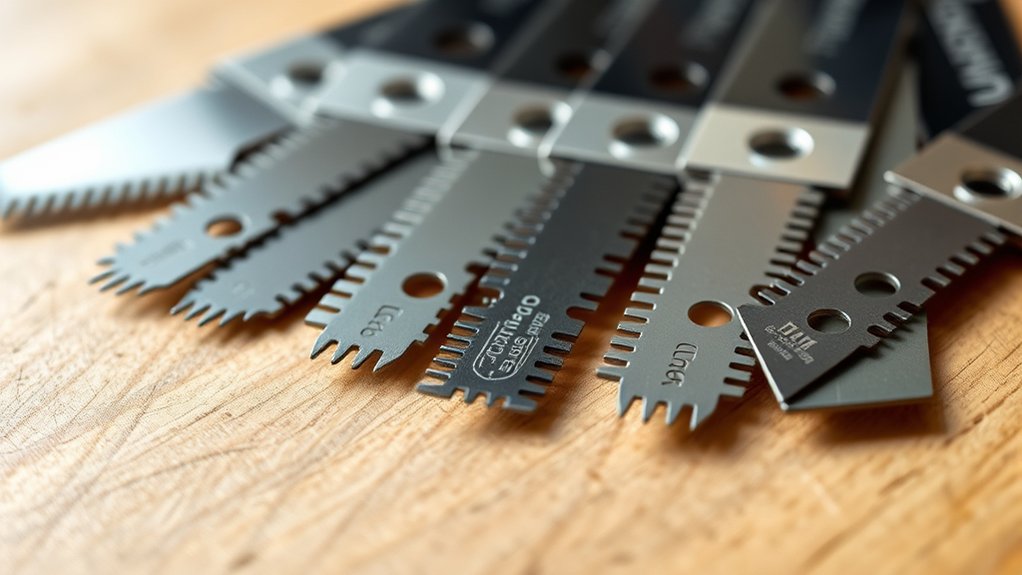
When you need clean, controlled wood cuts, choose a fine-tooth oscillating tool blade designed for wood. Its closely spaced teeth help you trim door jambs, cut baseboards, and create neat openings for outlets without excessive splintering.
You’ll get better results when you match the blade’s width to your project. A narrow blade improves access in tight spaces, while a wider option supports straighter, faster cuts.
Look for a blade with precision control features, such as a rigid body and clear depth markings. These details help you guide the tool steadily and avoid cutting beyond your intended line.
Bi-metal construction can also improve blade durability, especially when you work through hardwood or encounter occasional nails. Still, use moderate pressure and let the oscillating action do the cutting.
Secure your workpiece, mark your cut clearly, and replace a dull blade promptly. A sharp, wood-specific blade delivers cleaner edges, smoother starts, and more consistent results.
Best Oscillating Tool Blade for Cutting Metal
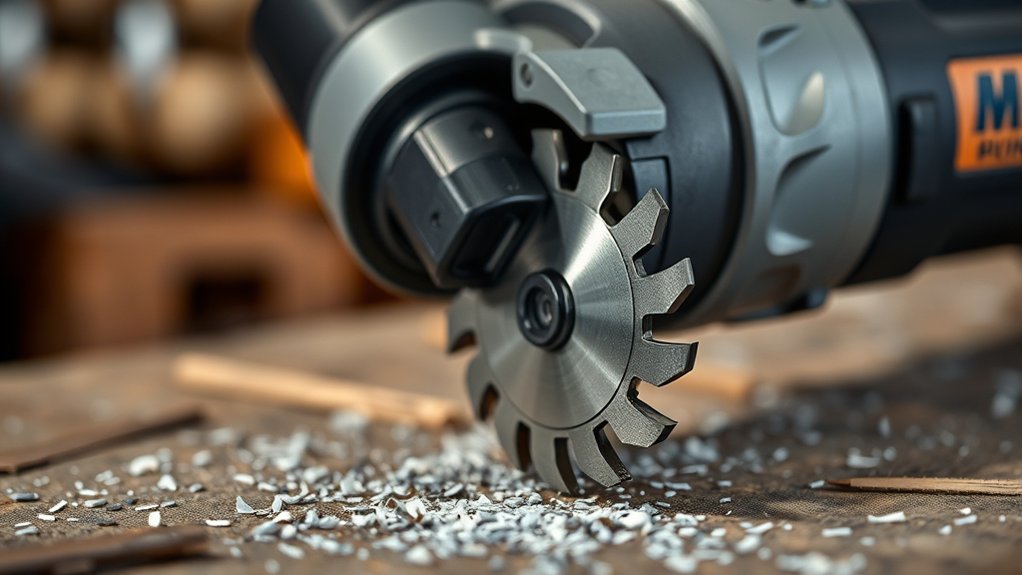
For cutting metal, choose a bi-metal oscillating tool blade with hardened high-speed steel teeth, which can handle sheet metal, screws, nails, and other thin metal materials without dulling quickly. You’ll get reliable results when you pair the blade with steady pressure and a controlled cutting angle.
- Blade durability: Bi-metal construction resists heat, wear, and tooth breakage, helping you finish demanding cuts with fewer replacements.
- Cutting speed: Fine, sharp teeth bite through metal efficiently, so you’ll spend less time forcing the tool and reduce overheating.
- Precision: A narrow blade profile lets you follow tight lines and reach confined spaces without damaging nearby surfaces.
- Safety: Secure the workpiece, wear eye protection and gloves, and let the blade do the work instead of pushing aggressively.
Choose a blade length that matches your project, and use a slower speed for thicker metal. Add cutting lubricant when appropriate to control heat and extend tooth life. Always inspect the blade before starting.
Best Multi-Material Blade for Everyday Repairs
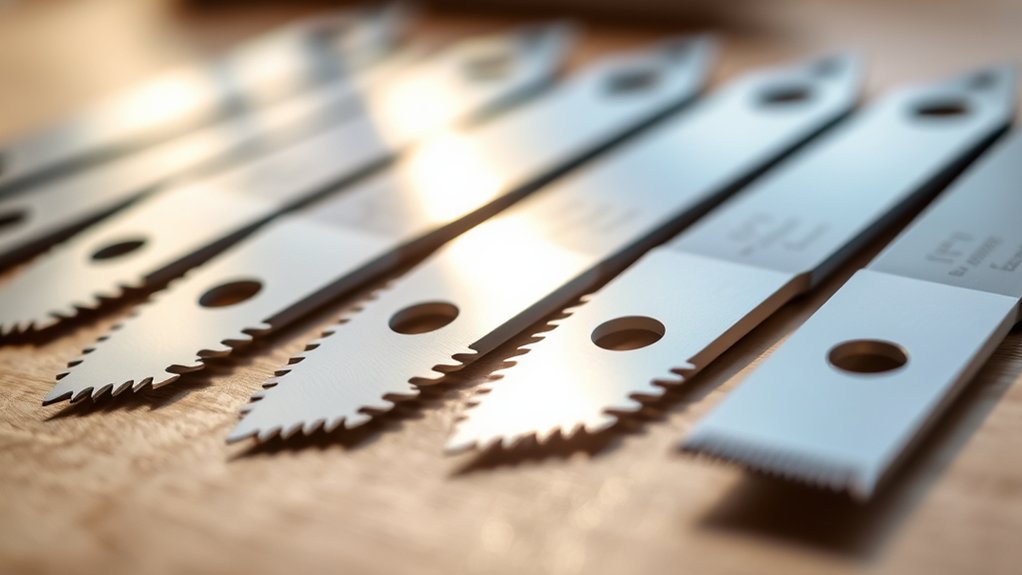
A multi-material oscillating tool blade is the most versatile choice for everyday repairs, cutting through wood, plastic, drywall, nails, and other common materials without switching blades. You’ll save time when one blade handles varied jobs around your home.
Choose a carbide-tipped or bi-metal model for strong Blade durability and reliable cutting speed. Fine teeth produce cleaner cuts in wood and plastic, while reinforced edges handle embedded nails and screws.
| Feature | Benefit |
|---|---|
| Bi-metal teeth | Cut wood and nails |
| Carbide reinforcement | Increase Blade durability |
| Medium tooth pitch | Balance cutting speed |
| Universal shank | Fit most tools |
Before cutting, secure your workpiece and mark the line clearly. Use moderate pressure; forcing the blade creates heat, slows cutting speed, and shortens its life.
Let the tool oscillate naturally, especially when trimming drywall or plastic. Inspect teeth after each demanding repair, and replace the blade when it drags, overheats, or leaves rough edges.
A quality multi-material blade gives you dependable versatility without frequent changes.
Frequently Asked Questions
How Do I Choose the Correct Blade Length for My Oscillating Tool?
Choose blade length by matching its Cutting depth to your material and workspace. For shallow cuts, select a shorter blade for better control and reduced flex.
Choose a longer blade when you need to reach through thick wood, drywall, insulation, or stacked materials. Check your tool’s maximum capacity, and don’t force excessive length.
Also consider Blade material: bi-metal blades suit wood with nails, while carbide blades handle masonry and hardened surfaces.
Are Oscillating Tool Blades Compatible Across Different Brands and Models?
Compatibility varies across brands and models, so you should check each tool’s mounting interface before buying. Think of blades as keys: many fit common locks, but some require a special pattern.
Universal-fit blades work with numerous tools, while proprietary systems need matching accessories. Confirm the manufacturer’s specifications, including blade material and intended cutting speed.
You’ll avoid loose connections, poor performance, or damage by choosing the correct mount and size for your specific tool.
What Safety Precautions Should I Follow When Changing Oscillating Tool Blades?
Turn off and unplug your oscillating tool before changing blades, and remove its battery if it’s cordless. Let the blade cool completely to prevent burns.
Wear safety gear, including eye protection and cut-resistant gloves. Follow your tool’s instructions, release the blade clamp fully, and keep fingers away from sharp edges.
Inspect the replacement blade material for damage, then secure it tightly before reconnecting power and testing it at low speed.
How Can I Extend the Lifespan of My Oscillating Tool Blades?
You can extend your oscillating tool blades’ lifespan by matching each blade to its material and avoiding excessive pressure. Let the tool’s speed and teeth do the work, and replace dull or damaged blades promptly.
Practice blade cleaning after every project to remove resin, dust, and metal particles. Follow smart storage tips: dry blades thoroughly, protect their teeth, and keep them organized in a case.
Also, avoid overheating by taking short breaks during demanding cuts.
When Should I Replace a Worn or Damaged Oscillating Tool Blade?
Replace your oscillating tool blade when teeth look rounded, missing, chipped, or excessively dull, or when cutting requires unusual pressure, burns materials, wanders, or produces rough edges. Don’t assume Blade cleaning restores a blade once its teeth or body deform; cleaning only removes buildup.
Stop immediately if you notice cracks, bending, or excessive vibration. Use Storage tips afterward: keep replacement blades dry, separated, and protected from impacts to prevent premature damage and corrosion.
Conclusion
With the right oscillating tool blade, you’ll make cleaner cuts, work faster, and avoid unnecessary frustration. Choose a wood blade for smooth, precise projects, a metal blade for tough materials, or a multi-material blade when you need everyday versatility.
Think of your blade as the tool’s handshake with the job: the better the match, the more control you’ll have. Select carefully, follow safe cutting practices, and you’ll turn challenging repairs into confident results with the right oscillating tool blades.