How to Wash Car Engine in 5 Easy Steps
Wash Car Engine can feel like a daunting task, especially if you’re worried about damaging sensitive parts or don’t know where to start. You’re not alone—many people struggle with keeping their engine clean without causing issues.
Luckily, with the right approach, you can tackle this job confidently and keep your engine looking and running great.
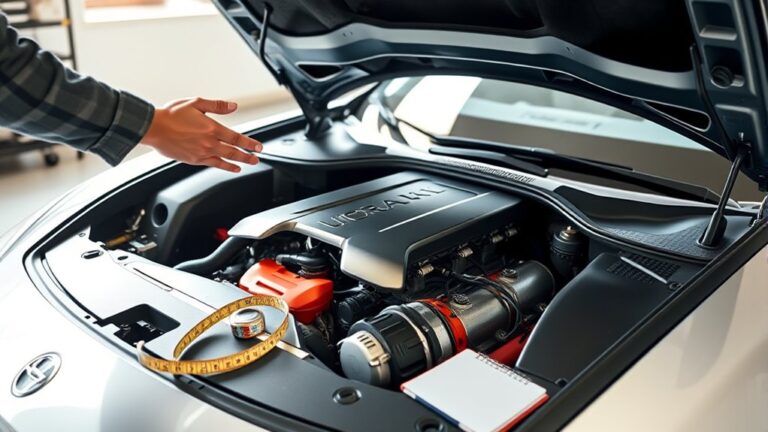
To wash your car engine in 5 easy steps, first make sure the engine is cool and protect sensitive parts like electrical connections and air intake with plastic covers.
Next, gather engine-safe degreasers, soft brushes, and microfiber towels.
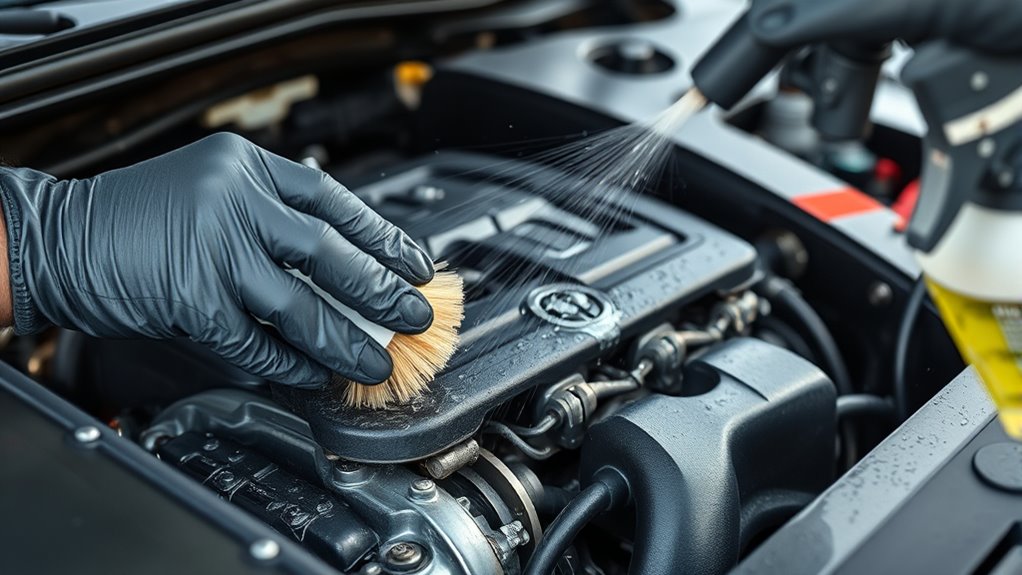
Spray degreaser evenly, let it sit, then gently scrub greasy spots.
Rinse carefully with low-pressure water, avoiding direct spray on delicate areas.
Finally, dry the engine thoroughly and inspect for any damage to keep your engine in top shape.
Learn how to perfect each step safely.
Wash Car Engine Key Takeaways
- Ensure the engine is cool and cover sensitive parts like the air intake and battery with plastic before cleaning.
- Use an engine-safe degreaser and apply it evenly. Let it sit for 5-10 minutes to break down grease.
- Gently scrub stubborn grime with soft brushes. Avoid using high-pressure water on electrical components.
- Rinse the engine carefully using low-pressure water or a spray bottle. Work systematically and steer clear of sensitive areas.
- Dry the engine with microfiber towels and air dry with the hood open. Then, inspect for leaks or damage afterward.
How to Safely Prepare Your Engine Before Washing
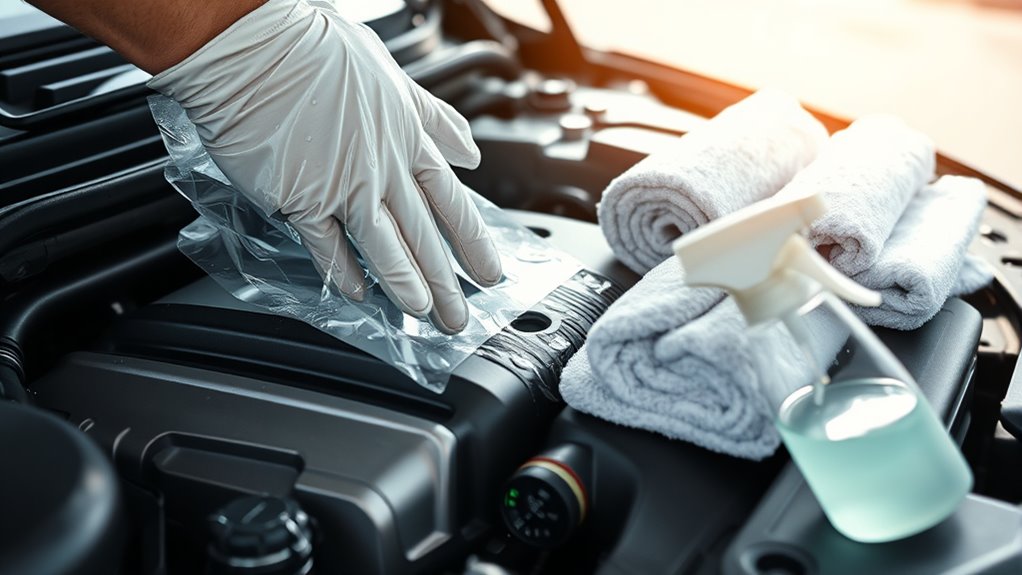
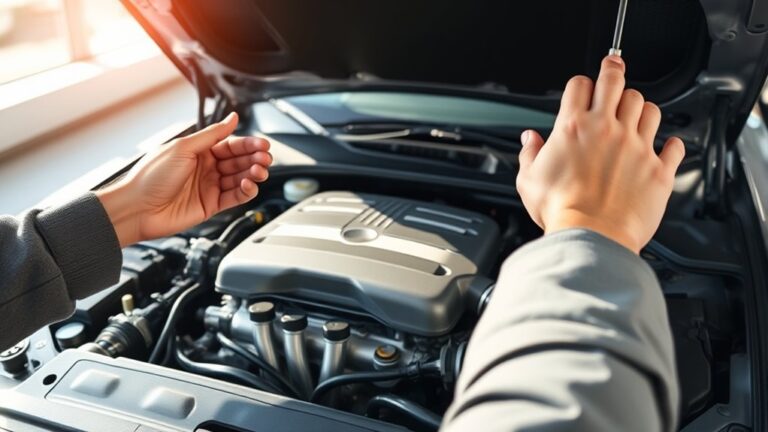
Before you start washing your engine, make sure it’s completely cool to avoid burns or damaging hot components. Engine temperature plays a vital role in safe cleaning. Spraying water or chemicals on a hot engine can cause warping or cracking. Wait at least 30 minutes to an hour after driving before you begin.
Next, focus on chemical safety. Choose engine-safe degreasers and cleaners that won’t harm rubber, plastic, or electrical parts. Always read labels and wear protective gloves and eyewear to prevent skin or eye irritation.
Before applying any chemicals, cover sensitive areas like the air intake, battery, and exposed wiring with plastic bags to avoid damage. Also, disconnect the battery to eliminate any risk of electrical shorts.
Gather the Right Tools and Supplies for Car Engine Washing
When you’re ready to wash your engine, having the right tools and supplies on hand will make the process smoother and safer. Effective engine degreasing starts with choosing a quality degreaser designed specifically for chemical cleaning under the hood.
You’ll also need tools like soft brushes and microfiber towels to gently remove dirt without damaging components. A spray bottle or garden sprayer helps apply cleaning solutions evenly, while a hose or pressure washer rinses off grime efficiently.
Here’s a quick guide to essential supplies:
| Tool/Supply | Purpose |
|---|---|
| Engine Degreaser | Breaks down grease and oil |
| Soft Brushes | Scrubs dirt without scratching |
| Microfiber Towels | Wipes surfaces clean |
Gather these before starting to ensure a thorough and safe cleaning experience.
Protect Sensitive Parts to Avoid Damage During Cleaning
Although cleaning your engine is important, you need to protect sensitive parts to prevent damage during the process. The engine compartment contains delicate components that can be harmed by water or harsh chemicals, so taking precautions is essential.
Prioritize chemical safety and avoid direct contact with parts like electronics or air intake systems.
Here are three key steps to protect these sensitive areas:
- Cover electrical connections, sensors, and fuse boxes with plastic bags or waterproof tape to keep moisture out.
- Shield the air intake and exposed filters using plastic wrap or a waterproof cover to prevent water from entering.
- Avoid spraying high-pressure water directly onto the engine compartment; instead, use a gentle stream to minimize risk.
Step-by-Step Guide to Washing Your Car Engine
Now that you’ve secured the sensitive parts of your engine, you can move on to the actual cleaning process. Start by spraying a degreaser evenly across the engine bay, focusing on grimy areas around the oil filter and engine coolant reservoirs. Let it sit for 5-10 minutes to break down dirt and grease.
Then, gently use a soft brush to scrub stubborn spots. Avoid high-pressure water near electrical components.
Next, rinse the engine carefully using a low-pressure hose or spray bottle to prevent water intrusion. Work systematically to avoid soaking any one area too long.
Here’s a simple table to guide your washing sequence:
| Step | Area to Clean | Notes |
|---|---|---|
| 1 | Engine coolant area | Avoid direct water spray |
| 2 | Oil filter | Use degreaser and brush |
| 3 | General engine bay | Rinse gently with water |
Dry Your Engine Thoroughly and Inspect for Issues
Since water can linger in hidden crevices, you’ll want to dry your engine thoroughly to prevent corrosion and electrical issues. Use a clean microfiber cloth to wipe down accessible areas, then let the engine air dry for at least 30 minutes with the hood open.
You can also use compressed air to blow out water from tight spots.
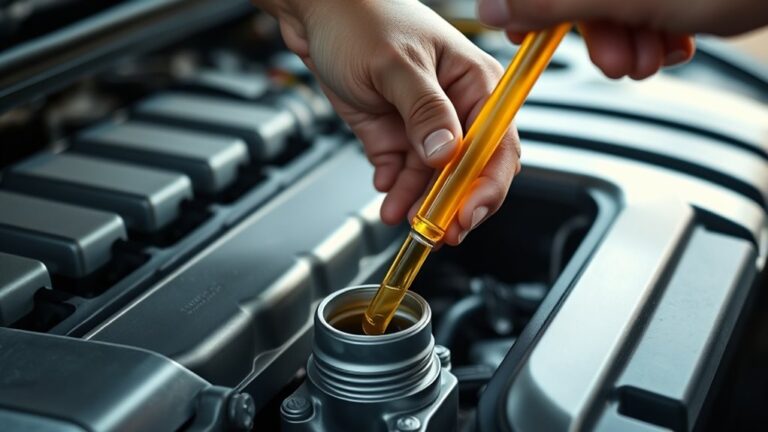
Once dry, inspect your engine carefully for any signs of problems. Look for oil leaks around gaskets and seals that could worsen after washing.
Check for signs of engine overheating, like discolored or cracked hoses. Also, watch out for loose or damaged wiring that water may have exposed.
Addressing these issues early helps avoid costly repairs. Thorough drying combined with a careful inspection ensures your engine runs smoothly and stays protected from damage caused by trapped moisture.
Taking these steps will keep your engine in top shape and prevent problems down the road.
Frequently Asked Questions
How Often Should I Wash My Car Engine?
You should wash your car engine about once or twice a year to keep it in good shape. Regular engine cleaning helps prevent dirt buildup and protects essential components, improving overall car maintenance.
If you drive in dusty or muddy conditions, consider cleaning more often. Just make sure to avoid high-pressure water on sensitive parts.
Staying consistent with engine cleaning guarantees your car runs smoothly and lasts longer.
Can Engine Washing Improve Fuel Efficiency?
Just like a knight sharpens his sword before battle, you can boost your car’s performance by keeping it clean. Engine cleaning doesn’t directly skyrocket fuel economy, but it helps by removing grime that can cause overheating or sensor issues, which might reduce efficiency.
When your engine runs smoother, your fuel economy improves subtly. So, while engine cleaning isn’t a magic fix, it definitely helps your car run better and save you some fuel in the long run.
Is It Safe to Use a Pressure Washer on All Engines?
You shouldn’t use a pressure washer on all engines because not every engine has the same water resistance. Some components, especially electrical parts, can get damaged if high-pressure water forces its way in.
Instead, focus on engine degreasing with a gentle cleaner and low-pressure rinsing. Always check your engine’s manual for water resistance guidelines before you start so you don’t risk harming sensitive parts or causing costly repairs.
Will Washing the Engine Void My Car’s Warranty?
Washing your engine won’t automatically void your car’s warranty, so don’t let engine cleaning myths scare you. As long as you avoid harsh chemicals and excessive water pressure, a DIY engine wash is usually safe.
Just be careful around sensitive electrical parts and use proper techniques. If you’re still unsure, check your warranty terms or ask your dealer to keep everything covered while keeping your engine clean and efficient.
What Are the Signs of Engine Damage After Washing?
You’ll notice signs of engine damage after washing if you spot engine corrosion, which appears as rust or flaky buildup on metal parts. Electrical damage might show up as malfunctioning sensors, flickering dashboard lights, or trouble starting your car.
If water seeps into sensitive areas, it can cause shorts or corrosion, so pay close attention to unusual noises or warning lights. Catching these signs early helps prevent costly repairs.
Conclusion
Now that you know how to wash your car engine in just five easy steps, you’re ready to make it shine like a diamond in a coal mine! By preparing carefully, gathering the right tools, and protecting sensitive parts, you’ll keep your engine safe and spotless.
Don’t forget to dry it thoroughly and check for any issues. With this simple routine, your engine will thank you with smoother rides and longer life. Remember, knowing how to wash your car engine properly is key to maintaining its performance and durability!