How to Fix a Car Engine in 5 Simple Steps
Dealing with a car engine that won’t run smoothly can be really frustrating. You’re not alone—many people struggle with understanding what’s wrong and how to fix it without spending a fortune.
If you want to save time and money, learning how to fix a car engine in five simple steps can make a huge difference.
You can fix your car engine in five simple steps by first gathering essential tools like wrenches, screwdrivers, and a torque wrench.
Next, watch for common signs like overheating or oil leaks.
Then, diagnose problems using an OBD-II scanner and by checking spark plugs, fuel delivery, and belts.
After that, perform basic repairs such as oil changes and spark plug replacement.
Finally, know when to call a professional if issues persist.
Keep going to uncover detailed tips for each step.
Key Takeaways
- Diagnose engine issues using an OBD-II scanner. Also, inspect spark plugs, fuel delivery, and fluid levels.
- Change the engine oil and replace worn spark plugs. This helps maintain smooth operation.
- Tighten loose battery connections and replace clogged air filters to boost performance.
- Address minor leaks or overheating by checking coolant levels. Also, inspect hoses and belts.
- Seek professional help for persistent noises, excessive smoke, or complex mechanical problems beyond the DIY scope.
Essential Tools for Fixing Your Car Engine
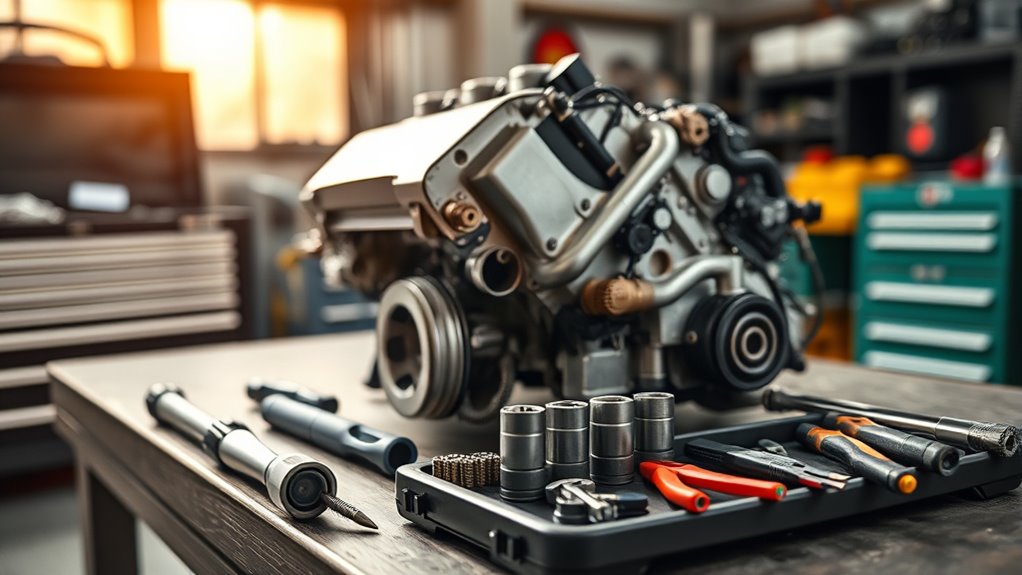
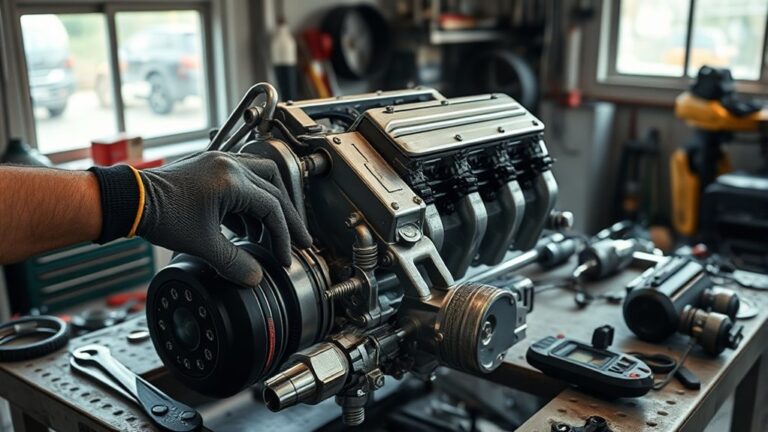
Before you plunge into fixing your car engine, you’ll need to gather the essential tools that make the job possible. Start with a quality wrench set and socket set to loosen bolts and remove parts efficiently.
Gather essential tools like a quality wrench and socket set before starting your car engine repair.
Don’t forget a screwdriver set, both flathead and Phillips, to handle various screws. You’ll also want a spark plug socket to replace old spark plugs easily, ensuring your engine runs smoothly.
Keep fresh engine oil handy because changing or topping it up is a common step during engine repairs. A funnel helps prevent spills when adding oil.
A torque wrench is vital for tightening bolts to the manufacturer’s specifications, avoiding damage. Moreover, having a multimeter can help you check electrical components, including spark plugs and ignition systems.
Gloves and safety glasses protect you during the process. With these tools ready, you’ll be well-prepared to tackle your car engine repair confidently and effectively.
Common Signs of Car Engine Problems
Having the right tools on hand sets you up for success, but recognizing when your engine needs attention is just as important. Common signs like engine overheating or oil leaks shouldn’t be ignored. These issues can lead to bigger problems if left unchecked.
Here are some key warning signs to watch for:
| Sign | What It Means |
|---|---|
| Engine Overheating | Cooling system failure or low coolant |
| Oil Leaks | Damaged seals or worn gaskets |
| Unusual Noises | Possible internal engine damage |
If you notice your car’s temperature gauge rising rapidly or see puddles of oil under your vehicle, it’s time to act. Early detection helps prevent costly repairs. Keep an eye out for these signs, and you’ll be better prepared to keep your engine running smoothly.
How to Diagnose Engine Problems Step-by-Step
When your engine shows signs of trouble, you’ll want to diagnose the problem quickly and accurately. Start by checking the engine codes with an OBD-II scanner; this can point you toward specific issues like problems with fuel injection or ignition timing.
Next, inspect the spark plugs and ignition system to verify proper firing. Incorrect ignition timing often causes rough idling or poor acceleration. Pay attention to fuel delivery because clogged injectors can reduce engine performance and cause misfires.
Listen for unusual noises and watch for smoke, which may indicate deeper mechanical problems. Also, examine hoses and belts for wear or leaks that could affect engine functions. Don’t overlook simple checks like fluid levels and battery condition.
Simple Repairs You Can Do Yourself
Once you’ve identified the issue with your engine, tackling simple repairs yourself can save time and money. Many basic fixes don’t require professional help and can improve your car’s performance quickly. Start with these manageable tasks:
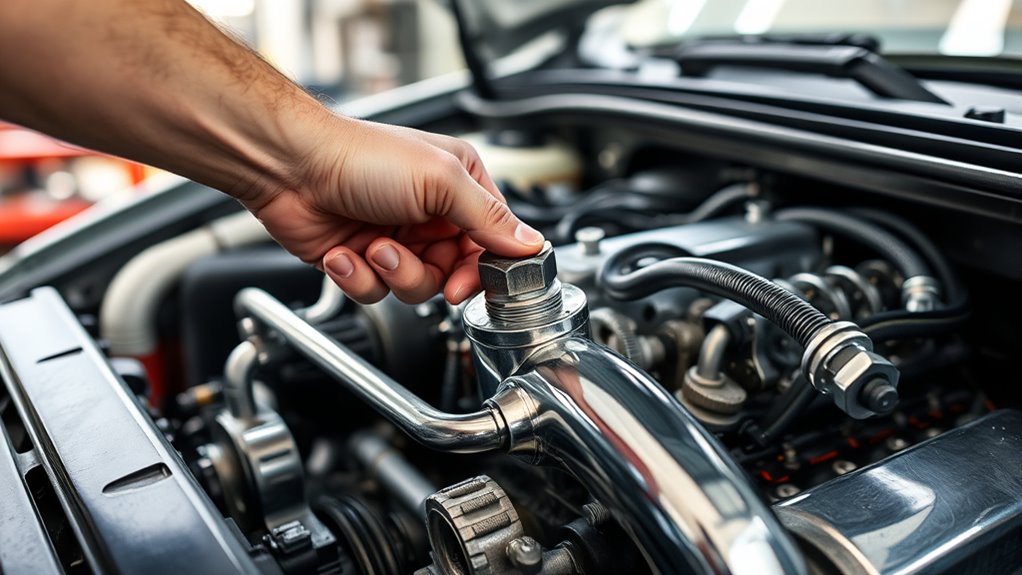
Change the engine oil to keep your engine running smoothly and prevent wear. Replace worn-out spark plugs to improve ignition and fuel efficiency. Check and tighten loose battery connections to avoid starting problems. Inspect and replace air filters to ensure proper airflow and engine health.
These repairs only need basic tools and a little patience. Always consult your car’s manual before starting, and work in a well-ventilated area. By handling these simple tasks, you’ll gain confidence and keep your engine in better shape without breaking the bank.
When to Seek Professional Engine Repair
Although some engine problems are manageable on your own, certain signs show you should get professional help. If your engine has persistent issues like knocking sounds, excessive smoke, or warning lights that don’t clear, it’s time for professional diagnostics. These experts have the tools and knowledge to find complex problems that aren’t easily visible.
When your engine needs an overhaul, trying it yourself can lead to more damage or costly mistakes. A professional will make sure parts are properly inspected, repaired, or replaced, restoring your engine’s performance safely. Don’t ignore symptoms like overheating, loss of power, or strange noises. They often signal deeper issues that need expert attention.
Taking your car to a certified mechanic saves time and prevents further damage and higher repair costs. Knowing when to step back and call in professionals keeps your engine running smoothly and your repairs effective.
Frequently Asked Questions
How Often Should I Change My Engine Oil?
You should change your engine oil every 3,000 to 5,000 miles, but always check your car’s manual for the recommended oil change frequency. Using the right oil viscosity is essential because it affects engine performance and protection.
If you drive in harsh conditions, like extreme heat or lots of stop-and-go traffic, consider changing your oil more often. Staying on top of oil changes keeps your engine running smoothly and extends its life.
What Type of Fuel Is Best for My Engine?
Choosing the right fuel is like giving your engine the perfect meal. It runs smoother and lasts longer. You should use the fuel grade recommended in your owner’s manual, typically unleaded gasoline with the right octane rating.
Fuel additives can boost performance and keep your engine clean, especially if you’re into engine tuning. Don’t just guess; using the correct fuel type ensures your engine purrs instead of sputters.
Can Cold Weather Damage My Car Engine?
Yes, cold weather can damage your car engine if you’re not careful. Low temperatures thicken oil viscosity, making it harder for the engine to turn over smoothly.
Plus, battery corrosion tends to worsen in cold, reducing your battery’s effectiveness. To protect your engine, use winter-grade oil and regularly check the battery terminals for corrosion.
Taking these steps helps your car start reliably and prevents cold-weather engine issues.
How Do Engine Warranties Work?
Engine warranties are like your car’s superhero cape, offering protection against costly repairs. You get warranty coverage that usually lasts several years or miles. If your engine misbehaves, you file a claim by contacting the dealer or manufacturer, who’ll inspect and decide if it’s covered.
Just keep all maintenance records handy. It’s your safety net, so knowing the claim process helps you avoid wallet-wrecking surprises when your engine acts up.
What Are the Environmental Impacts of Engine Repairs?
When you handle engine repairs, you can reduce pollution by choosing eco-friendly practices like proper disposal of oils and parts. Using recycled materials and avoiding harmful chemicals also lowers environmental impact.
Conclusion
Fixing your car engine might seem like taming a wild stallion, but with the right tools and a keen eye, you can conquer it step-by-step. Remember, just like a skilled sailor reads the stars, you’ll learn to spot signs and make simple repairs confidently.
When the journey gets tough, don’t hesitate to call in a pro. With patience and know-how, you’ll keep your engine running smoothly and your adventures alive. Mastering how to fix a car engine will give you the confidence to handle whatever the road throws your way.