Top 5 Heavy Duty Tools for Tough Jobs
Tough jobs can quickly become frustrating when your tools lack the power, durability, or control you need. You’re not alone—many DIYers, contractors, and mechanics struggle to find equipment that can handle demanding work without slowing them down.
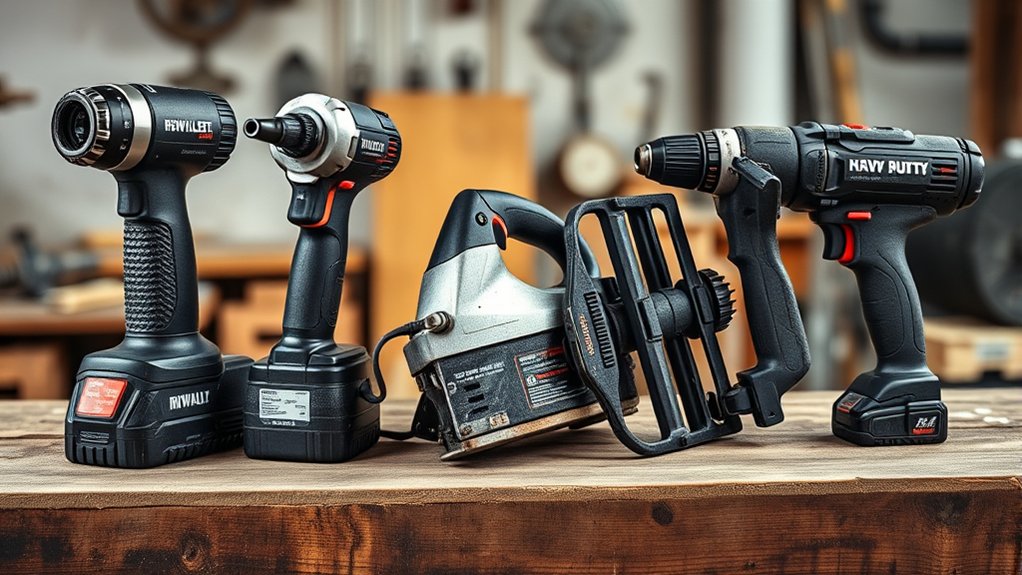
For tough jobs, you’ll want five dependable tools: a heavy-duty drill for construction and repairs, an impact wrench for stubborn automotive fasteners, an angle grinder for cutting and metalwork, a reciprocating saw for fast demolition, and a pressure washer for concrete and equipment cleanup.
Choose variable-speed, brushless models when possible for better control, runtime, and durability. Use the correct accessories and protective gear for every task, and you’ll find more helpful selection and safety tips below.
Key Takeaways
- Heavy-duty drills provide high torque, variable speed, clutch control, and durable chucks for hardwood, masonry, and thick materials.
- Impact wrenches quickly remove automotive fasteners with high breakaway torque, especially through seized bolts and lug nuts.
- Angle grinders deliver controlled cutting and grinding for metal and masonry when paired with suitable discs and safety equipment.
- Reciprocating saws speed demolition work across wood, metal, plastic, and fasteners using material-specific blades and adjustable control.
- Pressure washers efficiently remove dirt, oil, and grime from concrete and equipment using appropriate pressure, nozzles, and detergents.
Heavy-Duty Drills for Construction and Repairs
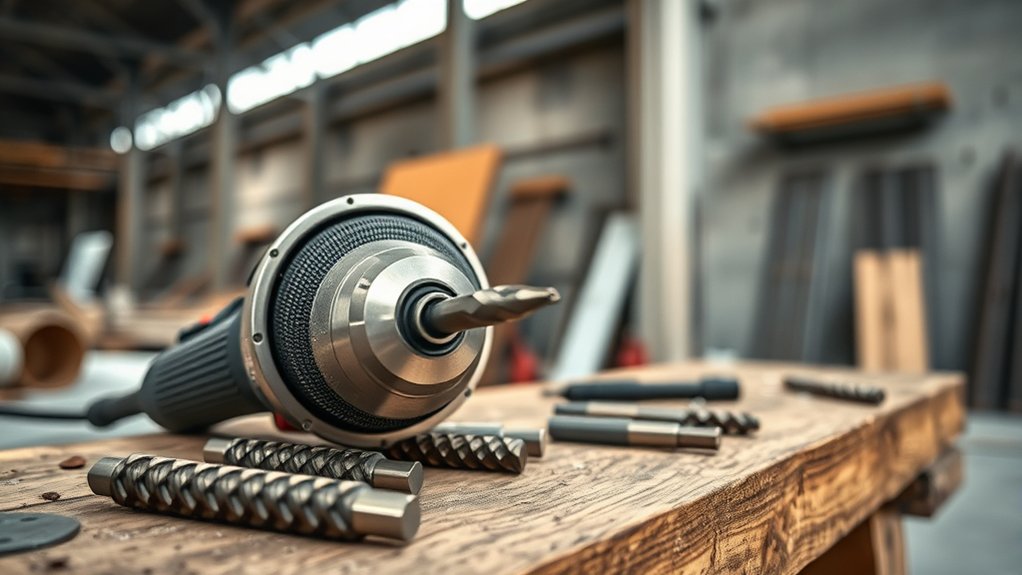
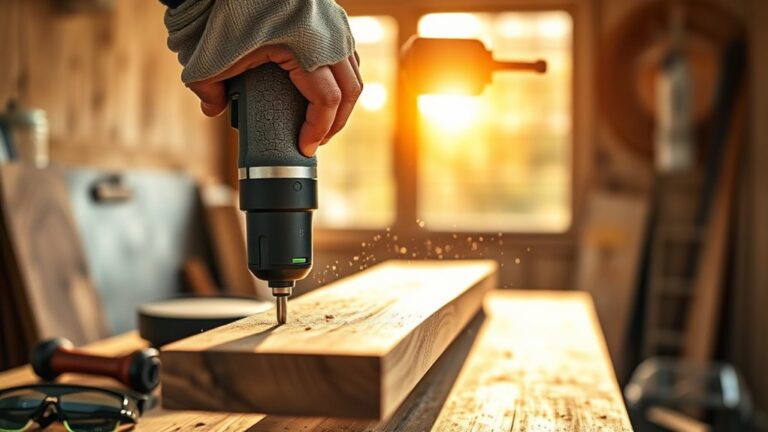
When construction and repair jobs demand more power than standard drills can provide, heavy-duty models deliver the torque, durability, and control you need. Choose a drill with a high-torque motor when you’ll bore through hardwood, masonry, or thick materials.
Variable-speed settings help you match power to each task, while a clutch reduces stripping and protects fasteners during controlled drilling.
Check the chuck size and construction before you buy. A robust, keyless chuck accepts larger bits and holds them securely under pressure.
Brushless motors typically run cooler, require less maintenance, and extend battery life, especially during demanding workdays. Keep spare packs charged so you won’t interrupt your workflow.
An ergonomic design also matters when you drill overhead or work for extended periods. Look for a balanced body, rubberized grip, side handle, and manageable weight.
Built-in lights improve visibility in dim spaces, and overload protection helps prevent motor damage when resistance suddenly increases. Store your drill and bits clean and dry to preserve performance.
Impact Wrenches for Automotive Fasteners
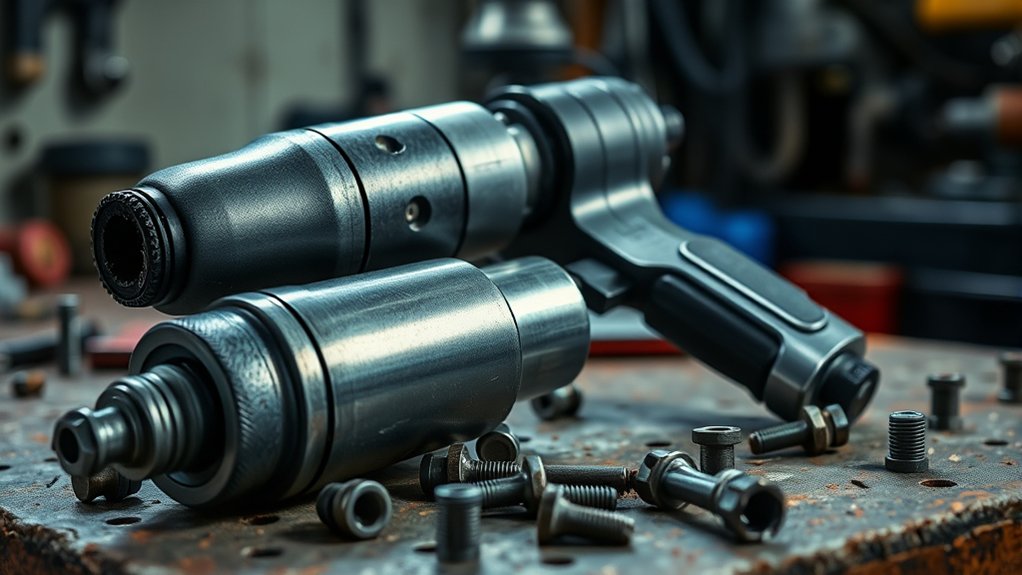
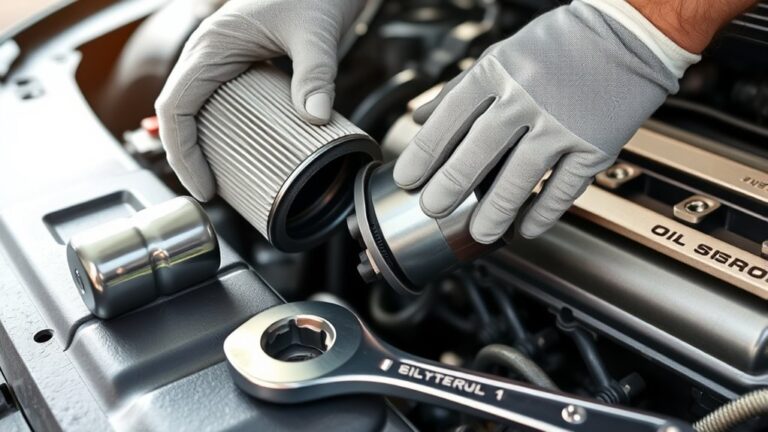
Impact wrenches take automotive fastener work beyond what even a powerful drill can handle. You can remove stubborn lug nuts, suspension bolts, and rusted hardware quickly, reducing strain on your wrists. Choose a model with adjustable speed and torque so you won’t overtighten delicate components or damage threads.
| Task | Recommended feature | Benefit |
|---|---|---|
| Lug nuts | 1/2-inch drive | Quick wheel service |
| Suspension bolts | High breakaway torque | Frees seized hardware |
| Interior fasteners | Variable speed | Better control |
| Daily repairs | Brushless motor | Longer runtime |
Check fastener compatibility before use. Match the drive size, socket rating, voltage, and manufacturer torque requirements.
Torque calibration matters when you install wheel lugs or critical chassis hardware. Use a calibrated torque wrench for final tightening rather than relying on impact settings alone.
Battery models offer portability, while corded units suit a fixed workshop. Wear eye protection, secure the vehicle, and keep fingers clear of rotating sockets.
With the right socket and setting, you’ll work faster while protecting threads and components. Never use impact-rated sockets with ordinary chrome hand-tool sockets, which can shatter under force.
Angle Grinders for Cutting and Metalwork
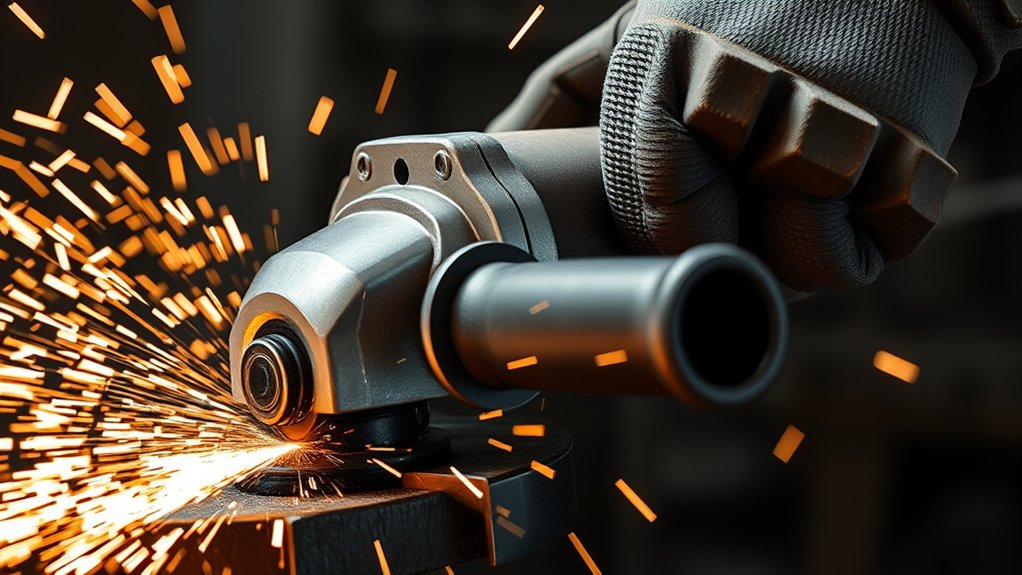
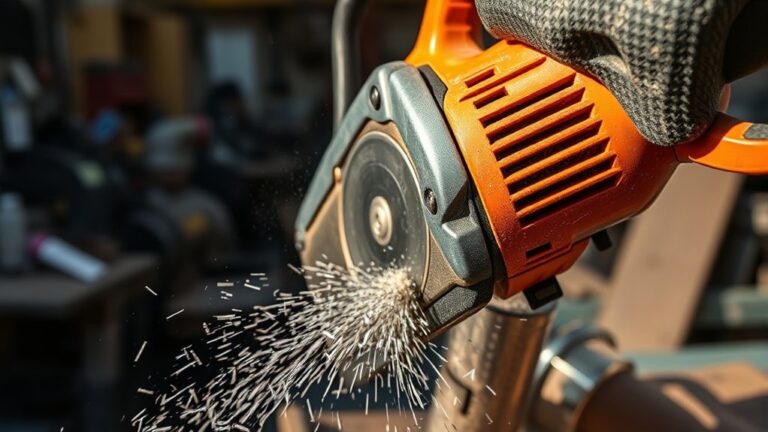
Angle grinders give you fast, controlled cuts through metal, masonry, and other tough materials while handling grinding, deburring, and surface preparation. Choose a model with enough power and a comfortable grip for your workload.
Match the wheel to the material: use cutting discs for steel, masonry wheels for concrete, and flap discs for smoothing welds. Inspect abrasive discs before installation, tighten them correctly, and replace any cracked or worn disc.
Keep both hands on the tool, brace your workpiece securely, and let the wheel reach full speed before contact. Don’t force the grinder; guide it steadily and allow the disc to do the work.
Wear safety gear, including eye protection, hearing protection, gloves, sturdy footwear, and suitable respiratory protection when dust develops. Direct sparks away from people, flammable materials, and finished surfaces.
Unplug the grinder before changing accessories, and maintain clear ventilation throughout every cutting or grinding task. Store discs dry and organized after each demanding project.
Reciprocating Saws for Fast Demolition
Reciprocating saws deliver fast, controlled cuts through wood, metal, plastic, and other materials, making them ideal for demolition, remodeling, and difficult-to-reach cuts. You can slice through framing, pipes, nails, drywall, and stubborn fasteners without dismantling surrounding structures.
Choose reciprocating saw blades based on the material: coarse teeth remove wood quickly, while fine teeth handle metal more cleanly.
For efficient demolition:
- Match blade length and tooth pattern to your material.
- Start slowly, then increase speed as the blade engages.
- Keep both hands on the saw and maintain a firm stance.
A variable-speed trigger gives you better control near finished surfaces, while an adjustable shoe stabilizes the tool and extends blade life. Look for models with orbital action when you need faster wood cutting, but switch it off for cleaner metal cuts.
Vibration reduction helps limit hand fatigue during long jobs. Inspect blades regularly, replace damaged ones promptly, and wear eye, hearing, and respiratory protection when debris or dust fills the work area.
Pressure Washers for Concrete and Equipment Cleanup
Pressure washers blast away concrete dust, mud, oil, and grime from driveways, tools, heavy equipment, and jobsite surfaces, helping you clean faster than scrubbing by hand. Choose a model with enough pressure and flow for the task.
Blast away stubborn dirt, oil, and grime faster with a pressure washer matched to your cleaning task.
Lower settings protect painted equipment and fresh concrete, while higher settings tackle caked-on mud and stubborn oil. Use the correct nozzle, keep the spray moving, and maintain a safe distance to prevent surface damage.
A detergent tank helps loosen grease before rinsing, but follow the manufacturer’s instructions and local disposal rules. Look for Eco friendly pressure washers that reduce water use and support biodegradable cleaning solutions.
For remote jobs, cordless equipment cleanup gives you freedom from outlets and tangled extension cords. Inspect hoses, fittings, and spray wands before each use, and wear eye protection, waterproof boots, and gloves.
After cleaning, drain the pump, store accessories securely, and let equipment dry to prevent corrosion.
Frequently Asked Questions
How Should Heavy-Duty Tools Be Stored to Prevent Rust and Damage?
Store heavy-duty tools in a clean, dry area to prevent rust and damage. Wipe each tool after use, remove moisture, and apply a light coat of rust-resistant oil to exposed metal.
Use tool organization methods, such as labeled drawers, wall racks, or sturdy cabinets, to prevent impacts and scratches. Choose storage solutions with ventilation, secure closures, and padding.
Don’t leave tools on damp floors, outdoors, or in direct sunlight.
What Safety Gear Is Essential When Operating Powerful Tools?
You face sparks, flying chips, and roaring motors, yet you can work safely with the right protection. Wear Personal protective equipment: safety glasses or a face shield, hearing protection, sturdy gloves, steel-toe boots, and a properly fitted respirator when dust or fumes arise.
Secure loose clothing and tie back hair. Follow safe Tool handling techniques, inspect equipment first, keep guards installed, maintain firm footing, and disconnect power before adjustments or cleaning.
How Often Should Heavy-Duty Tools Undergo Professional Maintenance?
You should schedule professional maintenance for heavy-duty tools at least once a year, or more often if you use them daily, under heavy loads, or in harsh conditions.
Follow the manufacturer’s maintenance schedules, and arrange service sooner when you notice unusual noise, vibration, overheating, leaks, or reduced performance.
Regular inspections protect tool durability, prevent costly failures, and keep you working safely. Record each service date and address recommended repairs promptly to avoid downtime.
Which Power Sources Are Best for Remote Jobsites Without Electricity?
For remote jobsites without electricity, you’ll find cordless battery-powered tools and fuel-powered equipment most practical. Choose lithium-ion batteries for quiet operation, easy transport, and strong Battery efficiency, especially when you carry spare packs and a solar or vehicle charger.
Select gasoline or diesel tools for extended, high-demand work where recharging isn’t convenient. Check Fuel compatibility before buying, and bring approved containers, ventilation equipment, and backup power to keep your operation productive and safe.
What Warranty Coverage Should Buyers Seek for Commercial-Grade Tools?
You should seek a thorough warranty covering defects, premature failures, batteries, chargers, and major components for at least three years. Confirm whether the manufacturer offers repair, replacement, or reimbursement, and check exclusions for heavy use, wear, and unauthorized service.
Strong tool durability claims matter only when the warranty supports them. Evaluate manufacturer reputation, service-center availability, turnaround times, and transferable coverage.
Register purchases promptly, retain receipts, and choose brands that clearly publish warranty terms.
Conclusion
When tough jobs push ordinary tools past their limits, you’ll need equipment that won’t back down. A heavy-duty drill powers through stubborn materials, while an impact wrench breaks loose seized fasteners.
An angle grinder cuts and shapes metal, and a reciprocating saw tears through demolition work. Finally, a pressure washer reveals what grime hides.
Choose wisely, work safely, and stay ready with the top 5 heavy duty tools for tough jobs, because the next challenge may be tougher, dirtier, and closer than you think.