How to Sell a Car With a Blown Engine in 5 Simple Steps
Selling a car with a blown engine can feel overwhelming, and you’re definitely not alone. Many people struggle with figuring out how to get the best value for a vehicle that needs major repairs.
Whether you want to free up space in your garage or recoup some cash, knowing the right steps can make the process smoother and less stressful.
To sell a car with a blown engine, start by valuing it based on its overall condition and repair costs. List it on platforms that reach buyers interested in fixer-uppers, like online marketplaces or local classifieds. Write an honest listing detailing the engine’s state and other positives.
Be ready for lower offers, but stay firm and clear about the as-is terms. Finally, complete the sale with proper paperwork to avoid future issues.
Keep going to uncover tips for smoother selling and faster deals.
Key Takeaways
- Assess the car’s overall condition and research repair costs to set a realistic price. This helps you know what to expect and price it fairly.
- Choose suitable platforms like online marketplaces or specialty forums to reach interested buyers. Picking the right place makes a big difference.
- Write an honest listing detailing the blown engine, vehicle condition, mileage, and recent maintenance. Being upfront builds trust with potential buyers.
- Negotiate firmly while highlighting positives and clarifying the sale is as-is with no guarantees. Stay clear about the terms to avoid surprises later.
- Finalize the sale with a signed bill of sale, title transfer, license plate removal, and DMV notification. Make sure all the paperwork is done right to complete the process.
How to Value a Car With a Blown Engine
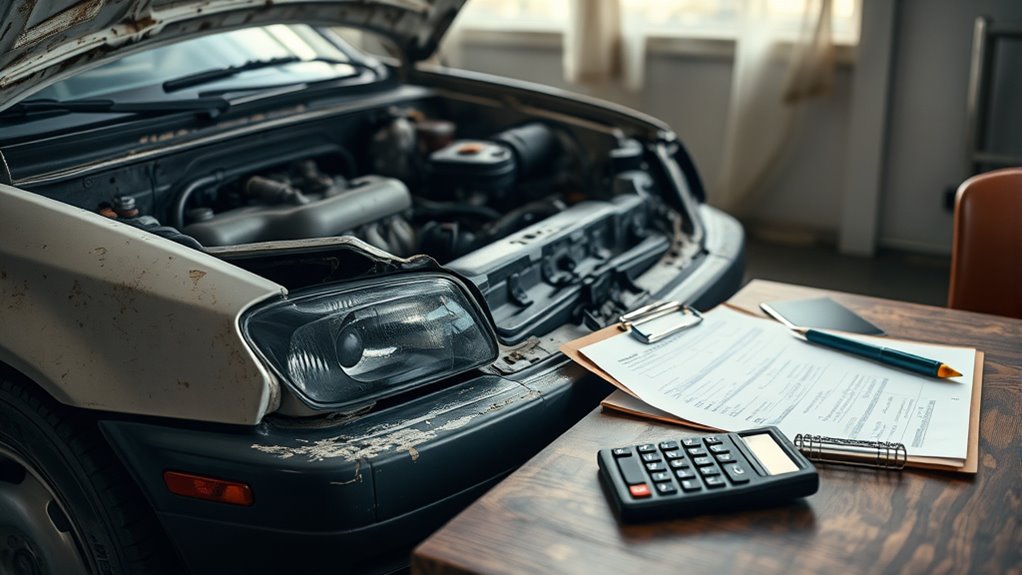
When you’re trying to value a car with a blown engine, you need to focus on its condition beyond just the engine itself. Look closely at the car’s body, interior, and other mechanical parts like the transmission and suspension, as these can still hold significant value.
Research the cost of engine repair to understand whether fixing the engine is economical or if selling as-is makes more sense. Also, consider any insurance claims related to the vehicle. Sometimes, insurance payouts affect your asking price, especially if the car was declared a total loss.
Check the car’s maintenance history and accident records, as these details influence buyer confidence and valuation. Ultimately, your goal is to set a price that reflects both the car’s flaws and its salvageable parts.
Where to List Your Car With a Blown Engine for a Fast Sale
Although selling a car with a blown engine can be challenging, choosing the right platform makes a big difference in how quickly you find a buyer. You want to highlight places where buyers often consider car repair options or might be interested in financing for repairs. Online marketplaces, specialty forums, and local classifieds can attract the right audience quickly.
Here’s a quick comparison:
| Platform | Audience Focus | Best Feature |
|---|---|---|
| Online Marketplaces | General buyers | Wide reach, easy listing |
| Specialty Forums | Car enthusiasts & mechanics | Buyers aware of repair options |
| Local Classifieds | Community buyers | Quick local sales |
Listing on specialty forums helps you target buyers already thinking about car repair options or financing for repairs. Meanwhile, online marketplaces and classifieds increase your chances of a fast sale by reaching a broader audience. Choose wisely to sell smart and fast.
How to Write an Honest Listing for Your Car With a Blown Engine
Choosing the right platform to list your car sets the stage, but how you describe your vehicle can make or break the sale. When writing an honest listing for your car with a blown engine, transparency is key to building trust and attracting serious buyers. Be upfront about the engine repair needs while highlighting other aspects buyers may find valuable.
Choosing the right platform is crucial, but honest, transparent descriptions build trust and attract serious buyers.
Here’s how to craft a clear, honest listing:
- Clearly state the engine is blown and specify the extent of damage.
- Mention the car’s fuel efficiency before the engine issue.
- List recent maintenance and repairs unrelated to the engine.
- Include details about the car’s exterior and interior condition.
- Provide accurate mileage and any unique features.
Being straightforward helps you avoid misunderstandings and speeds up the sale process, making buyers confident in their decision despite the engine repair needed.
Negotiating Offers When Selling a Car With a Blown Engine As-Is
Since buyers know your car has a blown engine, you’ll need to be prepared for lower offers and tough negotiations. Buyers will factor in repair costs and potential resale value, so expect them to push for a price well below what you might hope for.
Stay firm but reasonable, emphasizing any positives like the car’s fuel efficiency or low insurance costs before the engine failure. These points can help justify your asking price, even if the engine is a dealbreaker.
When negotiating, listen carefully to offers and be ready to explain why the car’s condition impacts the price. Don’t hesitate to remind buyers that selling as-is means no further repairs or guarantees, shifting the risk to them.
How to Finalize the Sale and Handle Paperwork Safely When Selling a Car With a Blown Engine
Once you’ve agreed on a price, it’s time to wrap up the sale and handle the paperwork properly. Even with a blown engine, you want to guarantee everything is clear and legal. Start by confirming the buyer understands the vehicle inspection results and that the car is sold as-is.
If the buyer needs financing options, be ready to discuss or refer them to lenders who specialize in such sales.
Here’s how to finalize and protect yourself:
- Sign a bill of sale detailing the car’s condition and sale price
- Transfer the title immediately to avoid future liabilities
- Remove your license plates and cancel insurance
- Keep copies of all documents for your records
- Notify the DMV about the sale to update their records
Handling these steps carefully helps you close the deal smoothly and avoid any legal headaches later.
Frequently Asked Questions
Can I Trade in a Car With a Blown Engine?
Yes, you can trade in a car with a blown engine, but don’t expect top dollar. Dealers often consider engine replacement costs and will factor that into their offer.
Instead, they might offer you the vehicle’s salvage value, which is usually much lower than a fully functioning car’s worth. If you’re okay with that, trading it in can be a quick way to get rid of the problem vehicle without hassle.
Should I Attempt Engine Repairs Before Selling?
You shouldn’t rush into engine repair costs before selling. Often, the expenses outweigh the car’s value, and buyers might still worry about hidden issues.
Instead, be transparent about the car’s condition to build trust. Some buyers actually prefer fixing the engine themselves and may offer a fair price without repairs.
How Does a Blown Engine Affect Car Insurance?
A blown engine usually won’t directly affect your car insurance unless you file insurance claims related to it. Since engine damage typically counts as a mechanical failure, insurance companies won’t cover repairs unless it’s caused by an accident or covered peril.
You should watch out for liability issues if the car is unsafe to drive. Always disclose the engine condition honestly to avoid future liability or claims complications.
Are There Tax Implications When Selling a Car As-Is?
You won’t have the IRS knocking down your door over selling a car as-is, but you should still watch out for tax deductions and liability concerns. If you sell the car for less than what you owe, you might snag a tax deduction.
However, you’re responsible if the buyer faces issues later, so be clear about the car’s condition. Staying transparent keeps you safe and avoids surprise tax problems.
Can I Sell a Car With a Blown Engine Internationally?
Yes, you can sell a car with a blown engine internationally, but you’ll need to navigate engine salvage laws and international regulations carefully. Different countries have varying rules on importing vehicles with damaged engines, so you should research the destination country’s requirements.
Make sure to disclose the engine condition clearly and handle all paperwork properly. Working with a specialized exporter or salvage buyer can help you comply with all international regulations and complete the sale smoothly.
Conclusion
Selling a car with a blown engine might feel like trying to sell a spaceship with a flat tire, but you’ve got this! By valuing it right, listing it where buyers actually look, being honest in your description, negotiating smartly, and handling the paperwork like a pro, you’ll turn that engine disaster into a quick, smooth sale.
Don’t sweat it. You’re about to make a deal so good, it’ll feel like you’re winning the lottery when you sell a car with a blown engine!