How to Add Oil to a Car Engine in 10 Easy Steps
If you’ve ever faced the frustration of a low oil warning light or worried about keeping your car running smoothly, you’re not alone. Many people struggle with knowing exactly how to add oil to their car engine without making a mess or causing damage. It might seem simple, but using the wrong type or overfilling can lead to costly repairs. That’s why understanding the right steps is so important.
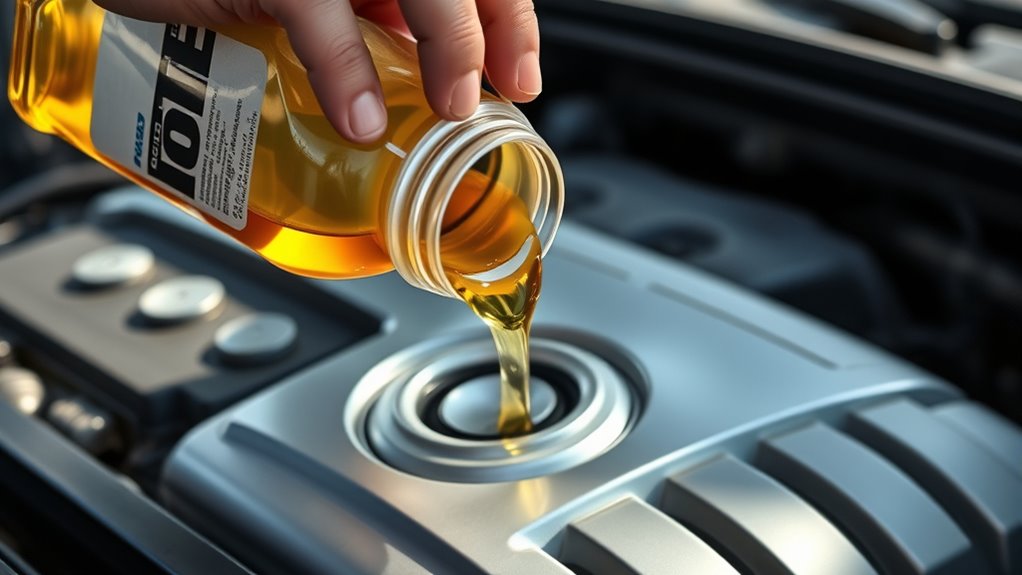
To add oil to your car engine, first check your owner’s manual for the right oil type and viscosity. Park on a level surface, turn off the engine, and wait for it to cool. Locate and clean the oil fill cap, then use a funnel to pour in oil slowly, checking the dipstick frequently to avoid overfilling.
Replace the cap securely and wipe spills immediately. Doing this properly keeps your engine healthy. Keep following for essential tips on maintenance and avoiding common mistakes.
Key Takeaways
- Park the car on a level surface, turn off the engine, and wait for the oil to settle before checking the level.
- Locate and clean the oil fill cap under the hood, then remove it carefully to avoid dirt contamination.
- Use a suitable funnel and pour the recommended oil type and viscosity slowly to prevent spills and overfilling.
- Check the oil level with the dipstick after each addition, waiting briefly for the oil to settle before rechecking.
- Replace the oil fill cap securely, wipe any spills, and monitor oil levels regularly to maintain engine health.
How to Choose the Right Oil for Your Car
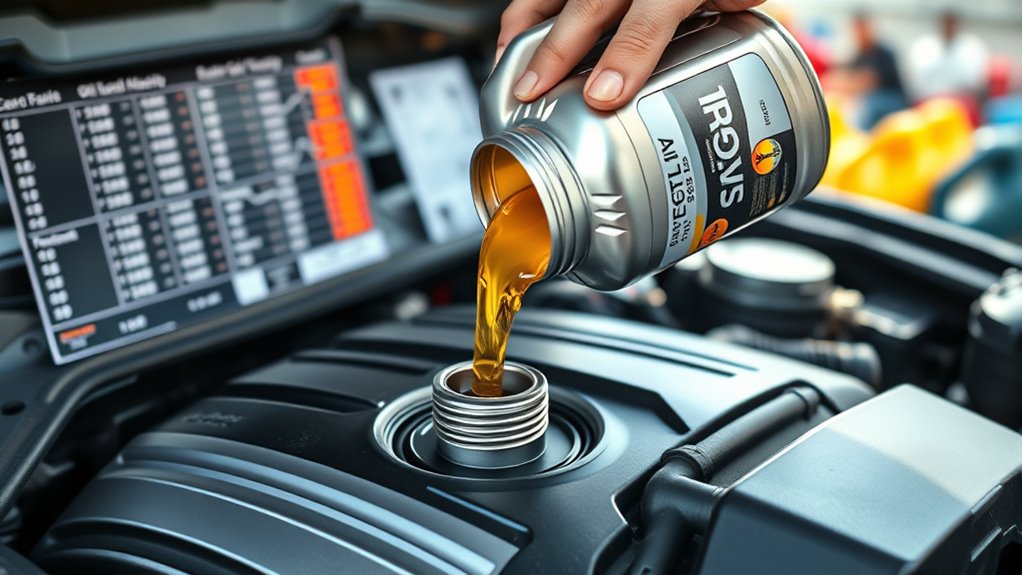
How do you know which oil is best for your car? Start by checking your owner’s manual for the recommended oil viscosity, which indicates how thick or thin the oil is at various temperatures. Using the right viscosity ensures your engine stays properly lubricated without causing drag or leaks.
Check your owner’s manual for the recommended oil viscosity to keep your engine properly lubricated and running smoothly.
Next, decide between synthetic vs. conventional oil. Synthetic oils typically offer better performance, superior protection in extreme temperatures, and longer intervals between changes. Conventional oil, on the other hand, is usually less expensive and works fine for many older or less demanding engines.
Consider your driving habits and climate. If you frequently drive in harsh conditions or want maximum engine protection, synthetic might be the better choice. Ultimately, sticking to the manufacturer’s guidelines will keep your engine running smoothly and efficiently.
Choosing the proper oil isn’t complicated. It just requires a little attention to viscosity and oil type.
How to Check Engine Oil Level Before Adding Oil
Before adding oil, you’ll want to check your engine’s oil level to make sure it actually needs topping off. Start by parking your car on a level surface and turning off the engine. Wait a few minutes to let the oil settle.
Then, locate the dipstick, pull it out, and wipe it clean with a rag or paper towel. Reinsert the dipstick fully, then pull it out again to check the oil level. You’ll see markings indicating the minimum and maximum levels.
If the oil is below the minimum mark, it’s time to add oil.
Regularly checking your oil level is a key part of engine maintenance and can help you avoid costly repairs between oil changes. Keeping the right oil level ensures your engine runs smoothly and prevents damage from low lubrication.
This quick check is one of the simplest ways to keep your car healthy and reliable.
How to Locate the Oil Fill Cap
Once you’ve confirmed that your engine oil level is low, the next step is to find the oil fill cap. Open the hood and look for a round cap usually marked with an oil can symbol or the word “Oil.” It’s typically located on top of the engine, making it easy to access.
After confirming low oil, locate the round oil fill cap under the hood marked with an oil symbol.
The oil fill cap is often near the valve cover, separate from the oil filter, which you shouldn’t confuse with it. The oil filter is usually a cylindrical component attached to the engine block. Knowing the difference helps you avoid mistakes when adding oil.
Before you add oil, remember to check your owner’s manual for the recommended oil viscosity to guarantee you use the right type. Using the correct viscosity protects your engine and maintains proper lubrication.
Once you’ve located the oil fill cap and confirmed the right oil type, you’re ready for the next step in adding oil to your car.
Getting Your Car Ready to Add Oil
Although it might seem simple, preparing your car properly guarantees a smooth and safe oil addition process. First, make sure your engine is cool to avoid burns and to get an accurate oil level reading.
Park your car on a level surface to guarantee the oil settles evenly in the engine. Before adding oil, check your owner’s manual to confirm the recommended engine oil viscosity, as using the wrong type can affect performance and engine health.
While you’re preparing, don’t forget the oil filter importance. It helps trap contaminants and should be replaced regularly to maintain engine efficiency. If it’s time for an oil change, consider swapping the filter along with the oil.
Finally, clean around the oil fill cap to prevent dirt from entering the engine when you open it. Taking these steps ensures you add oil safely, maintain your engine’s health, and avoid potential problems later on.
Tips for Pouring Oil Without Making a Mess
If you want to pour oil without making a mess, the first thing to do is pick the right funnel—one that fits snugly. Then, go slow and steady when you pour to keep spills at bay. And hey, if some oil does happen to spill, just wipe it up right away so your engine area stays nice and clean.
Choose The Right Funnel
When adding oil to your car engine, choosing the right funnel can save you from spills and wasted oil. Start by picking a funnel made from durable, chemical-resistant material like plastic or silicone to handle various oil types without degrading.
Consider the oil viscosity. Thicker oils flow slower, so a funnel with a wider spout helps prevent clogging and allows smooth pouring. For thinner oils, a narrower spout provides better control.
Also, guarantee the funnel fits snugly into your engine’s oil fill hole to avoid leaks. Choosing the correct funnel material and size tailored to your oil’s viscosity makes the process cleaner and more efficient, preventing messes and ensuring every drop goes exactly where it should.
Pour Slowly And Steadily
Having the right funnel in place sets you up for a smoother pour, but the way you pour the oil matters just as much. Pour slowly and steadily to avoid spills and splashes.
Keep in mind that oil viscosity changes with engine temperature. Warmer engines typically mean thinner oil, so it flows faster. If your engine’s hot, pour even more cautiously to prevent overflows.
Tilt the bottle gently and maintain a consistent stream rather than dumping it in quickly. This controlled approach helps the oil settle properly and gives you time to monitor the level.
Rushing increases the chance of mess and wasted oil, so take your time. Remember, a careful pour guarantees both cleanliness and accuracy when adding oil to your engine.
Clean Spills Immediately
How quickly you act after spilling oil can make a big difference in preventing stains and damage. If you notice any oil spills while adding oil to your engine, grab some paper towels or rags right away.
Blot the spill gently to absorb as much oil as possible without spreading it further. For any remaining residue, use a mild detergent or an oil-specific cleaner to tackle the stain.
Prompt spill cleanup stops oil stains from setting into the surface, making them easier to remove. Avoid letting oil linger on painted surfaces or concrete, as it can cause permanent damage or slippery spots.
How Much Oil to Add to Your Engine
Determining the right amount of oil to add is crucial for your engine’s performance and longevity. Overfilling can cause pressure build-up, while underfilling risks insufficient lubrication. Check your car’s manual for the exact oil capacity. Also, consider oil viscosity and any oil additives you might be using, as they can slightly affect volume needs.
Here’s a quick guide to typical oil capacities based on engine size:
| Engine Size | Oil Capacity (quarts) |
|---|---|
| 4-cylinder engines | 4.5 – 5.0 |
| 6-cylinder engines | 5.5 – 6.5 |
| 8-cylinder engines | 7.0 – 8.0 |
Always add oil gradually, especially if your engine uses oil additives that can change its flow properties. Pour, then wait a moment before checking the level to avoid overfilling. This approach guarantees you maintain the correct balance of oil viscosity and additives for ideal engine health.
How to Check the Oil Level After Adding Oil
After adding oil to your engine, you’ll want to verify the level to make sure it’s within the recommended range. Checking the oil level guarantees that the oil viscosity and oil additives are functioning effectively to protect your engine. Here’s how to do it:
Always check your engine oil level after adding to ensure proper protection and effective additives.
- Park your car on a level surface and turn off the engine. Wait a few minutes to let the oil settle.
- Locate the dipstick, pull it out, and wipe it clean with a rag or paper towel.
- Reinsert the dipstick fully, then pull it out again to check the oil level. The oil should be between the minimum and maximum marks.
- Inspect the oil’s color and texture. Clear, amber oil with consistent viscosity and no debris means your oil additives are working well.
If the level is correct and the oil looks good, you’re all set!
What to Do If You Add Too Much Oil
If you notice signs like a strong oil smell, smoke coming from the exhaust, or the oil level showing above the maximum mark, you’ve probably added too much oil. Don’t just brush it off—too much oil can actually harm your engine. So, what do you do? You’ll need to carefully remove the extra oil to get the level back to normal.
Signs of Overfilling
Although adding oil is essential for your engine’s health, putting in too much can cause problems. Overfilling can lead to increased pressure on the oil filter and cause it to fail prematurely. You’ll want to watch for these signs:
- Engine temperature rises unusually, indicating oil is foaming and not lubricating properly.
- You hear knocking or unusual engine noises from excess oil interfering with moving parts.
- Smoke or oil leaks appear around the engine due to excess pressure.
- The oil dipstick shows oil levels above the recommended mark, signaling overfill.
If you notice any of these, it’s a clear sign that you’ve added too much oil. You need to address the situation promptly to avoid damage.
Correcting Excess Oil
When you realize you’ve added too much oil, don’t ignore the problem. Taking quick action can prevent serious engine damage. First, check the dipstick to confirm the oil level.
If it’s overfilled, you’ll need to remove the excess oil. You can do this by using a suction pump or by draining some oil from the drain plug carefully. Remember to collect the old oil properly for engine oil recycling to protect the environment.
After correcting the oil level, it’s a good idea to replace the oil filter as well, since excess oil can cause contamination or damage. Finally, recheck the oil level to ensure it’s within the recommended range before starting your engine again.
How Often Should You Add Oil to Your Engine?
Here’s how to determine when to add oil:
- Check your owner’s manual. It provides specific intervals based on your car model.
- Monitor oil levels monthly. Use the dipstick to spot low oil before it causes damage.
- Watch for increased oil consumption. Older engines or high-mileage vehicles may need oil more often.
- Consider driving conditions. Frequent short trips or heavy loads can accelerate oil depletion.
Common Mistakes to Avoid When Adding Engine Oil
When you’re adding engine oil, one thing you definitely want to avoid is overfilling. It might seem like a small mistake, but it can actually cause some serious damage to your engine. Also, always double-check that you’re using the right type of oil that’s specified for your car. Skipping these simple steps? Yeah, that can lead to some pretty costly repairs later on. So, it’s really worth paying attention to the details!
Overfilling Engine Oil
How much oil is too much? Overfilling engine oil can cause serious issues, so you need to be precise. Too much oil increases pressure inside the engine, leading to leaks and damaged seals.
Also, thicker oil due to incorrect engine oil viscosity worsens the problem by reducing lubrication efficiency. To avoid overfilling dangers, follow these steps:
- Check your owner’s manual for the exact oil capacity.
- Use the dipstick to monitor the oil level regularly.
- Add oil slowly in small amounts, rechecking between additions.
- Never fill past the “Full” mark on the dipstick.
Using Incorrect Oil Type
Why does using the wrong oil type matter so much? Because it directly affects your engine’s performance and longevity. If you use oil that’s too thick or thin, or one not recommended by your car’s manufacturer, you risk poor lubrication and increased wear.
For example, synthetic blends offer a good balance of protection and cost, but switching to a full synthetic or conventional oil without checking compatibility can cause issues. Also, some oils contain specific oil additives designed to protect against corrosion or improve viscosity.
Using an oil without the right additives or mixing incompatible ones can reduce efficiency and harm engine parts. Always consult your owner’s manual and stick to the recommended oil type to keep your engine running smoothly and avoid costly repairs.
Frequently Asked Questions
Can I Use Motor Oil From a Different Brand Than Recommended?
Yes, you can use motor oil from a different brand than recommended, as long as the oil viscosity matches your car’s specifications. Oil viscosity is essential for proper engine performance, so stick to the recommended grade.
Brand compatibility usually isn’t a problem since most reputable brands meet industry standards. Just avoid mixing synthetic and conventional oils unless specified.
Always check your owner’s manual to guarantee the alternative oil meets required certifications.
Is It Safe to Add Oil When the Engine Is Hot?
Adding oil when your engine’s hot is like pouring honey into boiling tea. It’s tricky and can cause splashes. You shouldn’t do it because the engine temperature is high, and oil viscosity changes with heat, making it thinner and less effective instantly.
Wait until the engine cools down a bit. This helps the oil flow smoothly and protects your engine better. Patience keeps your car happy and running longer.
Will Adding Oil Improve My Car’s Fuel Efficiency?
Adding oil alone won’t drastically improve your car’s fuel efficiency, but using high-quality oil can help. Good oil quality reduces engine friction, letting your engine run smoother and use fuel more effectively.
If your oil level is low, topping it up prevents damage and maintains performance, indirectly supporting fuel efficiency. So, while oil won’t boost mileage immediately, keeping the oil fresh and at the right level helps your engine work efficiently over time.
Can Synthetic Oil Be Mixed With Conventional Oil?
Yes, you can mix synthetic oil with conventional oil, but it’s not perfect. Synthetic blends are designed to combine synthetic and conventional oils, so mixing them won’t harm your engine immediately.
However, for ideal oil compatibility and performance, stick to one type. Mixing oils can dilute the benefits of synthetic oil, so it’s better to choose the right oil for your car and keep it consistent to protect your engine.
How Do I Dispose of Used Engine Oil Properly?
You should never pour used engine oil down drains or on the ground because it harms the environment. Instead, collect it in a clean, leak-proof container and take it to an oil recycling center or a local auto shop that accepts used oil.
Proper disposal reduces environmental impact by preventing soil and water contamination. By recycling your oil, you help protect the ecosystem and support sustainable resource use.
Conclusion
Adding oil to your car engine is simple but essential. Did you know that 70% of engine failures are due to low or dirty oil? By choosing the right oil and checking levels regularly, you’ll keep your engine running smoothly and extend its life.
Avoiding common mistakes is also key. Just follow the steps, pour carefully, and check levels afterward. Staying on top of oil maintenance saves you time, money, and hassle in the long run.
Remember, adding oil to your car engine properly is one of the best ways to protect your vehicle and ensure it runs well.