How to Sell Power Tools With 7 Essential Tips
Finding the right power tools to sell can be challenging. Many sellers struggle to choose profitable products, reach the right buyers, and explain why one model is better than another. You’re not alone—this guide will show you how to sell power tools more effectively.
You’ll sell more power tools when you target contractors, tradespeople, facility teams, and serious DIYers with products that fit their jobs. Choose reliable, in-demand models, then explain power, battery life, runtime, safety, and practical benefits clearly.
Write detailed listings with strong photos, specifications, and honest reviews. Set prices above your total costs, promote through search, marketplaces, social media, and email, and provide warranty guidance and expert support.
Apply these seven tips to improve conversions and profits.
Key Takeaways
- Target contractors, tradespeople, maintenance teams, remodelers, and serious DIYers with tailored product recommendations.
- Stock versatile, reliable tools based on local demand, customer feedback, sales data, and supplier performance.
- Price tools profitably by including wholesale, shipping, labor, marketplace fees, returns, and warranty costs.
- Highlight practical benefits like torque, runtime, brushless motors, safety features, cutting capacity, and user comfort.
- Create optimized listings with clear photos, accurate specifications, honest reviews, strong keywords, and helpful demonstrations.
Find Your Best Power Tool Customers

Start by identifying customers who regularly use power tools, such as contractors, construction crews, remodelers, maintenance professionals, and serious DIYers. These buyers often need reliable equipment, replacement accessories, and dependable support. Your goal is to understand who they are before you plan your outreach.
Study customer demographics, including occupation, experience level, business size, location, purchasing frequency, and typical project scope. A small remodeling company may value durability and service, while a homeowner may prioritize simplicity and occasional use. Don’t assume every tool user has the same expectations.
Use market segmentation to divide prospects into practical groups. You might create segments for commercial professionals, trade specialists, facility teams, and hobbyists. Then compare each group’s buying habits, budgets, preferred communication channels, and common frustrations.
Ask current customers why they buy from you, which jobs they complete, and what challenges they face. Review sales records and website inquiries to spot patterns. Focus your attention on groups that need ongoing tools and can become repeat customers. Track responses regularly, since customer needs and local industries can change over time.
Choose Power Tools That Sell

Once you know who your best customers are, stock power tools that match their work, budgets, and buying frequency. Review sales data, search trends, and service requests to identify dependable sellers.
Prioritize versatile drills, saws, sanders, and grinders. Add specialty tools when local demand supports them.
| Selection signal | What to stock |
|---|---|
| Frequent repairs | Proven replacement models |
| Contractor demand | Durable professional tools |
| DIY interest | Simple, affordable kits |
| Seasonal projects | Relevant specialty tools |
Compare margins, return rates, warranty support, and supplier reliability before committing cash.
Brand reputation matters because recognizable names reduce hesitation and support repeat purchases. However, don’t overlook lesser-known brands with strong reviews and profitable pricing.
Test samples, check replacement-part access, and confirm your team can explain each tool’s best use.
Customer education helps shoppers choose confidently. Provide quick comparisons, demonstrations, and clear product descriptions.
Keep your assortment focused: carry proven core models, offer good-better-best options, and review slow-moving stock regularly.
You’ll sell more when every shelf position answers a specific customer need.
Highlight Power, Battery Life, and Safety
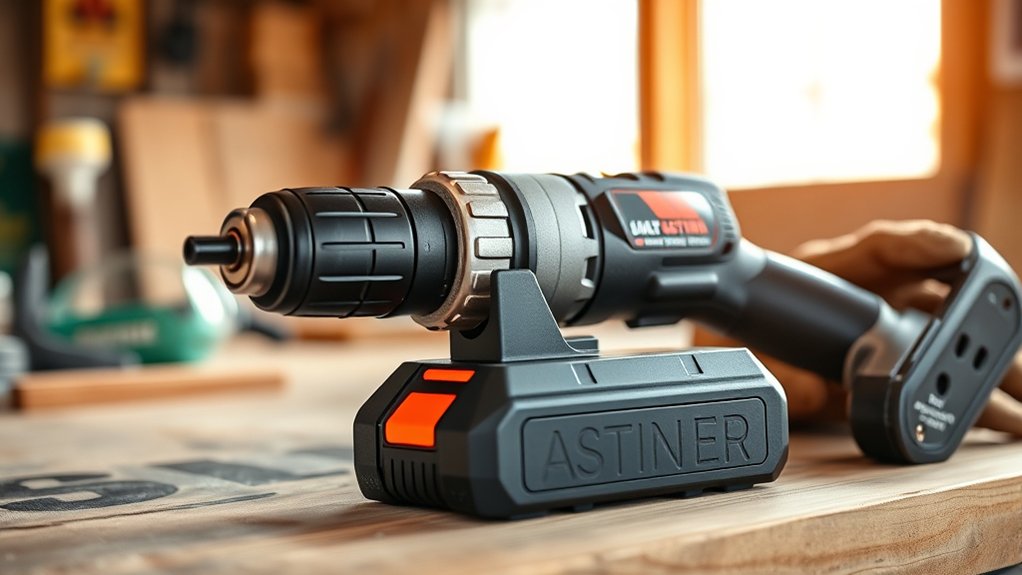
Show customers how a tool’s power, battery life, and safety features match their work. Explain torque, speed, and motor strength in practical terms, such as driving large screws, cutting dense materials, or drilling masonry.
Help shoppers compare output ratings without overwhelming them with technical jargon. Discuss battery performance by connecting voltage, amp-hours, charge time, and runtime to real tasks.
Compare power ratings simply, linking voltage, battery capacity, charging time, and runtime to everyday tasks.
A compact battery may suit quick repairs, while a higher-capacity pack can support long jobs. Mention brushless motors when they deliver greater efficiency, cooler operation, or longer service life.
Don’t overlook balance and comfort, since a powerful tool should remain manageable during extended use. Point out safety precautions, including trigger locks, blade guards, electronic brakes, overload protection, and secure grips.
Encourage customers to choose features that reduce mistakes and fatigue. Be honest about limitations, too. Accurate guidance builds trust and helps each buyer select a tool that performs reliably on the job.
Write Power Tool Listings That Convert
Write listings that clearly highlight important features, such as power, battery life, and included accessories. Use clear, well-lit photos to show the tool’s condition and key details. Give buyers the information they need to make a quick, confident decision.
Highlight Key Features
Highlighting the right features helps buyers quickly see why your power tool deserves their attention. Lead with practical benefits, such as faster cutting, longer runtime, stronger torque, or improved control.
Mention the motor’s power, battery voltage, speed settings, chuck size, cutting capacity, and included accessories. Use specific measurements instead of vague claims, and explain how each feature solves a common task or saves effort.
Build trust by stating the tool’s condition, compatibility, warranty, and tested performance. If you’re selling used equipment, disclose wear honestly and note any replaced parts.
Include customer testimonials that reinforce reliability, ease of use, or durability. A brief price comparison can show buyers that your offer delivers strong value without sounding pushy.
Organize details with short paragraphs or bullet points so shoppers can scan them quickly and decide confidently.
Use Clear Photos
Clear, well-lit photos help buyers judge a power tool’s condition and value before they contact you. Photograph the entire tool from multiple angles, using natural light and a clean background.
Capture close-ups of the label, model number, battery, accessories, and any scratches or wear. Honest images build trust, show Product durability, and support your claims about Brand reputation.
Avoid blurry shots, harsh shadows, and clutter that distracts buyers.
| Photo | What to show |
|---|---|
| Front | Overall condition |
| Side | Housing and controls |
| Label | Brand and model |
| Battery | Charge and wear |
| Accessories | Included items |
Clean photos make your listing look professional and help shoppers compare options quickly. If damage exists, photograph it clearly instead of hiding it.
Transparency reduces disputes and encourages serious offers. Take fresh pictures for every listing, even when selling familiar models.
Consistent, accurate visuals can shorten selling time.
Set Prices That Protect Your Margins
Set prices that cover all your costs, including the product, shipping, fees, and overhead. To protect your margins, check competitor prices, but don’t feel pressured to match them exactly. Use what you learn, along with your costs, to choose prices that are both profitable and competitive.
Calculate Total Costs
Before you set a price, calculate every cost involved in selling the power tool, including wholesale expenses, shipping, storage, payment processing, packaging, labor, and marketplace fees. Build a complete cost breakdown so you know the minimum amount each sale must recover.
Include expected returns, warranty handling, discounts, and damaged inventory instead of treating them as surprises.
- Wholesale purchase: $80
- Freight and insurance: $12
- Packaging and handling: $6
- Marketplace and payment fees: $10
- Return allowance: $4
Add these expenses, then set pricing strategies that leave room for profit, promotions, and unexpected increases.
Choose a target margin and divide your total cost by one minus that margin. For example, a $112 total cost with a 25% target margin requires a $149.33 selling price.
Recheck your calculations whenever supplier terms, shipping rates, or operational expenses change. This discipline protects your earnings and supports sustainable sales growth.
Monitor Competitor Pricing
Once you know your minimum profitable price, compare it with current competitor listings. Check several marketplaces, local retailers, and specialty tool stores to understand the realistic range for similar drills, saws, and accessories.
Don’t copy the lowest price automatically. Competitors may sacrifice profit, sell older models, or exclude shipping and warranties.
Use market trend analysis to identify seasonal demand, inventory shortages, and price changes that could affect your strategy. Review competitor promotions, including bundle deals, coupons, free delivery, and limited-time discounts.
Then position your offer around value while protecting your floor price. If your product includes better support, faster shipping, or useful accessories, highlight those advantages.
Recheck prices regularly, especially before major sales events, so you can respond quickly without eroding your margins.
Use Reviews, Warranties, and Expert Support
Build trust by pairing honest customer reviews with clear warranty details and knowledgeable support. Show how real buyers use each tool, including successes, limitations, and job-site results.
Customer testimonials can answer practical questions that product specifications leave open, while transparent warranty policies reduce hesitation and clarify what your buyer can expect.
Help shoppers picture the purchase experience:
- Feature verified reviews beside relevant tools.
- Highlight durability feedback from tradespeople.
- Explain coverage, exclusions, and claim steps.
- Offer quick answers from trained experts.
- Compare support options without making promises.
Invite customers to read varied opinions rather than displaying only praise. Respond professionally to concerns, and use recurring feedback to improve your recommendations.
Train your team to explain performance, maintenance, and safe operation without overwhelming shoppers. When someone needs help choosing between models, ask about their tasks, materials, and experience first.
Then connect those needs to reliable evidence, dependable coverage, and responsive assistance. This approach makes your advice credible and helps buyers feel confident before checkout.
Promote Power Tools Across the Right Channels
Promote power tools where your target buyers already research and shop, such as search engines, trade publications, social media, email, and relevant marketplaces. Match each channel to your audience’s intent.
Use search ads to capture shoppers comparing drills, saws, or accessories. Then direct them to focused product pages with clear specifications, prices, and reviews.
Capture high-intent tool shoppers with targeted search ads and product pages that make comparing specifications, prices, and reviews easy.
Share practical demonstrations, setup tips, and maintenance advice on social platforms to show how your tools solve real jobsite problems.
Build brand storytelling around durability, craftsmanship, and the professionals who rely on your products. Consider influencer collaborations with contractors, DIY educators, and trade specialists whose recommendations carry credibility with your ideal customers.
Segment your email list by trade, experience, and past purchases. Send useful content, timely promotions, and accessory suggestions rather than generic blasts.
Optimize marketplace listings with accurate titles, strong images, keywords, and fast responses. Track clicks, conversions, and cost per sale, then shift your budget toward channels that consistently produce qualified buyers.
Frequently Asked Questions
How Should I Package Power Tools to Prevent Damage During Shipping?
Package each power tool in a sturdy, double-wall box that fits snugly. Remove batteries and secure loose parts separately to prevent movement. Wrap the tool with bubble wrap or foam, then add ample Shock absorption around every side, especially vulnerable handles and displays. Use quality Packaging materials, such as molded inserts, corner protectors, and kraft paper. Seal all seams with reinforced tape, label the box, and avoid empty spaces that allow shifting during transit.
What Licenses or Permits Are Required to Sell Power Tools?
You’ll usually need a general business license, sales-tax permit, and seller’s permit to sell power tools, but requirements vary by state, city, and sales channel.
Don’t assume online sales exempt you; check your local revenue department and business office. If you import, repair, or sell used equipment, additional rules may apply.
Confirm product safety and labeling requirements. Strong sales strategies and customer education help you stay compliant while building trust with buyers.
How Can I Identify Counterfeit Power Tools Before Purchasing Inventory?
You can spot counterfeit power tools by inspecting packaging, logos, model numbers, and serial labels for spelling errors, mismatched fonts, or poor printing. Compare genuine branding, specifications, and safety markings with the manufacturer’s official website.
Use counterfeit detection resources and verify serial numbers directly with the brand. Buy only from authorized distributors, request invoices and warranty documentation, avoid unusually low prices, and examine product quality before accepting inventory.
What Return Policy Works Best for Used or Refurbished Power Tools?
Offer a 30-day return window for used or refurbished power tools, requiring proof of purchase and excluding damage from misuse.
Think of it as a safety net: one retailer reduced disputes by 25% after clearly separating defects from buyer’s remorse.
Provide testing notes, condition grades, and serial numbers before sale. Add limited warranty options for verified defects, and replace or repair promptly.
This policy protects margins while strengthening customer satisfaction and trust.
How Should I Handle Recalled Power Tools or Defective Batteries?
Handle recalled tools and defective batteries promptly: stop sales, isolate affected inventory, and verify each item against the manufacturer’s recall notice. Follow the manufacturer’s Recall procedures, including customer notifications, refunds, replacements, and authorized disposal.
Don’t resell, repair, ship, or discard recalled products casually. For Defective batteries, stop charging or using them, keep them away from heat and combustibles, and follow approved hazardous-material recycling guidance. Document every action and communication.
Conclusion
Selling power tools gets easier when you match the right products with the right customers, explain practical benefits, and build trust at every step.
Don’t overlook service: 90% of customers read online reviews before buying, so encourage satisfied buyers to share their experiences.
Protect your margins with thoughtful pricing, then promote your listings where serious DIYers and professionals shop.
When you combine clear information, reliable support, and consistent follow-through, you’ll turn more browsers into confident buyers and repeat customers. These strategies can help you sell power tools more effectively.