Top 5 Mobile Mechanic Tools You Need in 2027
Mobile repairs can become stressful when you’re missing the right tools, especially when a diagnostic issue or EV safety concern appears roadside. You’re not alone—many mobile mechanics struggle to stay prepared while keeping their equipment compact and reliable.
In 2027, you’ll need five mobile mechanic essentials: a capable wireless scan tablet with bidirectional testing, live data, and regular updates; certified EV battery safety gear, including voltage-rated gloves and a meter; a borescope, mirror, and rechargeable inspection light for hidden faults; a lithium power station, jump starter, and optional solar panel; and reliable cables, adapters, and diagnostic apps for secure vehicle connections.
Keep these tools maintained and organized, and you’ll realize how each supports faster, safer roadside repairs.
Key Takeaways
- Advanced bidirectional diagnostic scanner with wireless connectivity, live data, guided tests, and frequent software updates.
- High-voltage EV safety kit featuring rated gloves, protective equipment, voltage tester, service-disconnect tools, and battery lifting equipment.
- Flexible borescope inspection camera with lighting, mirror attachments, photo capture, and annotation capabilities.
- Portable lithium power station with pure sine-wave output, USB ports, overload protection, and compatible solar charging.
- Reliable scan tablet and vehicle communication adapter for recording fault codes, freeze-frame data, health reports, and repair findings.
Choose the Best Mobile Mechanic Scanner
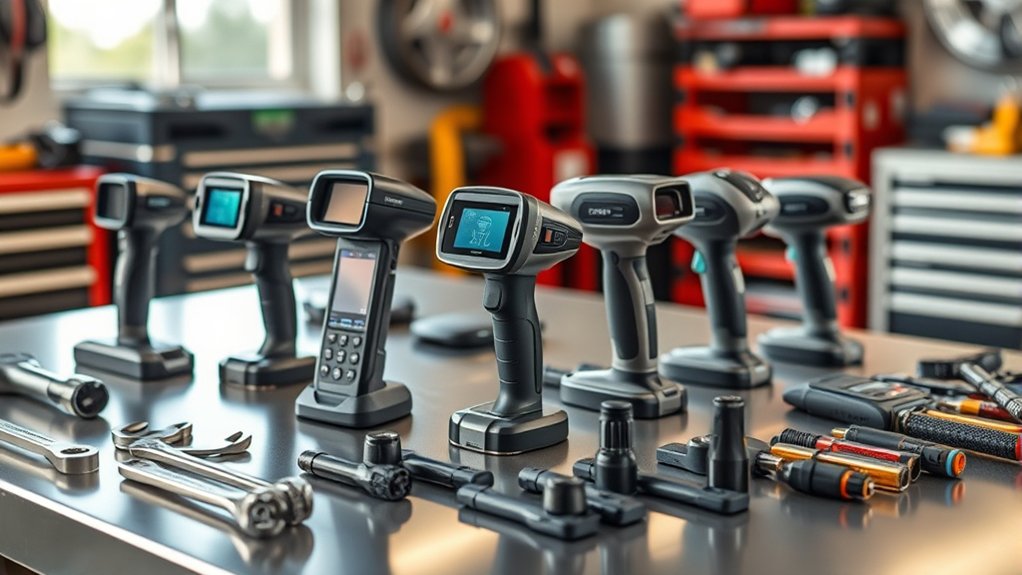
Choosing the best mobile mechanic scanner starts with matching its capabilities to the vehicles you service most often. Check coverage before you buy, including supported makes, models, years, and systems.
A scanner that reads engine codes alone may not meet your needs if you diagnose transmission, ABS, airbag, or body-control faults.
Prioritize fast, reliable communication and regular software updates. Wireless connectivity lets you move around the vehicle without managing a cable, while bidirectional controls help you test components instead of merely viewing codes.
Look for live data graphs, freeze-frame records, health reports, and guided diagnostic tests that turn information into practical next steps.
You’ll work more efficiently with a user friendly interface, clear menus, readable displays, and customizable data views.
Confirm that the battery lasts through a full day of calls and that the case withstands travel. Finally, compare subscription costs, update policies, warranty coverage, and technical support before choosing your scanner.
The right tool saves time, improves accuracy, and strengthens customer confidence.
Work Safely on EV Batteries
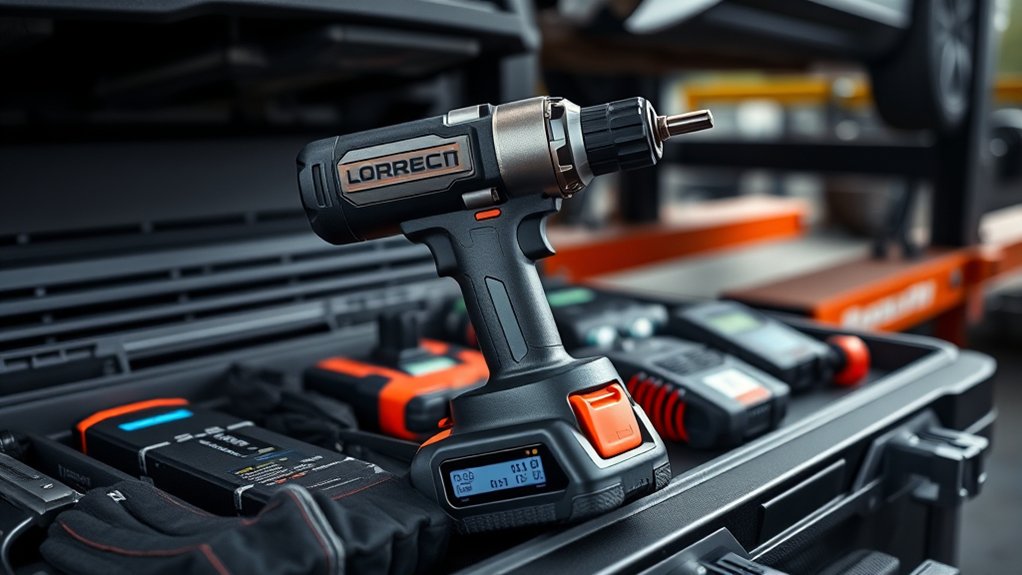
A capable scanner helps you diagnose EVs, but battery work requires strict safety practices. Before you touch an electric vehicle, complete the manufacturer’s high-voltage training and review its service procedures.
Shut down the system exactly as directed, remove the service disconnect, and verify zero voltage with a properly rated meter. Never rely on the dashboard or key fob to prove the battery is inactive.
Wear personal protective equipment, including voltage-rated gloves, leather protectors, safety glasses, and flame-resistant clothing. Inspect gloves before every job, and keep insulated tools, barriers, warning labels, and a suitable fire extinguisher within reach.
Battery handling safety also means supporting heavy packs with approved lifting equipment instead of improvised jacks. Keep unauthorized people away, remove metal jewelry, and maintain a clean, dry work area.
Don’t work on a damaged, swollen, leaking, or hot pack. Isolate it, follow emergency procedures, and contact qualified EV specialists when conditions exceed your training or equipment.
Document each shutdown and reactivation step carefully.
Inspect Hard-to-Reach Problems
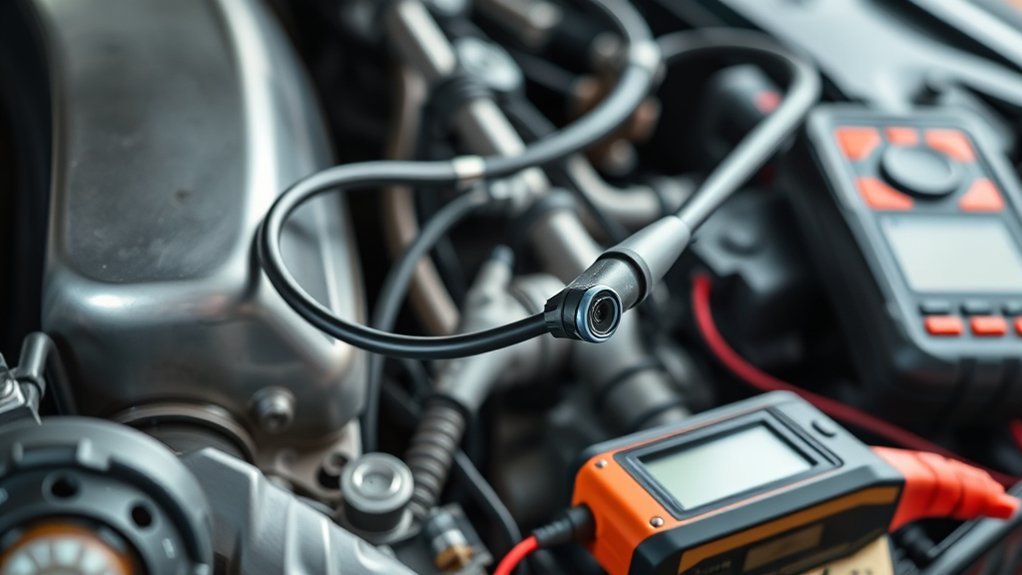
When a fault hides behind trim, under a dashboard, or inside a crowded engine bay, use a borescope, inspection mirror, and compact inspection light to see it without unnecessary disassembly. These tools help you trace leaks, inspect connectors, and spot damaged fasteners while keeping the vehicle intact.
Choose equipment that fits mobile work:
- A flexible borescope with a small camera head lets you view cylinders, vents, and wiring channels. Wireless inspection models send clear images to your phone, so you can share evidence with customers.
- A telescoping inspection mirror reveals hidden clips, hose cracks, and fluid trails around tight corners.
- A rechargeable inspection light with adjustable brightness prevents shadows from hiding small defects.
Pair the camera with diagnostic apps that let you capture photos, annotate findings, and organize repair notes. Before probing, protect lenses and connectors from grease, and move cables gently to avoid creating new faults.
You’ll diagnose faster, remove fewer parts, and explain recommendations with confidence. Always verify the problem from more than one angle before replacing components.
Power Your Tools at the Roadside
Reliable roadside power keeps your diagnostic gear, lights, chargers, and cordless tools ready throughout the job. Choose a compact lithium power station with multiple outlets, USB ports, and enough capacity for your busiest service calls.
You’ll appreciate pure sine-wave output when powering sensitive electronics, while built-in overload and low-voltage protection helps prevent damage.
Keep a heavy-duty jump starter in your van for flat batteries and emergency starts. Add a folding solar panel if you work far from reliable grid power, but check weather conditions and charging times before depending on it.
Battery maintenance matters, so inspect terminals, recharge packs after every call, and replace aging units before they fail. Store batteries in moderate temperatures and secure every cable against movement.
Prioritize Tool portability when selecting generators, inverters, and extension cords. Lightweight, weather-resistant equipment saves space and reduces setup time.
Label each power source, track its charge level, and test your system weekly, so you won’t lose valuable roadside working time.
Connect Your Mobile Diagnostic Tools
Once your roadside power is ready, connect your mobile diagnostic tools in a clear, repeatable order. Start with a dependable scan tablet, then pair it with the vehicle’s diagnostic port and verify stable wireless connectivity.
Keep your phone or laptop nearby for service data, but don’t let notifications interrupt testing.
Keep service devices close for reference, but silence notifications so they don’t disrupt focused diagnostic testing.
- Inspect the adapter and cable for damage before plugging in. Confirm the ignition setting your scan tool requires.
- Launch the diagnostic app, select the correct vehicle, and check that live data updates without delays. Use data encryption and a trusted network when sending reports or accessing cloud records.
- Record fault codes before clearing anything. Capture freeze-frame details, test suspected systems, and save your results under the customer’s job number.
You’ll work faster when every device uses consistent names, current firmware, and charged batteries. After testing, disconnect in reverse order, protect the connectors, and sync your report while you still have a secure connection.
That routine reduces errors and keeps roadside diagnosis professional.
Frequently Asked Questions
What Essential Hand Tools Should Every Mobile Mechanic Carry?
Carry a dependable socket set, ratchets, combination wrenches, screwdrivers, pliers, hex keys, torque wrench, breaker bar, pry bar, and a hammer. Add trim tools, an adjustable wrench, utility knife, multimeter, inspection mirror, and flashlight for varied roadside repairs.
Protect your investment through regular tool maintenance: clean, inspect, lubricate, and replace damaged pieces. Keep tools organized so you’ll work faster and communicate clearly during customer communication, explaining findings, options, and costs confidently.
How Often Should Mobile Mechanic Tools Be Cleaned and Calibrated?
You should clean mobile mechanic tools after every job, while you should inspect and calibrate measuring equipment at least annually. Studies show that proper maintenance can extend tool life by up to 30%.
Follow clear calibration schedules for torque wrenches, multimeters, and scan tools. Adjust the frequency when you use them heavily or drop them.
Your tool maintenance routine should include rust checks, lubrication, battery inspection, and accurate records so you catch problems before they affect repairs.
Which Storage Solutions Keep Tools Organized During Roadside Service Calls?
Choose a modular rolling tool chest with labeled storage compartments, removable trays, and weather-resistant construction for roadside calls. Add a compact service cart or foldable toolbox for carrying essentials directly to the vehicle.
Use magnetic parts bowls, socket rails, and color-coded pouches to prevent small items from disappearing. Tool organization improves when you assign every tool a dedicated location, secure drawers with latches, and restock supplies after each job.
What Personal Protective Equipment Should Mobile Mechanics Wear?
You should wear safety gear that protects your eyes, hands, feet, hearing, and skin during every roadside repair. Choose impact-resistant safety glasses, cut-resistant gloves, steel-toe, slip-resistant boots, hearing protection, and flame-resistant coveralls when working near heat, fuel, or sparks.
Add a high-visibility vest so drivers can see you clearly. Your protective attire should fit securely, stay clean, and match each job’s hazards. Keep a first-aid kit nearby, too.
How Can Mobile Mechanics Estimate Repair Costs Accurately?
You can estimate repair costs accurately by turning uncertainty into a clear roadmap. Start with a thorough inspection, confirm symptoms, and use diagnostic software to identify faults before replacing parts.
Check labor times, current parts prices, taxes, disposal fees, and mobile-service travel charges. Build a written repair estimation with itemized costs, possible complications, and a contingency range.
Explain assumptions, obtain approval, and update the customer immediately when findings change.
Conclusion
With the right mobile mechanic tools, you’ll diagnose faster, work safer, and deliver confident repairs wherever customers call. Envision this: EV sales are projected to surpass 30% of new-car sales globally by 2030, putting high-voltage safety at the center of roadside service.
Choose a capable scanner, insulated battery gear, inspection tools, a reliable power source, and secure connectivity now. Prepare today, and you’ll turn challenging driveways into efficient, professional workstations with the best mobile mechanic tools.