Diagnose Car Engine Problems in 3 Easy Steps
Dealing with car engine problems can be frustrating and stressful. You’re not alone—many people struggle to figure out what’s wrong under the hood and feel overwhelmed by all the technical details. Whether you want to save money or just get back on the road quickly, knowing how to diagnose engine issues yourself is a game-changer.
You can diagnose car engine problems in 3 easy steps. First, watch and listen for warning signs like rough idling, unusual smoke colors, or engine hesitation.
Next, check key basics such as oil, coolant, and battery levels, and don’t ignore warning lights.
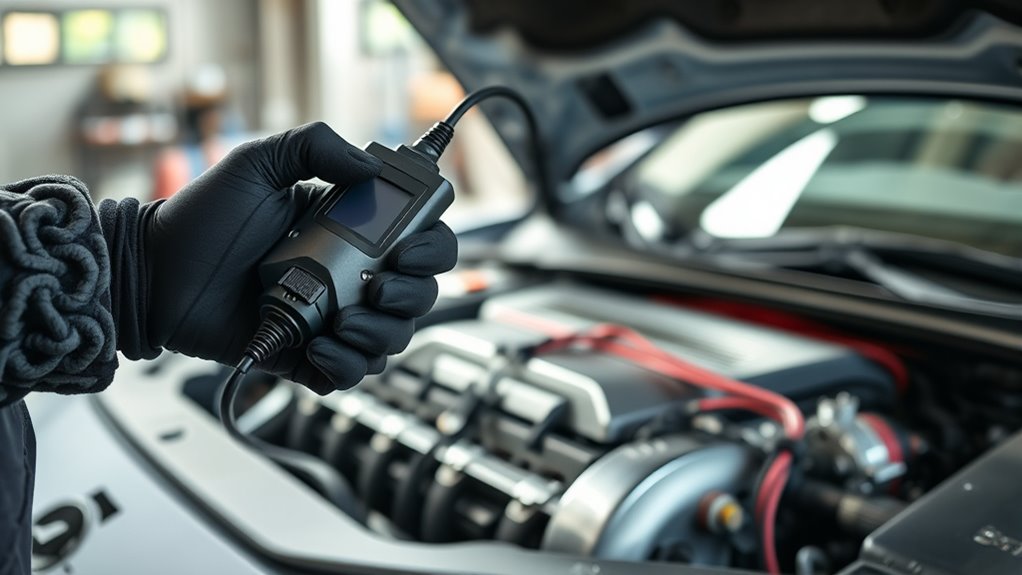
Finally, use simple diagnostic tools like a code reader or multimeter to pinpoint issues quickly.
Keep these steps in mind, and you’ll be ready to tackle engine troubles with confidence and ease.
Key Takeaways
- Listen for rough idling, engine hesitation, or unusual noises to identify potential misfires or ignition issues.
- Check for abnormal exhaust smoke colors: blue means oil burning, white indicates coolant leaks, and black shows rich fuel mixtures.
- Inspect fluid levels like engine oil, coolant, and brake fluid to keep the engine running smoothly and avoid overheating.
- Use a code reader to pull error codes from the vehicle’s computer for a more precise diagnosis.
- Take a close look at belts, hoses, and electrical connections, and use a multimeter to catch wear or faults early.
Spot Common Car Engine Symptoms by Sight and Sound
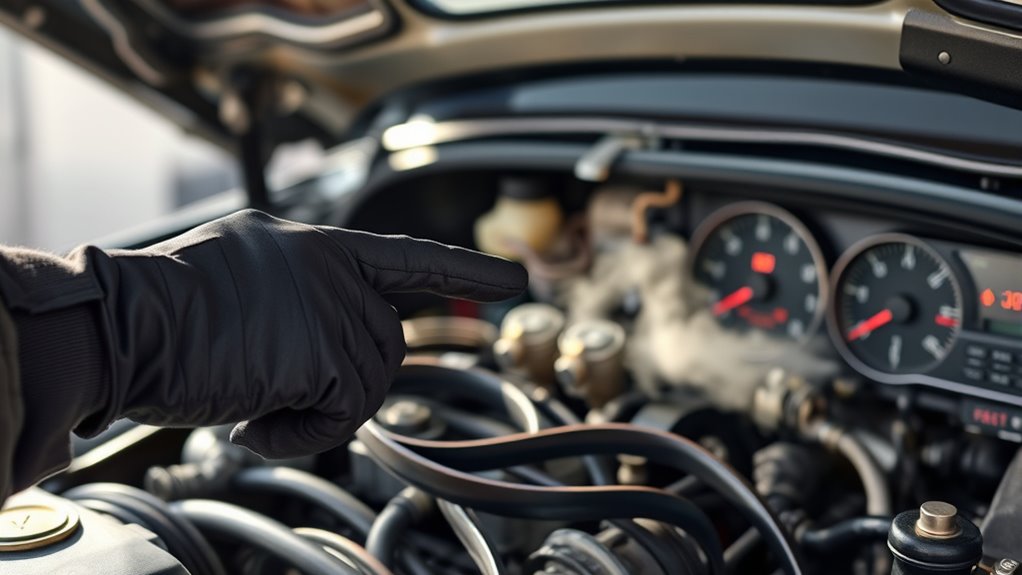
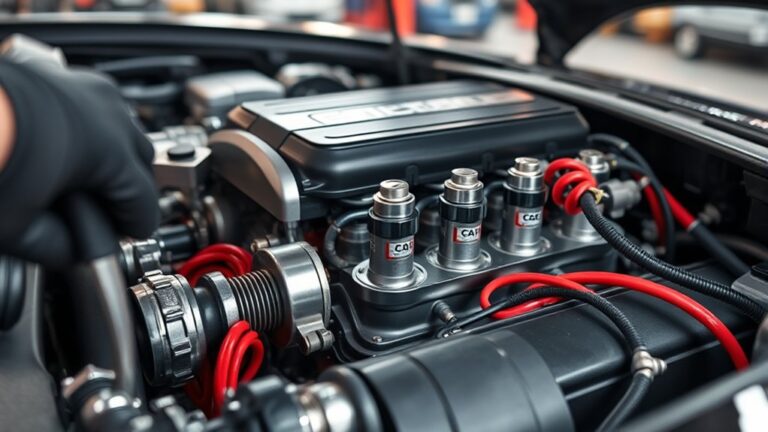
Although engine problems can be complex, you can often spot common issues by paying attention to what you see and hear. If your car experiences an engine misfire, you’ll likely notice a rough idle or jerking while driving. The engine might hesitate or stumble, signaling a spark or fuel problem.
Listening closely to your engine can help you catch these signs early.
You should also watch for unusual exhaust smoke. Blue smoke means burning oil, while white smoke might indicate coolant leaking into the combustion chamber. Black smoke suggests an overly rich fuel mixture. These visual clues point to specific engine troubles that need prompt attention.
Check Car Engine Basics: Fluids, Battery, and Warning Lights
Before diving into complex diagnostics, you should regularly check your car’s essential engine components like fluids, the battery, and warning lights. This helps catch problems early and keeps your vehicle running smoothly. Keep an eye on engine temperature to prevent overheating, and watch for any warning lights related to exhaust emissions, which indicate potential emissions system issues.
| Component | What to Check | Why It Matters |
|---|---|---|
| Fluids | Oil, coolant, brake fluid | Maintain lubrication and cooling |
| Battery | Terminals, charge level | Ensure reliable starts |
| Warning Lights | Engine, temperature, emissions | Early alerts to engine problems |
Checking these basics helps you spot issues before they worsen. Low fluid levels can cause overheating or poor engine performance, while a weak battery might leave you stranded. Ignoring warning lights, especially those linked to engine temperature or exhaust emissions, can lead to costly repairs or failed emissions tests. Regular checks keep your car safe and efficient.
Use Simple Tools to Diagnose Car Engine Problems
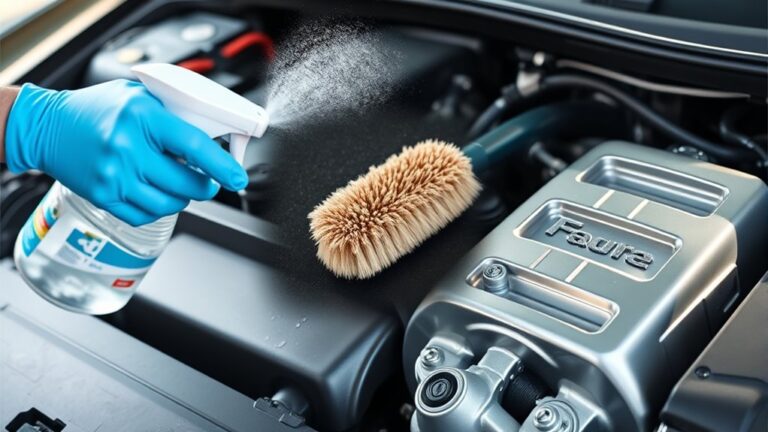
When you notice your engine acting up, you can quickly pinpoint many issues using simple tools like a code reader, a multimeter, or even a basic flashlight. A code reader helps you access error codes from your car’s computer, guiding you to specific problems affecting fuel efficiency or causing poor exhaust emissions.
With a multimeter, you can test your battery voltage and electrical connections, ensuring your ignition system works properly. A flashlight lets you inspect hoses and belts for cracks or leaks that might reduce engine performance.
Use a multimeter to check battery voltage and a flashlight to spot worn hoses or belts early.
By regularly using these tools, you catch issues early, preventing costly repairs and maintaining most favorable fuel efficiency. Checking exhaust emissions with a code reader also helps you identify problems with your catalytic converter or oxygen sensors, which can harm the environment and reduce engine power.
Using simple tools empowers you to diagnose problems confidently, keep your engine running smoothly, and save money on repairs.
Frequently Asked Questions
How Often Should I Schedule Professional Engine Diagnostics?
You should schedule professional engine diagnostics at least once a year or whenever you notice unusual symptoms like warning lights or strange noises. Using engine diagnostic tools during these check-ups helps catch issues early, saving you from costly repairs.
Regular diagnostics are a key part of preventative maintenance, keeping your car running smoothly and efficiently. Don’t wait for problems to worsen. Stay proactive and protect your engine’s health.
Can Cold Weather Permanently Damage My Car Engine?
Imagine your engine struggling to roar on a frosty morning. Cold weather itself won’t permanently damage it, but neglect can.
When temperatures drop, engine oil thickens, making it harder to lubricate moving parts. Your battery health can also decline, risking a no-start situation.
You’ve got to use the right oil viscosity and keep your battery charged to protect your engine from cold’s harsh effects and avoid lasting damage.
What Engine Problems Require Immediate Towing?
If your engine overheating warning light comes on, you should get your car towed immediately to avoid severe damage. Also, if you hear unusual noises like knocking or grinding, it’s a sign something’s seriously wrong. Driving further could make it worse.
Don’t ignore sudden loss of power or smoke from the engine either. These issues require immediate towing to prevent costly repairs and keep you safe.
How Do Engine Problems Affect Fuel Efficiency?
You know what they say: “A stitch in time saves nine.” When your engine’s off, your fuel consumption spikes because poor engine performance makes your car work harder.
Issues like misfires, clogged filters, or faulty sensors reduce efficiency, making your fuel tank empty faster. Catching these problems early helps you save money at the pump and keeps your ride smooth.
Don’t ignore warning signs; your wallet and car will thank you.
When Is It Better to Replace Instead of Repair an Engine?
You should replace your engine instead of repairing it when the cost of an engine overhaul or multiple part replacements outweighs the value of your car.
If your engine has severe damage like a cracked block or repeated failures despite repairs, replacing it saves you time and money.
Also, if you want improved performance or reliability, a replacement engine is often better than patching up an old one with constant part replacements.
Conclusion
Now that you know the signs to watch for, the basics to check, and the simple tools to use, you’re almost there. But before you jump in, remember sometimes the smallest clue can reveal the biggest problem.
Don’t rush past that odd sound or unusual sight. Trust your instincts, dig a little deeper, and you might just save yourself from a costly repair.
The key to fixing your engine problems is closer than you think.