How to Check Engine Oil in Your Car in 3 Simple Steps
Checking your engine oil regularly is one of those car maintenance tasks that many people struggle with. You might feel unsure about how to do it properly or worry about missing signs that your engine needs attention. You’re not alone—keeping your engine oil in good shape is essential to avoid costly repairs and keep your car running smoothly.
To check your engine oil in three simple steps, first park your car on a level surface and locate the dipstick under the hood. Pull it out, wipe it clean, then reinsert it fully and pull it out again to check the level between the “Low” and “Full” marks.
Next, inspect the oil’s color and texture. Amber means it’s good, while dark or gritty means it needs changing. Keep following these tips to keep your engine running smoothly.
Key Takeaways
- Park your car on a level surface and make sure the engine is cool before checking the oil. This helps get an accurate reading.
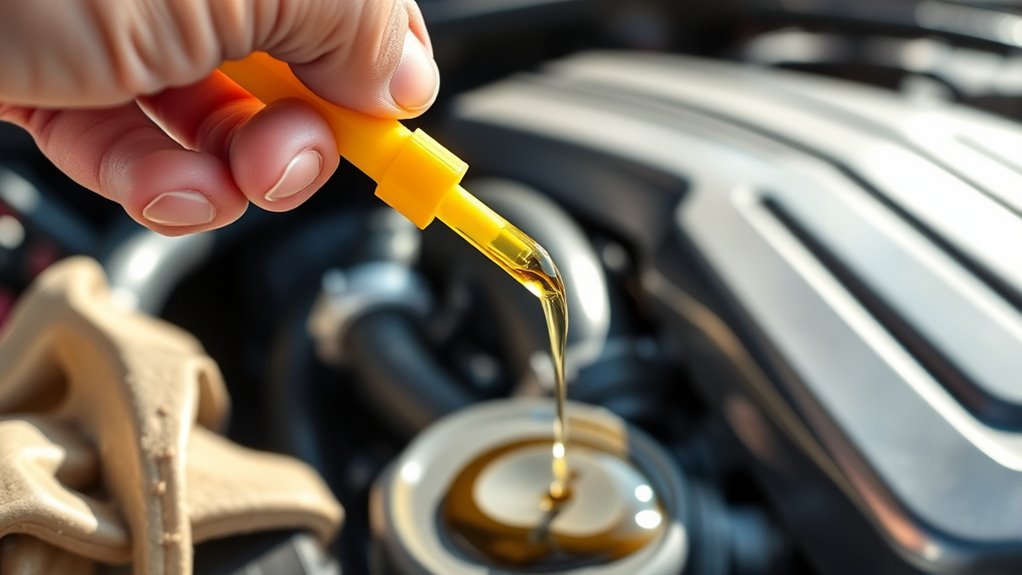
- Locate the dipstick, pull it out, and wipe it clean with a rag or paper towel. Then, reinsert it fully.
- Pull the dipstick out again and check the oil level between the “Full” and “Low” marks. Add oil if it’s below “Low,” but don’t overfill past “Full.”
- Also, take a quick look at the oil’s color and texture. Fresh oil is amber, while dark or gritty oil means it’s time for a change.
Locate Your Dipstick and Prepare Your Car
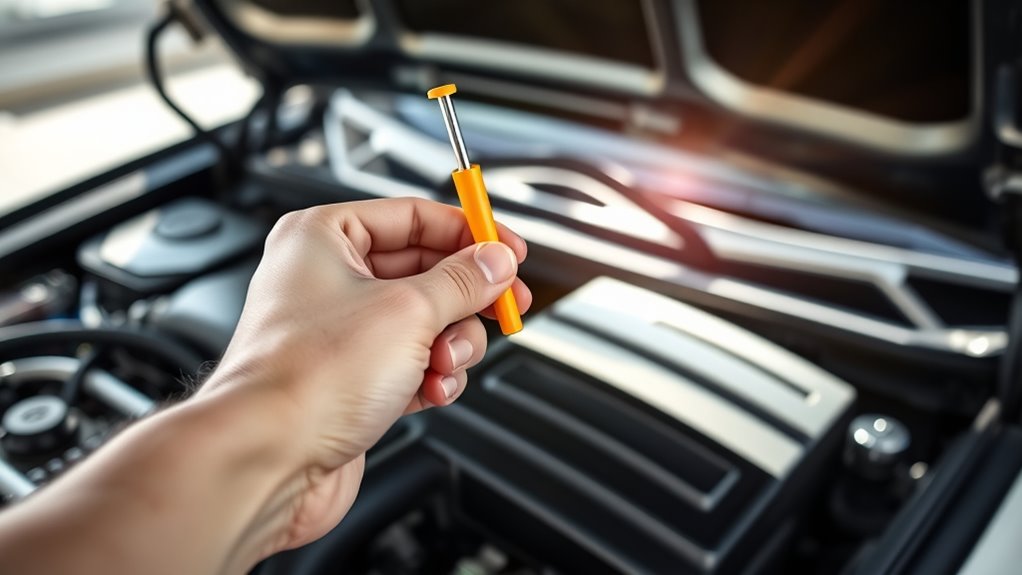
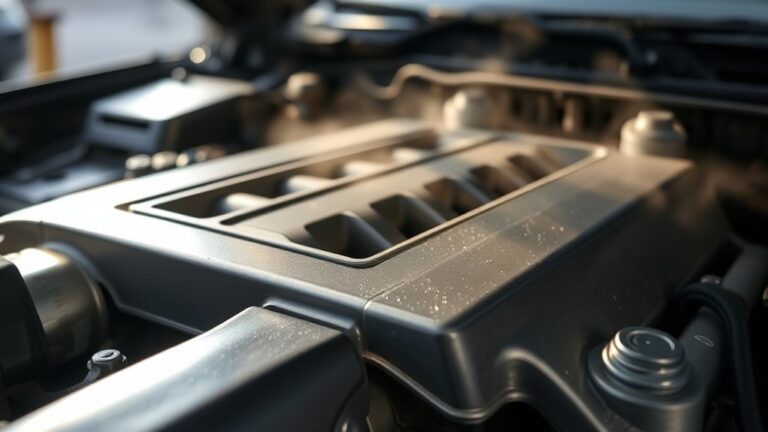
Before you check your engine oil, make sure your car is parked on a level surface and the engine is cool. This prevents inaccurate readings and avoids burns. Pop the hood and locate the dipstick, usually marked with a bright handle, often yellow or orange. Pull it out slowly, wiping it clean with a rag or paper towel. This step is vital for engine cleaning, as it helps remove old oil residues that might affect your reading.
While you’re at it, consider oil additives designed to improve engine performance and prolong oil life. These additives can reduce friction and help keep your engine cleaner between oil changes. Once the dipstick is clean, reinsert it fully and pull it out again to check your oil level. Preparing your car properly guarantees you get an accurate measurement, keeping your engine running smoothly and efficiently.
Check the Oil Level and Understand What It Means
Once you’ve pulled out the dipstick the second time, carefully examine the oil level against the marked indicators, usually labeled “Full” and “Low.” If the oil sits between these marks, your engine has enough oil to run smoothly.
Levels below “Low” mean you need to add oil to avoid poor engine lubrication, which can cause damage. Also, note that oil contamination can affect performance, so spotting unusual colors or particles on the dipstick is important.
Here’s a quick guide:
| Oil Level | What It Means |
|---|---|
| Above “Full” | Overfilled, may cause leaks |
| Between marks | Ideal for engine lubrication |
| Below “Low” | Needs topping up immediately |
Keeping the proper oil level helps ensure your engine runs efficiently and prevents wear caused by insufficient lubrication or contaminants. Checking regularly saves you from costly repairs and keeps your car reliable.
Check Your Oil’s Condition to Know When to Change It
Although checking your oil level is essential, you also need to assess its condition to determine when it’s time for a change. Start by pulling out the dipstick and wiping it clean. After reinserting and removing it again, look closely at the oil color and texture.
Fresh oil is usually amber or light brown, indicating good oil quality. If the oil appears very dark, almost black, it’s likely contaminated with dirt and combustion byproducts, signaling that it’s time for a change.
Also, check for any gritty particles or a thick, sludgy consistency, which reduce the oil’s effectiveness. If the oil smells burnt or looks milky, it could indicate engine problems or coolant leaks, requiring immediate attention.
Monitoring oil quality regularly helps keep your engine running smoothly and prevents damage. Remember, oil color and texture give you critical clues about when to replace it, so don’t overlook this simple but crucial step.
Frequently Asked Questions
How Often Should I Check My Engine Oil?
You should check your engine oil at least once a month to guarantee it’s at the right level and looks clean. Even if you follow recommended oil change intervals, regular checks help you spot issues early.
What Type of Oil Is Best for My Car?
When it comes to choosing the best oil, don’t put all your eggs in one basket. Oil viscosity matters a lot. Check your owner’s manual for the recommended viscosity, like 5W-30, to keep your engine running smoothly.
Synthetic oils offer better protection and last longer than conventional ones, especially if you drive in extreme conditions. So, go with synthetic if you want superior performance, but always follow your car’s specific guidelines.
Can I Drive With Low Engine Oil?
You shouldn’t drive with low engine oil because it can cause serious damage. Low oil means less lubrication, which increases friction and wear.
If you notice oil contamination or a dark engine oil color, it’s a warning sign. Driving like this risks overheating and engine failure.
Check your oil regularly and top it up if needed. Also, address contamination issues quickly to keep your engine running smoothly and avoid costly repairs.
How Do I Add Oil if It’s Low?
Think of your engine as a thirsty beast. It needs the right oil to roar. To add oil if it’s low, first pick the correct oil viscosity for your car’s engine.
Unscrew the oil cap, then slowly pour in oil, checking the level frequently. Remember, if it’s been a while, consider changing the oil filter too. This helps the fresh oil flow cleanly and keeps your engine purring smoothly.
What Are Signs of Oil Leaks in My Car?
You’ll notice oil leaks if you see dark, greasy spots under your car or a burning smell from the engine area. Engine oil contamination can also cause your oil to look dirty or gritty, signaling a leak or filter issue.
Regular oil filter maintenance helps prevent leaks by keeping contaminants out. If your oil level drops frequently, it’s a clear sign you should inspect for leaks and maintain your filter properly.
Conclusion
Checking your engine oil is like giving your car a quick health check. Just like you wouldn’t skip brushing your teeth, don’t skip this step. Neglecting oil can damage your engine faster than you think.
A friend once ignored low oil, leading to a costly repair. By following these simple steps regularly, you’re keeping your car happy and running smoothly. This saves you time, money, and stress down the road.
Remember, checking your engine oil is key to maintaining your vehicle’s health and performance.