How Long Does a Car Engine Take to Cool Down
If you’ve ever been stuck wondering how long it takes for a car engine to cool down, you’re not alone. Many drivers struggle with knowing the right time to open the hood or check fluids without risking burns or damage. It’s a common concern that can make routine maintenance feel stressful.
You should wait about 30 minutes for your car engine to cool down before opening the hood or checking fluids. Larger engines and hot weather mean it takes longer. Heavy traffic or hilly driving can also keep your engine hotter for more time.
Opening the hood too soon risks burns from steam or hot fluids, while waiting too long can harm engine parts. To safely manage cooling and maintenance, understanding these factors will help keep you safe and your engine healthy.
Key Takeaways
- A car engine typically takes about 30 minutes to cool down after shutdown.
- Larger engines and hot ambient temperatures increase the cooling duration.
- Cooling efficiency depends on radiator condition and coolant levels.
- Heavy traffic and stop-and-go driving slow the engine cooling process.
- Wait for the radiator cap to feel warm, not hot, before opening the hood.
How Long Does a Car Engine Typically Take to Cool Down?
Although the exact time can vary, your car engine typically takes about 30 minutes to cool down after you turn it off. During this period, engine oil and radiator fluid play vital roles in managing the heat.
Engine oil lubricates and helps dissipate heat from moving parts, while radiator fluid circulates through the cooling system, carrying heat away from the engine block. Once you switch off the engine, the circulation of these fluids slows down, and the heat gradually dissipates into the surrounding air.
You shouldn’t touch the radiator cap or engine components immediately after stopping, as the fluids remain hot and can cause burns. Waiting for the engine to cool guarantees that the engine oil and radiator fluid return to safer temperatures, preventing damage and allowing you to safely check fluid levels or perform maintenance.
Understanding this typical cooldown time helps you care for your engine properly and avoid unnecessary risks.
Top Factors That Affect Engine Cooling Time
You’ll notice engine size plays a big role in how quickly your car cools down. Bigger engines usually take longer to cool off, while smaller ones cool faster. Then, the temperature around you also affects cooling time. If it’s hot outside, your car might take longer to cool down compared to a chilly day. Plus, the efficiency of your car’s cooling system can make a significant difference. A well-maintained system helps your engine cool faster, while a worn-out one can slow things down.
Engine Size Impact
Since larger engines contain more metal and fluid, they naturally take longer to cool down than smaller ones. When you’re dealing with a bigger engine, like a V8 compared to a four-cylinder, the heat disperses more slowly. The amount of engine oil and coolant levels also play vital roles in how fast your engine cools.
Here’s why engine size impacts cooling time:
- More metal mass means more heat stored, so the engine stays hot longer.
- Larger engines use more engine oil and coolant, which must circulate to absorb and dissipate heat.
- If your coolant levels aren’t adequate, even a small engine can overheat and take longer to cool.
Understanding this helps you avoid premature maintenance or damage by letting your engine cool properly.
Ambient Temperature Effects
After considering how engine size affects cooling time, it’s important to recognize the role of ambient temperature. When the outside temperature is high, your engine temperature remains elevated longer because the surrounding air can’t absorb heat as efficiently.
This slows down the cooling process, making your engine take more time to reach a safe temperature. Conversely, cooler ambient air helps dissipate heat faster, speeding up the drop in engine temperature.
While radiator efficiency plays a key role in managing heat transfer, ambient temperature directly influences how effectively the radiator can release heat into the environment. So when you’re dealing with hot weather, expect your engine to cool down more slowly compared to cooler conditions.
Being aware of this helps you avoid premature engine handling after driving.
Cooling System Efficiency
Although ambient temperature impacts how quickly your engine cools, the efficiency of your cooling system plays an even bigger role in managing heat dissipation. A well-maintained cooling system ensures your engine doesn’t overheat, preserves fuel efficiency, and keeps emission standards in check.
Here are the top factors affecting cooling efficiency:
- Radiator condition: a clean, damage-free radiator boosts heat transfer, helping your engine cool faster.
- Coolant quality and level: the right mixture prevents boiling and freezing, maintaining ideal engine temperature.
- Thermostat function: a properly working thermostat regulates coolant flow, avoiding overheating or excessive cooling.
Effect of Outside Temperature on Engine Cooling Speed
You’ll notice your engine cools faster on a chilly day than on a hot summer afternoon. That’s because the outside temperature plays a big role in how quickly heat leaves your engine.
When it’s cold outside, the heat from the engine dissipates more quickly into the cooler air. But on a hot day, the air around your engine is already warm, so it takes longer for the heat to go away.
Knowing this difference can help you figure out when it’s safe to touch or work on your engine without burning yourself. It’s all about paying attention to the weather and how it affects your car.
Impact of Ambient Heat
How does the outside temperature affect how quickly your car engine cools down? When ambient heat is high, your engine temperature remains elevated longer because the surrounding air can’t absorb heat efficiently. This slows coolant flow’s ability to carry heat away from the engine block. You’ll notice it takes more time before the engine feels safe to touch or work on.
Consider these impacts of ambient heat:
- Increased engine temperature causes prolonged cooling periods, risking overheating if you hurry.
- Reduced coolant flow efficiency means your engine stays hot, stressing components.
- Hot weather might tempt you to open the hood too soon, leading to burns or damage.
Understanding this helps you avoid mistakes and protect your car’s longevity.
Seasonal Temperature Variations
Since seasonal temperatures vary widely, the speed at which your engine cools down changes throughout the year. In colder months, the outside temperature helps your engine lose heat faster, reducing the risk of engine overheating after a drive.
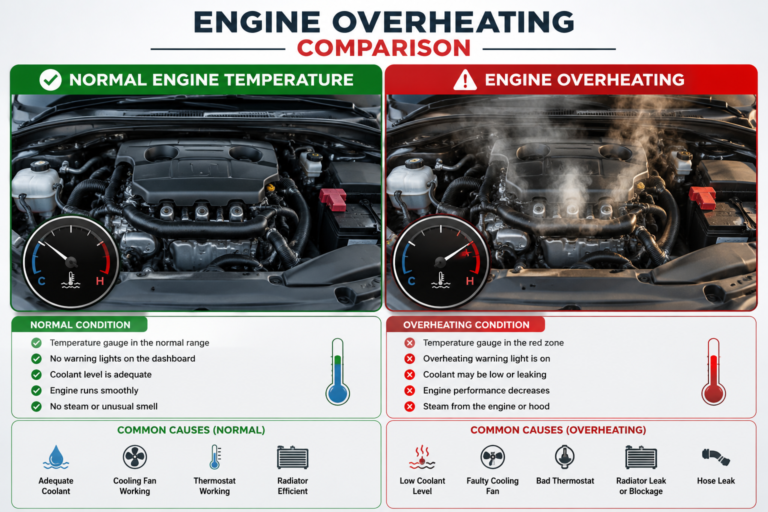
Conversely, during hot summer days, your engine stays warmer longer, making cooling take more time. If you notice your engine overheating frequently, especially in warm seasons, it’s essential to check for coolant leaks that can prevent efficient heat dissipation.
Coolant leaks reduce the fluid’s ability to regulate temperature, causing your engine to stay hotter for longer periods regardless of the season. By understanding how seasonal temperature variations affect cooling, you can better maintain your engine’s health and avoid costly repairs.
Cooling Rate Differences
Although engine cooling depends on various factors, outside temperature plays a crucial role in how quickly your engine loses heat after a drive. When it’s cold outside, your engine cools faster because the cooler air absorbs heat more efficiently.
Conversely, hot weather slows this process, making your engine stay warm longer. Your vehicle’s engine design and cooling technology also influence cooling speed, but outside temperature remains a key factor.
Here’s how outside temperature affects engine cooling:
- Cold air rapidly lowers engine temperature, reducing wait time before maintenance or parking.
- Warm air keeps engine heat elevated, increasing the risk of overheating if you don’t allow proper cooling.
- Extreme heat can challenge your cooling technology, making it essential to monitor engine temperature closely.
Impact of Engine Type and Size on Cooling Duration
Because engine type and size vary widely, they play a significant role in how quickly your car cools down. Larger engines hold more heat and typically take longer to cool, while smaller engines shed heat faster. For example, a V8 engine retains more heat compared to a 4-cylinder, affecting your wait time before maintenance or parking.
Understanding this helps with fuel efficiency and emissions reduction since cooler engines reduce wear and optimize combustion when restarted.
| Engine Type | Size (Liters) | Typical Cooling Time (minutes) |
|---|---|---|
| Inline 4-cylinder | 1.5 – 2.5 | 15-20 |
| V6 | 3.0 – 4.0 | 20-25 |
| V8 | 4.5 – 6.0 | 25-30 |
Knowing this info helps you manage your engine’s health better, enhancing fuel efficiency and lowering emissions by avoiding overheating or excessive idling.
How Driving Conditions Affect Engine Cooling
You’ll notice your engine takes longer to cool down in heavy traffic. That’s because stop-and-go driving keeps it running hot. And when you’re driving on hilly terrain, it’s a bit different—your engine works harder going uphill, which affects cooling too. Knowing these conditions can help you figure out how long your engine needs to cool.
Impact Of Traffic
How does traffic affect your car engine’s cooling time? When you’re stuck in traffic congestion, your engine doesn’t get the airflow it needs to cool down efficiently. This can increase the risk of engine overheating, especially during hot weather or after long drives.
Here’s how traffic impacts your engine cooling:
- Reduced airflow: Slow or stopped traffic means less air passes through the radiator, slowing heat dissipation.
- Continuous engine load: Frequent stop-and-go driving keeps the engine running hot without relief.
- Increased heat buildup: Idling in traffic traps heat around the engine bay, prolonging cooling time.
Understanding this helps you avoid engine overheating by giving your car extra time to cool after heavy traffic or using your vehicle’s cooling features wisely.
Influence Of Terrain
Although engine cooling depends largely on airflow and ambient temperature, the terrain you drive on plays a significant role in how quickly your car’s engine cools down. When you drive uphill or on rough terrain, your engine works harder, increasing engine noise and fuel consumption.
This extra effort generates more heat, making the engine take longer to cool. Conversely, flat or downhill driving allows better airflow and reduces engine strain, improving fuel efficiency and speeding up cooling.
| Terrain Type | Effect on Engine Cooling |
|---|---|
| Uphill/Rough | Higher engine noise, slower cooling |
| Flat | Moderate engine noise, moderate cooling |
| Downhill | Lower engine noise, faster cooling |
Signs Your Engine Is Safe to Open After Cooling
Before opening your car engine after it’s been running, look for clear signs that it’s cooled down enough to avoid burns or damage. Despite engine cooling myths you might have heard, modern vehicles cool faster than older models thanks to advances beyond historical engine technology. Here’s how to tell if your engine is safe to open:
Check for clear signs your engine has cooled before opening to prevent burns or damage.
- Radiator Cap Temperature Gently touch the radiator cap (with a cloth). If it feels warm but not hot, your engine is likely cool enough. Avoid opening it if it’s scorching.
- Hood Heat Place your hand above the hood without touching it. If you feel only mild warmth, the engine has cooled sufficiently.
- Steam and Odors Check for steam or unusual smells. If present, your engine is still hot and needs more time.
Risks of Opening the Hood Too Soon or Waiting Too Long
If you open the hood too soon, you risk severe burns from hot steam or coolant that can spray out unexpectedly. This sudden release can cause injury and damage sensitive parts like your engine oil seal and battery connections.
On the other hand, waiting too long to open the hood may also cause problems. Prolonged heat can degrade engine oil quality, reducing its effectiveness and increasing engine wear.
Furthermore, extreme heat can negatively affect battery health, shortening its lifespan.
| Risk | Consequence |
|---|---|
| Opening hood too soon | Burns, coolant spray, damage to seals |
| Waiting too long to open | Engine oil breakdown, increased wear |
| Prolonged heat exposure | Battery health decline, potential failure |
To avoid these risks, balance your timing carefully. Let the engine cool enough to handle safely, but don’t delay so long that heat damages essential components.
Effective Ways to Speed Up Engine Cooling After a Drive
When you want to speed up your engine’s cooling after a drive, there are several practical steps you can take to reduce heat quickly and safely. First, avoid shutting off the engine immediately; instead, let it idle for a few minutes. This helps circulate engine oil, which absorbs and dissipates heat more effectively.
Next, open the hood carefully to allow hot air to escape, but only after the engine has cooled slightly to prevent burns. Finally, check the radiator cap once the engine has cooled enough to touch it safely. A properly sealed radiator cap maintains pressure, helping your cooling system operate efficiently.
Here are three key actions to speed up cooling:
- Let your engine idle briefly to circulate engine oil.
- Open the hood gently to release trapped heat.
- Inspect the radiator cap for proper sealing to maintain cooling system pressure.
These steps reduce heat faster and protect your engine from damage.
When to Check Engine Oil and Coolant After Cooling
After you’ve taken steps to cool your engine, it’s important to know the right moment to check your engine oil and coolant levels. For accurate readings, wait until the engine has cooled down for at least 30 minutes. This pause allows fluids to settle, giving you a true sense of their levels and condition. Performing engine maintenance while the engine’s still hot can lead to incorrect measurements and potential hazards.
When you’re ready, open the hood carefully and check the dipstick for oil levels and the coolant reservoir for proper fluid amounts. Always follow safety precautions by wearing gloves and ensuring the engine is cool to avoid burns. Regularly monitoring these levels after cooling helps you catch leaks or low fluid issues early, preventing costly repairs.
How to Avoid Burns and Damage During Engine Maintenance
Although engine maintenance is essential, you must take precautions to avoid burns and damage. Handling a hot engine puts you at risk, especially when checking engine oil or coolant temperature.
To protect yourself and your car, follow these simple steps:
- Wait for the engine to cool down completely. Touching components too soon can cause severe burns due to residual heat.
- Wear protective gloves and long sleeves. This shields your skin from hot surfaces and accidental splashes of engine oil or coolant.
- Open the radiator cap carefully. Only do this when the coolant temperature is safe, and never force it open if it’s still hot and pressurized.
Frequently Asked Questions
Can Engine Cooling Time Affect Fuel Efficiency?
Yes, engine cooling time can affect your fuel efficiency. When engine temperature stays ideal, your engine runs smoothly and cooling efficiency improves, preventing overheating.
If you let your engine cool properly before driving hard again, you’ll maintain better combustion and avoid excessive fuel consumption. Neglecting cooling time can cause higher engine temperatures, reducing efficiency and increasing fuel usage.
Does Engine Cooling Time Vary With Different Car Brands?
You’ll notice engine cooling time does vary between car brands, like how different fabrics absorb heat. Engine material plays a big role. Aluminum cools faster than cast iron.
Plus, cooling systems differ. Some use advanced liquid cooling, while others rely on air. These factors mean your car’s engine cools at its own pace, shaped by design choices and materials.
How Does Engine Cooling Impact Battery Performance?
Engine cooling directly impacts your battery efficiency because an overheated engine can raise the battery’s temperature, reducing its lifespan and performance. Your car’s cooling system helps maintain ideal temperatures, preventing excessive heat from damaging the battery.
When you let the engine cool properly, you guarantee the battery operates effectively, avoiding premature wear. So, keeping your cooling system in good shape protects both your engine and battery performance over time.
Is It Safe to Tow a Car With a Hot Engine?
It’s not safe to tow a car with a hot engine because high engine temperature can worsen towing safety. When the engine’s hot, components like the radiator and hoses are under stress, and towing adds extra strain, risking damage.
You should wait for the engine temperature to drop before towing. This helps prevent overheating and mechanical failures, ensuring both your safety and the vehicle’s longevity during the tow.
Can Engine Cooling Time Influence Emission Levels?
Think of your engine temperature like a simmering pot; if you let it cool properly, emissions stay balanced. When you experience cooling delays, your engine runs hotter longer, causing incomplete combustion and higher pollutant output.
So yes, engine cooling time directly influences emission levels. By allowing your engine to cool efficiently, you help reduce harmful exhaust gases, improving both performance and environmental impact.
Don’t rush the cooldown. It’s essential for cleaner emissions.
Conclusion
Now that you know how long your engine takes to cool, don’t rush like a wildfire trying to tame the heat. Give it at least 30 minutes to settle, considering factors like temperature and engine size.
Opening the hood too soon risks burns, while waiting too long can delay maintenance. Keep your engine in check by timing your oil and coolant checks right.
Remember, patience is your best tool to keep your car running smoothly and safely. Understanding how long a car engine takes to cool down helps you make smarter, safer decisions.