7 Simple Steps to Add Engine Coolant to Your Car
If you’ve ever found yourself stressing over your car’s engine temperature warning light, you’re not alone. Many people struggle with knowing when and how to add engine coolant properly to keep their vehicle running smoothly. It’s one of those maintenance tasks that feels intimidating until you get the hang of it.
To add engine coolant, first guarantee your engine is cool to avoid burns. Locate the translucent reservoir near the radiator, then check the coolant level against its markings. Use the correct coolant type recommended in your owner’s manual and avoid mixing types.
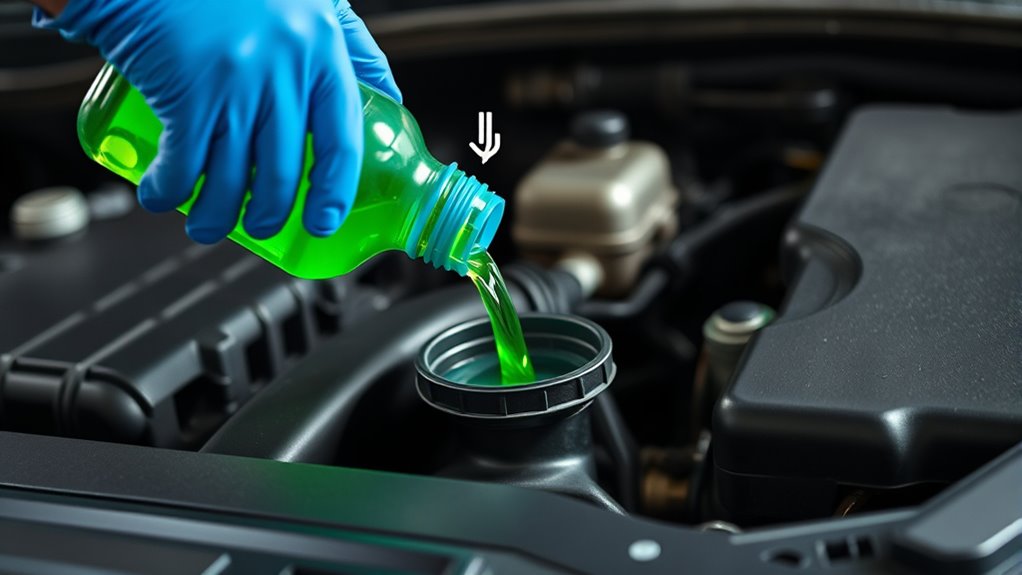
Slowly add coolant using a funnel, filling only to the “Max” line, then securely replace the cap. Watch for leaks and never open a hot system.
Keep following to grasp essential tips and common mistakes to avoid.
Key Takeaways
- Ensure the engine is cool before opening the coolant reservoir to avoid burns from hot fluid or steam.
- Locate the translucent coolant reservoir and check the level against the “Min” and “Max” markings.
- Use a funnel to slowly add the recommended coolant type up to the “Max” level without overfilling.
- Securely replace the reservoir cap after topping off to maintain system pressure and prevent leaks.
- Regularly monitor coolant levels and engine temperature to detect leaks or overheating early.
How to Check Your Engine Coolant Level Safely
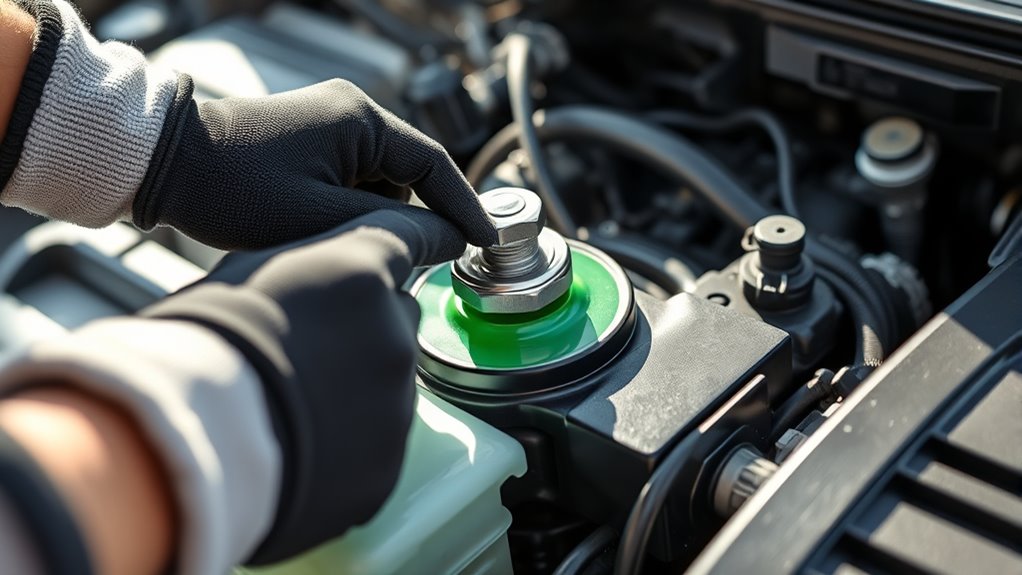
Before you check your engine coolant level, make sure the engine is cool to avoid burns from hot fluid or steam. Once the engine has cooled, locate the coolant reservoir, usually a translucent plastic tank near the radiator.
Always ensure the engine is cool before checking the coolant reservoir near the radiator to avoid burns.
Check the markings on the side labeled “Min” and “Max” to see if the coolant level falls within this range. While inspecting, pay attention to coolant color variations. Coolant can be green, orange, pink, or blue, depending on the type.
If you notice any unusual discoloration or cloudiness, it could indicate contamination or the need for a coolant change. Keep an eye on engine temperature monitoring gauges while driving, as frequent overheating may point to low coolant levels or circulation issues.
Checking your coolant regularly helps maintain proper engine temperature and prevents damage. Don’t forget to securely replace the reservoir cap after inspection to keep the system sealed and functioning efficiently.
Which Engine Coolant Is Right for Your Car
How do you know which engine coolant suits your car best? First, check your owner’s manual for the recommended type. Coolant color variations like green, orange, pink, or blue aren’t just for looks. They indicate different chemical formulations and engine coolant additives. Using the wrong coolant can cause corrosion or damage your cooling system.
Most cars use either inorganic additive technology (IAT) with green coolant or organic acid technology (OAT) with orange or pink coolant. Some newer vehicles require hybrid organic acid technology (HOAT), often blue or yellow. These additives protect your engine from rust, scale, and freezing or overheating.
Never mix different coolant types, even if colors are similar. Stick to the specified coolant to ensure optimal performance and longevity. When in doubt, ask a trusted mechanic or refer to your car’s manual to avoid costly mistakes. Choosing the right engine coolant keeps your car running smoothly and prevents overheating or engine damage.
When and Where to Add Engine Coolant
When should you add engine coolant to your car? You should top it up when you notice the engine temperature rising above normal or if the coolant level drops below the minimum mark. Always check the coolant color before adding more; a change can signal contamination or the need for a flush.
Here’s when and where to add engine coolant:
- When the engine is cool: Never open the coolant reservoir or radiator cap when the engine is hot to avoid burns.
- Check coolant color: Ensure it matches the recommended type for your car and is free from rust or debris.
- Locate the coolant reservoir: It’s usually a translucent plastic tank near the radiator, marked with minimum and maximum levels.
- Top up before long trips: Prevent overheating by checking levels and engine temperature regularly.
Following these tips helps maintain your car’s cooling system and keeps the engine running smoothly.
How to Add Engine Coolant: Step-by-Step Guide
Before you add engine coolant, make sure you identify the right type for your car. It’s important because using the wrong coolant can cause problems down the line. You’ll also want to follow safe filling techniques to avoid spills and pressure issues.
Identifying Coolant Type
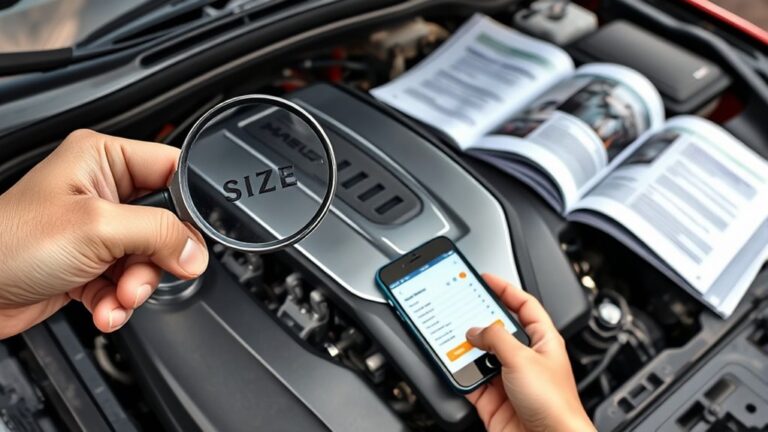
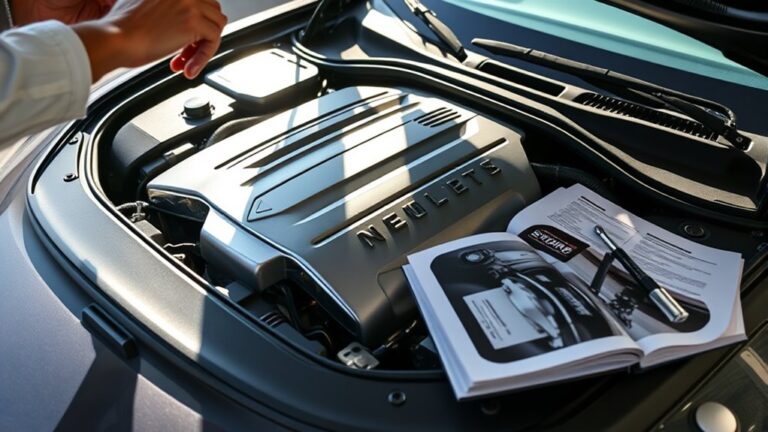
Wondering which type of engine coolant your car needs? Identifying the right coolant is vital to keep your engine running smoothly. Start by checking your owner’s manual for recommended coolant composition and antifreeze formulas. Different vehicles require specific types, so don’t guess.
Here’s how to identify the correct coolant type:
Look for manufacturer recommendations in your manual or under the hood.
Check the coolant color, as it often indicates its composition (green, orange, pink, or blue).
Understand antifreeze formulas, such as ethylene glycol or organic acid technology (OAT).
Avoid mixing different coolant types to prevent chemical reactions that can damage your engine.
Knowing your vehicle’s coolant type guarantees maximum engine protection and longevity.
Safe Filling Techniques
Since adding engine coolant requires care, you’ll want to follow safe filling techniques to avoid spills, burns, or damage. First, always check the engine temperature; never open the radiator cap when the engine is hot, as the pressure can cause hot coolant to spray out.
Wait until the engine cools completely. Next, confirm the coolant color matches what’s already in your system to prevent mixing incompatible types. Slowly pour the coolant into the reservoir or radiator, watching for any overflow.
Use a funnel to minimize spills and maintain control. After filling, securely replace the cap to keep the system sealed. Following these steps ensures your engine stays protected and runs smoothly without risking injury or harm to your vehicle.
Common Mistakes That Can Damage Your Engine When Adding Coolant
When you’re adding coolant, using the wrong type can actually cause some serious engine problems. And don’t forget, overfilling the reservoir isn’t a good idea either—it can lead to leaks or pressure issues. So, let’s go over these common mistakes together, so you can avoid any costly damage down the road.
Using Wrong Coolant Type
Choosing the wrong type of engine coolant can cause serious damage to your car’s cooling system. You need to pay close attention to the coolant color since it often indicates the type and compatibility. Mixing different coolant colors or types can lead to chemical reactions that reduce effectiveness or clog your radiator.
Also, coolant additives differ between brands and formulations, so using the wrong one might corrode engine parts or degrade seals. Before adding coolant, always check your owner’s manual or the coolant reservoir label.
Key points to avoid damage:
- Match coolant color with your vehicle’s specifications
- Avoid mixing different coolant additives
- Use manufacturer-recommended coolant types only
- Dispose of old coolant properly to prevent contamination
Following these steps keeps your engine running smoothly and prevents costly repairs.
Overfilling Coolant Reservoir
Paying attention to the right coolant type is just one part of maintaining your cooling system. Another vital aspect is avoiding reservoir overfill. When you add too much coolant, it can lead to coolant overflow, which wastes fluid and creates a mess in your engine bay.
More importantly, overfilling the coolant reservoir increases pressure inside the system, potentially causing hoses to burst or the reservoir itself to crack. To prevent this, always fill the reservoir only up to the designated “max” line.
If you accidentally overfill, remove the excess coolant with a turkey baster or similar tool. Staying within the correct level ensures your engine stays properly cooled and helps you avoid costly repairs caused by coolant overflow and reservoir overfill.
How to Safely Dispose of Old Engine Coolant
Although disposing of old engine coolant might seem straightforward, you need to handle it carefully to protect the environment and comply with local regulations. Engine coolant contains toxic chemicals that can harm wildlife and contaminate water sources. Improper disposal can also lead to coolant leaks, which increase the risk of engine overheating if your car runs low on coolant.
Here’s how to safely dispose of old engine coolant:
- Collect used coolant in a sealed, labeled container to prevent spills and leaks.
- Never pour coolant down drains, onto soil, or into storm sewers.
- Take the used coolant to a certified recycling center or automotive shop that accepts hazardous waste.
- Check local regulations to ensure you follow proper disposal guidelines.
5 Warning Signs Your Car’s Engine Coolant System Needs Checking
Properly disposing of old engine coolant not only protects the environment but also helps you stay aware of your vehicle’s cooling needs. If you notice your engine overheating frequently, it’s a clear warning sign that your coolant system needs checking. Overheating can damage engine components and lead to costly repairs, so don’t ignore it.
Another red flag is spotting coolant leaks under your car or a sweet smell inside the cabin. Both indicate your cooling system isn’t sealed properly. Low coolant levels may cause your temperature gauge to rise quickly, signaling an issue.
Pay attention to any unusual steam or puddles around the radiator or hoses. If your heater stops blowing warm air, it might also point to coolant problems.
Catching these signs early helps you avoid breakdowns and keeps your engine running smoothly. Always inspect and top off coolant regularly, and get your system checked if you spot any of these warning signs.
Frequently Asked Questions
Can I Mix Different Brands of Engine Coolant?
You shouldn’t mix different brands of engine coolant unless you’re sure about coolant compatibility. Brand mixing can cause chemical reactions that reduce your coolant’s effectiveness and may damage your engine.
Always check your vehicle’s manual or labels for the recommended type. If you must mix, use coolants with the same base, like both being ethylene glycol-based, to minimize risks. When in doubt, flush the system before switching brands.
How Often Should I Replace My Car’s Thermostat?
You might notice your engine overheating just as the thermostat fails, a perfect coincidence highlighting why you should replace it every 50,000 to 100,000 miles. Keeping up with cooling system maintenance guarantees your thermostat lifespan doesn’t cut short your engine’s health.
If your car’s temperature gauge fluctuates or you spot coolant leaks, it’s time to swap the thermostat. Staying proactive stops bigger, costly problems down the road.
What Are the Risks of Using Water Instead of Coolant?
If you use water instead of coolant, you risk coolant contamination, which can damage your engine’s internal parts. Water alone doesn’t protect against corrosion or freezing like coolant does.
This increases overheating risks because water can’t handle high temperatures as well. You’ll also lose the antifreeze benefits, leading to potential engine failure in cold weather.
Can Engine Coolant Freeze in Winter?
Yes, engine coolant can freeze in winter if it’s not mixed properly with antifreeze. You shouldn’t rely on just water because it freezes at 32°F, but coolant has winter protection that lowers the freezing point.
Make sure your coolant mixture is right for cold temperatures to prevent coolant freezing. This way, you protect your engine from damage caused by ice expansion inside the cooling system during winter months.
How Does Engine Coolant Affect Fuel Efficiency?
Did you know that a well-maintained engine can improve fuel economy by up to 10%? The coolant composition plays a key role in keeping your engine at the right temperature.
When your engine runs cooler or overheats, fuel efficiency drops because the combustion process isn’t ideal. By using the right coolant mix, you help your engine perform efficiently, which boosts fuel economy and saves you money at the pump.
Conclusion
By following these simple steps, you’ll keep your engine running smoothly and avoid costly repairs. Did you know that nearly 30% of engine failures are linked to cooling system issues? That shows just how vital maintaining the right coolant level is.
Regularly checking and topping up your coolant not only protects your engine but also boosts your car’s performance and lifespan. Stay proactive, and your car will thank you for it!
Remember, adding engine coolant to your car is a small task that makes a big difference in keeping your vehicle reliable and efficient.