5 Factors That Determine How Much It Does Cost to Replace a Car Engine
If you’ve ever faced the daunting task of replacing your car engine, you know it can feel overwhelming. You’re not alone—many people struggle with understanding what drives the cost and how to make the best choice for their vehicle.
Whether you want to save money or ensure reliability, knowing what factors affect engine replacement costs can make the process much smoother.
When replacing your car’s engine, five main factors shape the cost. First, your vehicle’s make, model, and engine complexity affect parts and labor.
Second, the type and condition of the replacement engine matter. New, rebuilt, or used engines differ in price and reliability.
Third, labor rates and shop expertise vary by location.
Fourth, extra parts like gaskets and fluids add expenses.
Finally, warranty coverage and maintenance needs influence long-term costs.
Keep exploring to understand these details fully.
Key Takeaways
- Vehicle make, model, and engine complexity significantly influence replacement engine costs because of design and compatibility factors.
- The type and condition of the replacement engine—whether new, rebuilt, used, or remanufactured—directly affect price and reliability.
- Labor costs vary based on engine complexity, technician skill, and shop rates, which impacts the total replacement expense.
- Additional necessary parts like gaskets, fluids, sensors, and mounting hardware add to the overall cost.
- Warranty coverage and required maintenance influence long-term expenses and the engine’s durability after replacement.
How Vehicle Make, Model, and Engine Complexity Affect Replacement Costs
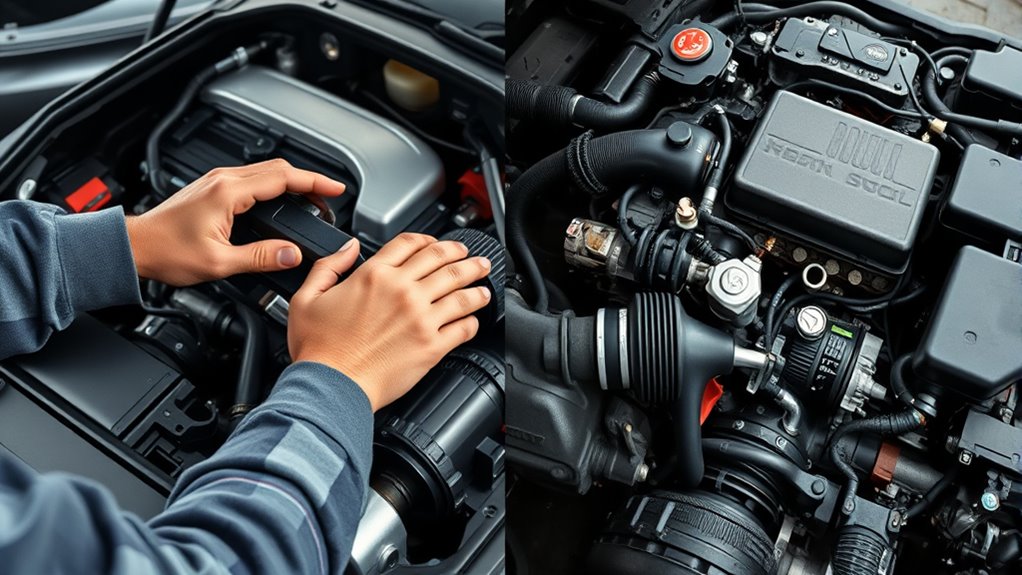
Because different vehicles have unique designs and engineering, the make and model considerably impact engine replacement costs. When you shop for a replacement engine, you’ll need to ensure engine compatibility with your specific vehicle. Not every engine fits every model, and using one that isn’t fully compatible can lead to costly modifications or reduced performance.
Furthermore, some vehicles have more complex engine designs, which require specialized labor and tools, driving up replacement expenses.
You should also consider the engine lifespan typical for your make and model. Luxury or performance cars often have engines built for higher output but may wear faster or demand more costly parts. Conversely, mainstream models usually have more standardized engines with longer lifespans and easier access to replacement components.
Understanding these factors helps you anticipate costs and find an engine that balances price, durability, and compatibility effectively.
Replacement Engine Types and Conditions That Impact Price
Besides the make, model, and engine complexity, the type and condition of the replacement engine you choose play a major role in determining the overall cost. You’ll want to verify engine compatibility to avoid extra expenses later. Replacement engines vary widely, and understanding your options helps you negotiate a fair price.
Engine type and condition greatly impact cost—always verify compatibility to prevent unexpected expenses.
Here are four key factors to take into account:
- New Engines offer the best reliability but come at a premium price.
- Rebuilt Engines have been disassembled and restored, balancing cost and quality.
- Used Engines are the cheapest option but carry higher risk; verify mileage and condition carefully.
- Remanufactured Engines are rebuilt to meet manufacturer specs, often with warranties, offering a middle ground.
Knowing these types helps you with price negotiation by comparing value versus cost. Always confirm engine compatibility and condition before committing to a replacement.
Labor Costs and Repair Shop Rates for Engine Replacement
When you plan an engine replacement, labor costs can considerably affect your total expense. The complexity of removing and installing an engine requires skilled technicians, which means higher hourly rates.
Before the replacement, an accurate engine diagnosis is essential to confirm the problem, and shops use specialized equipment for this step. Labor time varies depending on your car’s make, model, and engine type. Shops with advanced equipment might complete the job more efficiently, potentially lowering labor hours.
Repair shop rates differ widely based on location, reputation, and expertise. Dealerships often charge more than independent shops, but their technicians may have better access to specialized tools.
When choosing a shop, consider both the hourly labor rate and their experience with engine replacements. This balance helps you avoid unexpected costs and ensures quality service, ultimately guaranteeing how much you’ll pay for your engine replacement.
Additional Parts and Materials Costs in Engine Replacement
Although labor plays a crucial role in engine replacement costs, you’ll also need to account for additional parts and materials. These costs can vary widely depending on engine compatibility and parts availability. If your vehicle requires specific or rare components, prices can rise rapidly.
Labor is vital, but parts and materials significantly impact engine replacement costs, especially with rare or specific components.
Here are four key items that often add to the overall cost:
- Gaskets and seals. These are essential for preventing leaks and must be replaced to ensure proper engine function.
- Fluids. New oil, coolant, and transmission fluid are necessary for a smooth restart.
- Mounting hardware. Bolts, brackets, and mounts may need replacing to securely fit the new engine.
- Sensors and belts. These smaller parts can wear out and should be swapped to maintain performance.
Considering these factors will help you understand why parts and materials considerably affect your engine replacement budget. Always check engine compatibility to avoid costly mistakes due to incompatible components.
Warranty Coverage and Maintenance Costs After Engine Replacement
Since engine replacement is a major repair, understanding your warranty coverage and ongoing maintenance costs is essential to avoid unexpected expenses. When you replace your engine, the warranty typically covers defects and failures for a specific period or mileage. However, you should carefully review warranty limitations, as coverage often excludes wear-and-tear parts and may require you to perform regular maintenance to keep the warranty valid.
Engine durability after replacement can vary based on the quality of the engine installed and how well you maintain it. You’ll want to keep up with oil changes, filter replacements, and other routine services to maximize the engine’s lifespan and avoid costly repairs. Ignoring maintenance not only risks damaging your new engine but can also void your warranty. By staying informed about your warranty terms and committing to proper upkeep, you can protect your investment and reduce the total cost of ownership after an engine replacement.
Frequently Asked Questions
How Long Does It Take to Replace a Car Engine?
Replacing a car engine usually takes anywhere from 8 to 20 hours, depending on the vehicle and engine durability. If your engine’s been well-maintained but reaches the end of its lifespan, the replacement cost might be worth it to extend your car’s life.
You’ll want to plan for a day or two without your car while the mechanics work, especially if they need to test and tune the new engine for peak performance.
Can I Drive My Car Immediately After an Engine Replacement?
Think of your car as a delicate heart. Its engine must fit perfectly to keep life flowing. You shouldn’t drive immediately after an engine replacement until the mechanic confirms engine compatibility and runs thorough checks.
Also, make sure the engine warranty is active to protect you from unexpected issues. Once everything’s verified and fluids are properly topped off, you can hit the road confidently, knowing your car’s heartbeat is strong and steady.
What Signs Indicate My Engine Needs Replacement?
You’ll notice signs like excessive smoke, knocking noises, or a dramatic drop in engine durability, indicating it might be time for a replacement. If your car struggles to start or stalls frequently, those are red flags too.
Ignoring these signs could increase replacement costs later. Don’t wait until your engine fails completely. Catching these early symptoms can save you money and keep your car running smoothly.
Is Engine Replacement Covered by Insurance?
Insurance coverage usually doesn’t include engine replacement unless damage results from a covered event like an accident or theft. You won’t typically get engine repairs covered for wear and tear.
However, if you have repair warranties or extended service plans, they might cover engine issues depending on the terms. It’s a good idea to review your policy and warranty details closely so you know what’s covered and what costs you’ll need to handle yourself.
Can I Finance the Cost of an Engine Replacement?
Imagine buying a car when you only have enough for a bike. Financing options act like that helpful loan. Yes, you can finance the cost of an engine replacement through personal loans or special auto repair financing plans.
Before you decide, do a cost comparison between interest rates and repayment terms. This way, you’ll avoid surprises and find the best way to cover your engine replacement without draining your savings.
Conclusion
Replacing your car engine might seem overwhelming and expensive, but knowing these five factors helps you make smarter choices and avoid surprises.
You might worry the cost is always sky-high, but by considering your vehicle’s make, engine type, labor rates, extra parts, and warranty, you can find options that fit your budget.
With the right research, you’ll save money and get reliable performance without breaking the bank. Understanding these factors is key to knowing how much it does cost to replace a car engine.