How to Fix Car Air Conditioning in 3 Easy Steps
How to Fix Car Air Conditioning? If your car’s air conditioning isn’t cooling like it used to, you’re not alone. Many people struggle with a warm breeze when they expect a blast of cold air, especially during those hot summer drives. Fixing your car AC can seem tricky, but with the right steps, it’s easier than you think.
First, diagnose your car AC by checking for warm air, strange noises, or weak airflow.
Next, recharge the refrigerant by locating the low-pressure port and adding the correct type gradually, avoiding overcharging.
Finally, inspect key parts like the compressor, condenser, and hoses, replacing any faulty components promptly to keep your system efficient.
Follow these simple steps to restore your AC’s cold performance, and you’ll find more ways to maintain and optimize your car’s cooling system.
How to Fix Car Air Conditioning Key Takeaways
- Check for warm air or weak airflow to identify basic AC problems early. This helps catch issues before they get worse.
- Inspect and replace damaged or worn parts like hoses, compressor, or O-rings. Making sure these components are in good shape is key.
- Locate and recharge the refrigerant using the correct type and low-pressure port. Keep an eye on the refrigerant gauge to avoid overcharging.
- Perform regular maintenance to detect leaks, lubricate parts, and prolong AC system life. Staying on top of this keeps your AC running smoothly.
Diagnose Common Car AC Problems
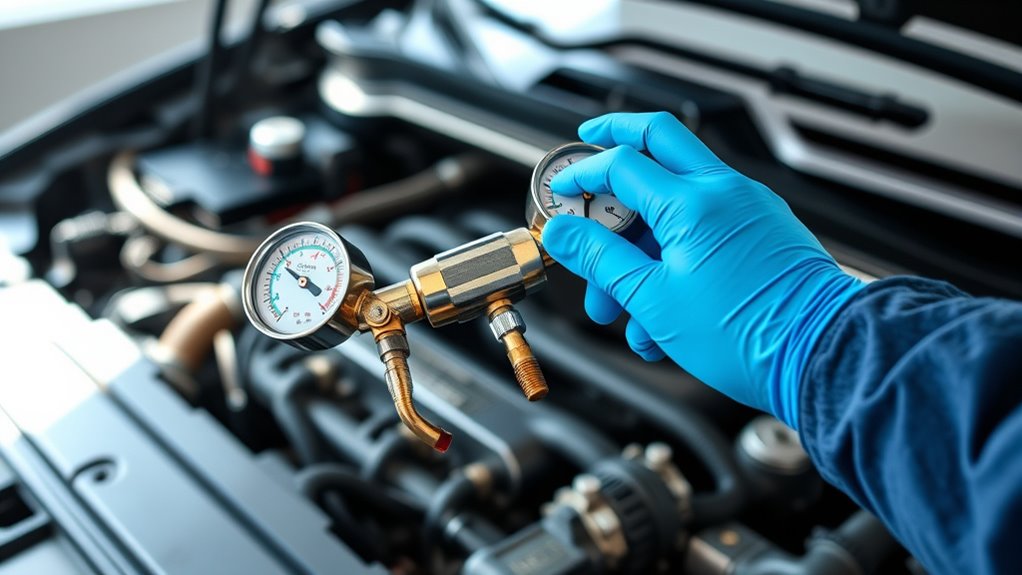
How do you know when your car’s air conditioning needs a fix? If you notice warm air blowing instead of cold or strange noises when you switch it on, it’s a clear sign to diagnose common car AC problems.
First, check for leaks or unusual smells, as refrigerant leaks can harm the environment and reduce your AC’s efficiency. A poorly functioning AC can also affect automotive safety by distracting you or causing discomfort that impairs your focus while driving.
Listen for rattling or hissing sounds, which often indicate mechanical issues or leaks. If the airflow is weak, your blower motor or cabin air filter might require attention.
Catching these signs early helps prevent bigger problems and limits the environmental impact of refrigerant release. By actively diagnosing your car’s AC, you ensure both your comfort and safety on the road while protecting the environment.
Recharge Your Car AC Refrigerant
When was the last time you checked your car’s AC refrigerant level? If your AC isn’t cooling properly, low refrigerant might be the culprit. Different cars use specific refrigerant types, like R-134a or the newer R-1234yf, so always check your owner’s manual before purchasing. Using the wrong type can damage the system.
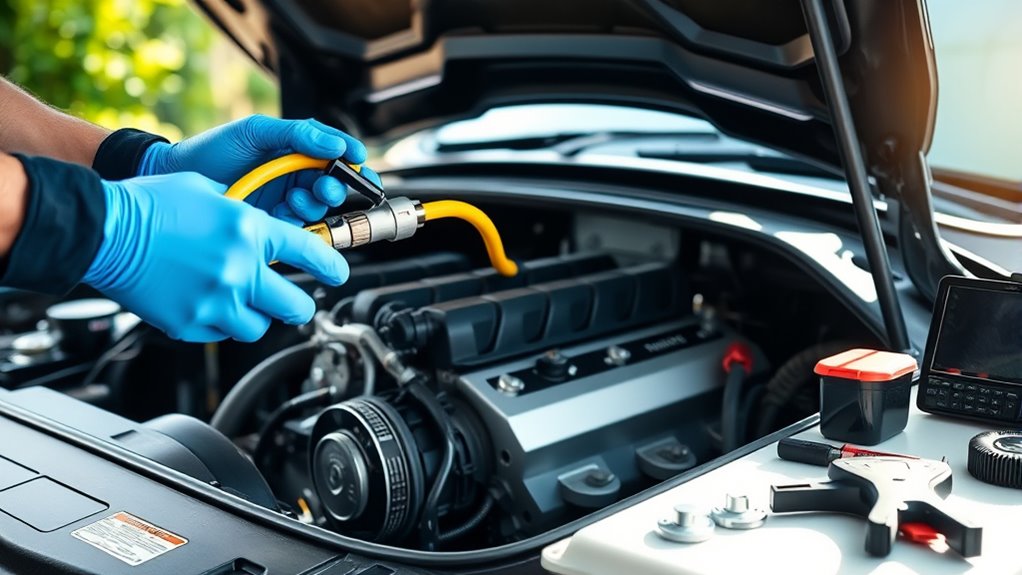
To recharge, locate the low-pressure service port on your AC system, then attach the refrigerant can with a gauge to monitor the charge level. Start your car and turn the AC to maximum cold. Slowly add refrigerant, watching the gauge carefully to avoid overcharging. Maintaining the correct charge level ensures efficient cooling and prevents system damage.
If you’re unsure about handling refrigerants, consider visiting a professional. Properly recharging your car’s AC refrigerant not only restores cool air but also prolongs your system’s life.
Inspect and Replace Faulty Car AC Parts
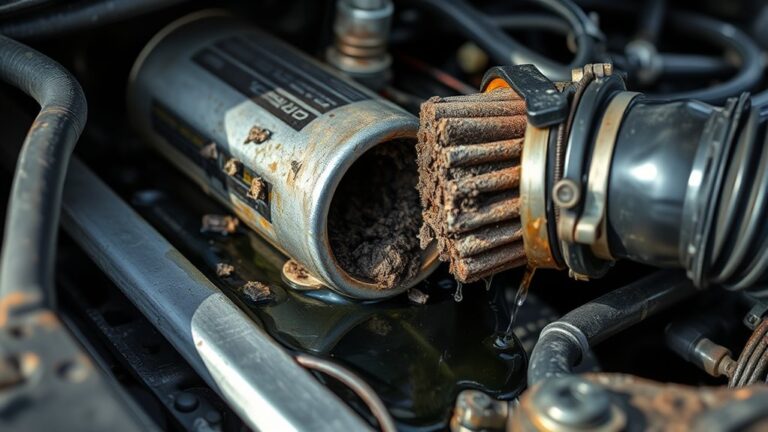
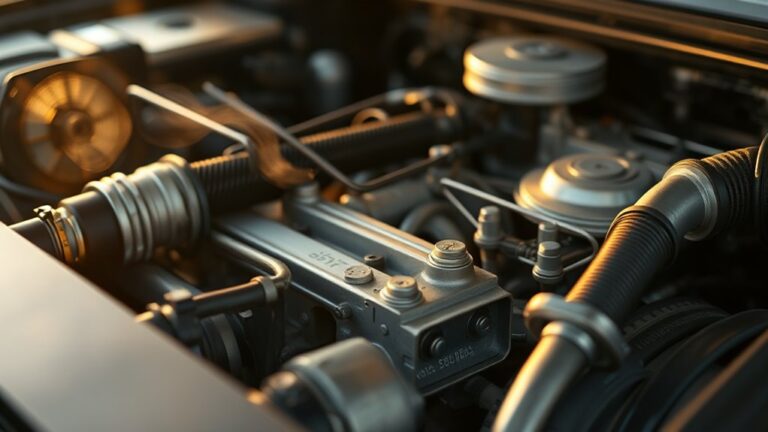
After recharging your car’s AC refrigerant, you should check the system’s components for any signs of wear or damage. Inspect parts like the compressor, condenser, and hoses carefully. Confirm auto part compatibility when replacing anything to avoid further issues.
Also, don’t forget the importance of AC system lubrication to keep moving parts running smoothly and prevent premature failure.
Here’s a quick guide to commonly checked parts:
| Part | Common Issue | Replacement Tip |
|---|---|---|
| Compressor | Seizing or leaking | Match model & specs |
| Condenser | Blockages or damage | Check for leaks before replacing |
| Hoses | Cracks or leaks | Use compatible hose material |
| O-rings | Wear or brittleness | Replace with correct size |
| Receiver/Dryer | Moisture contamination | Ensure proper fit and seal |
Replace any faulty parts promptly to maintain peak AC performance and avoid costly repairs.
Frequently Asked Questions
How Often Should I Service My Car Air Conditioning System?
You should service your car air conditioning system at least once a year to keep it running smoothly. Regular checks help replace the air filter, preventing blockages and improving airflow.
If you notice a cabin odor, it’s a sign your system needs attention. Don’t wait for problems to worsen. Annual maintenance guarantees fresh air inside and keeps your AC efficient, saving you from costly repairs down the road.
Can Car AC Issues Affect Fuel Efficiency?
Yes, car AC issues can affect your fuel efficiency. When refrigerant levels are low, your AC system works harder, which puts extra strain on the engine.
Compressor issues also make the system less efficient, causing your engine to consume more fuel to keep the cabin cool. So, keeping your AC system well-maintained helps your car run smoothly and saves fuel, preventing unnecessary expenses down the road.
What Are the Environmental Impacts of Refrigerant Leaks?
Refrigerant leaks can seriously harm the environment because these chemicals often have high global warming potential. If you don’t handle refrigerant disposal properly, it can contribute to ozone depletion and climate change.
You’ll want to follow environmental regulations strictly to prevent leaks and guarantee safe disposal. By doing so, you’ll protect the atmosphere and avoid hefty fines tied to improper refrigerant handling or release.
Are DIY AC Repairs Safe for Beginners?
Diving into DIY AC repairs without experience is like swimming before you can walk. You’re risking more harm than help. While simple tasks like refrigerant recharge might seem doable, they require precise handling to avoid leaks or environmental damage.
Compressor replacement is even trickier and demands specialized tools and knowledge. If you’re a beginner, it’s safer to consult a professional to protect your car and yourself from costly mistakes.
How Long Does a Typical Car AC Repair Take?
A typical car AC repair usually takes about 1 to 3 hours. If you just need a refrigerant recharge, it often only takes around 30 minutes to an hour.
However, if your compressor replacement is necessary, expect the job to last closer to 2 to 3 hours because it’s more involved. You’ll want to plan accordingly and maybe schedule some downtime while the repair’s underway.
Conclusion
Now that you’ve tackled these simple steps, your car’s AC will blow colder than the Arctic in December! No more sweating buckets or melting like an ice cream cone on a summer highway.
With just a little effort, you’ve transformed your ride into a cool oasis, making every drive feel like a breeze through a mountain glacier. So, don’t wait, fix that AC now and turn your car into the ultimate chill zone with effective car air conditioning repair!