What Is a Chainsaw Tool and How Does It Work?
Cutting branches, logs, or firewood can be frustrating when your current tool lacks the power, control, or reliability you need. You’re not alone—many people struggle to find the right chainsaw for their projects, whether they’re trimming trees or preparing firewood.
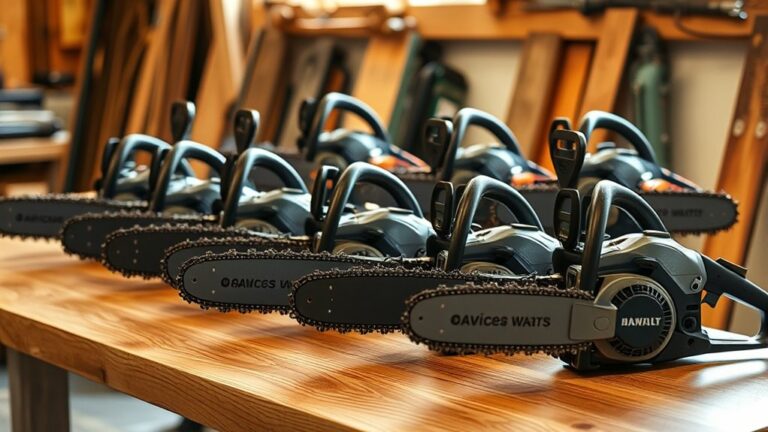
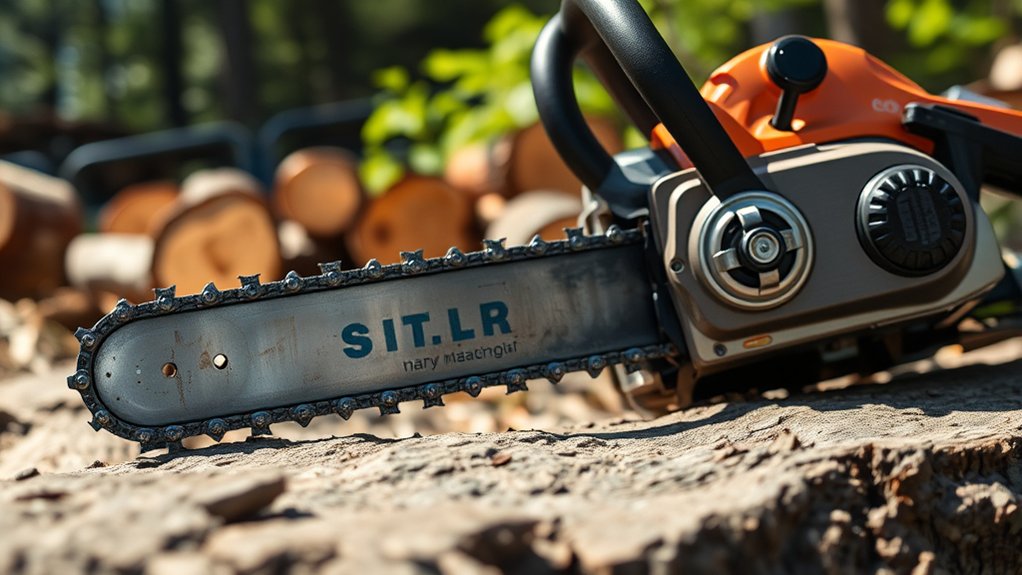
A chainsaw is a portable power tool that uses a gasoline engine or electric motor to drive a sharp chain around a guide bar. As the chain rotates, its cutters bite into wood and carry chips away.
The bar supports and guides the chain, while the clutch, sprocket, lubrication system, and chain brake help control operation and safety. You can use a chainsaw for cutting branches, logs, and firewood.
Next, you’ll explore its parts, safe use, and maintenance.
Key Takeaways
- A chainsaw is a portable power tool with a rotating chain of sharp teeth for cutting wood, branches, logs, and other materials.
- Gasoline engines or electric motors generate rotation, which transfers through a clutch and sprocket to drive the chain.
- The guide bar supports and directs the chain, while chain oil reduces friction, heat, and wear during cutting.
- Effective cutting requires a sharp, correctly tensioned chain matched to the bar’s pitch and gauge.
- Safe operation requires protective equipment, stable positioning, kickback awareness, working chain brakes, and regular maintenance.
What Is a Chainsaw?

A chainsaw is a portable power tool that uses a rotating chain of sharp teeth to cut wood and other materials. You can choose a model powered by gasoline, electricity, or a battery, depending on your tasks and working conditions.
Its compact body includes a guide bar, handle, engine or motor, and controls, creating a practical tool for cutting branches, logs, firewood, and sometimes construction materials.
The chainsaw’s history began with early medical cutting devices and progressed into large, heavy machines used in forestry. Modern designs became lighter, more efficient, and easier for you to control.
Today, you’ll find specialized versions for homeowners, arborists, firefighters, and professional loggers.
Before using one, learn essential safety precautions. Wear eye and hearing protection, gloves, sturdy boots, and protective clothing.
Keep bystanders away, inspect the tool, maintain a firm grip, and follow the manufacturer’s instructions. You’ll work more confidently when you understand the tool’s purpose, limits, and required protective practices.
How Does a Chainsaw Work?

Understanding the main parts helps you see how a chainsaw turns power into cutting action. When you squeeze the throttle, the engine or electric motor creates rotational energy.
A clutch transfers that energy to the cutting system, allowing the chain to move around its guide path at high speed. Each sharp cutter bites into wood, while the moving chain carries chips away from the cut.
You guide the saw with controlled pressure rather than forcing it. Excessive force can stall the motor, pinch the chain, or increase kickback.
On gasoline models, fuel combustion powers the engine, while battery models draw electricity from a rechargeable pack. The chain stops when you release the throttle or engage the chain brake, depending on the design.
Follow safety precautions, including wearing protective gear, checking chain tension, and maintaining stable footing.
Also consider environmental impact. Electric saws produce no direct exhaust, while gasoline models emit fumes and require responsible fuel handling.
What Are the Main Chainsaw Parts?

Knowing the main chainsaw parts helps you operate, inspect, and maintain the tool safely. You’ll find these essential components on most models:
| Part | Purpose | What to check |
|---|---|---|
| Guide bar | Supports the cutting chain | Damage, rails, and lubrication |
| Chain | Cuts wood along the bar | Sharpness, tension, and damage |
| Chain brake | Stops the chain during kickback | Movement and engagement |
The engine or motor housing contains the power system, while the front and rear handles give you a controlled grip. A trigger, throttle lock, and power switch help you manage operation.
The clutch cover protects internal parts, and the fuel tank or battery compartment supplies energy. Together, these components support the chain’s movement and operation.
For Chainsaw safety, inspect the hand guard, chain catcher, and muffler before each use. Keep the bar cover installed during storage or transport.
Useful Chainsaw accessories include a sharpening file, bar oil, protective chaps, gloves, eye protection, and hearing protection. Check your owner’s manual for part locations and replacement requirements. Never use a damaged component.
How Does the Motor Turn the Chain?
The motor turns the chain by spinning a small drive sprocket inside the clutch cover. In a gas-powered model, combustion moves the piston, which rotates the crankshaft. The crankshaft transfers that motion through a centrifugal clutch.
As engine speed rises, the clutch engages the drive sprocket and begins the chain’s movement. When you release the throttle, the clutch disengages at lower speed, helping the chain stop while the engine continues idling.
As engine speed rises, the clutch engages the drive sprocket; releasing the throttle disengages it, allowing the chain to stop while the engine idles.
An electric chainsaw uses different motor mechanisms. Electricity energizes the motor, creating magnetic force that turns its armature. Gears or direct drive then transmit rotation to the sprocket.
A battery-powered model follows the same basic process, though electronic controls regulate speed and power delivery.
Chain lubrication reduces friction between the moving drive links and internal contact surfaces. Oil also helps control heat and wear as the sprocket rotates.
You should keep the oil reservoir filled and inspect the drive system regularly. Never engage the throttle without proper lubrication and a secure clutch cover.
How Do the Bar and Chain Affect Cutting?
Bar length and chain design directly affect how quickly and cleanly you can cut. A longer bar lets you reach across thicker logs, while a shorter bar gives you better control and maneuverability. Choose a bar length that matches the wood’s diameter; forcing a small bar through large material strains the tool and slows your work.
The chain’s cutters determine how aggressively it removes wood. Full-chisel cutters slice quickly through clean, softwood, while semi-chisel cutters stay sharp longer when you encounter dirty or weathered material. Chain pitch and gauge must match the bar and drive sprocket, or the parts won’t work safely together.
You’ll also need proper chain tension. A loose chain can derail, cut unevenly, or damage components. An overly tight chain creates excess friction and restricts movement.
Check tension before cutting and adjust it according to the manufacturer’s instructions. Keep the chain sharp, too. Dull cutters produce fine dust, require more pressure, and increase kickback risk during use.
Gas, Electric, or Battery Chainsaws?
Once you’ve matched the bar and chain to your cutting needs, choose a power source that fits your work. Gas chainsaws deliver strong, consistent power for demanding cutting, and you can refuel quickly.
Gas chainsaws provide reliable power for demanding cuts, with quick refueling to keep challenging jobs moving.
However, they require fuel mixing, regular maintenance, and careful storage. Their exhaust, vibration, and higher noise levels may also make extended use less comfortable.
Electric corded chainsaws start instantly and run quietly, making them practical near a power outlet. They’re lightweight and need little maintenance, but the cord limits your movement and requires careful handling.
Battery chainsaws offer cordless convenience without exhaust or fuel mixing. They’re typically quieter, easier to maintain, and simple to start.
Runtime depends on battery capacity, temperature, and cutting intensity, while charging adds downtime. Compare battery compatibility, replacement costs, and available capacity before choosing a model.
Consider fuel efficiency, operating time, portability, maintenance, and noise levels alongside your typical workload. Choose gas for sustained power, corded electric for nearby tasks, or battery power for convenience and mobility.
What Can You Use a Chainsaw For?
A chainsaw can handle tasks from pruning branches and cutting firewood to felling small trees and clearing storm debris. You can also use it for:
- Removing damaged limbs after severe weather
- Cutting logs into manageable lengths
- Shaping fallen wood for outdoor projects
- Clearing overgrown brush and small saplings
For property maintenance, a chainsaw saves time when hand tools can’t handle thick wood. You might prepare firewood, open a blocked trail, or reduce a fallen tree before hauling it away.
Select a model that matches the job. A compact battery saw suits light pruning, while a larger gas saw handles bigger logs and trees.
Chainsaw accessories, such as replacement chains, guide bars, files, and storage cases, help you maintain performance and organize your equipment.
Before starting any project, review chainsaw safety guidance and confirm that local rules permit tree removal. For large, unstable, or near-structure trees, hire a qualified arborist instead of attempting the work yourself.
Proper planning helps you complete useful tasks efficiently and protect your property from unnecessary damage.
How Can You Use a Chainsaw Safely?
How Can You Use a Chainsaw Safely?
Start by reading the manufacturer’s instructions and checking that you understand every control before cutting. Wear proper safety gear, including a helmet with a face shield, hearing protection, safety glasses, chainsaw chaps, gloves, and sturdy, slip-resistant boots.
Keep both hands on the saw, stand with balanced footing, and hold the tool firmly against your body. Plan each cut first, and clear people, pets, obstacles, and escape paths from the work area.
Use suitable cutting techniques: cut at waist level or below, keep the bar away from your body, and never cut with the bar tip unless you understand kickback risks. Maintain a firm stance, and avoid working from a ladder, unstable surface, or overhead position.
Let the chain reach full speed before cutting, and don’t force it through wood. Shut the saw off before moving, refueling, or handing it to someone else. Stop immediately if you feel tired or distracted.
How Do You Maintain a Chainsaw?
Regular maintenance keeps your chainsaw safe, efficient, and ready to use. Before each session, switch it off, let it cool, and inspect it under good lighting. Clean sawdust from the guide bar, chain, sprocket cover, and cooling vents with a brush. Check that fasteners remain tight and the chain moves smoothly.
- Chain sharpening: File each cutter evenly at the manufacturer’s angle, and use a depth-gauge tool to maintain correct height.
- Oil maintenance: Fill the chain-oil reservoir with recommended oil, then check that lubrication reaches the bar during operation.
- Air filter care: Remove and clean the filter according to your manual, replacing it when damaged.
- Storage: Empty fuel if required, cover the chain, and store the saw in a dry, secure place.
Inspect the guide bar regularly, turning it occasionally to promote even wear. Replace worn chains, cracked guards, or damaged components promptly rather than continuing to use them.
Follow your model’s manual for service intervals and approved lubricants.
How Do You Fix Common Chainsaw Problems?
Even with proper maintenance, your chainsaw may stall, cut poorly, leak oil, or refuse to start. Turn it off, remove the battery or disconnect the spark-plug wire, and let the engine cool before troubleshooting.
If it won’t start, check the fuel level, fresh fuel mixture, ignition switch, spark plug, and air filter. Clean or replace a fouled plug and filter, then follow the starting procedure exactly.
A stalled engine may need a clean carburetor or professional adjustment.
A crooked cut usually indicates dull cutters, damaged teeth, or incorrect chain tension. Sharpen the chain with the correct file and angle, then inspect the guide bar.
For chain tensioning, tighten the chain until it sits snugly against the bar but still moves freely by hand.
If oil leaks, clean the guide-bar groove and oil holes. Inspect the tank and hoses, and replace damaged seals.
Stop using the saw if you find cracks, brake failure, or persistent engine problems. Contact a qualified technician.
Frequently Asked Questions
What Protective Equipment Should Chainsaw Operators Wear?
Wear protective gear whenever you operate a chainsaw: a helmet with face shield and hearing protection, safety glasses, chainsaw-resistant chaps or trousers, steel-toe boots with slip-resistant soles, and cut-resistant gloves. Choose clothing that fits snugly and won’t snag.
Follow essential Safety precautions, including inspecting equipment, securing your work area, maintaining a firm stance, and keeping bystanders away. You should also carry first-aid supplies and avoid cutting alone.
How Much Does a Quality Chainsaw Typically Cost?
A quality chainsaw typically costs $200–$600 for homeowner models, while professional-grade saws often run $500–$1,200 or more. You’ll pay more for stronger engines, longer bars, durable construction, and advanced features.
Include costs for fuel, chain oil, replacement chains, and protective equipment. Follow safety precautions, and use maintenance tips such as cleaning the air filter, sharpening the chain, and checking tension regularly to protect your investment and performance.
Are Chainsaws Legal to Use in Residential Neighborhoods?
Yes, you can usually use a chainsaw in a residential neighborhood, but local laws may limit when and how you operate it. Check your city’s neighborhood regulations and noise restrictions before starting work.
You’ll often need to follow daytime hours, maintain safe distances, and avoid disturbing neighbors. Homeowners’ association rules may add requirements.
Wear protective equipment, keep bystanders away, and stop immediately if authorities or local ordinances prohibit your planned use.
Which Chainsaw Brands Offer the Best Warranties?
When you choose a chainsaw warranty, you’re choosing a shield for your workshop journey. STIHL and Husqvarna typically offer strong limited warranties, often backed by extensive dealer networks.
EGO, Greenworks, and Milwaukee provide competitive coverage for many electric models, while Echo is known for dependable support and solid warranties.
Compare duration, commercial-use exclusions, authorized-service requirements, and included parts. Good chainsaw maintenance and genuine chainsaw accessories can help preserve coverage.
Should Beginners Take a Chainsaw Safety Course?
Yes, you should take a chainsaw safety course before operating one, even for occasional yard work. You’ll learn safe starting, cutting, positioning, protective equipment, kickback prevention, and emergency responses from trained instructors.
Courses also explain chainsaw maintenance, including chain tension, sharpening, and routine inspections. You’ll gain practical guidance on choosing the right chainsaw for your experience and tasks.
That training helps you work confidently while reducing preventable injuries and property damage.
Conclusion
A chainsaw transforms stored power into a fast-moving cutting chain, letting you slice through wood with controlled force. When you understand its motor, guide bar, chain, and safety features, you can work more confidently and efficiently.
Treat a chainsaw with respect: wear protective gear, maintain sharp components, check fluids, and inspect it before every use. With careful handling, your chainsaw becomes a dependable partner, humming steadily as it turns fallen limbs and rough timber into manageable pieces.