Top 7 Chainsaw Bars for Durability and Precision
Finding a chainsaw bar that stays sharp, cuts smoothly, and holds up to demanding work can be frustrating. You’re not alone—many people struggle to balance durability, precision, weight, and price when choosing the right option.
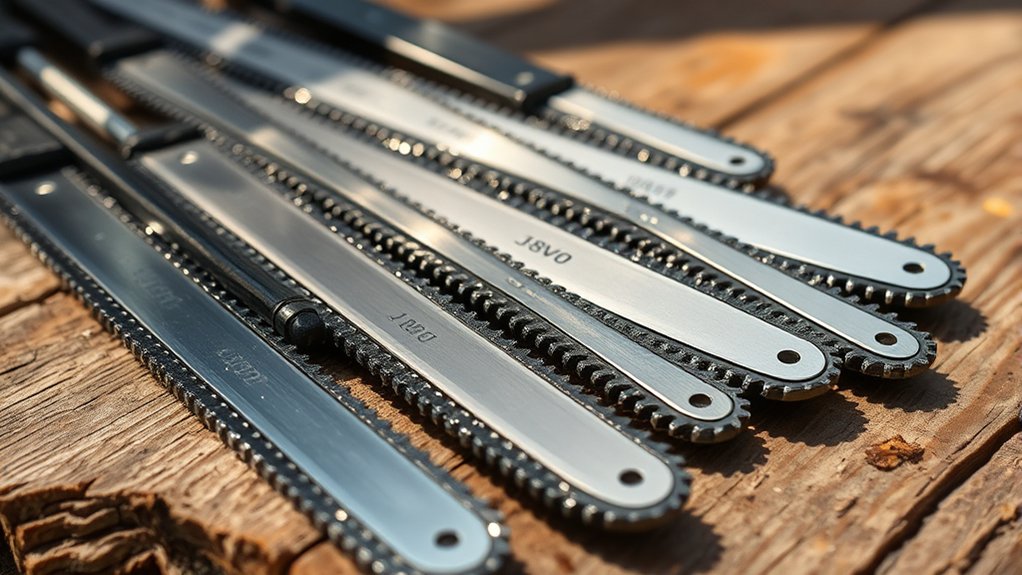
The top seven chainsaw bars for durability and precision include Oregon DuraCut, STIHL Rollomatic E, Husqvarna X-Force, Oregon PowerCut, STIHL Light 04, Sugihara Light, and Forester.
Choose based on your saw’s mount, bar length, chain pitch, and gauge.
DuraCut and PowerCut suit demanding work, while Rollomatic E and X-Force provide smooth, controlled cutting.
Light 04 and Sugihara reduce fatigue, and Forester offers budget-friendly versatility.
Keep exploring to compare each bar’s strengths and ideal applications.
Key Takeaways
- Oregon PowerCut Bars: Solid rails, precise grooves, and replaceable sprocket noses provide durability and smooth cutting for demanding work.
- Oregon DuraCut Bars: Durable steel construction, reversible rails, and replaceable nose sprockets promote long service life and even wear.
- Husqvarna X-Force Bars: Reinforced bodies, precision rails, lubrication holes, and replaceable sprockets support reliable, low-friction performance.
- STIHL Rollomatic E and Light 04 Bars: Lightweight designs improve maneuverability, reduce fatigue, and deliver controlled, precise cutting.
- Sugihara and Forester Bars: Sugihara suits professional users seeking longevity, while affordable Forester bars fit occasional or backup applications.
Match Chainsaw Bar Length, Pitch, and Gauge
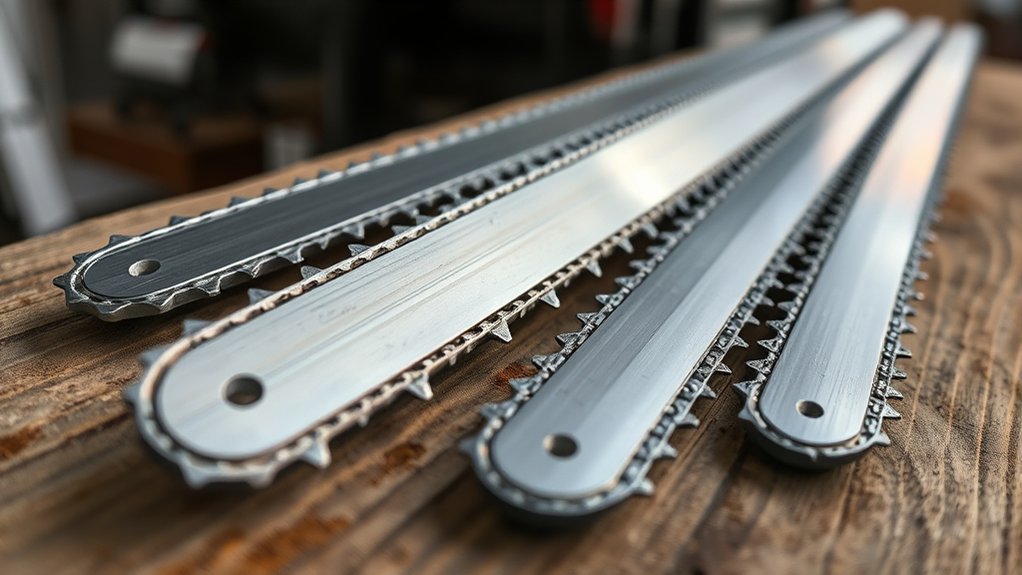
Match your chainsaw bar’s length, pitch, and gauge to the saw and chain so they work together safely and efficiently. Start with bar length compatibility.
Match your chainsaw bar’s length, pitch, and gauge carefully to ensure safe, efficient, and reliable cutting performance.
Choose a length your chainsaw’s engine can handle. An oversized bar can strain the motor, reduce cutting performance, and increase kickback risk. A shorter bar may improve control, but it must still suit your cutting tasks.
Next, confirm chain pitch matching. Pitch describes the spacing between drive links, so your chain, bar sprocket, and clutch sprocket must share the same measurement.
Common sizes include 3/8-inch, .325-inch, and 1/4-inch. Don’t mix these specifications, even if components appear similar.
Finally, check gauge, which identifies the drive-link thickness. The chain must fit the bar groove without binding or wobbling.
Read your saw’s manual or inspect its existing components for exact specifications. Once you match all three measurements, you’ll achieve smoother cuts, steadier handling, and better component life.
Recheck compatibility whenever you replace a chain or bar.
Oregon DuraCut Chainsaw Bar for Daily Use
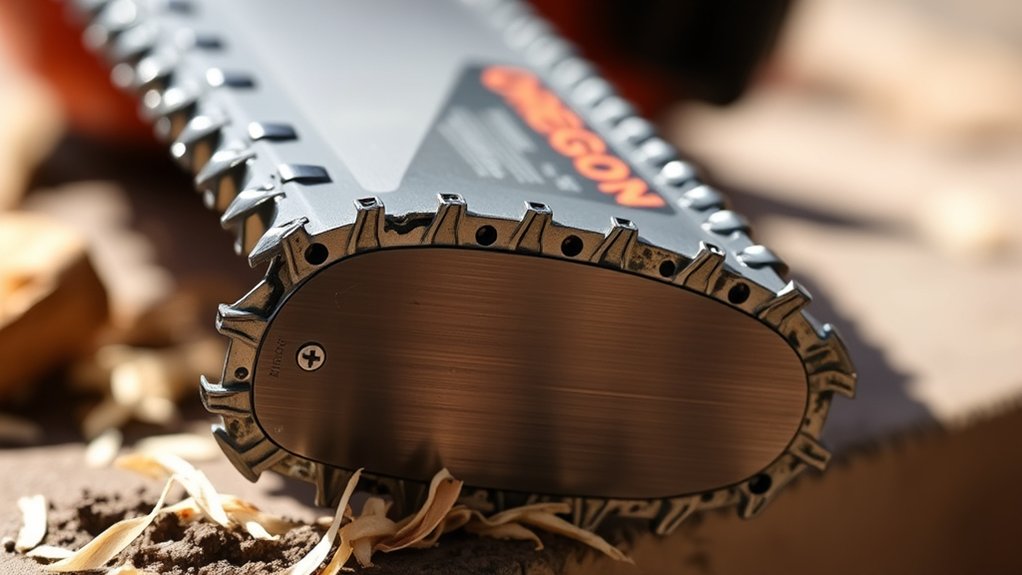
Once you’ve confirmed the correct length, pitch, and gauge, consider the Oregon DuraCut chainsaw bar for dependable daily cutting. Built for frequent use, it combines a durable steel body with a replaceable nose sprocket, helping you manage routine cutting, trimming, and firewood tasks.
Its solid construction resists everyday wear, while the reversible design lets you even out rail wear and extend service life.
You’ll get better results when you pair the bar with a properly sharpened chain and follow the saw manufacturer’s fit requirements. Before each session, inspect the rails, groove, mounting area, and nose for damage or debris.
Effective bar maintenance also includes cleaning the groove and checking oil delivery. Consistent chain lubrication reduces friction, limits heat buildup, and protects both the bar and chain.
If the rails become uneven, the groove widens, or the bar bends, replace it rather than risking poor cutting performance or unsafe operation during demanding work.
STIHL Rollomatic E for Precise Cutting
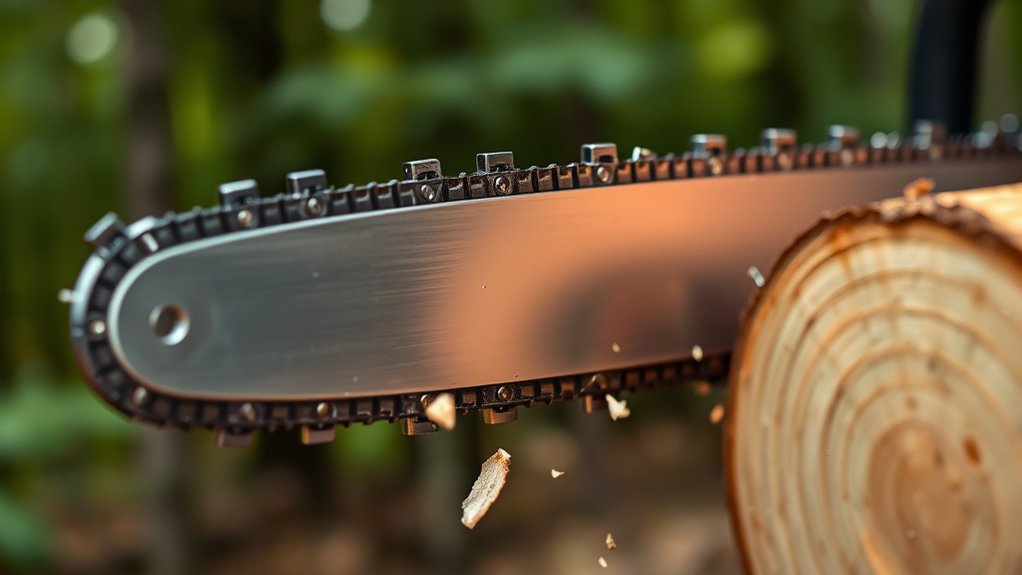
The STIHL Rollomatic E gives you lightweight precision for controlled, accurate cuts. Its durable construction handles demanding tasks while delivering reliable performance. You’ll also benefit from a well-balanced bar that makes cutting more efficient and supports long-term use.
Lightweight Precision Design
When you need accurate cuts without added fatigue, the lightweight STIHL Rollomatic E chainsaw bar gives you precise control and steady handling. Its slim profile helps you guide the chain smoothly, so you can position each cut with confidence and reduce strain during extended work.
You’ll notice how the balanced design supports an ergonomic grip without making your saw feel cumbersome. The bar’s construction also promotes material longevity, helping it maintain its shape through regular maintenance and careful use.
Its low weight benefits pruning, limbing, and other tasks that demand quick adjustments or controlled movement. By pairing a manageable feel with dependable alignment, the Rollomatic E helps you work more accurately while conserving energy.
Choose a length suited to your saw and cutting needs for comfortable, precise operation.
Durable Cutting Performance
Built for repeated use, the STIHL Rollomatic E chainsaw bar delivers durable cutting performance while maintaining the precise alignment you need for clean, controlled cuts. Its laminated construction resists wear, while the sprocket nose supports smooth chain travel during demanding work.
You’ll notice steadier handling when you match the bar length and chain type to your saw.
| Feature | Benefit | Action |
|---|---|---|
| Laminated body | Resists bending | Inspect often |
| Sprocket nose | Promotes smooth travel | Lubricate regularly |
| Guide rails | Improve alignment | File evenly |
Follow safety precautions: wear eye, hearing, leg, and hand protection, and keep bystanders clear.
Apply these maintenance tips: clean the groove, flip the bar regularly, check rail wear, and verify proper chain tension before every cut.
Replace the bar if cracks, excessive flare, or uneven rails appear. With consistent care, you’ll preserve precision and extend service life.
Husqvarna X-Force for Smooth Performance
With a Husqvarna X-Force bar, you get smooth, precise cutting performance. It operates with low vibration, so you can work comfortably and maintain better control. Plus, its durable construction is built to handle demanding use.
Smooth Cutting Performance
Husqvarna X-Force bars help you make smooth, controlled cuts with less vibration and drag. Their durable rails support steady chain travel, so you can guide the saw through limbs and logs with greater precision.
A balanced bar profile helps maintain consistent contact between the chain and wood, reducing resistance during each pass. You’ll also appreciate the bar’s efficient nose design, which promotes fluid movement when you change cutting angles or work in tight spaces.
Keep your results consistent by inspecting the rails regularly and correcting damage before it affects performance. Proper chain lubrication limits friction and helps the chain glide cleanly along the bar.
Pair that care with timely blade sharpening, and you’ll achieve cleaner cuts, better control, and longer service life from your X-Force bar.
Low-Vibration Operation
When you’re making long or demanding cuts, Husqvarna X-Force bars help reduce vibration for steadier handling and less hand fatigue. Their balanced design helps you guide the saw with greater control, especially when you’re trimming limbs, bucking logs, or working through extended sessions.
Reduced vibration works with your saw’s controls, so you can make precise adjustments without constantly fighting movement through the handles. Pairing the bar with an ergonomic grip can further improve comfort, helping you maintain a natural wrist position and confident pressure.
Effective vibration dampening also limits the tingling and strain that can build during repetitive cutting. You’ll appreciate the smoother feel when accuracy matters, whether you’re working at ground level or reaching into a dense section of branches.
This comfort helps you stay focused and productive.
Durable Bar Construction
That smoother handling is backed by durable bar construction designed to withstand demanding cutting conditions. The Husqvarna X-Force bar uses a reinforced body and precision rails to resist bending, reduce friction, and support accurate cuts.
You’ll notice steadier tracking when bucking logs or trimming branches, especially when the bar stays properly serviced. Consistent chain lubrication limits heat and wear, while regular bar maintenance helps preserve rail alignment and replaceable sprocket performance.
| Feature | Benefit |
|---|---|
| Reinforced body | Resists bending |
| Precision rails | Improves tracking |
| Replaceable sprocket | Extends service life |
| Lubrication holes | Reduces friction |
Clean the groove, inspect the rails, and flip the bar periodically to promote even wear. Before each job, check for burrs, damage, and adequate oil flow.
With these habits, you’ll get dependable durability, smoother cuts, and longer component life from your X-Force setup.
Oregon PowerCut for Demanding Jobs
For demanding cutting jobs, Oregon PowerCut chainsaw bars deliver the strength and precision you need for sustained performance. You can rely on their durable construction when felling trees, bucking logs, or handling heavy storm cleanup.
The bar’s solid rails resist wear, while the replaceable sprocket nose helps maintain smooth chain movement through tough material. Its precise groove supports consistent cutting and reduces unnecessary chain movement, helping you work with greater control.
Choose a PowerCut bar that matches your saw’s pitch, gauge, and recommended length. Before every job, inspect the rails, groove, mounting area, and nose for damage or excessive wear.
Proper bar maintenance, including cleaning the groove and turning the bar regularly, promotes even wear and extends service life. You’ll also protect performance by keeping the chain correctly sharpened and tensioned.
Always prioritize chainsaw safety: wear protective equipment, secure your workpiece, and follow your saw manufacturer’s operating instructions. With proper care, Oregon PowerCut gives you dependable results in demanding conditions.
STIHL Light 04 for Less Fatigue
STIHL Light 04 chainsaw bars reduce weight without sacrificing the stability and cutting control you need for pruning, limbing, and routine firewood work. Their lightweight construction helps you maneuver the saw more easily, especially when you’re making repeated cuts or working above shoulder height.
That weight reduction can lessen strain on your arms, shoulders, and back, helping you stay productive during longer sessions.
You’ll also notice smoother handling when you reposition the saw between branches or guide it through smaller logs. Pair the bar with a properly balanced STIHL saw, and you can maintain steadier contact without forcing the cut.
An ergonomic grip and relaxed stance further improve comfort, while regular chain sharpening keeps cutting effort low. Choose the bar length that matches your saw and typical tasks, then inspect the rails and nose regularly.
With sensible technique and maintenance, the Light 04 helps you work with greater control and less fatigue.
Sugihara Light and Forester Bars Compared
Once low-fatigue handling matters, comparing Sugihara Light and Forester bars can help you choose the right balance of weight, strength, and value.
Sugihara Light bars use a laminated, lightweight design that reduces swing effort while maintaining dependable rigidity. Forester bars typically emphasize affordability and broad compatibility, making them practical for occasional cutting or backup use.
| Feature | Comparison |
|---|---|
| Bar material | Sugihara’s premium laminate prioritizes lightness; Forester’s steel construction favors value. |
| Durability | Sugihara generally resists bending and rail wear better under frequent work. |
| Best use | Choose Sugihara for professional cutting; choose Forester for lighter, budget-conscious tasks. |
Your saw’s mount, pitch, gauge, and recommended bar length must match either option before you buy.
You’ll also want to inspect lubrication, sprocket condition, and rail alignment regularly, since maintenance affects performance more than labels suggest.
Sugihara’s brand reputation appeals to demanding users seeking consistent machining and longevity. Forester’s reputation centers on accessible pricing and convenience.
Choose Sugihara when reduced fatigue and long service matter most. Choose Forester when initial cost leads your decision.
Frequently Asked Questions
How Often Should a Chainsaw Bar Be Cleaned and Lubricated?
Clean and lubricate your chainsaw bar after every use, especially when you’ve cut resinous, dirty, or wet wood. During bar cleaning, remove sawdust from the groove, oil holes, and nose sprocket with a brush or compressed air.
Your lubrication frequency should include checking oil before each cut and refilling the reservoir as needed. Inspect the bar regularly for wear, burrs, or damage, and rotate it periodically to promote even wear.
What Signs Indicate That a Chainsaw Bar Needs Replacement?
Your chainsaw bar is a silent road; replace it when bar wear makes cutting uneven, slow, or unsafe. Check for a narrow or hooked rail, deep grooves, cracks, warping, or excessive burrs that filing can’t correct.
Watch chain alignment, too: if the chain wobbles, tilts, slips, or won’t sit securely in the groove, the bar may be damaged. Replace it immediately if lubrication holes clog permanently or the tip sprocket binds.
Can a Chainsaw Bar Be Straightened After Bending?
Yes, you can sometimes straighten a chainsaw bar after bending, but replacement is usually safer. Minor bends may allow careful bar straightening with a suitable press and precise measurements.
However, severe damage, cracks, rail spreading, twisting, or uneven groove wear requires a new bar. Don’t hammer it flat, since that can weaken the steel and ruin alignment.
For reliable bending correction, have a qualified technician inspect it before you operate the saw.
How Should Chainsaw Bar Rails Be Maintained?
Maintain your chainsaw bar rails by cleaning them after each use, removing packed sawdust and resin with a bar-groove cleaner. Inspect both rails for burrs, uneven wear, cracks, or spreading, then file minor burrs smooth without changing the rail shape.
Check Chain tension frequently and adjust it according to your manual. Confirm Bar nose alignment with the bar body, and replace the bar if rails remain uneven, damaged, or excessively worn.
Are Chainsaw Bars Compatible Across Different Chainsaw Brands?
Not every chainsaw bar fits every saw; compatibility works like a lock and key. You’ll need matching mount patterns, bar length, gauge, pitch, and sprocket details.
Chain compatibility depends on the bar’s pitch and gauge, while bar interchangeability requires identical mounting specifications and suitable oil-hole placement.
Check your saw’s manual and the bar manufacturer’s chart before buying. Don’t force a near match, because improper fitting can damage equipment or create dangerous kickback.
Conclusion
Choosing the right chainsaw bar is like choosing a compass for the woods: it guides every cut toward safer, cleaner work. Match the length, pitch, and gauge to your saw, then select a bar built for your priorities.
Oregon DuraCut and PowerCut handle hard use, while STIHL, Husqvarna, Sugihara, and Forester models refine control and comfort. With the right chainsaw bar in hand, you’ll cut with confidence and let every tree fall precisely where it should.