3 Tips for Maintaining Healthy Grass and Hedge
Keeping grass lush and hedges tidy can be challenging, especially when weeds, dry patches, or uneven growth appear. You’re not alone—many people struggle to maintain a healthy, polished garden throughout the year.
These practical tips for maintaining healthy grass and hedge can help make lawn and plant care easier.
Keep grass healthy by watering deeply in the morning, letting the soil dry slightly between sessions, and feeding during active growth according to product directions.
Mow dry grass at the recommended height, remove no more than one-third of each blade, leave fine clippings, and pull weeds before they flower.
Trim hedges in late winter or after flowering, using clean shears and keeping the base wider than the top.
Water and mulch plants during dry spells, and explore more ways to protect them below.
Key Takeaways
- Water grass deeply but infrequently, preferably early morning, and adjust schedules after rainfall.
- Mow regularly with sharp blades, removing no more than one-third of the grass height.
- Aerate compacted soil, feed during active growth, and repair thinning patches promptly.
- Trim hedges during their appropriate season, removing dead branches and keeping bases slightly wider than tops.
- Inspect grass and hedges regularly for weeds, pests, disease, and storm damage; respond promptly.
Water and Feed Grass for Stronger Growth
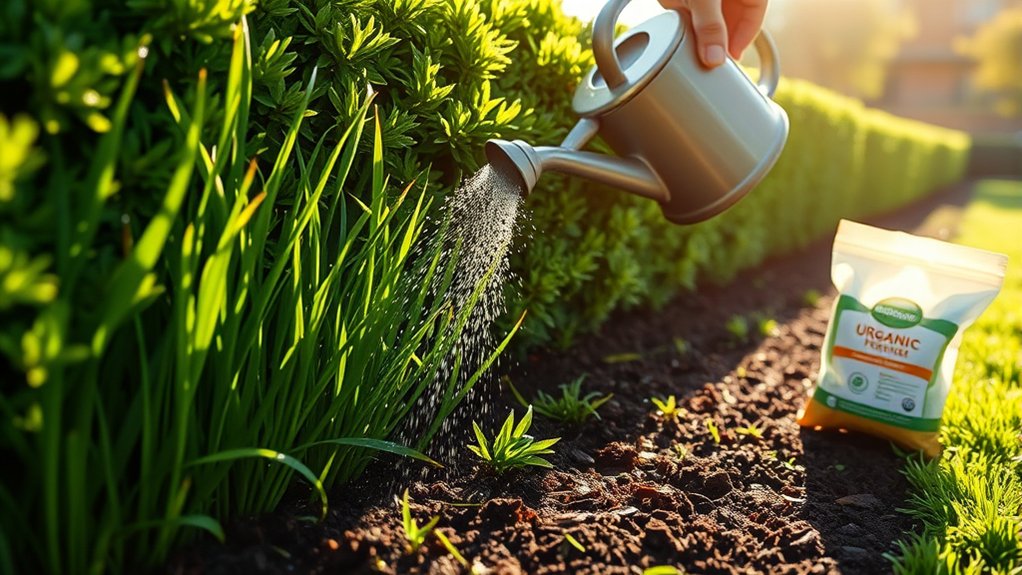
Water your grass deeply but infrequently, allowing the soil to dry slightly between sessions so roots grow stronger and deeper. Water early in the morning to reduce evaporation and give blades time to dry, which helps limit disease.
Water deeply and infrequently, letting the soil dry slightly between sessions to encourage stronger roots and reduce lawn disease.
Adjust your schedule after rainfall, and check moisture by pushing a finger several inches into the ground. If the soil feels dry at that depth, water slowly until moisture reaches the root zone.
Compacted ground can block water and air, so use soil aeration when needed, especially in high-traffic areas.
Feed your lawn during its active growing season, choosing organic fertilizers that release nutrients gradually and support beneficial soil life. Follow the product directions carefully; excess fertilizer can damage roots and pollute waterways.
Spread nutrients evenly, then water lightly if the label recommends it. With consistent moisture and balanced feeding, you’ll encourage resilient, green growth while building healthier soil for the long term.
Mow at the Right Height and Control Weeds
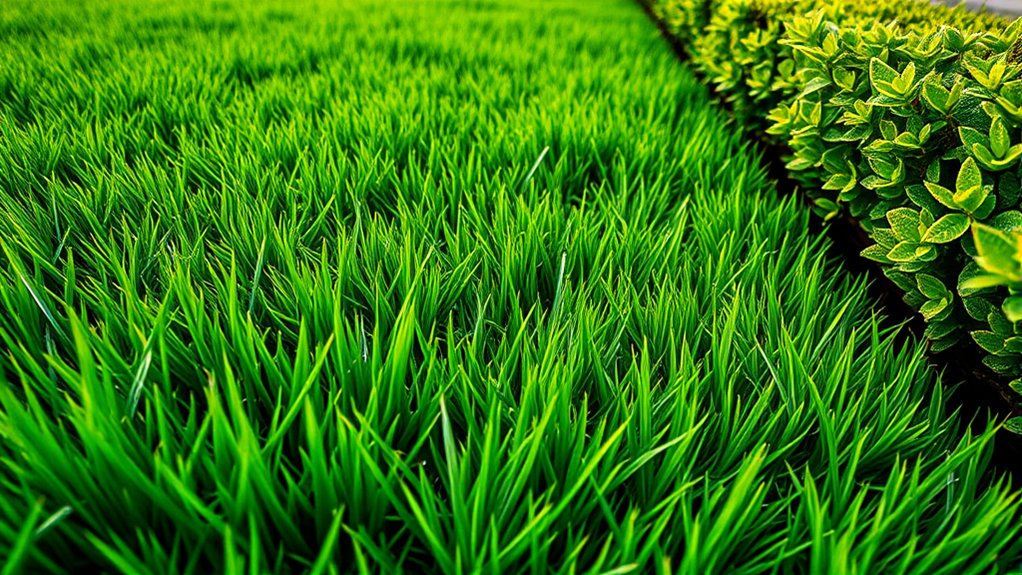
Mow when the grass is dry, keeping blades at the height recommended for your variety so they develop strong roots and shade out weeds. Never remove more than one-third of the blade in a single session, because cutting too short stresses turf, exposes soil, and encourages weed seeds to sprout.
Keep your mower blade sharp for clean cuts, and vary mowing directions to prevent ruts and compacted areas. Leave fine clippings on the lawn; they return nutrients without creating thatch when you mow regularly.
Pull or dig isolated weeds before they flower and spread. For larger infestations, choose a selective herbicide labeled for your grass type, then follow application and safety instructions carefully.
Improve soil aeration by occasionally core-aerating compacted turf, especially in heavily used areas. Dense, healthy grass also supports pest prevention by limiting bare spaces where insects and unwanted plants can establish.
Inspect your lawn weekly, and address thinning patches promptly with suitable seed or sod.
Trim Hedges at the Right Time and Protect Them
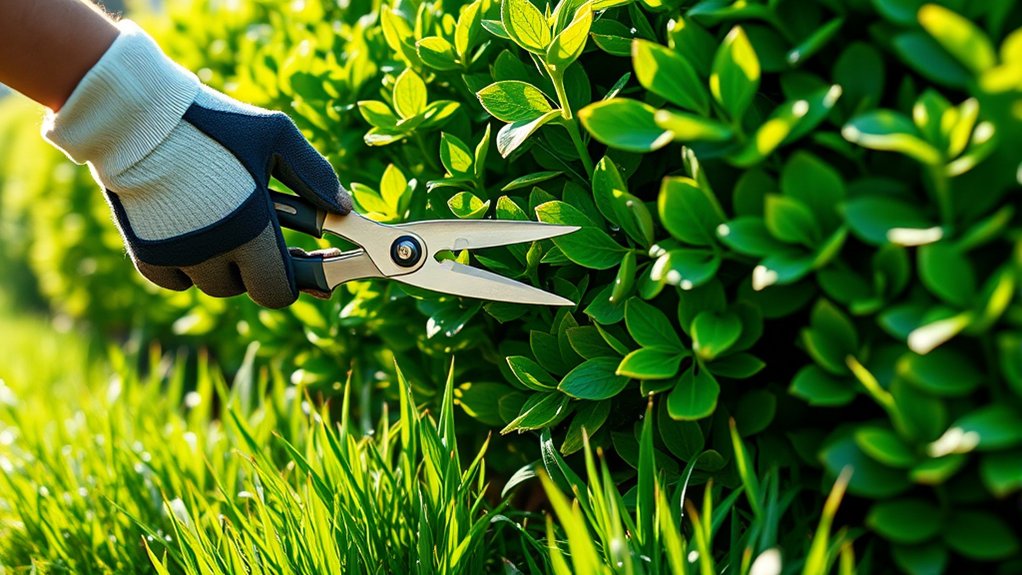
Healthy hedges also need timely maintenance to stay dense and attractive. Trim most hedges in late winter or early spring, before new growth begins, so you can shape them without stressing active shoots.
Trim hedges before new growth begins to maintain their shape, density, and overall health.
Check your plant’s specific needs, though. Flowering shrubs often require pruning after they bloom to protect next season’s flowers.
Use clean, sharp shears to make precise cuts and reduce the risk of spreading disease. Start by removing dead, damaged, or crossing branches, then use gradual pruning techniques to control height and width.
For effective hedge shaping, keep the base slightly wider than the top. This design lets sunlight reach lower branches and prevents bare, thinning areas.
Don’t remove more than one-third of the hedge in a single session. Water it during dry periods, add mulch around the roots, and avoid piling mulch against stems.
After trimming, inspect the hedge regularly for pests, disease, and storm damage. Respond promptly before small problems spread.
Frequently Asked Questions
How Can I Improve Soil Drainage in My Lawn?
Improve your lawn’s drainage by loosening compacted soil and creating channels for water. Start with soil aeration using a core aerator, especially where puddles form or foot traffic is heavy.
Spread a thin layer of compost and work it into the surface as an organic amendment to improve soil structure and moisture movement. Regrade low spots, remove thatch, and avoid overwatering.
If drainage remains poor, install a French drain or consult a landscaping professional.
Which Grass Varieties Thrive Best in Shaded Areas?
Fine fescues, especially creeping red, chewings, and hard fescue, thrive in cool, shaded areas. You’ll also find success with tall fescue, which tolerates moderate shade and drought better than many options.
Interestingly, the shadiest corner often becomes your lawn’s strongest test of patience. Choose shade-tolerant grasses suited to your climate, improve soil drainage, and avoid overwatering.
For shaded area planting, select quality seed, prune nearby branches, and mow slightly higher.
How Do I Repair Bare Patches Caused by Heavy Foot Traffic?
Repair bare patches from heavy foot traffic by loosening compacted soil, removing dead grass, and adding a thin layer of compost. Aerate the soil around the damaged area to improve drainage and root growth.
Choose a shade-tolerant, traffic-resistant grass that matches your existing lawn. Spread the seed evenly, press it gently into the soil, and keep the area consistently moist.
Block foot traffic until the new grass is established. Then maintain it with regular mowing and watering.
What Tools Are Essential for Maintaining Healthy Grass and Hedges?
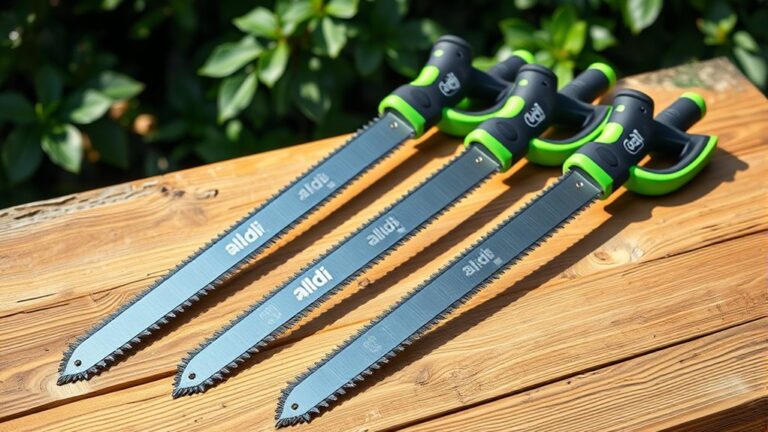
You’ll need different tools for tidy edges and thriving turf: a mower keeps grass even, while shears shape hedges precisely. Add a sturdy rake, garden hose, gloves, and a sharp shovel for cleanup, watering, and planting.
For lawn aeration, use a manual or powered aerator to relieve compacted soil. For hedge trimming, choose bypass loppers or an electric trimmer.
Keep blades clean and sharp, and store every tool dry to prevent rust and extend its life.
How Can I Protect My Lawn From Pets and Common Garden Pests?
Protect your lawn by training pets to use designated areas, installing low barriers, and applying pet-safe repellents. Choose pet deterrents such as motion-activated sprinklers or scent-based products to discourage digging and roaming.
For insects, inspect grass regularly, remove weeds, improve drainage, and avoid overwatering. Add pest resistant plants around lawn edges to reduce infestations naturally.
Encourage beneficial insects, cover vulnerable plants with netting, and use targeted, lawn-safe treatments only when necessary.
Conclusion
Healthy grass and hedges don’t require endless work or expensive products.
Even if you’re short on time, a simple routine makes a noticeable difference: water and feed your lawn, mow high enough to protect roots, remove weeds early, and trim hedges in season.
Give plants the right care and they’ll grow thicker, greener, and stronger.
Start with one task today, then build the habit. Your garden will reward you with lasting curb appeal and healthy grass and hedges.