How Long Does a Car Engine Take to Cool Down?
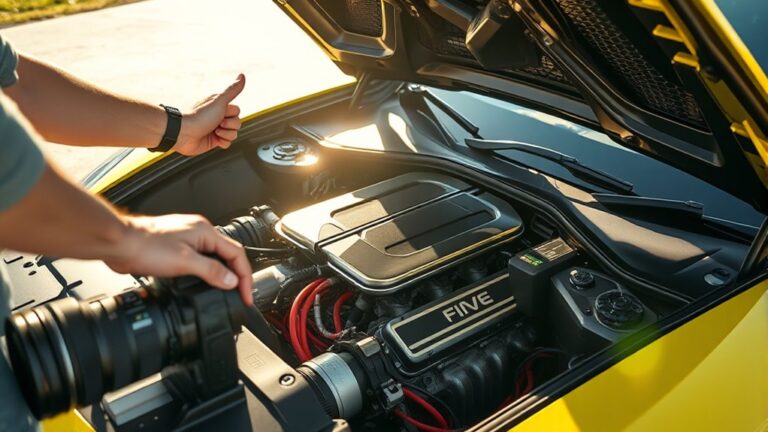
If you’ve ever been eager to check under your car hood right after a drive, you’re not alone. Many people struggle with figuring out how long their car engine takes to cool down safely. It’s a common concern because touching hot engine parts or opening the radiator too soon can be risky. Understanding the cooling process can save you from burns and protect your engine.
Your car engine typically takes 30 minutes to an hour to cool down safely after driving. Factors like engine size, weather, and where you park influence cooling time.
Hot days and parking on asphalt slow cooling, while cool air and shaded concrete help it happen faster.
Don’t rush; touching hot components or opening the radiator too soon can cause burns or damage. Follow simple steps to know when it’s safe and how to speed up cooling for better engine care.
Key Takeaways
- A car engine typically takes 30 minutes to an hour to cool down safely after driving.
- Waiting at least 15 to 30 minutes before opening the hood prevents exposure to steam and hot coolant spray.
- Cooling speed depends on factors like ambient temperature, engine condition, and surface material beneath the vehicle.
- Opening the hood and turning off electrical accessories helps accelerate natural airflow for safer cooling.
- Avoid touching or inspecting engine components for at least 30 minutes to prevent burns and ensure accurate assessment.
How Hot Does a Car Engine Get After Driving?
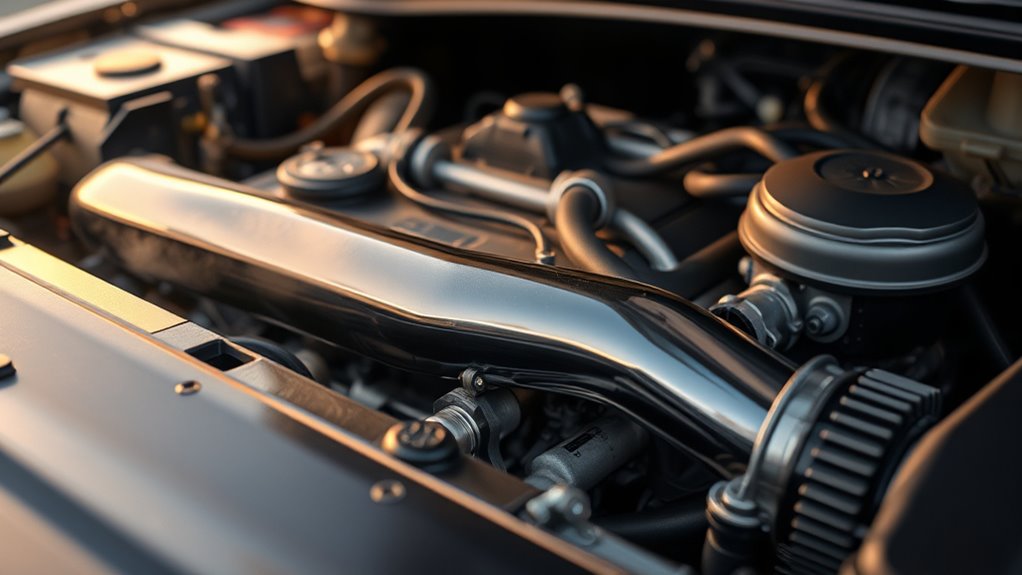
How hot does a car engine actually get after driving? Typically, your engine runs between 195°F and 220°F, but it can spike higher if something’s wrong.
If you notice engine overheating, it’s a sign your engine is getting dangerously hot, often due to issues like coolant leaks. Coolant is essential because it absorbs heat and keeps the engine from overheating. When there’s a leak, the coolant level drops, reducing its ability to regulate temperature. This can cause your engine temperature to soar quickly.
You might see steam or smell something burning if it gets too hot. Keeping an eye on your temperature gauge helps you avoid damage. If it rises above normal, stop and check for leaks or other problems. Understanding how hot your engine gets helps you recognize early warnings and prevent serious engine damage.
How Long Does It Take for a Car Engine to Cool?
You’re probably wondering how long your engine needs to cool after driving. On average, it takes about 30 minutes. But keep in mind, things like the outside temperature and the size of your engine can make that time shorter or longer.
Knowing this is really helpful because it lets you take the right safety steps before you touch anything under the hood.
Average Cooling Time
Several factors influence the average time it takes for a car engine to cool down, but typically, you can expect it to take anywhere from 30 minutes to an hour. Your engine’s performance plays a key role here; a well-maintained engine with efficient cooling systems tends to cool faster.
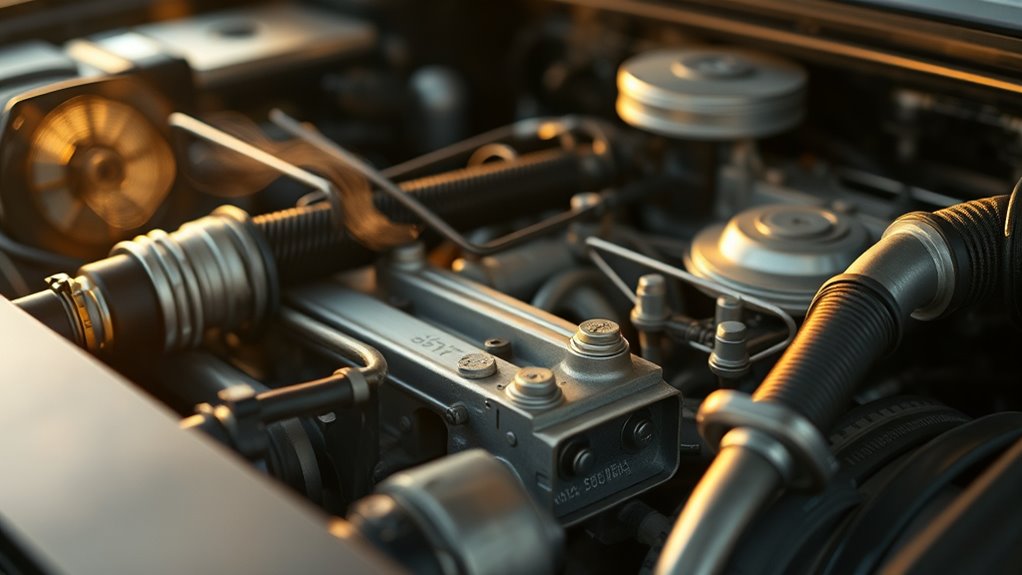
Modern cooling systems, including radiators and fans, work hard to dissipate heat quickly, helping reduce cooling time. However, even with advanced systems, it’s important to give your engine enough time to cool before opening the hood or performing maintenance.
Rushing this process can expose you to burns or damage engine components. So, be patient and let your car’s cooling systems do their job to protect engine performance and longevity.
Factors Affecting Cooling
Although it might seem straightforward, the time it takes for your car engine to cool depends on various factors. For instance, the type and condition of engine oil play a crucial role; fresh, high-quality oil helps dissipate heat more efficiently, speeding up cooling.
Furthermore, cooling fans markedly impact how quickly your engine drops in temperature. When running, these fans push air through the radiator to remove excess heat, but once you turn off the engine, they stop, slowing the cooling process.
Environmental conditions also matter. Hot weather or poor airflow around your vehicle can extend cooling times. Finally, the engine’s size and design affect heat retention.
Understanding these factors helps you gauge how long you should wait before touching or servicing your engine safely.
Safety Tips After Driving
How long should you wait before touching your car engine after driving? It’s best to wait at least 30 minutes to allow the engine to cool down fully. Hot engine oil can cause burns, and touching components like the radiator or hoses too soon can be dangerous.
After waiting, check the engine oil level and quality, as proper engine oil helps regulate temperature and prevents overheating. Don’t attempt radiator maintenance while the engine is hot; sudden opening of the radiator cap can cause scalding steam to escape.
Always use gloves if you need to handle engine parts shortly after driving. Following these safety tips protects you and helps maintain your car’s performance, ensuring your engine cools down safely and efficiently.
How Weather Affects Car Engine Cooling
You’ll notice your engine cools slower on hot days because the surrounding air doesn’t absorb heat as quickly. It’s like trying to cool off in a warm room—it just takes longer. On the other hand, in cold weather, the cooler air helps your engine shed heat much faster, almost like a natural fan kicking in.
Knowing how temperature affects cooling can really help you take better care of your car after driving. So, next time you park on a hot day, give your engine a little extra time to cool down before you turn it off.
Hot Weather Impact
When temperatures soar, your car engine takes longer to cool down because the surrounding air holds more heat. This reduces the rate at which heat dissipates from the engine. So, your engine stays hotter for longer periods, which can affect fuel efficiency since it works harder to maintain ideal performance.
You might also notice increased engine noise as components expand and operate under higher thermal stress. Hot weather forces your cooling system to work overtime, so it’s vital to keep an eye on coolant levels and make sure your radiator is functioning properly.
Cold Weather Effects
Why does your engine cool down faster in cold weather? Cold air absorbs heat quickly, allowing your engine to lose heat more efficiently. The coolant system works harder to transfer heat from the engine to the colder surroundings.
Furthermore, engine oil thickens in cold temperatures, slowing down heat transfer but also reducing friction, which affects cooling speed. Here’s a quick comparison:
| Factor | Cold Weather Effect | Impact on Cooling |
|---|---|---|
| Air Temperature | Lower | Faster heat dissipation |
| Coolant System | More efficient circulation | Quicker engine cooling |
| Engine Oil | Thickens | Slower heat transfer |
| Heat Loss Rate | Increased | Reduced cooldown time |
Understanding these effects helps you manage engine care better in cold climates.
Differences in Car Engine Cooling Times by Engine Type
Since engine designs vary widely, the time it takes for your car’s engine to cool down depends heavily on its type. For example, a smaller, four-cylinder engine generally cools faster than a larger V8 because it generates less heat and has less mass to dissipate.
Turbocharged or high-performance engines often run hotter and might take longer to cool, especially if the coolant efficiency isn’t ideal. Regular engine maintenance plays a key role here; a well-maintained cooling system with fresh coolant ensures heat is removed quickly and effectively.
Conversely, neglecting coolant changes or radiator upkeep can slow down the cooling process considerably. Diesel engines, due to their higher compression ratios, tend to retain heat longer than gasoline engines, so you’ll notice longer cooldown times.
Understanding these differences helps you avoid premature engine handling after shutdown, preventing damage and promoting longevity. Always factor in your specific engine type for accurate cooling expectations.
How Parking Location Impacts Car Engine Cooling
Where you park your car really makes a difference in how fast your engine cools down. For example, if you leave it in the shade, your engine will stay cooler than if you park it under direct sunlight. Plus, the type of surface you park on—like asphalt or concrete—can hold heat differently, which affects how quickly your engine cools off. So, it’s worth thinking about both the spot and the surface when you’re parking.
Shade Versus Direct Sunlight
Although your engine cools naturally over time, parking in direct sunlight can substantially slow the process. When your car sits under the sun, the engine temperature remains heightened longer because the heat from the sun adds to the residual heat in the engine bay.
This means your usual cooling methods, like heat dissipating into the surrounding air, become less effective. On the other hand, parking in the shade helps reduce the external heat load, allowing the engine temperature to drop faster.
Shade blocks direct solar radiation, so your engine loses heat more efficiently. If you want to speed up cooling, always choose a shaded spot over direct sunlight. This simple choice markedly impacts how quickly your engine temperature returns to a safe level after driving.
Surface Material Effects
When you park your car, the surface beneath it plays an essential role in how quickly your engine cools down. Different surface textures, like asphalt, concrete, or gravel, absorb and retain heat differently, affecting the cooling rate.
Asphalt tends to get hotter and hold heat longer, slowing your engine’s cooling, while concrete stays cooler, helping dissipate heat faster. Gravel allows for better airflow, which can speed up cooling as well.
Furthermore, the surface material impacts your car’s paint durability. Parking on rough or abrasive surfaces may cause scratches or chips, damaging the paint.
Why You Should Wait Before Opening the Hood
Before you open the hood, you should wait because the engine and its components can stay extremely hot for a long time after you turn off the car. When your engine overheats, the cooling system works overtime to bring temperatures down, but residual heat remains in metal parts and fluids.
Opening the hood immediately can expose you to dangerous steam or hot coolant that might spray out unexpectedly. Plus, the sudden influx of cooler air can cause thermal shock, which might damage delicate engine parts.
Waiting allows the cooling system to stabilize temperatures gradually, reducing risks of burns or mechanical damage. So, give your vehicle at least 15 to 30 minutes to cool down before lifting the hood.
This pause helps ensure your safety and protects your engine from unnecessary stress caused by rapid temperature changes. Patience here is key to avoiding injury and maintaining your engine’s health.
Signs Your Engine Has Cooled Safely
Even if you’ve waited the recommended time, you’ll want to look for clear signs that your engine has cooled safely before working on it. First, check the temperature gauge on your dashboard. It should be in the normal range or below.
Touch the hood carefully. If it still feels hot, give it more time. Inspect the coolant system reservoir. If the coolant is no longer steaming or bubbling, it’s a good indicator the engine has cooled down.
Avoid opening the radiator cap until you’re sure the pressure has dropped to prevent burns. Also, keep in mind that engine oil takes longer to cool than other parts. So if you’re planning on checking or changing the oil, be extra cautious.
Waiting until you see these signs helps protect you from burns and guarantees your engine components have settled to a safe temperature. Always prioritize safety over speed when dealing with a hot engine.
Tips to Speed Up Engine Cooling
Knowing how to recognize when your engine has cooled safely is important, but sometimes you need to speed up the process to get back on the road or start maintenance sooner. Here are a few tips to help you cool your engine faster:
- Open the Hood: Raising the hood lets hot air escape quickly, reducing engine temperature. This boosts airflow and prevents heat buildup.
- Turn Off the Engine and Accessories: Shut off your car and avoid using electrical components. This stops heat generation and allows the engine to cool naturally.
- Use Engine Tuning: Regular engine tuning improves fuel efficiency and reduces excess heat production. A well-tuned engine runs cooler and recovers faster after use.
Risks of Checking a Hot Engine Too Early
Although it might be tempting to check your engine right after turning off the car, doing so can be dangerous. When your engine is overheating, components like the radiator are under extreme stress. Opening the hood too soon can expose you to hot steam or coolant bursts. This can cause serious burns or injuries.
Plus, the radiator’s efficiency drops markedly when it’s hot. It can’t cool the engine quickly enough if you disturb the system prematurely. Checking too early may also lead to misjudging the actual condition of your engine and radiator, as temperatures are still fluctuating.
To avoid these risks, wait until the engine has cooled down adequately. This pause ensures the pressure inside the cooling system decreases, making it safer for you to inspect and work on your engine without risking harm or causing further damage. Patience here protects both you and your vehicle.
How to Safely Maintain Your Engine After Cooling
Once your engine has cooled down properly, you can safely perform maintenance tasks without risking burns or damage. Checking and maintaining your engine at the right time guarantees your vehicle runs smoothly and extends its lifespan. Here’s how to do it safely:
- Check the radiator temperature. Before touching any parts, make sure the radiator has cooled to a safe temperature to avoid burns from hot coolant or steam.
- Inspect engine oil levels. Use the dipstick to check engine oil once the engine is cool. Cold oil settles, giving you an accurate reading. Top off or change the oil if needed to keep your engine lubricated.
- Look for leaks and wear. With the engine off and cool, examine hoses, belts, and connections for cracks or leaks that could worsen when the engine heats up.
Frequently Asked Questions
Can Engine Coolant Be Reused After the Engine Cools Down?
You can reuse engine coolant after the engine cools down, but you need to be careful about coolant contamination. If the coolant’s been exposed to dirt, rust, or oil, recycling it without proper filtration can harm your engine.
It’s best to test and possibly treat the coolant before reusing it. Proper coolant recycling methods help maintain your engine’s health and prevent overheating or corrosion issues.
How Does Engine Oil Temperature Compare to Engine Coolant Temperature?
Think of engine temperature as a story told in two voices: oil versus coolant. Engine oil runs hotter and holds heat longer, like a slow-burning ember, reaching temperatures around 250°F to 300°F.
Coolant acts like a vigilant river, staying cooler, typically between 190°F and 220°F. It constantly flows to absorb and disperse heat. You’ll notice oil safeguards engine parts under extreme heat, while coolant keeps overall temperature steady and balanced.
Is It Safe to Drive Immediately After the Engine Overheats?
No, it’s not safe to drive immediately after engine overheating occurs. You should prioritize cooling safety by turning off the engine and letting it cool down before driving again.
Driving while the engine is overheated can cause serious damage, like warped components or a blown head gasket. Always check coolant levels and wait until the temperature gauge returns to normal.
Taking these steps helps protect your engine and guarantees safe driving afterward.
What Are Common Causes of Engine Overheating During Driving?
Like a dragon breathing fire under your hood, your engine can overheat due to several causes. You might face overheating symptoms if the cooling system leaks, the radiator clogs, or the thermostat sticks.
Low coolant levels or a broken water pump also make your engine run hot. Keep an eye on these issues, or you’ll be dealing with a sizzling engine and costly repairs before you know it.
How Often Should You Change Your Car’s Coolant?
You should change your car’s coolant every 2 to 5 years, depending on the coolant composition and your vehicle’s manufacturer recommendations. Since the cooling system relies on the coolant to prevent overheating and corrosion, keeping it fresh is essential.
Check your owner’s manual for specifics, but don’t wait too long. Old coolant loses its effectiveness and can risk engine damage. Regular maintenance keeps your cooling system working smoothly and your engine protected.
Conclusion
Just like a steaming cup of coffee needs time to cool before you sip, your car engine requires patience to reach a safe temperature. Rushing to check it can lead to burns or damage.
By understanding how your engine cools and following safe practices, you protect both yourself and your vehicle. Take a moment, let the heat dissipate, and then confidently maintain your engine for a smoother, safer drive ahead.
Knowing how long a car engine takes to cool down helps you avoid accidents and keeps your vehicle running well.