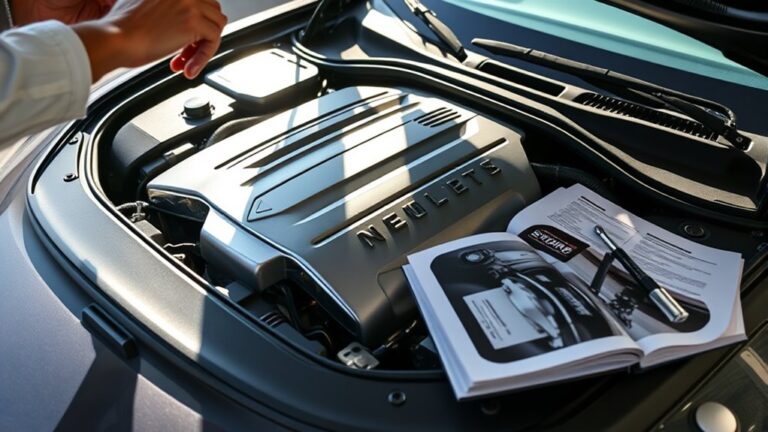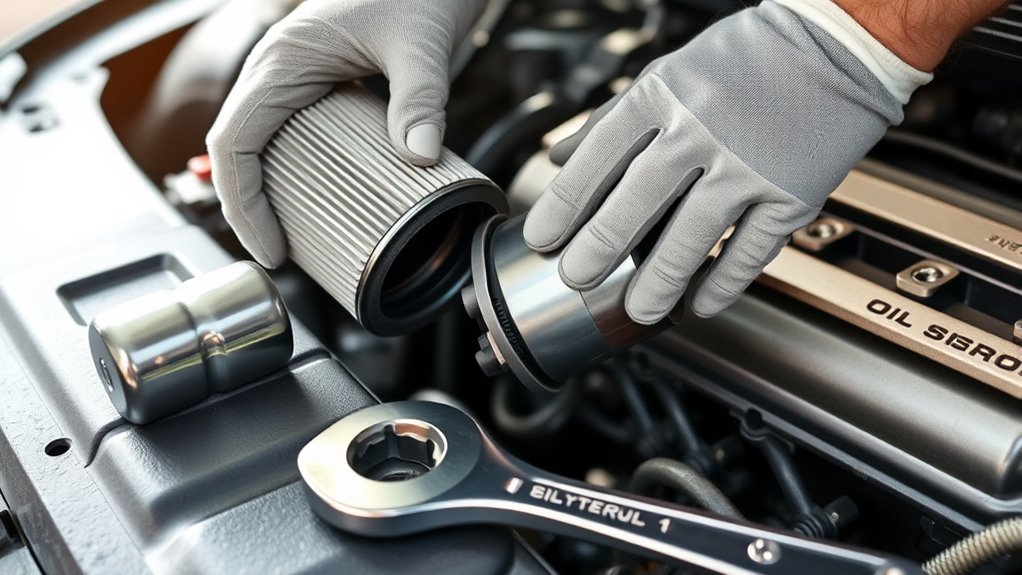
Change Your Car Engine Oil Filter in 3 Easy Steps
Change Your Car Engine Oil Filter? If you’ve ever tried changing your car’s engine oil filter, you know it can feel tricky and time-consuming. You’re not alone—many people struggle with figuring out the right tools and steps to do it properly. But with the right guidance and products, this routine maintenance task can become quick and hassle-free.
To change your car’s engine oil filter in three easy steps, first gather tools like an oil filter wrench, drain pan, and gloves, and prepare your car by parking on a flat surface with the engine cool.
Next, drain the old oil by removing the drain plug, then unscrew the old oil filter carefully.
Finally, install the new filter, coat its gasket with oil, tighten it securely, refill with fresh oil, and check for leaks.
Keep going if you want to know the detailed process and tips.
Change Your Car Engine Oil Filter Key Takeaways
- Park your vehicle on a flat surface, cool the engine, and gather all necessary tools and parts before starting.
- Drain the old engine oil completely by removing the drain plug with a wrench and catching oil in a pan.
- Remove the old oil filter by turning it counterclockwise. Use an oil filter wrench if needed to avoid spills.
- Lightly coat the new filter’s rubber gasket with oil. Then screw it in by hand and tighten securely without overtightening.
- Refill the engine with the recommended oil. Run the engine briefly, check for leaks, and dispose of old oil properly.
Gather Tools and Prepare Your Car for Oil Filter Replacement
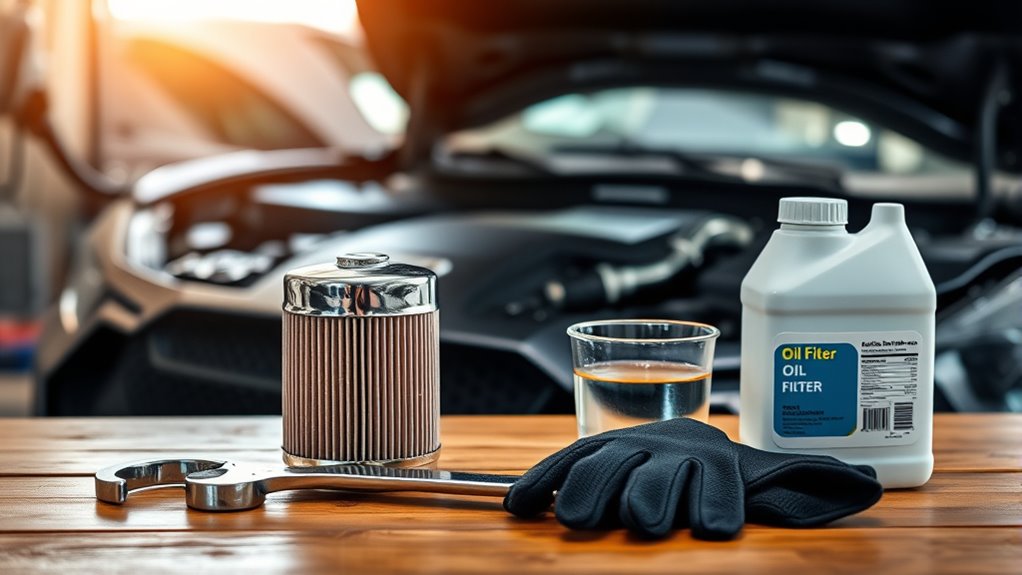
Before you plunge into changing your car’s oil filter, make sure you have all the necessary tools ready and your car properly prepared. Start by consulting your car’s manual to identify the correct oil filter types compatible with your engine. Using filters that don’t match your engine compatibility can lead to leaks or poor filtration.
Gather a suitable oil filter wrench, a drain pan, gloves, and some rags for a clean job. Confirm your car is parked on a flat surface and the engine is cool to avoid burns. If your vehicle has a plastic shield underneath, you might need a socket wrench to remove it for better access.
Having everything on hand before you begin saves time and reduces frustration. By preparing meticulously and choosing the right oil filter type, you set yourself up for a smooth, efficient replacement process without unnecessary hiccups.
Drain Old Engine Oil and Remove the Oil Filter
How do you safely remove old engine oil and the filter without making a mess? First, locate the oil filter under your car; it’s usually near the engine block. Place your drain pan beneath the oil drain plug, then carefully unscrew the plug to let the old engine oil flow out.
Remember, the engine oil type you’ll use later depends on your vehicle’s specifications, so keep that in mind. After draining, remove the oil filter by turning it counterclockwise. Be ready for some residual oil to spill, so keep your drain pan positioned well.
| Step | Tool Needed | Tip |
|---|---|---|
| Drain Oil | Wrench & Drain Pan | Warm engine oil drains faster |
| Locate Oil Filter | Flashlight | Check your car manual |
| Remove Oil Filter | Oil Filter Wrench | Turn slowly to avoid spillage |
Following these steps ensures a clean, efficient oil and filter removal.
Install the New Oil Filter and Refill Engine Oil
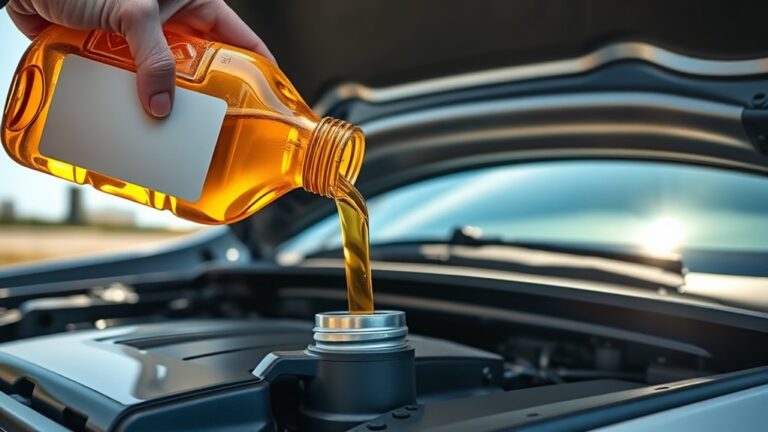
Once you’ve removed the old filter and drained the oil, you’ll want to prepare the new filter by lightly coating its rubber gasket with fresh engine oil. This helps create a better seal. Next, screw the new oil filter into place by hand, tightening it according to the manufacturer’s instructions to avoid overtightening.
Lightly oil the new filter’s gasket before hand-tightening it to ensure a secure, leak-free seal.
Now, it’s time to refill your engine with the correct engine oil grade, which you can find in your owner’s manual. Using the right oil is essential for peak performance and longevity.
Remember these key points:
- Choose the proper oil filter type compatible with your engine.
- Use the recommended engine oil grade for your vehicle.
- Check for leaks after installation by running the engine briefly.
Following these steps guarantees your engine stays protected and runs smoothly after the oil change.
Frequently Asked Questions
How Often Should I Change My Car’s Engine Oil Filter?
You should change your car’s engine oil filter every 3,000 to 7,500 miles, depending on your vehicle and oil type. The oil filter lifespan varies, so check your owner’s manual for specifics.
Using the right filter replacement tools makes the job easier and guarantees a proper fit. Regularly replacing the filter helps keep your engine clean and running smoothly, preventing dirt buildup and prolonging engine life.
Don’t skip this important maintenance!
What Are the Signs of a Clogged Oil Filter?
You’ll notice signs of clogging when your oil filter’s lifespan is exceeded. Common signs include reduced engine performance, unusual engine noises, and the oil pressure warning light turning on.
Your engine may also overheat or run rough. These symptoms mean your oil filter is struggling to remove contaminants, restricting oil flow.
Paying attention to these signs helps you replace the filter before serious damage occurs.
Can I Reuse an Old Oil Filter?
You can’t put old wine in new bottles, and you shouldn’t reuse an old oil filter either. Reusing it risks clogged passages and engine damage.
Instead, focus on proper oil filter disposal to protect the environment. Many places offer oil filter recycling programs, so don’t toss it in the trash.
What Type of Oil Filter Is Best for My Car?
The best oil filter for your car depends on oil filter compatibility with your engine model. Check your owner’s manual or manufacturer’s website to find compatible filters. When choosing, consider quality and filtration efficiency.
For filter installation tips, make sure the gasket seats properly to avoid leaks, and don’t overtighten it. Hand-tight plus a quarter turn usually works. Using the right filter keeps your engine running smoothly and extends its life.
Does Changing the Oil Filter Improve Engine Performance?
Think of your engine as a heart pumping life through your car. Yes, changing the oil filter improves engine performance by ensuring clean oil flows freely.
When you respect the oil filter lifespan, you prevent sludge buildup, which chokes your engine’s energy. New filters boost engine protection, reducing wear and tear.
Conclusion
Changing your car’s oil filter is like giving your engine a fresh breath of life. With just a few simple steps, you’ll have your ride purring smoothly again.
Remember, a little care goes a long way. Just like watering a thirsty plant, this small task keeps your engine healthy and strong.
So roll up your sleeves, trust the process, and enjoy the satisfying hum of a well-tuned machine ready to hit the road after changing your car engine oil filter.