How to Reset Car Check Engine Light in 3 Easy Steps
Dealing with a stubborn check engine light can be frustrating. You’re not alone—many drivers struggle with knowing how to reset it quickly and safely without heading straight to the mechanic. If you want an easy way to handle this common issue, you’re in the right place.
You can reset your car’s check engine light in three easy steps: first, use an OBD-II scanner to read and clear error codes instantly; second, disconnect the negative battery terminal for about 15 minutes to reset the system; and third, reconnect the battery and drive the car through a few cycles to let it self-check.
Keep in mind, understanding why the light came on helps avoid future issues, so it’s smart to investigate how to diagnose and monitor your vehicle afterward.
Key Takeaways
- Use an OBD-II scanner to read and clear the check engine light codes instantly and accurately.
- Disconnect the negative battery terminal for about 15 minutes to reset the system manually.
- Reconnect the battery terminal and start the vehicle to complete the reset process.
- Drive the car through several cycles to allow the system to self-check and confirm the light stays off.
- If the light returns, consult a mechanic to diagnose and fix underlying issues properly.
How to Reset the Check Engine Light Yourself in 3 Simple Ways
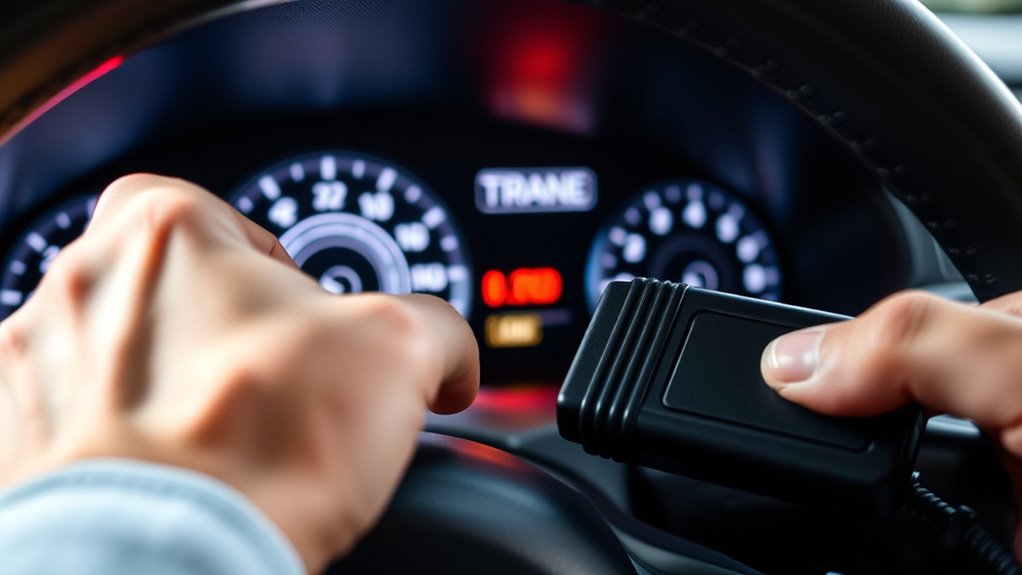
Although a glowing check engine light can be alarming, you can often reset it yourself using three straightforward methods. First, you can use diagnostic tools, like an OBD-II scanner, which plug into your car’s port. These tools read and clear error codes, turning off the light instantly.
A glowing check engine light can often be reset easily with an OBD-II scanner.
Second, you might try battery disconnection. Simply disconnect the negative battery terminal for about 15 minutes, then reconnect it. This resets your car’s computer and often clears the light.
Third, you can drive your car through several cycles, allowing the system to self-check and reset if the issue is resolved. Keep in mind, battery disconnection might reset other settings, like your radio presets.
Using diagnostic tools is usually the most reliable and precise way to reset the light without affecting other systems. By following any of these methods, you’ll regain control over your car’s warning signals quickly and easily.
How to Find Out Why Your Check Engine Light Is On
Before you reset your check engine light, you should find out why it turned on in the first place. Ignoring the root cause might lead to bigger problems down the road. Start by paying attention to other warning indicators on your dashboard; they can provide clues about your vehicle’s condition.
Next, use diagnostic tools like an OBD-II scanner to read the trouble codes stored in your car’s computer. These codes pinpoint exactly what’s triggering the light, whether it’s an emissions issue, a faulty sensor, or something else. You can buy an affordable scanner or visit an auto parts store that offers free diagnostic services.
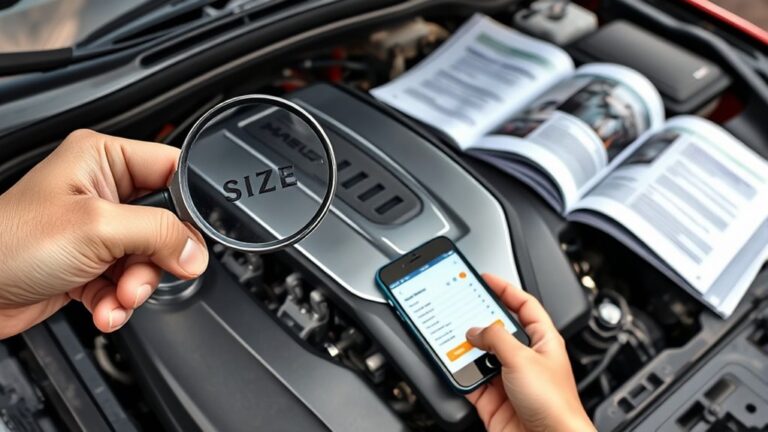
Once you have the codes, look them up online or in your vehicle’s manual for detailed explanations. Understanding the exact problem helps you decide if it’s a simple fix you can handle or if professional help is needed before resetting the check engine light.
When to See a Mechanic After Resetting the Check Engine Light
Once you reset your check engine light, you should monitor your car closely to see if the light comes back on. If it does, don’t ignore it. This usually means the underlying issue hasn’t been resolved.
At this point, it’s best to visit a mechanic who can use advanced diagnostic tools to identify the exact problem. Sometimes, the issue might relate to your vehicle not meeting emission standards, which can affect both performance and legality.
Even if the light stays off for a while but your car runs poorly, you should still get it checked. A mechanic can help prevent further damage and ensure your vehicle stays safe and efficient.
Frequently Asked Questions
Can a Dead Battery Cause the Check Engine Light to Come On?
Yes, a dead battery can cause the check engine light to come on. When your battery health is poor or it’s completely dead, it affects your car’s electrical systems. These systems rely on a stable power supply to function properly, and any disruption can trigger warning lights, including the check engine light.
Does Resetting the Check Engine Light Affect My Car’s Warranty?
Resetting the check engine light usually doesn’t have warranty implications if you follow proper reset procedures. However, if you reset the light without fixing the underlying problem, it might complicate warranty claims later.
Your manufacturer’s warranty often covers repairs for certain issues, but tampering or ignoring persistent problems could void coverage. Always address the root cause first, then reset the light to avoid any warranty-related concerns.
How Long Does the Check Engine Light Stay on Before a Reset?
The check engine light typically stays on as long as a sensor malfunction or issue affecting fuel efficiency persists. This can be hours, days, or even weeks. Studies show nearly 30% of drivers ignore this warning for over a week.
If the problem’s minor, the light might turn off after a few drive cycles. But you should address the root cause promptly to avoid worsening fuel efficiency or damaging your car.
Can Extreme Weather Trigger the Check Engine Light?
Yes, extreme weather can trigger the check engine light. Weather impact affects your car’s systems, causing sensors to react differently. Sensor sensitivity means even small changes in temperature or humidity can cause false readings.
For example, very cold weather might affect your battery or emissions system, prompting the light to come on. So, don’t ignore it. You should check your vehicle to guarantee everything’s running smoothly despite the weather conditions.
Will Clearing the Check Engine Light Erase Diagnostic Trouble Codes?
Clearing the check engine light certainly stops the signal, but it doesn’t completely cancel your car’s stored secrets. When you use diagnostic tools for a sensor reset, you erase the visible warning, but the diagnostic trouble codes often remain tucked in your vehicle’s memory.
To truly tackle trouble codes, you’ll need a thorough scan and proper fixes; otherwise, the light might just relight itself, revealing recurring issues.
Conclusion
So, you’ve learned to reset that pesky check engine light all by yourself—congratulations, you’re basically a mechanic now! Just remember, turning off the light doesn’t magically fix the problem; it just hides it like a teenager dodging chores.
If the light pops back on, maybe it’s time to let a pro handle it instead of pretending you’re the next automotive wizard. Your car—and wallet—will thank you for knowing how to reset the check engine light properly.