How to Check Engine Oil in Your Car in 10 Easy Steps
If you’ve ever felt unsure about how to check your engine oil or worried you might damage your car by not doing it right, you’re not alone. Many people struggle with this simple yet essential task.
Knowing how to properly check your engine oil can save you time, money, and prevent costly repairs down the road.
To check your engine oil in 10 easy steps, first park on level ground with the engine cool.
Locate the dipstick, usually a bright handle near the engine’s front.
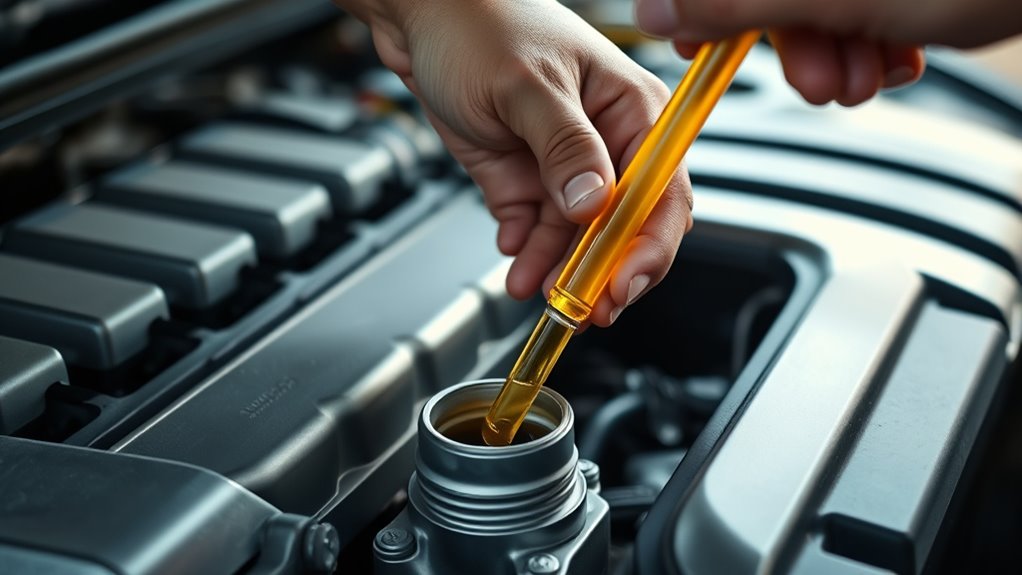
Pull it out, wipe it clean, then reinsert fully.
Remove it again to check the oil level between “Min” and “Max” marks.
If low, add oil slowly.
Inspect oil color and texture for contamination.
Finally, seat the dipstick properly and check regularly to keep your engine healthy.
Want to know all the details?
How to Check Engine Oil Key Takeaways
- Park on a level surface with the engine cool or off for at least 10 minutes to ensure an accurate oil level reading.
- Locate the dipstick by finding a brightly colored handle near the engine’s front or side, often close to the oil filter.
- Remove the dipstick slowly, wipe it clean with a lint-free cloth, then fully reinsert it to get an accurate oil level.
- Pull out the dipstick again and check that the oil level is between the “Min” and “Max” marks. Also, take a moment to observe the oil’s color and texture.
- Add oil slowly if it’s low, using a clean funnel. Remember to regularly check your oil condition and level monthly or before long trips.
Get Your Car Ready for an Accurate Oil Check
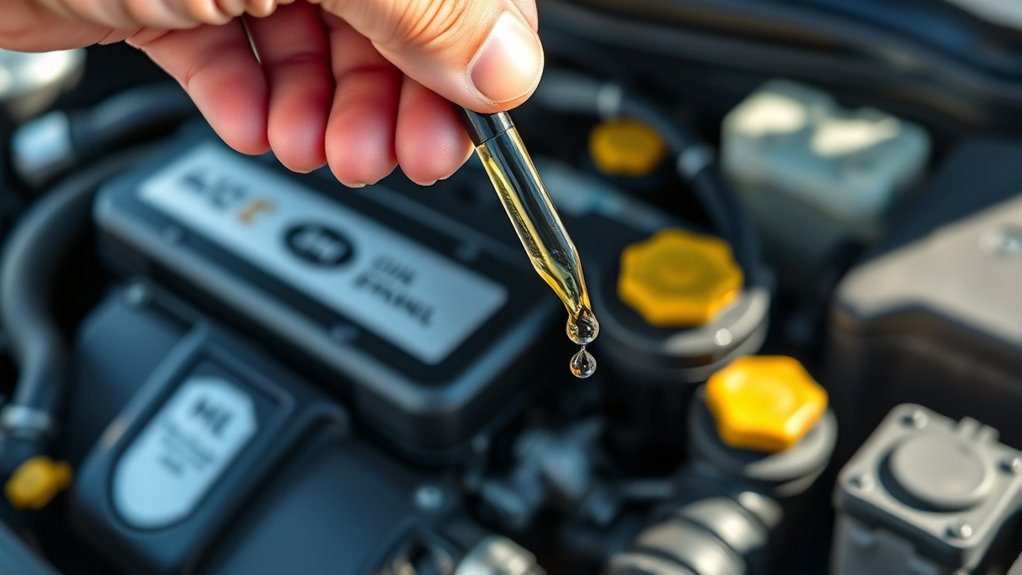
Before you check your engine oil, make sure your car is parked on a level surface and the engine is cool or has been off for at least 10 minutes. This waiting period allows the engine temperature to drop, preventing hot oil from skewing your reading or causing burns.
Always park on level ground and let the engine cool for at least 10 minutes before checking oil levels.
When the engine is cool, the oil settles back into the oil pan, giving you an accurate measurement.
Also, keep in mind that the oil filter plays an essential role in maintaining clean oil by trapping dirt and debris. While you’re preparing to check the oil, it’s a good idea to inspect the oil filter’s condition regularly, although you won’t need to remove it for this step.
Ensuring the engine is cool and your car is level helps you avoid mistakes and get a precise oil level reading, which is important for your engine’s health and performance.
Locate the Engine Oil Dipstick in Your Vehicle
You’ll usually find the engine oil dipstick near the front or side of the engine. Look for a brightly colored handle—often yellow or orange—that really stands out from the other components. Once you spot it, you’re all set for the next step in checking your oil.
Common Dipstick Locations
Although dipstick locations can vary by vehicle make and model, you can usually find the engine oil dipstick near the front or side of the engine block. Look around the area where the oil filter is located, as the dipstick is often nearby for easy access.
Avoid confusing it with the engine coolant reservoir, which is typically translucent and marked clearly. The dipstick handle might stand out with a bright color, but don’t focus on that just yet. Instead, focus on the general area close to the oil filter and engine block.
If you’re struggling to locate it, consult your owner’s manual or look for a thin, metal rod inserted into the engine. Knowing where to find the dipstick is the first step to checking your engine oil correctly.
Identifying Dipstick Handle
Once you’ve located the general area near the oil filter and engine block, focus on spotting the dipstick handle itself. The dipstick handle design is usually distinctive, making it easier to find. Most vehicles use color coding to help you identify it quickly, often bright yellow or orange. This contrast stands out against the engine components.
Look for these signs:
- A looped or T-shaped handle designed for easy gripping.
- Bright color coding: yellow, orange, or red to catch your eye.
- Positioned near the engine block, often within reach without tools.
- A sturdy plastic or metal handle that feels secure when pulled.
Recognizing these features will help you confidently identify the dipstick handle and proceed to check your engine oil without hesitation.
Clean the Engine Oil Dipstick Before Checking
Before you check the oil level, make sure to clean the engine oil dipstick thoroughly. Wiping it down removes any old oil, dirt, or grime that could cause engine oil contamination, giving you an accurate reading. Use a clean, lint-free cloth or paper towel to wipe the dipstick from end to end. Avoid using anything abrasive that might scratch or damage it.
Keeping the dipstick clean also helps you spot any unusual oil color or texture, which can indicate mechanical issues. Remember, regular oil filter replacement is just as important as checking your oil level. A clogged filter can lead to dirty oil circulating in your engine, affecting performance and longevity.
Remove the Dipstick and Check the Oil Level
Now that the dipstick is clean, find it carefully and pull it out straight to avoid any spills. Then, wipe it off again. Once it’s clean, go ahead and push it all the way back in.
After that, pull it out one more time to check the oil level. Just make sure the oil marks fall between the minimum and maximum indicators. That way, you’ll know your engine has the right amount of oil.
Locate the Dipstick
Where can you find the dipstick in your car? It’s usually near the engine, close to the oil filter or engine cooling components. Spotting it quickly saves time and keeps you confident during maintenance.
Here’s how to locate it easily:
- Look for a brightly colored handle, often yellow or orange.
- Check near the engine block, typically on the side where the oil filter is.
- Avoid confusing it with coolant reservoir caps or other engine parts.
- Consult your owner’s manual if you’re unsure.
Finding the dipstick is your first step to checking oil levels and protecting your engine’s health. Once located, you’re ready to remove it and inspect your oil properly.
Properly Remove Dipstick
Once you’ve located the dipstick, grip the handle firmly and pull it out slowly to avoid dripping oil. Hold the dipstick horizontally to prevent oil from running down the tube. Use a clean rag or paper towel to wipe the oil off completely. This step guarantees you get an accurate reading when you reinsert the dipstick.
While checking the oil, take a quick look around the engine bay to spot any leaks near the oil filter or signs of low engine coolant levels, as these can affect your engine’s overall health. After wiping, carefully reinsert the dipstick all the way back into its tube.
Then, pull it out again to check the oil level properly. Removing the dipstick with care helps you avoid contamination and keeps your engine running smoothly.
Interpret Oil Level
How do you know if your engine oil level is just right? After removing the dipstick, wipe it clean, then reinsert it and pull it out again to check the oil level. You want the oil to be between the minimum and maximum marks.
- If the oil is below the minimum mark, it’s time to add oil. Low levels can cause engine damage.
- If the oil looks dark or gritty, it signals oil contamination and means you need an oil change.
- Notice any oily residue above the maximum mark? That means the oil is overfilled, which can harm your engine.
- If the level is low but the oil looks clean, oil evaporation might be the cause. Just top it up and keep an eye on it.
Interpreting your oil level accurately keeps your engine running smoothly.
Interpret Oil Level Markings on the Dipstick
Why do those tiny markings on your dipstick matter so much? They’re the key to understanding if your engine oil is at the right level. When you pull out the dipstick, you’ll see two marks—usually labeled “Min” and “Max” or with crosshatch patterns. Your oil level should sit between these marks.
If it’s below the minimum, your engine might not get enough lubrication, which can lead to damage, especially since the oil filter relies on proper oil flow to keep contaminants out. Conversely, oil above the maximum can cause pressure issues and leaks.
Remember to check the oil when your engine temperature is cool or has been off for a few minutes, so the oil settles and gives a more accurate reading. Don’t just eyeball it. Use these markings as your guide to keep your engine running smoothly.
Check Oil Color and Consistency for Issues
Next, take a close look at the oil’s color and feel its consistency. Clean oil usually has a clear amber color, but if you notice it’s dark or gritty, that could be a sign of problems. And if the texture feels thick or sludgy, it’s definitely time for a change or a closer inspection.
Oil Color Indicators
What does the color of your engine oil reveal about your car’s health? Oil color indicators give you essential clues about your engine’s condition and possible oil contamination.
When you check the oil, pay close attention to these signs:
- Light amber – Your oil is fresh and healthy, protecting your engine well.
- Dark brown or black – Oil is dirty but may still function. It’s time for an oil change soon.
- Milky or creamy – This often signals water or coolant contamination, which needs immediate attention.
- Metallic particles or sludge – Indicates severe oil contamination and potential engine damage.
Consistency and Texture
Although checking the color of your engine oil provides valuable information, paying attention to its consistency and texture is just as important. When you pull out the dipstick, feel the oil between your fingers. It should be smooth and slick, not gritty or sludgy.
Gritty oil can indicate dirt or metal particles that bypassed the oil filtration system, signaling potential engine wear. Also, consider engine temperature: oil thickens when cold and thins when hot, so check oil consistency when the engine is warm but not overheated.
If the oil feels excessively thick or has a milky texture, it might indicate contamination with coolant or other fluids. Regularly monitoring oil consistency helps catch issues early, keeping your engine running smoothly and preventing costly damage.
Choose the Right Engine Oil for Your Car
How do you know which engine oil suits your car best? Choosing the right oil is crucial to keep your engine running smoothly and avoid costly repairs. You want to pick an oil that protects your engine, improves efficiency, and lasts longer.
Choosing the right engine oil is key to smooth performance and preventing expensive repairs.
Synthetic oils often offer superior performance with better resistance to breakdown and extreme temperatures. Plus, oil additives enhance protection against wear, corrosion, and sludge buildup.
Consider these points when selecting your engine oil:
- Check your owner’s manual for the recommended oil type and viscosity.
- Choose synthetic oils if you want better engine performance and longevity.
- Look for oils with quality oil additives to improve engine protection.
- Match the oil grade to your driving conditions. Extreme heat or cold requires specific formulations.
Add Engine Oil If Level Is Low
Once you’ve picked the right engine oil, the next step is to keep an eye on its level. If the dipstick shows the oil is low, you’ll need to add more to avoid engine damage.
Start by opening the oil filler cap, usually marked with an oil can symbol. Pour the oil slowly, checking the level frequently to prevent overfilling. Avoid topping off excessively, as this can cause foaming and reduce lubrication efficiency.
If you’re due for an oil change soon, consider doing that instead of just adding oil. Fresh oil removes contaminants and restores engine protection.
You might also want to explore oil additives, which can enhance engine performance and reduce wear, but only use products recommended by your car’s manufacturer. Always use a clean funnel to avoid introducing dirt, and add oil in small amounts, checking the dipstick each time.
Keeping your engine oil at the correct level helps maintain smooth engine operation and prolongs your car’s life.
Properly Reinsert the Engine Oil Dipstick After Checking
After you finish checking the oil level, make sure you firmly reinsert the dipstick all the way back into its tube. Proper dipstick handling is crucial for accurate engine oil maintenance and to prevent contaminants from entering the engine. Here’s how to do it right:
- Hold the dipstick by the handle to avoid getting oil on your hands.
- Slowly slide the dipstick back into the tube, ensuring it goes in straight without forcing it.
- Push it all the way down until it seats securely, preventing dirt and debris from entering.
- Double-check that the dipstick is fully inserted by giving it a gentle tug. If it feels secure, you’re good.
Properly reinserting the dipstick is a small step that protects your engine and keeps your oil readings accurate. This simple care in dipstick handling helps maintain your car’s performance and longevity.
How Often Should You Check Engine Oil?
Checking your engine oil regularly is key to keeping your car running smoothly and avoiding costly repairs. You should check your engine oil at least once a month or before long trips. Different engine oil types and oil change intervals can affect how often you need to check it.
For example, synthetic oils often last longer, meaning you might check less frequently than with conventional oils. However, it’s still smart to monitor oil levels consistently to catch leaks or consumption issues early.
Oil change intervals vary by vehicle and oil type, usually ranging between 3,000 to 10,000 miles. Consult your owner’s manual for specific guidelines. Even if you follow recommended intervals, checking the oil regularly ensures your engine stays well-lubricated and prevents damage.
Make it a habit to inspect the oil level and condition, so you can maintain your car’s performance and extend its lifespan without surprises.
Frequently Asked Questions
What Are the Symptoms of Low Engine Oil Besides the Dipstick Check?
If your engine oil is low, you’ll notice a drop in oil pressure on your dashboard gauge. Your engine might also make unusual noises like knocking or ticking because the oil isn’t lubricating parts properly.
You could feel your car running hotter than usual, too. Don’t ignore these signs. Low oil can seriously damage your engine, so check it promptly even if you haven’t used the dipstick yet.
Can I Use Any Type of Oil if My Car’s Engine Oil Runs Low?
You shouldn’t just use any oil if your engine oil runs low. Always check your car’s manual for the recommended oil brand and type.
Choosing between synthetic and conventional oil depends on your engine’s needs and driving conditions. Synthetic oils generally offer better protection and last longer, but conventional oils can be fine for older engines.
Using the wrong oil can harm performance, so stick to what’s specified for your car.
How Do I Dispose of Used Engine Oil Safely?
Used engine oil isn’t just waste; it’s liquid gold for oil recycling! You should never dump it down drains or on the ground because it harms the environment.
Instead, collect the used oil in a clean, sealed container and take it to a recycling center or auto shop that accepts it. By doing this, you protect environmental safety and help conserve resources.
What Tools Do I Need to Change the Engine Oil Myself?
You’ll need a wrench or socket set to remove the drain plug, an oil filter wrench, and a drain pan to catch old oil. Don’t forget a funnel for adding new oil.
When choosing oil, consider the recommended oil viscosity and look for quality oil additives to improve engine protection. Also, grab gloves and rags to keep things clean.
These tools and details help you change the oil efficiently and safely.
Can Engine Oil Affect My Car’s Fuel Efficiency?
Think of engine oil viscosity as the blood flowing through your car’s veins; if it’s too thick or thin, your engine struggles. Yes, oil viscosity directly impacts your fuel economy.
Using the right viscosity reduces friction, helping your engine run smoother and burn fuel more efficiently. If the oil’s too thick, your engine works harder, lowering fuel efficiency.
Conclusion
You might think checking your engine oil is something only mechanics should do, but surprise, it’s actually pretty simple and quick! Skipping this easy step could turn your car into a pricey paperweight.
So, grab that dipstick, follow these steps, and keep your engine happy. After all, your car won’t check its own oil, and neither will your wallet if you stay on top of it by regularly checking your engine oil.