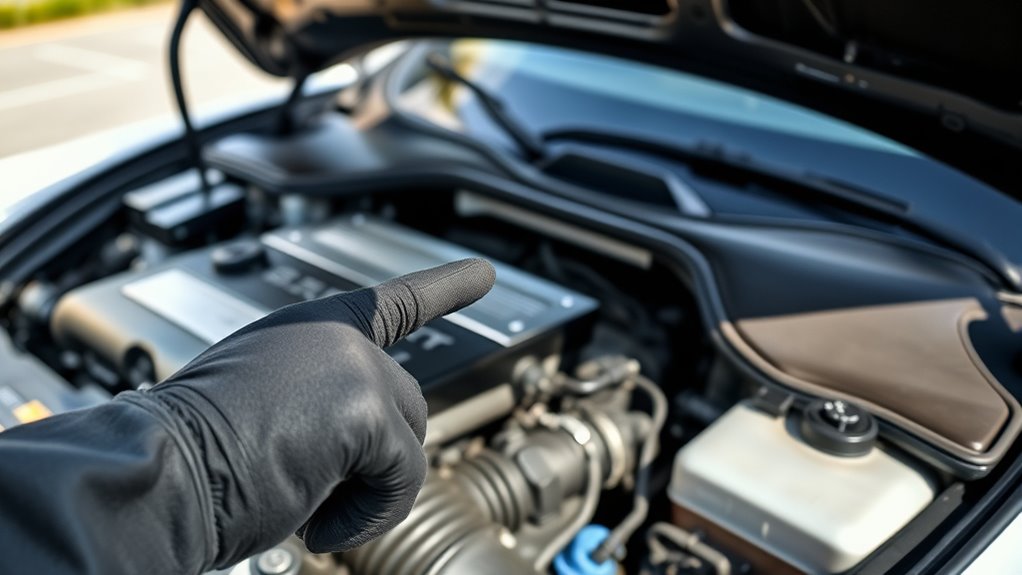
How to Know What Engine My Car Has in 5 Easy Steps
Figuring out exactly what engine your car has can feel like a real headache, especially if you’re not a car expert. You’re not alone—many people struggle with identifying their engine specs, whether they’re buying a used car, planning upgrades, or just curious about their ride.
Luckily, knowing what engine your car has doesn’t have to be complicated.
To know what engine your car has, start by checking your owner’s manual or the manufacturer’s label inside the door or under the hood for exact info.
Next, find your VIN on the dashboard or door jamb and decode it online for detailed engine specs.
Then, look under the hood for an engine code stamped on the block or valve cover.
Inspect any stickers or markings in the engine bay for size and model.
Finally, confirm details using trusted online tools.
Keep going to uncover more helpful tips.
Key Takeaways
Check the owner’s manual or manufacturer’s label for accurate engine type and specifications. This is often the easiest way to get reliable info.
Locate and decode the VIN using online tools. This can reveal detailed engine information specific to your car.
Find the engine code stamped on the engine block or valve cover under the hood. It’s usually a combination of letters and numbers.
Inspect stickers or labels in the engine bay for engine size and model information. These labels can be very helpful.
Use online automotive databases by entering your VIN or vehicle details to confirm the engine type. This is great for double-checking.
Check Your Owner’s Manual or Manufacturer’s Label
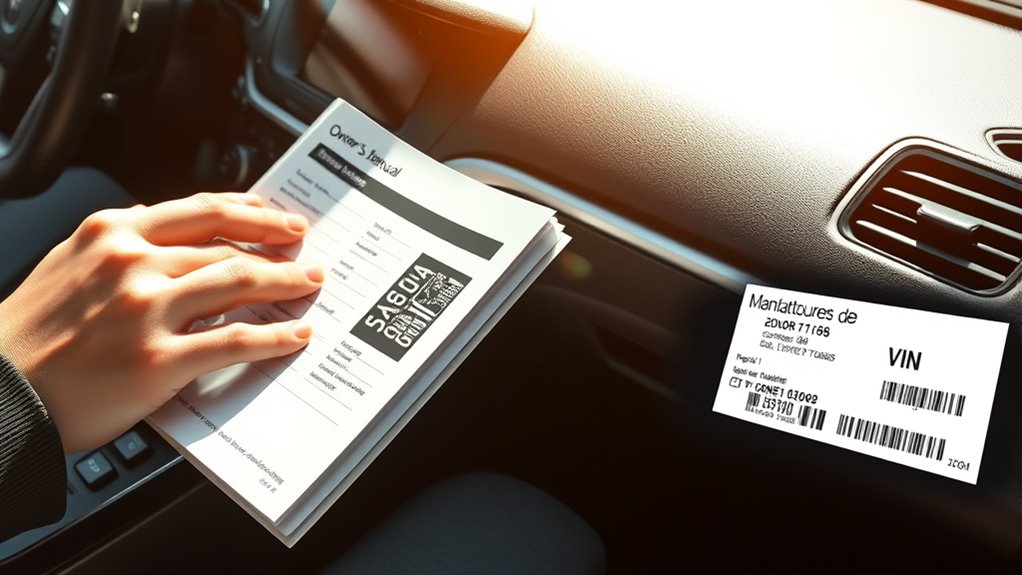
Although it might seem obvious, the easiest way to find out what engine your car has is to check your owner’s manual or the manufacturer’s label. These sources provide accurate, detailed information right from the source. When you know your engine type, you can tailor your engine maintenance to fit its specific needs, ensuring better performance and longevity.
The owner’s manual often includes recommended oil types, service intervals, and other essential care tips. Similarly, the manufacturer’s label, usually found inside the driver’s door or under the hood, lists engine specifications. This helps you make informed decisions about performance upgrades, matching parts and modifications to your exact engine model.
You won’t waste money on incompatible components or risk damaging your engine. So before diving into any upgrades or maintenance routines, start by consulting these reliable references. They’re your best tools for keeping your engine running smoothly and boosting its performance safely.
Find Your VIN and Decode It for Engine Info
If you want to identify your engine quickly, start by locating your vehicle’s VIN (Vehicle Identification Number). You’ll usually find the VIN on the driver’s side dashboard near the windshield or on the driver’s side door jamb.
Once you have it, use VIN decoding tools online or apps designed for this purpose. VIN decoding breaks down the 17-character code, revealing specific details about your car, including engine type, size, and manufacturing info.
Locate Your Engine Code Under the Hood
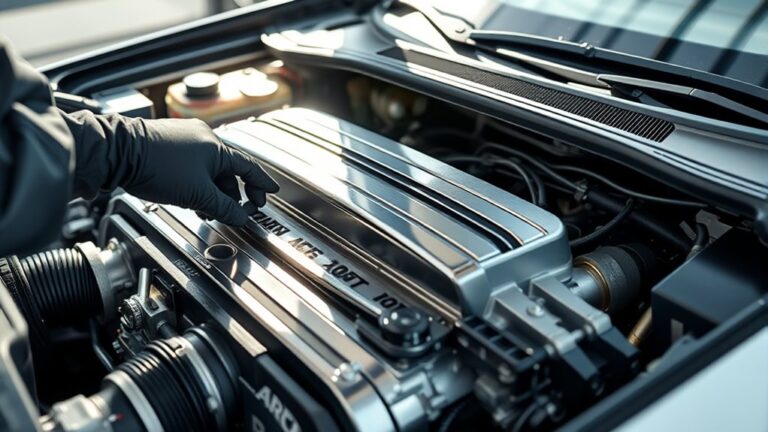
When you open your car’s hood, you can usually find the engine code stamped or printed on a metal plate or directly on the engine block. This engine identification is crucial for understanding your car specifications accurately.
To locate it, start by checking common spots where manufacturers place these codes. Here’s where to look:
Begin by inspecting typical areas where manufacturers usually stamp or attach engine identification codes.
- Near the front of the engine block, often on the passenger side
- On a metal tag attached to the valve cover or intake manifold
- Around the engine bay firewall or near the radiator support
Once you spot the engine code, note it down carefully. This code helps you confirm the exact engine model, displacement, and performance details specific to your vehicle.
Knowing your engine identification ensures you get the right parts, perform proper maintenance, and understand your car’s capabilities fully. Don’t confuse this code with other numbers; it’s specifically designed for precise car specifications.
Inspect Engine Bay Markings for Model and Size
Where exactly should you look in the engine bay to find markings that reveal your engine’s model and size? Start by checking the engine bay stickers and engine compartment labels, usually located on the underside of the hood, near the radiator support, or on the firewall.
These stickers often provide essential information including the engine type, displacement, and sometimes horsepower ratings. Look closely at these engine compartment labels for codes or numbers that identify the engine model and size.
Manufacturers use standardized formats on these labels, so once you spot the engine displacement like 2.0L or 3.5L, you’ll know the engine’s size. Be sure to clean any dirt or grease that might obscure the stickers for better visibility.
If you don’t find clear information on these labels, try checking around the valve cover or intake manifold where some manufacturers stamp engine details. These markings are your key to quickly identifying your engine’s specifications without guesswork.
Use Online Tools to Confirm Your Engine Details
Although physical inspection provides valuable clues, you can quickly confirm your engine details by using online tools designed for vehicle identification. These tools tap into extensive online databases, letting you access precise engine specifications without guesswork. Just enter your car’s VIN or make and model, and you’ll get detailed info fast.
Here are three reliable ways to use online tools effectively:
Check manufacturer websites that offer VIN decoding to reveal engine type and specs.
Use popular automotive databases like Edmunds or AutoCheck for thorough engine data.
Visit forums or enthusiast sites where members share verified engine specs by vehicle model.
Frequently Asked Questions
Can I Change My Car’s Engine Type Myself?
You can do an engine swap yourself if you have the right skills, tools, and space. A DIY engine swap is challenging, requiring mechanical knowledge and time, but it’s doable.
You’ll need to research compatibility, get proper parts, and follow safety guidelines. If you’re new to this, consider asking for help or consulting a professional.
How Does Engine Size Affect Fuel Efficiency?
Engine size directly impacts your fuel consumption and engine performance. A larger engine usually means more power but also higher fuel consumption because it burns more fuel.
Smaller engines tend to be more fuel-efficient, especially for city driving, but might sacrifice some performance. So, if you want better fuel efficiency, you’ll likely choose a smaller engine.
However, if you need strong engine performance for towing or speed, a bigger engine might suit you better.
What Are the Signs of a Failing Engine?
You’ll notice signs of a failing engine when you hear unusual engine noise, like knocking or ticking sounds. If your car is leaking oil or you spot oil puddles underneath, that’s a red flag too.
Other signs include rough idling, reduced power, and excessive smoke from the exhaust. If you catch these early, you can save yourself from costly repairs by getting your engine checked promptly.
How Often Should I Service My Engine?
You should service your engine regularly to keep it running smoothly. Follow your vehicle’s oil change schedule, usually every 3,000 to 7,500 miles, depending on your car and oil type.
Engine maintenance isn’t just about oil changes; check filters, belts, and fluids too. Sticking to this routine helps prevent costly repairs and improves performance.
Don’t wait for warning signs. Consistent care keeps your engine healthy and your car reliable.
Can Engine Type Influence My Car Insurance Rates?
Absolutely, your engine type can influence insurance rates. Insurers often assess engine compatibility with safety features and performance when pricing policies. Powerful engines might prompt pricier premiums due to higher risk, while eco-friendly or smaller engines could reveal insurance discounts.
Conclusion
Now that you’ve learned these five simple steps, you’ll quickly uncover what engine powers your car. Don’t just guess or rely on hearsay. Check your owner’s manual, decode your VIN, and inspect those engine markings.
Each step confirms the truth behind the theory that your car’s engine is a mystery. By following this rhythm, you’ll confidently know your engine details.
Knowing what engine your car has makes maintenance and upgrades easier than ever.