Top 3 Professional Hand Tools for Every Workshop
Struggling to choose reliable tools that make workshop projects easier? You’re not alone—many people find it difficult to compare professional hand tools and pick the right options for the job. This roundup highlights the top 3 professional hand tools for every workshop.
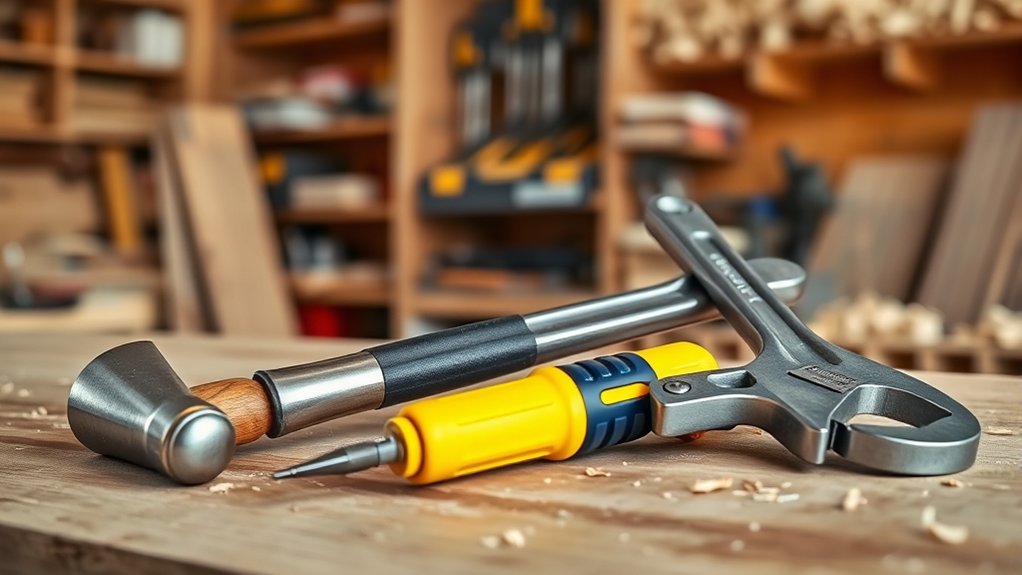
Every workshop needs a durable hammer, versatile pliers, and a sharp hand saw. Choose a hammer with balanced weight, an ergonomic handle, and a striking face suited to framing, finishing, or masonry.
Select pliers with hardened, aligned jaws, smooth joints, and comfortable grips for gripping, bending, or cutting wire.
Pick a saw with the right tooth pattern for your material, and use steady strokes.
Clean, inspect, and store each tool properly, and you’ll uncover more ways to improve workshop results.
Key Takeaways
- Choose a professional hammer suited to the task, with balanced weight, an ergonomic grip, durable construction, and an appropriate claw or striking face.
- Select versatile pliers, such as combination, slip-joint, long-nose, or diagonal cutters, based on your gripping, bending, and cutting needs.
- Pick a hand saw according to the material and cut type. Choose fine teeth for precision or coarse teeth for faster cutting.
- Prioritize comfortable, secure handles and corrosion-resistant construction to improve control, reduce fatigue, and extend tool life.
- Maintain all tools by keeping them clean, dry, sharp, properly stored, and regularly inspected for wear or damage.
Choose the Right Professional Hammer

Choosing the right professional hammer starts with matching its design to the job. For framing, choose a heavier claw hammer that drives large nails efficiently and pulls them without excessive effort.
For finish work, select a lighter hammer with a smooth face to reduce surface marks. If you handle masonry, consider a specialized hammer built for striking chisels or shaping brick.
Pay attention to the handle. An ergonomic handle design helps you maintain control, absorb vibration, and work longer with less hand fatigue.
Fiberglass and steel handles offer durability, while wood can provide natural shock absorption and a comfortable feel. Test the grip before buying; you should hold it securely without squeezing tightly.
Check the weight distribution, too. A well-balanced hammer lets you guide each swing accurately and generate force efficiently.
Choose a face size that suits your fasteners, and inspect the claw, neck, and striking surface for sturdy construction. Keep the hammer clean, dry, and ready for dependable workshop use.
Use Professional Pliers for Gripping and Cutting
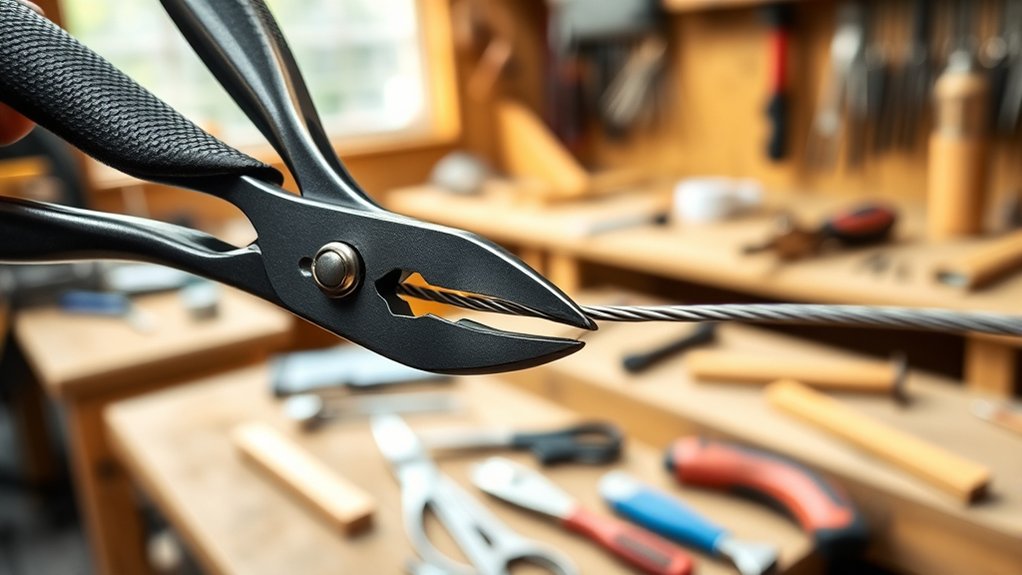
The right professional pliers give you controlled gripping, bending, and cutting for a wide range of workshop tasks. Choose the style that matches your job.
Slip-joint pliers handle general gripping, while long-nose pliers reach tight spaces and hold small components securely. Use combination pliers for gripping, twisting, and cutting wire, or select diagonal cutters when clean wire separation matters.
Look for hardened jaws and precisely aligned cutting edges. They’ll maintain their shape under repeated pressure and deliver consistent results.
An ergonomic grip reduces hand fatigue, especially during extended repairs, while textured handles help you maintain control with oily or gloved hands. Check the joint for smooth movement without excessive looseness.
For outdoor or damp environments, prioritize corrosion resistance. Wipe your pliers clean after use, dry them thoroughly, and apply a light protective oil to the pivot.
Don’t use them as hammers or pry bars. You’ll protect the jaws, cutters, and your hands from unnecessary damage.
Select Hand Saws for Clean, Accurate Cuts
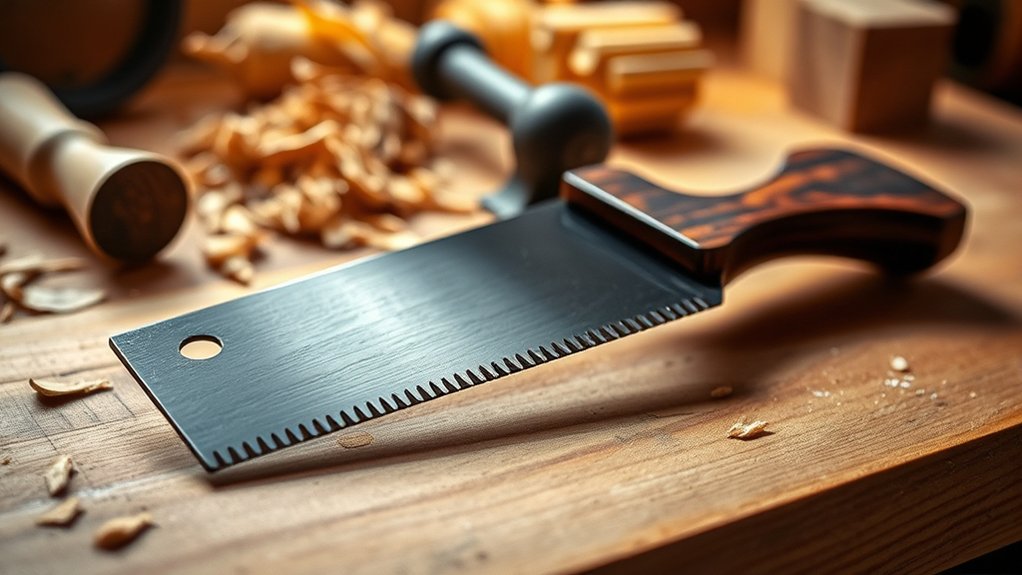
Select a hand saw based on the material, cut type, and level of precision you need. A crosscut saw trims wood across the grain, while a backsaw guides precise joinery. Choose a fine-tooth blade for smooth edges and a coarse blade for faster stock removal. For metal, use a hacksaw with the correct pitch and steady pressure.
| Blade types | Best use |
|---|---|
| Crosscut | Cutting wood across grain |
| Ripsaw | Cutting wood with grain |
| Backsaw | Precise joints and trim |
| Hacksaw | Cutting metal and plastic |
Check the handle for a comfortable, secure grip, and keep the blade sharp. Before cutting, mark your line clearly and support the workpiece to prevent vibration.
Start with short, controlled strokes, then maintain a steady rhythm. Let the teeth do the work instead of forcing the saw, which can bend the blade or damage the cut.
Clean the blade after use and store it safely. With the right saw and technique, you’ll improve cutting accuracy and finish projects faster.
Frequently Asked Questions
How Should Professional Hand Tools Be Cleaned and Maintained?
Clean your professional hand tools after each use by removing dirt, grease, and moisture with a cloth. Wash stubborn grime with mild soap, then dry every surface thoroughly.
Apply a light protective oil to metal parts for rust prevention, especially before storage. Keep tools in a dry, organized toolbox, and inspect handles, joints, and cords regularly.
Include tool sharpening in your routine, and replace damaged components promptly to maintain safety, accuracy, and performance.
What Safety Equipment Should Accompany Professional Hand Tools?
You reach for a wrench, and your safety glasses happen to be right beside it—perfect timing. You should pair professional hand tools with Personal protective gear, including safety glasses, cut-resistant gloves, hearing protection, and sturdy, slip-resistant footwear.
Add a dust mask or respirator when tasks create airborne particles. Follow Tool safety protocols: secure workpieces, maintain clear lighting, inspect tools, and keep a first-aid kit and fire extinguisher nearby. Never rush.
How Can You Organize Hand Tools for Efficient Workshop Access?
Organize hand tools by frequency, function, and size so you can grab what you need quickly. Use pegboards, tool chests, drawer cabinets, and mobile carts as practical Tool storage solutions.
Keep frequently used items at eye level and heavier tools in lower drawers. Apply Labeling and categorization to every drawer, bin, and shelf.
Return each tool after use, maintain clear walkways, and periodically remove duplicates or damaged equipment to preserve efficient access.
Which Materials Provide the Best Durability in Professional Hand Tools?
You’ll find the best durability in professional hand tools made from hardened chromium-vanadium or chromium-molybdenum steel: tough yet workable, strong yet resilient. Material alloys resist bending, impact, and repeated torque, while high-carbon steel keeps cutting edges sharp under demanding use.
Tool coatings, such as chrome, nickel, or black oxide, fight corrosion and reduce wear. Choose forged construction, precise heat treatment, and reinforced handles, because superior materials matter only when manufacturers process them properly.
How Do Professional Hand Tools Differ From Standard Consumer-Grade Tools?
You’ll find professional hand tools differ through stronger materials, tighter manufacturing tolerances, and longer service life than standard consumer-grade options. They withstand frequent, demanding use while maintaining reliable performance.
Manufacturers also prioritize tool ergonomics, reducing hand fatigue during extended projects. A respected tool brand reputation often reflects rigorous testing, better warranties, and dependable quality control.
Consumer tools may cost less, but professionals typically gain greater precision, durability, comfort, and value over years of regular use.
Conclusion
Choosing the right professional hand tools can transform your workshop into a well-tuned machine.
Start with a reliable hammer for driving, shaping, and assembling. Add durable pliers to grip, twist, cut, and hold materials securely.
Finally, keep sharp hand saws ready for clean, accurate cuts. When you match each tool to the task, you’ll work faster, safer, and with greater confidence.
Invest in quality, care for your tools, and these top 3 professional hand tools for every workshop will help you build better results every time.