What Is a Sawzall or Reciprocating Saw Used For?
Tackling a demolition project or cutting through tough materials can be frustrating when your tools lack the power or access you need. You’re not alone—many DIYers and professionals struggle to make fast, rough cuts in tight spaces. That’s where knowing what a Sawzall or reciprocating saw is used for can help you choose the right tool for the job.
You can use a Sawzall, or reciprocating saw, to demolish walls, cut lumber and framing, remove nails and screws, slice through pipes and sheet metal, and prune thick branches. Its rapidly moving blade handles rough, fast cuts where precision matters less than access and power.
Choose a blade designed for the material, secure your workpiece, and wear proper safety gear. Keep going to learn how blade selection, cutting technique, and alternative tools can improve your results.
Key Takeaways
- A Sawzall cuts through lumber, studs, joists, drywall, and other materials during demolition, remodeling, and construction.
- It cuts metal pipes, conduit, sheet metal, nails, screws, and bolts with the appropriate blade.
- Reciprocating saws prune thick branches and remove damaged or poorly positioned limbs during yard maintenance.
- Their compact, blade-driven design reaches tight spaces that circular saws and other larger tools cannot access.
- Choose blades for the material, secure the workpiece, wear protective equipment, and use alternatives for precise or finished cuts.
What Is a Sawzall Used For?
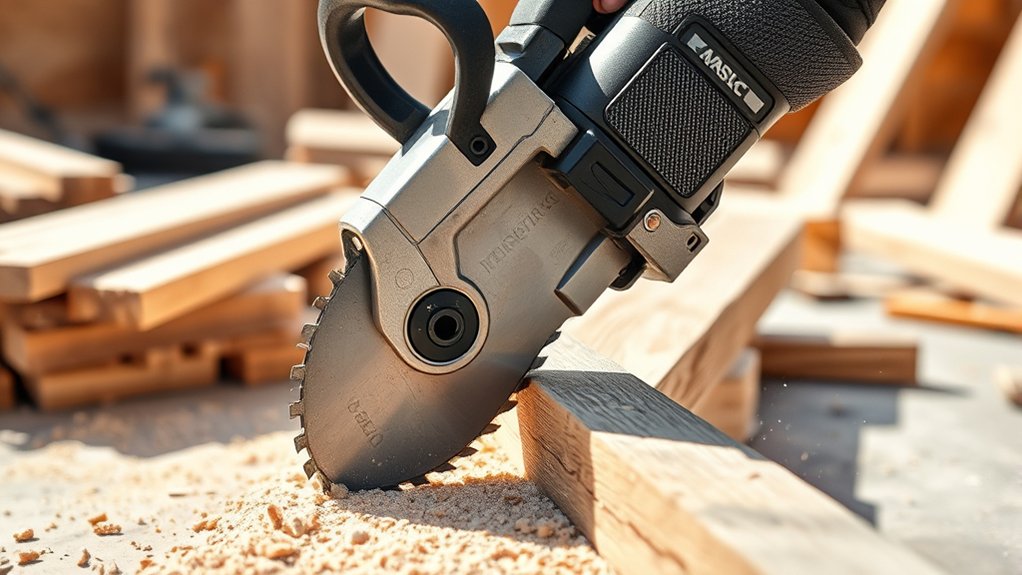
A Sawzall is used for fast, rough cuts through wood, metal, plastic, drywall, and other materials. You can use it to demolish walls, cut through framing, remove old plumbing, trim branches, and slice nails or screws between boards.
Its long blade reaches tight spaces where a circular saw or handsaw may not fit. You’ll also find it useful for remodeling, construction, emergency rescue, and yard work, provided you choose a blade designed for the material.
Blade maintenance helps you work safely and extend tool life. Replace dull, bent, or damaged blades, clear debris from the tool, and keep the blade clamp clean. You should also secure your workpiece and wear eye, hearing, and hand protection.
When comparing corded vs cordless models, consider your workspace. A corded saw delivers continuous power for demanding jobs, while a cordless model gives you greater mobility.
Choose based on runtime, cutting demands, access to outlets, and how often you’ll move around.
How Does a Reciprocating Saw Work?
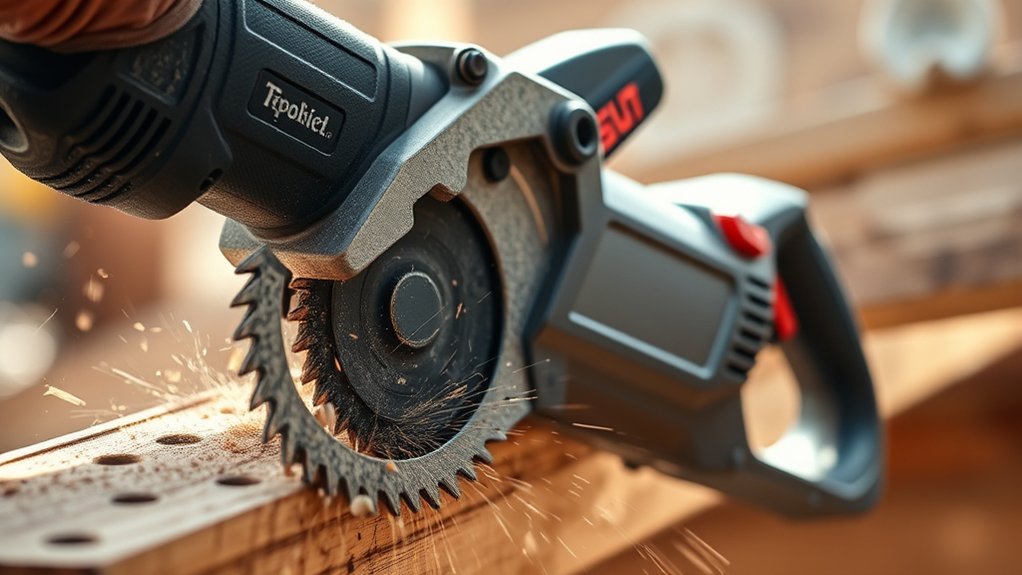
A reciprocating saw uses a motor to move its blade rapidly back and forth. As the blade travels through the material, it makes the cut. Some models also have an orbital setting, which adds a slight forward-and-backward motion to help the saw cut faster.
Motor And Blade Motion
When you press the trigger, the reciprocating saw’s motor spins a gear that converts rotary motion into rapid back-and-forth movement. That mechanism drives the blade clamp, pushing the blade forward and pulling it back several times per second.
As you guide the tool, each stroke removes material and creates the cut. You control cutting speed by adjusting trigger pressure, while the motor supplies consistent power through changing resistance.
Motor efficiency affects runtime, heat, and performance, especially when you work through dense wood, metal, or other tough materials.
Choose a blade suited to the task because tooth design, thickness, and material influence blade durability. Keep the blade properly secured, and replace it when teeth dull or the steel bends.
Let the saw’s motion do the work.
Orbital Cutting Action
Orbital action adds a slight forward-and-backward arc to the blade’s straight reciprocating motion, helping it clear chips and cut through wood faster. As you guide the saw, this oscillating motion pushes the teeth into the material on the forward stroke and lifts them slightly on the return.
You’ll cut efficiently, but the more aggressive movement can increase vibration and splintering.
| Setting | Best use | Result |
|---|---|---|
| Low orbital | Metal or finished wood | Cleaner control |
| High orbital | Framing lumber | Faster cutting |
| No orbital | Flush cuts | Greater precision |
Choose a lower setting when you need accuracy, and wear eye and hearing protection.
Hard materials generally benefit from reduced orbital action because it limits heat and tooth stress. Using the right blade and speed also supports blade durability and steadier performance.
Cut Lumber and Framing With a Sawzall
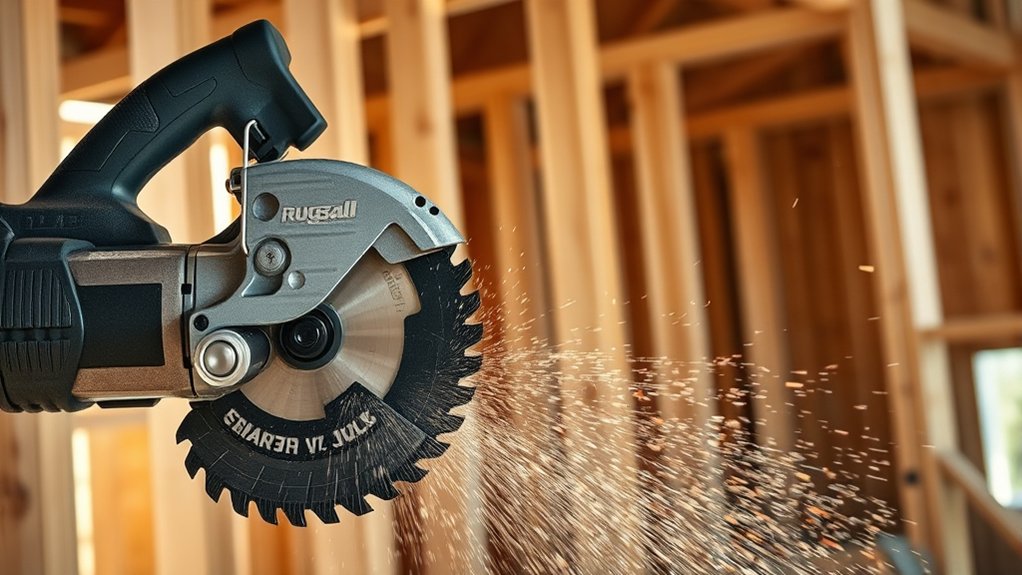
For rough framing cuts, a Sawzall quickly cuts lumber, studs, joists, and other wood members, especially where a circular saw cannot fit. You can use it to trim boards in tight spaces, shorten protruding ends, notch framing, or cut openings during remodeling.
Choose a coarse wood blade for fast cuts through dimensional lumber, and use a finer blade when you need better control in plywood or finished areas. Mark your cut line, support the workpiece, and keep both hands on the tool when possible.
Start the blade slowly, then increase speed as the teeth engage the material. Let the blade do the work instead of forcing it, which helps prevent bending and kickback.
For thick timbers, cut from multiple sides if necessary. Wood framing demands accuracy, so check measurements before cutting.
A longer blade improves reach. Metal cutting requires a dedicated blade and slower, steadier control for thin metal components.
Remove Nails, Screws, and Bolts
Beyond cutting framing members, a Sawzall quickly removes nails, screws, and bolts that hold damaged or unwanted materials in place. Fit a demolition blade designed for metal, then position its teeth against the fastener as close to the surface as possible.
Squeeze the trigger gradually, keep the shoe firmly against the material, and let the blade do the work. You can slice through protruding nails without prying apart boards, preserving pieces you plan to reuse.
For screws, cut through the shank or drive head when a bit won’t loosen the fastener. To remove stubborn bolts, use a longer metal-cutting blade and support the work securely before cutting.
Wear eye protection and gloves, since severed fasteners and fragments can fall or fly. A reciprocating saw offers speed, not delicate control, so don’t use it for decorative woodworking or precision carving.
Inspect the area for hidden fasteners before cutting, and unplug or remove batteries when changing blades.
Cut Pipe, Conduit, and Sheet Metal
Your reciprocating saw can cut through metal pipe cleanly with the right blade and steady pressure. It can also trim electrical conduit to size, even in tight spaces. When cutting sheet metal, use a fine-tooth blade and guide the saw carefully for controlled cuts.
Cut Metal Pipe
To cut metal pipe, conduit, or sheet metal with a reciprocating saw, clamp the work securely and fit the saw with a bi-metal blade designed for metal. Apply steady pressure and let the blade’s teeth do the work.
For clean, controlled cuts:
- Mark your cut line clearly with a marker or scribe.
- Start the saw at low speed, then increase speed as the blade engages.
- Keep the shoe against the material to reduce vibration and improve control.
- Support long pieces to prevent binding or bending during the cut.
Use these blade selection tips: choose finer teeth for thin sheet metal and coarser teeth for thicker pipe. Wear safety glasses, gloves, and hearing protection.
Inspect the blade regularly, and include this task in your Power tool maintenance routine. Disconnect power before changing blades or clearing metal chips.
Trim Electrical Conduit
When trimming electrical conduit with a reciprocating saw, secure the conduit firmly and use a fine-tooth bi-metal blade for a clean cut. Measure the required length, mark it clearly, and support both sides of the mark to prevent vibration.
Wear eye protection and gloves, and follow Electrical safety practices by confirming the conduit contains no energized wires. Keep the saw’s shoe against the conduit, start at low speed, and increase pressure gradually as the blade advances.
Don’t force the tool; let the blade do the work to avoid bending the conduit or damaging its coating. After cutting, remove burrs with a deburring tool so wires won’t snag during installation.
Include Tool maintenance in your routine: inspect the blade, clean the saw, and replace worn components before your next project.
Slice Sheet Metal
For slicing sheet metal, pipe, or conduit with a reciprocating saw, clamp the material securely and choose a fine-tooth bi-metal blade suited to its thickness. You’ll get cleaner results by supporting both sides and marking your cut clearly.
For safe, controlled metal fabrication, follow these steps:
- Wear safety glasses, gloves, hearing protection, and long sleeves.
- Start the saw at low speed, then increase pressure gradually.
- Keep the shoe against the workpiece to reduce vibration and improve precision cutting.
- Let the blade do the work. Don’t force it or twist during the cut.
Use cutting oil on thicker steel to reduce heat and extend blade life. Afterward, inspect the edge and remove sharp burrs with a file.
Disconnect power before changing blades, and let hot metal cool before handling it. Against thin sheet, place sacrificial wood beneath it to prevent bending and snagging.
Open Walls for Plumbing and Electrical Work
Opening walls for plumbing and electrical work is one of the most practical uses for a reciprocating saw, especially during remodeling. You can make controlled cuts through drywall removal areas, exposing pipes, cables, and studs without dismantling an entire wall.
First, locate utilities with plans, scanners, and exploratory openings. Shut off power and water, then mark your cut lines. Use a short, fine-tooth blade and keep the saw shallow to avoid hidden lines.
Remove wall insulation carefully, since nails, staples, and wiring may lie behind it.
| Task | Best practice | Main risk |
|---|---|---|
| Marking | Scan and measure | Hidden utilities |
| Cutting | Use a short blade | Overcutting studs |
| Opening | Support loose panels | Falling debris |
Wear eye, hearing, and respiratory protection. Cut between studs when possible, preserve framing, and save removable sections for patching.
After completing the work, inspect edges for damage and protect exposed pipes or wires before closing the wall. Don’t force the tool; let its blade do the work.
Prune Trees and Cut Thick Branches
You can use a reciprocating saw to prune tree limbs and remove thick branches quickly. Start by choosing a pruning blade, securing your footing, and supporting the branch to keep the cut under control. Then, use safe cutting techniques to protect yourself and the tree.
Tree Limb Pruning
A reciprocating saw can make quick work of pruning trees and cutting thick branches that are too large for hand pruners or loppers. For effective Garden maintenance, use it to remove damaged, diseased, or poorly positioned limbs and improve your trees’ overall shape. Follow these steps:
- Inspect the limb and identify a clean, safe cutting point.
- Choose a pruning blade designed for green wood, and check that it’s sharp.
- Wear eye protection, gloves, and sturdy footwear as part of Power tool safety.
- Support nearby growth, keep bystanders away, and cut from a stable position.
Work carefully around power lines, buildings, and ladders. Don’t reach overhead or operate the saw in wet conditions.
After pruning, disinfect the blade to help prevent spreading disease between trees. Clean, deliberate cuts encourage healthier growth and reduce unnecessary stress on your trees.
Cutting Thick Branches
When thick branches exceed the reach of hand pruners or loppers, a reciprocating saw can cut through them efficiently with the right blade and technique. Choose a coarse-toothed pruning blade designed for green wood, and wear gloves, eye protection, and sturdy footwear.
Support the branch before cutting to prevent tearing, then make a small undercut followed by a top cut slightly farther out. This method protects the bark and reduces splitting.
Keep both hands on the saw, maintain a stable stance, and let the blade do the work without forcing it. Remove loose limbs from the ground promptly, especially during storm cleanup.
For safer Garden maintenance and outdoor pruning, avoid cutting near power lines, check for unstable branches, and follow local tree-care regulations when necessary.
Choose the Right Sawzall Blade
Choosing the right Sawzall blade starts with matching its material and tooth pattern to the job. Before you cut, identify the material, thickness, and finish you need. Then choose from these common options:
- Wood blades: Use coarse teeth for fast cuts through lumber, branches, and demolition debris. Select a fine-tooth model for cleaner cuts in trim or plywood.
- Metal blades: Choose bi-metal teeth for pipes, nails, sheet metal, and other tough materials. Finer teeth generally handle thin metal better.
- Pruning blades: Their curved profiles and widely spaced teeth clear green wood and resist clogging.
- Specialty blades: Carbide-tipped options deliver greater blade durability when you cut cast iron, stainless steel, or other abrasive materials.
Check the blade’s rated thickness and tooth-per-inch range before buying. A longer blade can reach deeper, while a shorter one usually offers better control.
Also consider ergonomic design. A balanced blade and saw combination can make extended cutting feel more manageable. Replace dull blades promptly, since sharp teeth cut faster and produce cleaner results.
Work Safely With a Reciprocating Saw
Before you start the reciprocating saw, put on safety glasses, secure the workpiece, and inspect the blade, cord, battery, and guard for damage. Wear suitable safety gear, including hearing protection, gloves, sturdy footwear, and a dust mask when needed.
Keep both hands on the tool, maintain a balanced stance, and keep bystanders away. Let the blade reach the material before applying steady pressure; don’t force it or twist the saw.
| Safety focus | What you should do | Why it matters |
|---|---|---|
| Work area | Clear clutter and identify hidden wires or pipes | Prevents trips and unexpected contact |
| Cutting control | Keep the shoe against the surface and watch the blade path | Reduces kickback and wandering |
| After use | Release the trigger, wait for the blade to stop, then unplug or remove the battery | Prevents accidental starts |
Follow the manufacturer’s maintenance tips: clean vents, tighten loose parts, replace dull blades, and store the saw dry.
If the tool vibrates unusually, overheats, or makes strange noises, stop immediately and arrange repairs before continuing.
When Should You Use Another Saw?
When Should You Use Another Saw?
A reciprocating saw is ideal for quick, rough cuts, but you’ll get better results with another saw when the job demands precision, a smooth finish, or greater control. Choose the tool that matches your material, cut, and workspace.
- Use a circular saw for straight cuts through lumber, plywood, or sheet goods. Its guide and rigid blade produce cleaner, more accurate lines.
- Choose a jigsaw for controlled curves, smaller openings, and finish work. A fine-tooth blade reduces splintering.
- Pick a miter saw for precise crosscuts and repeatable angles, especially when installing trim or framing.
- Reach for an oscillating tool in tight spaces where plunge cuts and careful detail matter more than speed.
You might also prefer another saw when battery compatibility limits your cordless options or when blade maintenance becomes inconvenient. Match the blade to the material, and replace dull teeth before forcing any cut.
If dust, noise, or vibration concerns you, a slower, more controlled saw may deliver safer, cleaner results. Always secure the workpiece before cutting.
Frequently Asked Questions
Can a Reciprocating Saw Cut Concrete or Masonry?
Yes, you can cut concrete or masonry with a reciprocating saw, but you’ll need the right blade and realistic expectations. Use a carbide-grit or diamond-grit blade designed for concrete cutting, and work slowly with steady pressure.
For masonry demolition, choose a heavy-duty reciprocating saw and expect vibration, dust, and rapid blade wear. Avoid forcing the tool, wear eye and respiratory protection, and consider a rotary hammer or demolition saw for thicker material.
How Much Does a Sawzall Typically Cost?
You’ll typically pay $80–$250 for a Sawzall, depending on its power, brand, and included accessories. A basic corded model may cost $60–$100, while a professional cordless kit can exceed $300 with batteries and a charger.
Blade types also affect your budget, since specialty blades require replacements. Before buying, compare runtime, stroke speed, and warranty coverage.
Follow safety precautions, including wearing eye protection and securing your workpiece, to operate it safely.
Are Cordless or Corded Reciprocating Saws Better?
Cordless reciprocating saws offer better portability, while corded models deliver consistent power for extended jobs. Choose cordless if you value mobility, work outdoors, or need quick access without outlets.
Consider battery life, because frequent cutting may require spare batteries or recharging. Choose corded if you tackle thick materials continuously and want maximum cutting capacity without pauses.
You’ll get the best option by matching your projects, workspace, and expected runtime.
What Maintenance Does a Reciprocating Saw Require?
Keep your reciprocating saw humming like a well-tuned engine by cleaning and inspecting it after each use.
For Blade maintenance, replace dull or damaged blades, clear debris from the shoe and clamp, and lightly lubricate moving parts as your manual recommends. Check the cord, trigger, vents, and fasteners for wear.
For Battery care, charge packs correctly, keep contacts clean, and store batteries cool and dry. Don’t operate a damaged saw.
Can Beginners Safely Use a Sawzall?
Yes, you can safely use a Sawzall as a beginner if you follow basic safety precautions and practice patiently. Wear eye and hearing protection, secure your workpiece, keep both hands controlled, and maintain a firm stance.
Choose the correct blade, inspect the tool, and disconnect power before changing accessories. Start slowly, avoid forcing the cut, and follow the manufacturer’s instructions.
These beginner tips help you build confidence while reducing kickback, slips, and injuries.
Conclusion
A Sawzall makes demolition look easy, right up until you choose the wrong blade or skip safety gear. You can cut lumber, metal, pipe, branches, and stubborn fasteners quickly, but you’ll still need control and patience.
Match the blade to the material, secure your work, and wear eye and hearing protection. When precision matters, choose another saw.
After all, the fastest tool isn’t always the one that gets the job done best or safest. Knowing what a reciprocating saw is used for helps you choose the right tool for every project.