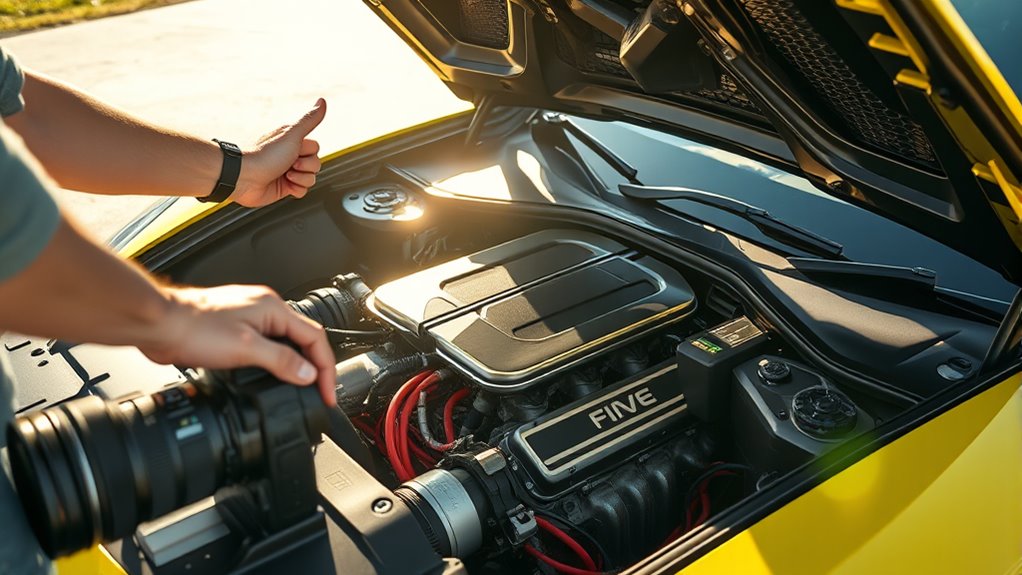
10 Steps to Tell What Engine Your Car Has
Trying to figure out what engine your car has can feel like hitting a brick wall. You’re not alone—many people struggle with this because engine details aren’t always easy to find or understand.
Whether you’re buying a used car, planning maintenance, or just curious, knowing your engine specs is key.
To find out what engine your car has, start by locating the VIN on the dashboard or door frame and check the engine block for stamped codes.
Use online decoders or your owner’s manual to identify specs and engine type.
Visually inspect spark plugs and labels, then confirm details with service records.
If needed, ask a mechanic or use diagnostic tools for an accurate read.
These steps will help you quickly identify your engine and understand its key features.
Key Takeaways
- Locate the VIN and engine code on the dashboard, door frame, or engine block for initial engine identification.
- Use online VIN decoders and engine code lookup tools to reveal engine specifications and compatibility.
- Perform a visual inspection of engine features like spark plugs, oil cap markings, and casting numbers for physical clues.
- Consult the owner’s manual for accurate engine size, type, horsepower, and maintenance guidelines.
- Seek expert help or use diagnostic scanners to confirm engine details and assess condition precisely.
Locate and Decode Your Engine’s VIN
To identify your engine, start by locating its Vehicle Identification Number (VIN). You’ll typically find the VIN on the dashboard near the windshield or on the driver’s side door frame. Once you have it, use online VIN decoders or your car’s manual to decode it.
The VIN reveals details about your engine type, helping you understand its fuel efficiency and whether it meets current emission standards. Knowing this is essential if you want to optimize your car’s performance or comply with environmental regulations.
Decoding the VIN also helps you verify if your engine matches factory specifications, which can impact maintenance and resale value. Don’t overlook this step. It’s the most accurate way to identify engine specifics without guesswork.
Identify Your Engine by Key Visual Features
Once you’ve decoded your engine’s VIN, you can cross-check that information by examining the engine itself. Start by looking for key visual features like the number and arrangement of spark plugs. Their placement often reveals whether the engine is inline, V-shaped, or flat.
Check the spark plugs’ wires to understand the firing order and cylinder layout. Next, inspect the engine oil cap and dipstick area. Sometimes, manufacturers stamp engine codes or specs near these parts.
The engine block shape and size, intake manifold style, and visible components like the air filter housing can also give clues. Pay attention to any unique markings, labels, or casting numbers on the engine block. These often correspond to specific engine models.
Understand Common Engine Sizes and Configurations
Although engine designs vary widely, understanding common engine sizes and configurations will make identifying your car’s engine much easier. Engines typically range from small four-cylinder blocks to larger V6 or V8 setups. Four-cylinder engines are common in compact cars and prioritize fuel efficiency, while V6 and V8 engines often deliver more power and better performance with engine tuning options.
You might also encounter configurations like inline-six or flat engines, each with unique arrangements that impact your car’s balance and power delivery.
Knowing the engine size, usually measured in liters or cubic centimeters (cc), helps you understand its potential output and efficiency. Smaller engines generally offer better fuel efficiency, while larger ones produce more horsepower but consume more fuel.
Engine tuning can optimize performance or fuel economy depending on your priorities. By recognizing these common sizes and configurations, you’ll get a clearer picture of what engine your car has without needing specialized tools or extensive knowledge.
Check Your Owner’s Manual for Engine Details
You can start by finding the section in your owner’s manual that talks about engine specifications. This part usually includes important details like the engine size, type, and power output. Checking here is a great way to get accurate information straight from the manufacturer.
Locate Manual Section
When trying to identify your car’s engine, the owner’s manual offers a straightforward starting point. To find the relevant engine details, focus on locating the right section in your manual.
Usually, this involves checking the maintenance or service section, where they discuss engine oil and transmission fluid types. You can also look in the specifications or technical data section, which often lists basic engine info.
Don’t forget the index at the back; it helps you quickly jump to engine-related topics. That way, you can save time and get the info you need without hassle.
Identify Engine Specifications
One of the easiest ways to identify your car’s engine is by checking the engine specifications listed in the owner’s manual. This section provides essential details like engine size, type, horsepower, and fuel requirements. Knowing these specs helps you understand what your engine needs for best performance.
You’ll also find recommendations for engine maintenance, which can extend your engine’s life and improve fuel efficiency. By following the manual’s guidelines, you can avoid costly repairs and keep your car running smoothly.
Don’t overlook this valuable resource. It’s tailored specifically to your vehicle and offers accurate, manufacturer-approved information. So, grab your owner’s manual, turn to the engine section, and get the exact details you need to maintain and maximize your engine’s performance.
Find Engine Codes on the Engine Block
You can find important engine codes stamped directly on the engine block. They’re usually located near the cylinder head or on the side of the block. These codes help you identify the exact engine model and specifications.
Knowing where to look and how to read these markings makes it a lot easier to confirm what engine your car has. So, once you know the spots to check, it’s pretty straightforward to decode the information.
Locating Engine Code
Although engine codes may seem hidden at first, you can usually find them stamped directly onto the engine block itself. To locate the code, start by checking areas where you handle engine oil and transmission fluid, as these spots often have nearby markings.
Look closely around these common areas: near the engine oil dipstick tube or oil filter housing, close to the transmission fluid fill or inspection points, and on the flat surfaces of the engine block, especially near the cylinder head.
You might need to clean dirt and grease off with a rag to see the stamped numbers clearly. Keep a flashlight handy for better visibility, and remember the engine code is typically a combination of letters and numbers that identify your engine precisely.
Decoding Engine Markings
Finding the engine code is just the start. Understanding what those numbers and letters mean will give you a clearer picture of your car’s engine. You’ll find these codes stamped on the engine block, often near the engine oil pan or around the spark plugs.
Decoding them tells you about the engine’s model, manufacturing date, and specifications.
Here’s an example to help you interpret common markings:
| Code Segment | Meaning |
|---|---|
| 1st Letter | Engine Family |
| 2nd-3rd Digits | Engine Size (Liters) |
| 4th Letter | Assembly Plant |
| Last 3 Digits | Production Sequence |
| Date Code | Year and Month Built |
Use this info to verify parts or when buying replacement spark plugs or engine oil.
Identify Whether Your Engine Is Gasoline, Diesel, or Hybrid
Since each engine type operates differently, identifying whether your car runs on gasoline, diesel, or is a hybrid is essential for proper maintenance and fuel choice. Knowing your engine type helps you optimize engine maintenance and maximize fuel efficiency. Here’s how to tell the difference:
Gasoline engines usually have spark plugs and require gasoline fuel. They offer smoother and quieter operation.
Diesel engines feature glow plugs, have a louder sound, and run on diesel fuel. They often provide higher torque and better fuel efficiency under load.
Hybrid engines combine a gasoline engine with an electric motor, which improves fuel efficiency and reduces emissions. They’re usually indicated by badges or displays inside the car.
Use Online Tools to Decode Engine Codes
You can start by locating your engine code, which is usually found on the engine block or in your vehicle’s manual. Once you have that, try using reliable online decoder tools—they’re great for quickly translating the code into detailed engine information. These tools make it easy to understand key specs, so you can identify your exact engine model without any hassle.
Finding Your Engine Code
Although engine codes might seem cryptic at first, online tools can quickly help you decode them and identify your car’s engine. To find your engine code, start by checking common locations on your vehicle. This code is essential for understanding engine maintenance needs and optimizing fuel efficiency. Here’s where to look:
Near the engine block, usually stamped on a metal plate or directly on the block
Inside the driver’s side door jamb on a sticker with vehicle info
Under the hood, on the firewall or radiator support
Once you locate the engine code, enter it into an online decoder tool. This reveals crucial details, helping you maintain your engine properly and improve fuel efficiency by ensuring you’re using the right parts and fluids.
Best Online Decoder Tools
When you enter your engine code into an online decoder, these tools instantly translate complex information into clear, actionable details. You can quickly identify your engine’s specifications, helping you plan proper engine maintenance.
Many decoders provide insights on parts compatibility, performance data, and manufacturing details, saving you time and guesswork. Using these tools guarantees you know exactly what your engine needs, which directly impacts fuel efficiency and overall vehicle performance.
Popular online decoders like EngineCodeLookup.com or CarDecodePro offer user-friendly interfaces and extensive databases to cover most makes and models. By relying on these tools, you avoid costly mistakes and keep your engine running smoothly.
Make sure to input your code accurately to get precise results that support smart maintenance decisions.
Interpreting Decoded Information
Once you’ve decoded your engine code using online tools, interpreting the detailed information becomes essential for understanding your engine’s unique characteristics. This step helps you make informed decisions about maintenance, upgrades, and performance.
Focus on these key areas:
- Engine customization: Knowing the exact specs lets you choose compatible parts and modifications that improve power or reliability.
- Fuel efficiency: Decoded data reveals your engine’s fuel consumption patterns. This guides you to optimize settings or consider upgrades for better mileage.
- Performance metrics: Understanding horsepower, torque, and displacement helps you evaluate if your engine meets your driving needs or if adjustments are needed.
Confirm Engine Details via Service Records
If you have access to your car’s service records, you can quickly verify its engine details without guesswork. These records often list the engine type, capacity, and any specific maintenance related to engine oil changes. Checking them helps confirm the exact engine model your car has, saving you time and effort compared to guessing from external features.
Service records also provide insights into how well the engine has been maintained, which can affect fuel efficiency. For example, consistent engine oil changes using the recommended grade ensure the engine runs smoothly and optimizes fuel consumption. If you notice irregularities or missing entries in the service history, it might raise concerns about potential engine issues or modifications.
Get Expert Help: Ask a Mechanic or Use Diagnostic Scanners
Although you might gather some information on your own, consulting a mechanic or using a diagnostic scanner can quickly and accurately identify your car’s engine type. Mechanics have the expertise to assess your engine’s sound, fuel efficiency, and overall performance, offering insights you might miss. Diagnostic scanners connect to your car’s onboard computer, revealing precise engine specifications instantly.
Here’s why getting expert help or using scanners is valuable:
They decode complex engine codes that reveal engine type and condition. They detect inconsistencies in engine sound that indicate specific engine models or issues. They assess fuel efficiency data to help confirm engine variants or performance levels.
Compare Your Findings to Manufacturer Engine Lineups
Since engine specifications vary widely across manufacturers and models, you’ll need to compare your gathered information directly to the official engine lineups provided by the carmaker. Start by visiting the manufacturer’s website or reputable automotive databases to find detailed engine options for your car’s make, model, and year.
Compare your engine details with official lineups on the manufacturer’s site or trusted automotive databases.
Use your previous engine sound analysis to narrow down whether your engine is a four-cylinder, V6, or V8, as each produces distinct sounds. Then, match your observations with specs like horsepower, displacement, and configuration.
Next, perform a fuel efficiency comparison between your findings and the listed engines. This helps confirm the engine type by checking if your car’s real-world fuel economy aligns with official ratings.
Combining these steps ensures you accurately identify your engine model, avoiding guesswork and relying on manufacturer-verified data. This method is especially helpful if your car has multiple engine options available within the same model lineup.
Frequently Asked Questions
How Often Should I Service My Car’s Engine?
You should service your car’s engine every 5,000 to 7,500 miles, but always check your owner’s manual for specifics. Regularly changing engine oil keeps your engine running smoothly, while replacing air filters ensures proper airflow and fuel efficiency.
Don’t wait for warning lights. Staying on top of these maintenance tasks helps prevent costly repairs and keeps your engine performing its best. Remember, consistent care prolongs your car’s lifespan.
What Are Common Signs of Engine Trouble?
Back in the days of horse-drawn carriages, you’d notice trouble by the noise. Today, engine noise is your first warning. If your car starts making knocking or grinding sounds, don’t ignore it.
Also, watch for oil leaks under your vehicle; they can signal serious problems. You might feel a loss of power or see warning lights on your dash.
Catching these signs early helps you avoid costly repairs and keeps your ride smooth.
Can I Upgrade My Engine for Better Performance?
Yes, you can upgrade your engine for better performance through an engine swap or performance tuning. An engine swap lets you replace your current engine with a more powerful one, boosting horsepower and torque considerably.
Performance tuning adjusts your engine’s settings for improved efficiency and power without swapping engines. Both options require careful research and possibly professional help to make sure your car handles the upgrades safely and effectively.
How Does Engine Type Affect Fuel Efficiency?
Your engine type directly impacts fuel economy because different engines optimize fuel use differently. For example, smaller engines often provide better fuel economy due to less fuel consumption, while larger or turbocharged engines may sacrifice some efficiency for power.
Engine optimization, like advanced fuel injection or variable valve timing, can improve fuel economy regardless of engine size. So, choosing the right engine for your driving habits helps you get the best balance between performance and fuel efficiency.
What Warranty Covers My Car’s Engine?
You might think all engine warranties are the same, but they actually vary. Your car’s engine warranty usually covers defects in materials or workmanship for a specific period or mileage, often around 3 to 5 years or 36,000 to 60,000 miles.
Check your vehicle’s warranty booklet for exact coverage details. Some warranties exclude wear-and-tear parts or damage from neglect. Knowing these engine warranty specifics helps you avoid surprises when repairs come up.
Conclusion
Now that you’ve got these steps, figuring out your car’s engine isn’t as tricky as it seems. Why guess when you can know for sure?
By locating the VIN, checking visual cues, and using online tools or expert help, you’ll confidently identify your engine type. Remember, understanding your engine helps with maintenance and upgrades.
So, what are you waiting for? Jump in and get to know what powers your ride and discover exactly what engine your car has!