How to Break in a New Car Engine With 7 Essential Steps
Getting a brand-new car is exciting, but breaking in the engine properly can feel confusing. You’re not alone—many people struggle with how to treat their new engine to ensure it lasts and performs well.
Knowing the right steps to break in your new car engine can save you from costly repairs down the road and keep your ride running smoothly.
To break in your new car engine, avoid full throttle and high RPMs while varying your speed to help parts settle smoothly. Drive gently during the first 500 miles, avoiding sudden acceleration and heavy loads.
Keep an eye on engine noise and fluid levels, especially oil and coolant. Change the oil early to clear metal particles and maintain proper lubrication.
Following these steps boosts engine life and performance. Keep going to find out how to protect your engine further.
Key Takeaways
- Avoid full throttle and vary engine speed to promote proper piston seating and prevent excessive engine stress. This helps the engine parts to settle in smoothly.
- Limit high RPMs and alternate between acceleration and deceleration. Doing this ensures the engine components settle evenly without unnecessary strain.
- Monitor engine noise closely for early detection of potential issues during the break-in period. It’s a good way to catch problems before they get serious.
- Change the engine oil early to remove initial metal particles. This keeps the lubrication optimal and protects the engine.
- Follow the recommended break-in duration, typically around 500 miles, while driving gently without heavy loads. Taking it easy during this time is key for a long-lasting engine.
Why Proper Engine Break-In Matters for Your New Car
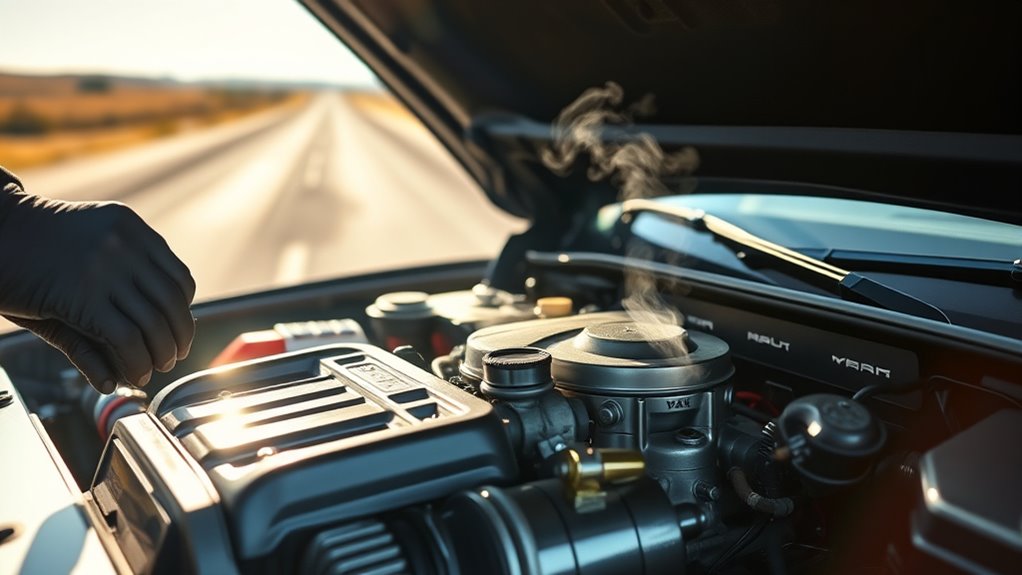
Although it might be tempting to push your new car’s engine to the limit right away, taking the time to break it in properly guarantees better performance and longevity. When you break in your engine carefully, you help the internal components settle smoothly, which increases engine durability.
This process prevents premature wear and reduces the risk of costly repairs down the road. Proper break-in also improves fuel efficiency because the engine operates more smoothly and consistently.
When parts fit and function ideally, your car uses fuel more effectively, saving you money and reducing emissions. Skipping this step, or rushing it, can cause uneven wear and strain, leading to decreased performance and higher fuel consumption.
Quick Overview: 7 Steps to Break In Your New Engine
Now that you understand why breaking in your engine carefully matters, let’s look at the specific steps you need to follow. Managing engine noise and respecting the break in duration are vital for long-term performance.
Here’s a quick overview of the 7 essential steps:
| Step Number | Action | Important Tip |
|---|---|---|
| 1 | Avoid full throttle | Prevent excessive engine noise |
| 2 | Vary engine speed | Helps proper piston seating |
| 3 | Limit high RPMs | Keeps engine stress low |
| 4 | Monitor engine noise | Detect unusual sounds early |
| 5 | Change oil early | Remove initial metal particles |
| 6 | Check coolant levels | Prevent overheating |
| 7 | Follow break in duration | Usually first 500 miles |
Start Driving Gently During the First 500 Miles
When you start driving your new car, take it easy during the first 500 miles to allow the engine components to settle properly. Avoid sudden acceleration or heavy loads to prevent unnecessary stress on the engine.
Keep an eye on your tire pressure, making sure it’s at the recommended level to maintain smooth handling and protect your tires from early wear. Proper tire pressure also helps create a quieter ride, which makes your interior more comfortable as you get used to the car.
Monitor tire pressure to ensure smooth handling, prevent premature wear, and enjoy a quieter, more comfortable ride.
During this break-in period, drive smoothly and avoid long idling sessions. This helps the engine oil circulate effectively, reducing friction and wear.
You’ll notice that maintaining steady, gentle driving not only protects the engine but also makes your overall driving experience more comfortable. By giving your car this careful attention early on, you’re setting it up for long-lasting performance and reliability.
Vary Your Speed While Breaking In Your New Engine
As you break in your new engine, varying your speed helps the internal components wear evenly and settle properly. Keeping a steady pace might feel comfortable, but mixing up your speeds prevents uneven wear and improves engine longevity.
While doing this, make sure your tire pressure is at the recommended level to maintain safe handling during speed changes. Also, adjust your settings to maintain interior comfort, so you stay relaxed and focused.
To vary your speed effectively, try these tips:
- Alternate between moderate acceleration and gentle deceleration to avoid constant strain.
- Use different road types, like highways and city streets, to naturally change your pace.
- Avoid long periods of idling or cruising at one speed, as it limits optimal engine break-in.
Avoid Full Throttle and High RPMs During Break-In
Varying your speed helps your engine parts settle, but it’s just as important to steer clear of full throttle and high RPMs during the break-in period. Avoid aggressive acceleration, as it puts unnecessary stress on the engine components before they’ve fully seated.
Pushing your new engine to constant high RPMs can cause excessive heat and wear, hindering the proper mating of piston rings and cylinder walls. Instead, keep your engine speed moderate and avoid sudden, hard throttle inputs.
This cautious approach prevents premature damage and promotes smooth engine performance in the long run. Remember, the goal during break-in is to allow all moving parts to adapt to each other gently, rather than forcing them under extreme conditions.
Change Engine Oil After the Initial Break-In Period
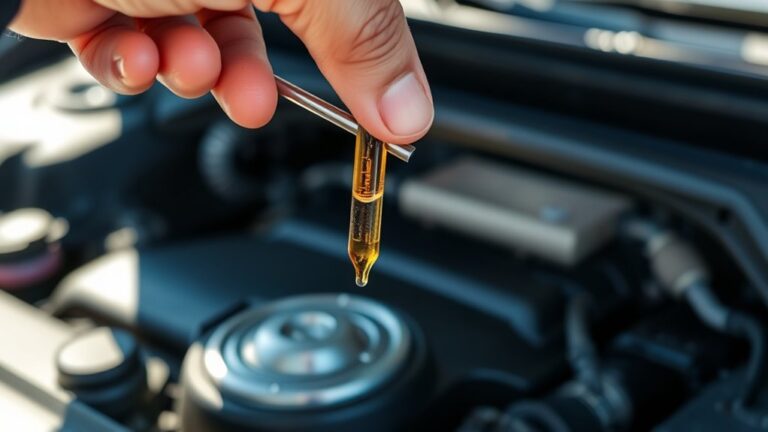
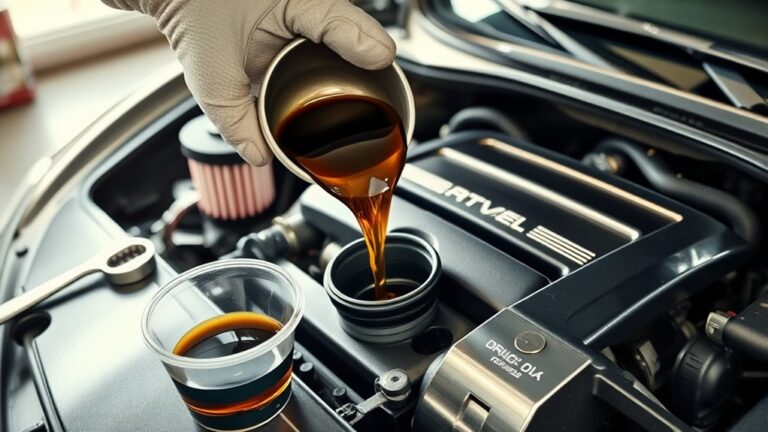
Though it might seem tempting to skip this step, changing your engine oil after the initial break-in period is essential for maintaining engine health. During the break-in, tiny metal particles from new engine components accumulate in the oil. If left unchanged, these contaminants can cause premature wear and damage.
Switching to high-quality synthetic oils after this period helps protect your engine by providing better lubrication and stability under various temperatures.
Here’s why you shouldn’t delay this oil change:
- Removes metal debris that naturally builds up during break-in
- Ensures optimal engine performance and longevity
- Keeps your engine warranties valid by following manufacturer recommendations
Keep Fluids Topped Up and Monitor Engine Health
You’ll want to check your fluid levels regularly to keep your engine running smoothly. It’s a simple step, but it makes a big difference. Also, keep an ear out for any unusual noises or watch for warning lights on your dashboard. Catching those early signs can help you address problems before they become serious. Staying on top of these tasks is key to protecting your engine, especially during its critical break-in period.
Regular Fluid Level Checks
Since a new engine depends heavily on proper lubrication and cooling, keeping all fluid levels topped up is essential to its health. Regularly checking your oil filtration system guarantees contaminants don’t build up, protecting your engine’s internal parts.
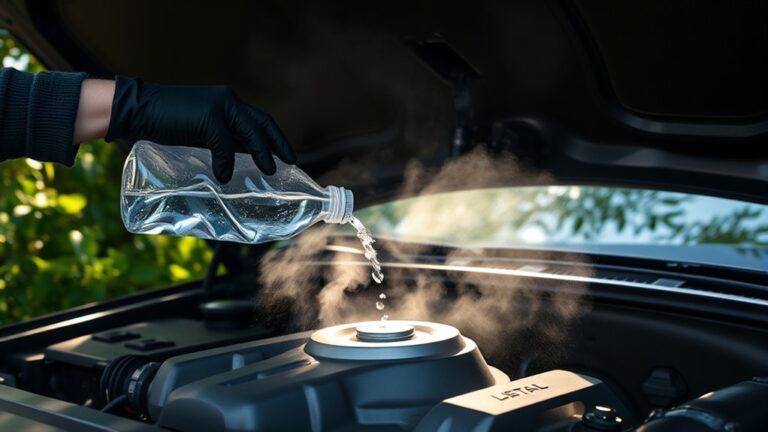
Maintaining proper coolant levels prevents overheating, which can cause serious damage during the break-in period. To stay on top of fluid maintenance, focus on these key areas:
- Monitor oil levels and change filters as recommended
- Check coolant levels frequently, especially after long drives
- Inspect transmission and brake fluids for proper levels and clarity
Early Engine Warning Signs
If you notice unusual noises, vibrations, or warning lights during your new engine’s break-in period, don’t overlook them. These early engine warning signs, like increased engine noise or unexpected oil consumption, signal you to act quickly.
Keeping fluids topped up and monitoring engine health helps prevent long-term damage.
| Symptom | Possible Cause | Action Required |
|---|---|---|
| Loud engine noise | Improper lubrication | Check oil level, top up |
| Excessive oil consumption | Worn piston rings | Inspect engine, consult mechanic |
| Warning lights | Sensor alerts | Diagnose with OBD scanner |
Act promptly to protect your new engine and ensure a smooth break-in process.
Frequently Asked Questions
Can I Use Synthetic Oil During the Engine Break-In Period?
Yes, you can use synthetic oil during the engine break-in period, but many recommend starting with conventional oil first. Synthetic oil benefits include better engine wear reduction and improved lubrication, which can protect your engine from early damage.
However, conventional oil allows small engine parts to wear in properly. After the initial break-in, switching to synthetic oil helps maintain engine performance and longevity. Always check your manufacturer’s guidelines before deciding.
How Does Break-In Affect My Car’s Warranty Coverage?
Think of break-in as the gentle handshake between you and your car’s heart. How you treat this phase directly impacts your warranty coverage.
If you ignore proper break-in steps, you risk voiding it because excessive oil consumption or premature wear might occur. Following break-in guidelines guarantees your engine lifespan extends and your warranty stays intact.
You’re fundamentally protecting your investment by respecting those vital early miles.
Should I Avoid Using Cruise Control During the Break-In?
Yes, you should avoid using cruise control during the break-in period. Cruise control keeps your engine running at a constant speed, which can increase engine wear because it doesn’t allow the engine to experience the varied RPMs needed for proper seating of components.
Instead, you want to drive with varying speeds and avoid prolonged steady speeds. This helps your engine parts wear in evenly and last longer.
Is It Necessary to Warm up the Engine Before Driving?
You don’t need to wait like it’s the dawn of the automobile era; modern engines warm up quickly. Just start your car and drive gently to bring the engine temperature up. This helps the oil viscosity improve, ensuring it flows properly to lubricate moving parts.
Avoid revving the engine hard while it’s cold, but you don’t have to idle for long. Let the engine and oil warm naturally as you drive smoothly.
Can Towing a Trailer Damage a New Engine During Break-In?
Yes, towing a trailer during your new engine’s break-in period can cause engine damage. You’ll put extra strain on the engine, which hasn’t fully settled yet.
Trailer towing increases heat and stress, potentially leading to premature wear. To protect your engine, avoid heavy loads and keep RPMs moderate while breaking it in.
This way, you’ll reduce the risk of damage and help your engine last longer.
Conclusion
You might think taking it slow with your new engine is just extra hassle, but imagine cruising smoothly down the highway, knowing your car’s running at peak performance without a hitch. Following these simple break-in steps guarantees your engine lasts longer and saves you costly repairs.
It’s worth a little patience now for years of reliable, powerful drives ahead. Trust the process. It’s the best way to protect your investment and enjoy every mile with your new car engine.