Break in Your New Car Engine Properly In 10 Easy Steps
Break in Your New Car Engine can feel overwhelming, especially if you want to ensure your vehicle runs smoothly for years. You’re not alone—many people struggle with knowing the right steps to protect their investment. Getting it wrong might lead to poor performance or costly repairs down the road.
To break in your new car engine properly, start by following the manufacturer’s guidelines and preparing your engine with fluid checks and inspections. Avoid high RPMs and heavy loads during the first 500 miles, vary your speed, and don’t let the engine idle too long.
Keep an eye on the temperature and change the oil early after the break-in period. Maintaining these steps guarantees lasting performance and reliability. Keep going to find out how to protect your engine best.
Break in Your New Car Engine Key Takeaways
- Vary engine RPM between 1000 and 4000 during your initial drives. This helps ensure proper seating of the moving parts.
- Avoid high RPMs, rapid acceleration, and heavy loads for the first 500 to 1000 miles.
- Regularly monitor engine temperature and keep an eye on the cooling system to prevent overheating.
- Change the engine oil early after the break-in period to get rid of metal particles.
- Always follow the vehicle manufacturer’s specific break-in guidelines and recommended maintenance routines.
Why Proper Engine Break-In Matters
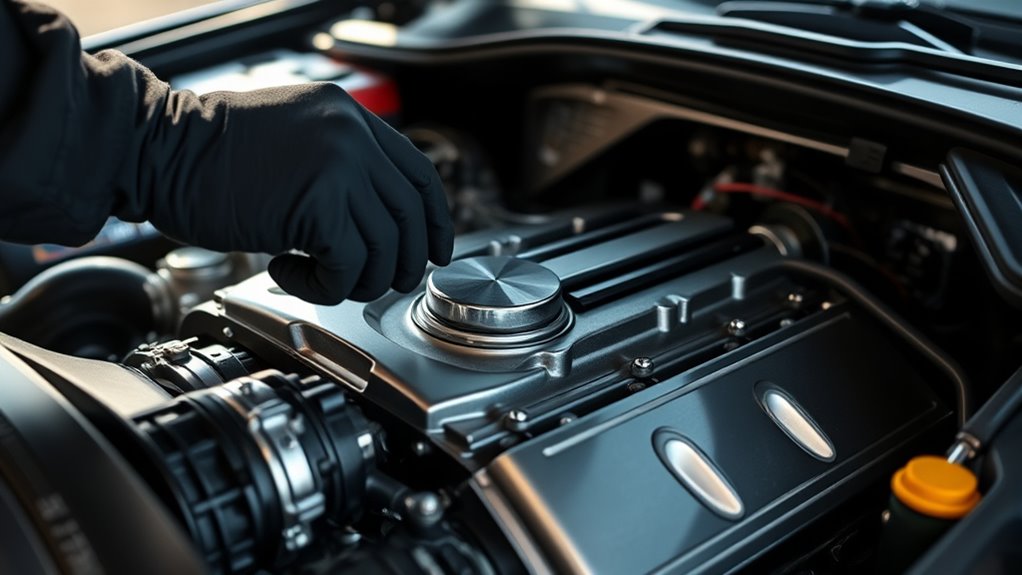
Although it might seem like just a routine step, breaking in your new car engine properly is vital for its long-term performance and reliability. When you take the time to break in your engine, you guarantee that all the moving parts seat correctly, reducing wear and tear.
Properly breaking in your new engine ensures optimal performance and reduces early wear for lasting reliability.
You’ll notice the engine sound stabilizing as components mesh smoothly, indicating a well-settled engine. Ignoring this step can lead to uneven wear, which affects engine efficiency and increases emission levels over time.
Higher emissions not only harm the environment but can also cause your car to fail emissions tests. By carefully managing engine speed and load during the break-in period, you help maintain ideal combustion and prevent damage to critical parts.
This early care sets the stage for better fuel economy, lower maintenance costs, and a longer-lasting engine. Taking these simple precautions pays off with improved engine sound quality and cleaner emissions as your car ages.
Follow Manufacturer’s Break-In Guidelines
You’ll want to carefully review your car’s specific break-in recommendations to get it right. Sticking to the limits set by the manufacturer helps protect your engine and guarantees ideal performance.
Keep in mind, different models may require some adjustments, so it’s important to follow the guidelines closely. That way, you’re giving your engine the best start possible.
Understand Specific Recommendations
When breaking in your new car engine, following the manufacturer’s specific recommendations is vital to guarantee peak performance and longevity. These guidelines often detail ideal driving speeds, RPM ranges, and timeframes for the break-in period. Ignoring them can lead to premature wear or void warranties.
Pay close attention to instructions about engine tuning and resist the urge to add aftermarket modifications too soon. Your engine needs time to settle with factory settings before any alterations.
Importance of Following Limits
Following the manufacturer’s specific recommendations sets the foundation, but sticking to the exact limits they provide is what truly protects your new engine. When you respect these limits, like RPM ranges and speed, you prevent excessive engine noise, which signals undue stress on components.
Ignoring these boundaries can lead to premature wear or damage, defeating the purpose of a proper break-in. You should also monitor the cooling system closely during this period. Keeping the engine temperature stable ensures components settle correctly without overheating.
Adjustments for Different Models
How do you guarantee the break-in process suits your specific vehicle model? Start by following the manufacturer’s break-in guidelines carefully. Each vehicle requires model specific tuning to optimize engine performance and longevity.
Ignoring these instructions can lead to improper wear or damage. Pay close attention to recommended RPM ranges, speed limits, and oil change intervals designed for your engine type.
Incorporate custom maintenance routines that align with your car’s unique needs, especially if it’s a high-performance or luxury model. Consulting the owner’s manual and, if possible, a dealership service expert ensures you apply the correct adjustments.
Prepare Your Engine Before Break-In
Before you start breaking in your new engine, make sure to carefully check all the fluid levels. You want to ensure the oil, coolant, and other essential fluids are at the right levels and free from any contaminants.
Also, take a good look at the engine components to confirm everything is properly installed and secure. It’s always better to double-check now than to run into problems later.
Inspect Fluid Levels
Why should you inspect your car’s fluid levels before breaking in the engine? Checking fluids guarantees everything runs smoothly during the critical break-in period.
Start by verifying the oil quality. New engines depend on clean, high-quality oil for proper lubrication and to prevent premature wear. Next, look for any fluid leaks under the vehicle or around the engine. Even a small leak can lead to low fluid levels, risking damage during break-in.
Don’t forget to check the coolant, brake fluid, and transmission fluid, as these all play important roles in engine performance and safety. Maintaining proper fluid levels and quality helps your engine settle in correctly, avoiding complications and ensuring peak performance throughout its lifespan.
Check Engine Components
Although you’ve inspected the fluids, you still need to check key engine components to guarantee everything’s ready for the break-in process. Start by examining belts, hoses, and wiring for any signs of engine component wear or damage. Even minor issues can escalate during break-in, so catch them early.
Use diagnostic tools to scan for any error codes or potential problems your eyes might miss. These tools provide insights into the engine’s electronic systems and help confirm that sensors and controls function properly.
Don’t forget to inspect the air filter and spark plugs, ensuring they’re clean and correctly installed. Taking these steps prevents unnecessary stress on your new engine and helps establish a solid foundation for its longevity during the critical break-in period.
Avoid High RPMs in First 500 Miles
Since the engine is still settling in during the first 500 miles, you’ll want to avoid pushing it to high RPMs. Revving the engine aggressively can strain new components and interfere with proper engine tuning.
Keeping RPMs moderate helps the engine parts wear in smoothly, ensuring they fit together as designed. This careful approach also supports *ideal* fuel efficiency early on, preventing excessive fuel consumption caused by hard acceleration.
By maintaining lower engine speeds, you give the internal components time to bed in, promoting long-term durability. Avoiding high RPMs during this critical period reduces the risk of premature wear and helps the engine reach its peak performance faster.
Vary Your Speed to Prevent Wear
Don’t keep your speed constant during the break-in period. Instead, try changing your acceleration levels and use different RPM ranges. This helps the engine parts seat properly. By mixing things up a bit, you reduce wear and help your engine last longer.
Avoid Constant Speeds
When you drive your new car, varying your speed helps the engine break in more evenly and reduces wear on its components. Avoid cruising at a constant speed for long periods, as this can cause uneven wear. Instead, gently change your speed within legal limits.
Checking tire pressure regularly complements this by ensuring your car handles well during speed changes. Also, keep up with interior maintenance to avoid distractions while driving, letting you focus on smooth speed variations.
| Tip | Benefit |
|---|---|
| Avoid constant speeds | Prevents uneven engine wear |
| Check tire pressure | Ensures proper handling |
| Maintain interior | Keeps focus while driving |
This approach helps your engine stay healthy and your driving experience smooth.
Alternate Between Acceleration Levels
Varying your speed is a great start, but you should also alternate between different acceleration levels to protect your new engine. When you accelerate gently and then more firmly at times, you help the engine components wear in evenly.
This approach improves engine performance by preventing overheating and reducing stress on essential parts. Constant, steady acceleration can cause uneven wear, leading to early issues and costly repairs.
By mixing up how you press the gas pedal, you promote better oil circulation and smoother operation. This practice is a key part of proper vehicle maintenance during the break-in period.
Use Varied RPM Ranges
Although it might be tempting to keep your engine at a steady RPM, shifting through a range of speeds helps your new engine parts settle in properly. Varying RPM prevents uneven wear and ensures better engine tuning down the line.
Avoid prolonged idling or constant high RPM to protect components, especially if you plan exhaust modifications later.
| RPM Range | Duration | Purpose |
|---|---|---|
| Low (1000-2000) | 5-10 minutes | Warm-up and gentle wear-in |
| Medium (2000-3000) | 10-15 minutes | Moderate load for tuning |
| High (3000-4000) | Short bursts | Stress test, avoid prolonged |
Keep Engine Loads Light While Driving
Since your engine is still fresh, you’ll want to avoid putting heavy loads on it during the break-in period. This means steering clear of rapid acceleration, towing, or carrying heavy cargo. Keeping engine loads light helps the internal components wear in smoothly and prevents unnecessary stress.
Make sure your tire pressure is properly inflated to the manufacturer’s recommended levels; this reduces rolling resistance and eases the engine’s effort during driving. Furthermore, try to maintain a moderate cabin comfort setting. Avoid using maximum air conditioning or heating, as these systems can add extra load to the engine.
Avoid Long Engine Idling During Break-In
When you’re breaking in your new car engine, avoid long periods of idling because it can cause uneven wear and prevent proper seating of engine components. Idling keeps the engine running at a low temperature and low load, which doesn’t allow parts to expand and fit together as designed.
This can lead to increased engine noise and higher oil consumption, both signs that your engine isn’t breaking in as it should. Instead, aim to keep your engine moving gently rather than sitting still for extended times. Frequent stops with long idling can also cause carbon buildup, further affecting performance.
Keep an Eye on Engine Temperature
Keeping your engine moving gently also means paying close attention to its temperature. Monitoring the engine temperature is vital during the break-in period to prevent overheating and guarantee the cooling system functions properly. You want to maintain an ideal temperature range to protect your engine’s internal components.
Gently monitoring engine temperature during break-in prevents overheating and ensures the cooling system works effectively.
Here’s what you should do:
- Check the temperature gauge regularly while driving.
- Avoid pushing the engine hard if the temperature rises too quickly.
- Make certain the cooling system is working efficiently by watching for any warning lights.
- Keep an eye out for unusual smells or steam, which indicate overheating.
- Allow the engine to cool down naturally if it gets too hot before driving again.
Change Engine Oil Early After Break-In
Although your new engine has been treated gently so far, you’ll want to change the engine oil earlier than usual to remove any metal particles and contaminants that accumulate during the break-in period. These microscopic metal shavings result from initial wear as engine components settle into place.
Waiting too long risks these particles causing damage or increased wear.
Pay close attention to the engine oil quality you use for this early change. Opt for a high-quality oil recommended by your manufacturer to guarantee ideal lubrication and protection.
The break-in duration usually spans the first 1,000 miles or as specified in your owner’s manual, so plan your oil change around this timeframe.
Changing the oil promptly after the break-in duration helps maintain engine health and performance long term. It’s a simple but essential step to safeguard your investment and keep your new car running smoothly well beyond the break-in phase.
Check Engine Fluids Regularly During Break-In
After changing your engine oil early in the break-in period, you’ll want to keep a close eye on all your engine fluids. Regular checks make certain your new engine runs smoothly and avoids damage. Pay attention to:
- Engine oil level and quality to maintain proper lubrication.
- Coolant level to prevent overheating during these critical first miles.
- Transmission fluid for smooth gear shifts and longevity.
- Brake fluid to ensure safe stopping power.
- Power steering fluid to avoid steering issues.
While monitoring fluids, don’t forget about related maintenance areas like tire pressure, which affects overall vehicle performance and fuel efficiency. Also, keep your cabin filtration clean to ensure a healthy environment inside your car. This prevents dust and contaminants from affecting your comfort during those initial drives.
Frequently Asked Questions
Can I Use Synthetic Oil During the Engine Break-In Period?
You can use synthetic oil during the engine break-in period, but it’s usually better to follow your manufacturer’s recommendation. Synthetic oil benefits include superior lubrication and cleaner engine performance, which can contribute to engine longevity.
However, some experts suggest conventional oil helps new engine parts wear in properly. If you want to use synthetic, make sure it’s a high-quality type designed for break-in or consult your mechanic to avoid voiding warranties.
How Does Break-In Differ for Electric or Hybrid Engines?
You might think breaking in an electric or hybrid engine is the same as a gas one, but it’s quite different. For these vehicles, you focus more on managing battery longevity and the cooling system rather than engine wear.
You’ll want to avoid extreme speeds and heavy loads early on to protect the battery. Also, keeping the cooling system functioning properly helps maintain peak performance and extends the life of your hybrid or electric powertrain.
What Are Common Signs of Improper Engine Break-In?
You’ll notice common signs of improper engine break-in like fluctuating engine temperature and increased oil consumption. If your engine runs hotter than usual or the temperature gauge swings erratically, it could mean parts didn’t seat correctly.
Also, if you have to top off oil frequently, that’s a red flag. These issues can lead to reduced engine performance and longevity, so keeping an eye on these signs is essential.
Is It Necessary to Break in a Used or Rebuilt Engine?
Yes, you should break in a used or rebuilt engine to guarantee engine longevity and improve fuel efficiency. Even though it’s not brand new, proper break-in helps the components seat correctly and reduces wear.
If you skip this step, you risk shortening your engine’s life and hurting performance. So, take it easy during the first few hundred miles, avoid heavy loads, and keep RPMs moderate to protect your investment.
How Long Should I Wait Before Towing or Heavy Hauling?
You should wait at least 1,000 miles before towing or heavy hauling to guarantee your engine temperature stabilizes and oil viscosity settles properly. This allows the engine components to bed in and the oil to coat parts effectively, reducing wear.
Avoid pushing your car too hard until the engine reaches ideal temperature consistently and the oil maintains its protective qualities. Doing this helps extend your engine’s life and performance.
Conclusion
Just like a master chef perfects a recipe by following each step carefully, you’ll guarantee your new engine runs smoothly by breaking it in right. Stick to the manufacturer’s guidelines, avoid pushing it too hard early on, and keep a close eye on fluids and temperature.
With patience and care, your engine will reward you with lasting performance and reliability, much like a well-tuned symphony playing flawlessly for years to come. Properly breaking in your new car engine is the key to achieving that dependable performance.