How to Wash Your Engine at the Car Wash in 5 Easy Steps
How to Wash Your Engine at the Car Wash: If you’ve ever tried washing your engine at the car wash, you know it can feel tricky and even a bit intimidating. You’re not alone—many people struggle with knowing how to clean their engine properly without causing damage.
The good news is, with the right tools and a simple process, you can get your engine looking great and running smoothly.
To wash your engine at the car wash, first gather a quality engine degreaser, soft brush, and microfiber cloths. Make sure your engine is cool and cover sensitive parts like the alternator and battery terminals.
Use a gentle spray to rinse off dirt, apply degreaser, scrub lightly, then rinse carefully again. Dry thoroughly with towels and let the engine air out before starting it.
Keep going to uncover tips on protecting your engine and spotting issues after the wash.
How to Wash Your Engine Key Takeaways
- Ensure the engine is cool and protect sensitive parts with plastic covers. Also, disconnect the battery before cleaning.
- Rinse the engine gently with low-pressure water, being careful to avoid electrical components and air intakes.
- Apply a quality engine degreaser and let it sit. Then, scrub stubborn grime with a soft-bristle brush.
- Rinse thoroughly with low water pressure to remove all cleaner residue without damaging components.
- Dry the engine using compressed air and microfiber towels. After that, let it air dry for at least 30 minutes before starting.
Choose the Right Tools and Products for Engine Washing
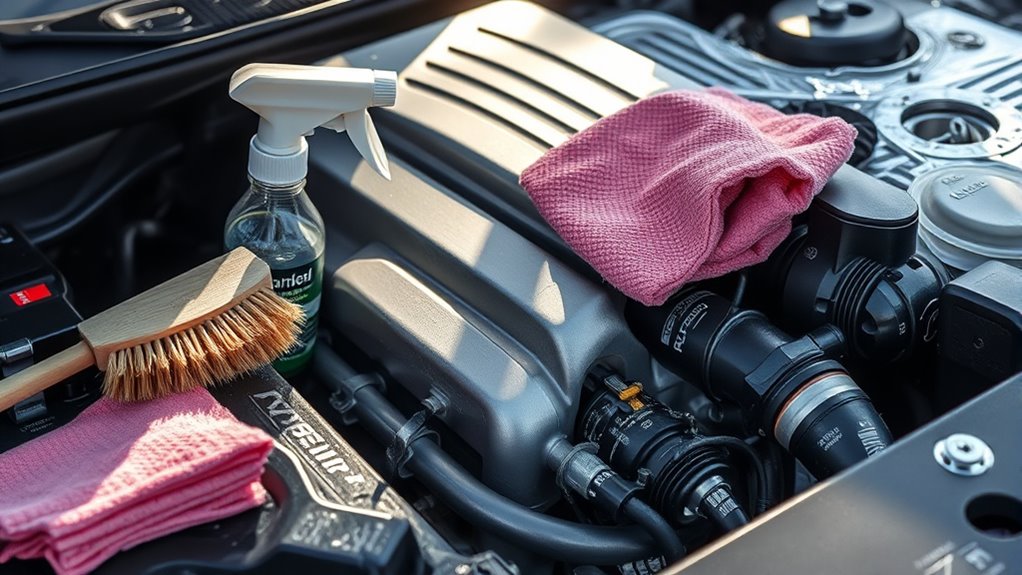
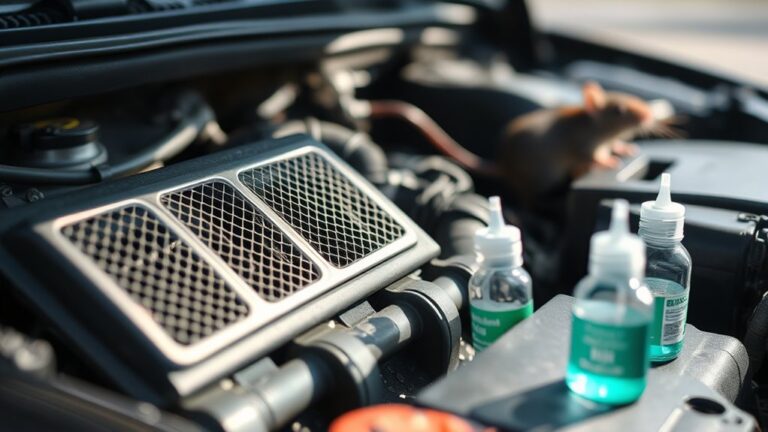
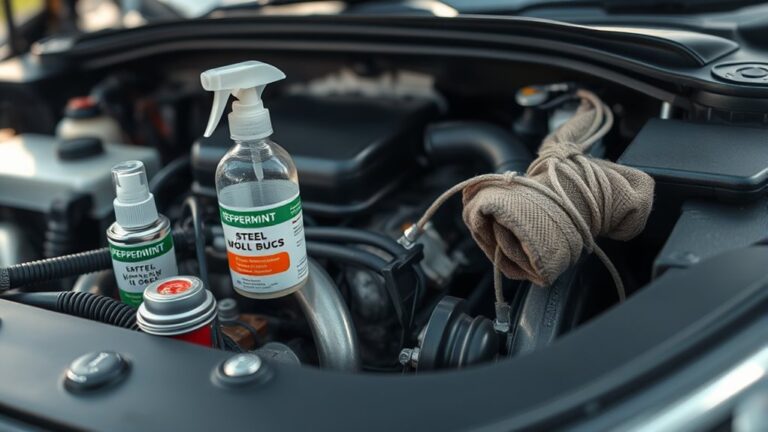
Before you begin washing your engine, you need to gather the right tools and products to guarantee an effective and safe clean. Start by selecting a quality engine degreasing product specifically designed to break down grease and grime without damaging components.
Chemical cleaners formulated for engine use are your best bet. They’re powerful yet safe when used as directed. Avoid household cleaners, as they can harm sensitive parts.
You’ll also want a soft-bristle brush to help agitate the degreaser and remove stubborn dirt without scratching surfaces. A microfiber cloth is essential for wiping down and drying after rinsing.
Consider using a plastic scraper for tough deposits, but be gentle to avoid damage. In conclusion, a gentle spray nozzle or pressure washer set to low pressure will help rinse off the chemical cleaners thoroughly.
Gathering these tools ensures you can clean your engine effectively while protecting its delicate components.
Prepare Your Engine and Protect Sensitive Parts
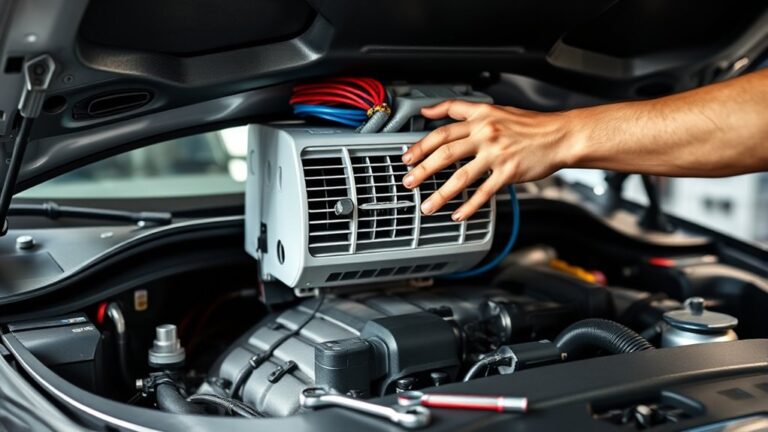
While your engine is still cool, take the time to cover sensitive parts like the alternator, air intake, and electrical connections with plastic bags or waterproof tape to prevent water damage. These components are vulnerable and can cause costly repairs if exposed to water during engine cleaning. Make sure the bags or tape are secure but easy to remove afterward.
Next, disconnect the battery terminals to avoid electrical shorts. Check for any loose wires or damaged hoses and secure or replace them before you begin. Removing debris like leaves and dirt from the engine bay will also improve cleaning results.
How to Wash Your Engine at the Car Wash
When you head to the car wash, use a gentle spray setting to avoid damaging delicate engine components. Make sure your engine is cool; high engine temperature combined with water pressure can cause cracks or other damage.
Start by rinsing off loose dirt with low water pressure, focusing on the engine bay. Avoid directing water at sensitive electrical parts or air intakes.
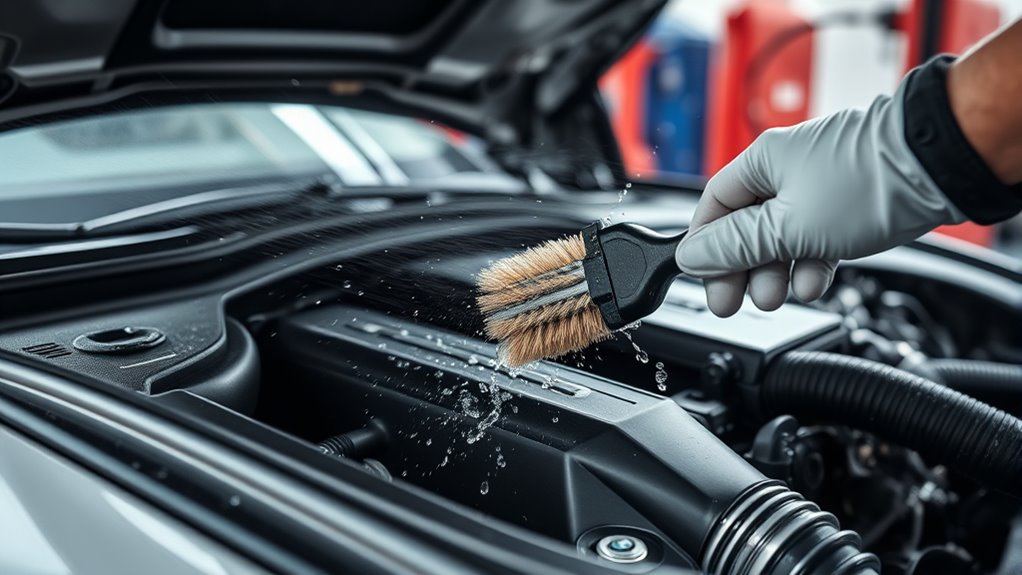
Next, apply a degreaser or engine cleaner specifically designed for car engines, letting it sit for a few minutes to break down grime. Use a soft brush to gently scrub stubborn dirt without forcing water into tight spaces.
Rinse thoroughly but carefully, maintaining low water pressure throughout the process.
Dry Your Engine Thoroughly After Washing
Although rinsing removes most of the grime, you’ll need to dry your engine thoroughly to prevent moisture from causing corrosion or electrical issues. Start by ensuring the engine temperature is cool enough to avoid warping or damage when drying. Using the right chemical selection during washing reduces residue that can trap moisture, making drying easier and more effective.
To dry your engine properly:
Use compressed air or a leaf blower to remove water from tight spots and electrical components. Wipe accessible surfaces with microfiber towels to absorb excess moisture. Open the hood and let the engine air dry for at least 30 minutes in a warm, dry environment. Avoid starting the engine immediately to prevent trapped moisture from causing shorts or rust.
Drying thoroughly protects your engine’s longevity and performance, keeping it clean and ready to run smoothly.
Inspect Your Engine for Issues Post-Wash
After washing and drying your engine, you should carefully inspect it for any signs of damage or lingering issues that might affect performance. Start by checking around the engine coolant reservoir for leaks or cracks. Wash water can sometimes loosen clamps or seals.
Next, look for oil leaks on the engine block or underneath your vehicle. Water pressure might have dislodged worn gaskets or seals. Pay close attention to electrical connections and wiring to confirm they remain dry and intact since moisture can cause shorts or corrosion.
Don’t forget to inspect hoses and belts for any signs of wear or damage exposed by the wash. If you notice any fluid leaks or damaged components, address them promptly to avoid costly repairs. Taking a few minutes to perform this post-wash inspection helps maintain your engine’s reliability and guarantees the wash didn’t cause unintended issues.
Frequently Asked Questions
Can Engine Washing Improve My Car’s Fuel Efficiency?
Yes, engine cleaning can improve your car’s fuel economy, but only slightly. When you clean your engine, you remove dirt and grime that might cause it to run hotter or less efficiently.
Keeping your engine clean helps it perform better, which can lead to smoother operation and potentially better fuel efficiency. However, don’t expect huge gains. Regular maintenance and driving habits have a bigger impact on fuel economy than just engine cleaning.
How Often Should I Wash My Engine for Optimal Maintenance?
You should wash your engine every 6 to 12 months for ideal maintenance. Regular engine degreasing helps prevent buildup that can cause overheating or damage. Using eco-friendly cleaning products guarantees you’re protecting the environment while keeping your engine in top shape.
If you drive in harsh conditions or off-road often, consider washing it more frequently. Staying consistent with this routine keeps your engine running smoothly and extends its lifespan.
Is It Safe to Wash an Engine in Cold Weather?
Is it really wise to wash your engine in cold weather? No, it’s generally not safe because ice formation can occur, causing damage to sensitive components.
Plus, the moisture combined with low temperatures increases the risk of chemical corrosion on metal parts. You’ll want to wait for warmer conditions or take extra precautions like using a gentle cleaner and drying thoroughly to avoid these issues and keep your engine running smoothly.
Can Engine Washing Prevent Overheating Issues?
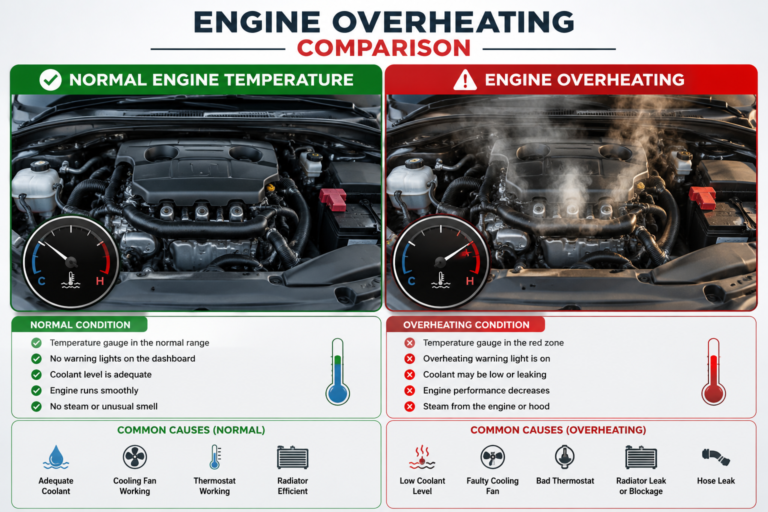
Yes, washing your engine can help prevent overheating issues by improving dirt removal, which allows heat to dissipate more efficiently. When dirt and grime build up, they act as insulation, trapping heat and increasing the risk of overheating.
Plus, regular cleaning reduces engine corrosion by removing harmful debris and moisture. Just make sure to clean carefully to avoid damaging sensitive components, and you’ll keep your engine running cooler and more reliably.
Are There Any Engine Types That Shouldn’T Be Washed?
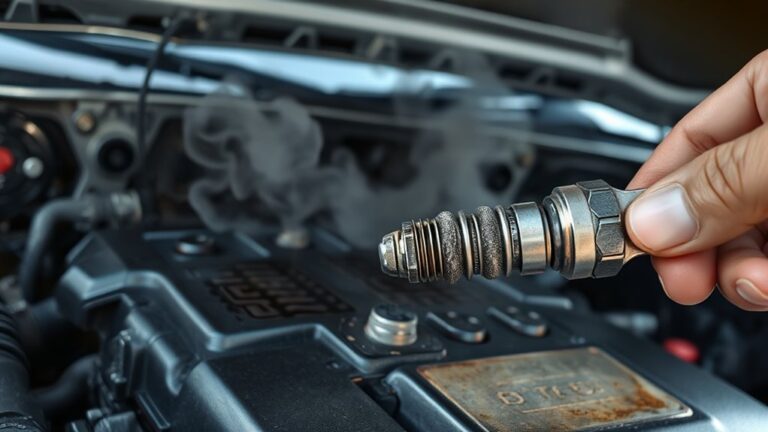
Some engines are like delicate flowers in a storm; you shouldn’t wash them aggressively. If you have vintage or exposed electrical systems, washing might harm spark plug maintenance or hide oil leak detection. You want to protect those sensitive parts, so be cautious.
Instead, clean gently with a damp cloth, ensuring you don’t disrupt essential components. Remember, not all engines handle a full wash well, so always check your manual first.
Conclusion
Washing your engine might seem risky, but with the right tools and careful steps, it’s surprisingly safe and rewarding. While some might avoid it fearing damage, you’ll find that protecting sensitive parts and drying thoroughly transforms a messy engine into a clean, efficient powerhouse.
Don’t let hesitation hold you back. Embrace the balance between caution and confidence and give your engine the care it deserves at the car wash. Washing your engine at the car wash is easier than you think and well worth the effort.