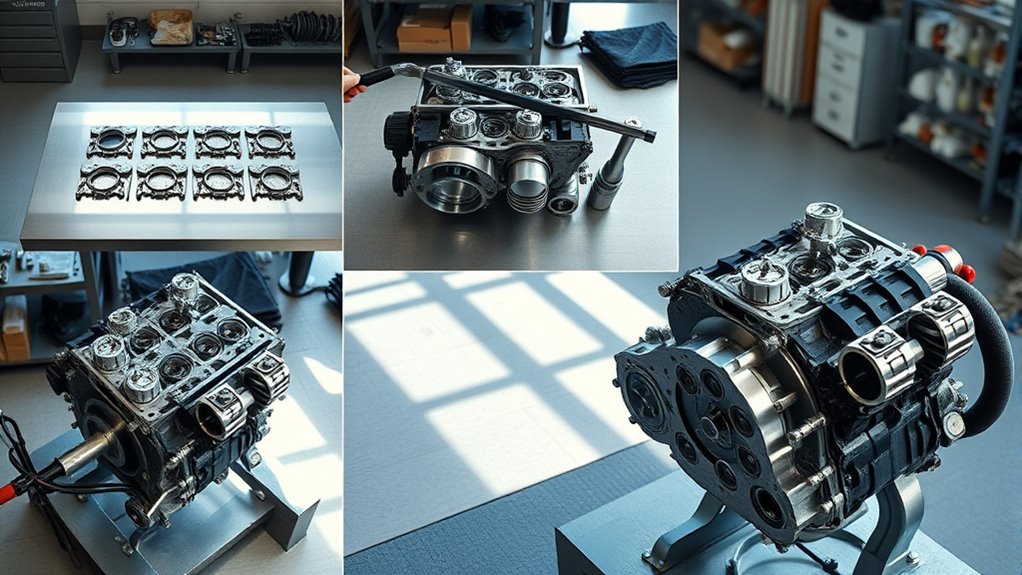
How to Build a Car Engine in 5 Easy Steps
If you’ve ever dreamed of building your own car engine but felt overwhelmed by the complexity, you’re not alone. Many people struggle with where to start and how to piece everything together without missing crucial steps.
The good news? Building a car engine can be broken down into manageable parts that make the process less intimidating and more rewarding.
To build a car engine in five simple steps, start by gathering all essential parts like the engine block, pistons, and tools.
Clean and inspect the engine block, ensuring all components like the oil and water pumps are ready.
Next, assemble the crankshaft, pistons, and cylinder head, tightening bolts to the right torque.
Then install the camshaft, timing belt, and valvetrain, carefully adjusting timing and clearances.
Finally, test the engine, fine-tune fuel and ignition, and prepare for peak performance.
Keep going to uncover the detailed process.
How to Build a Car Engine Key Takeaways
- Gather essential engine parts and tools, including the engine block, pistons, crankshaft, torque wrench, and precision measuring tools. Make sure you have everything before you start to keep the process smooth.
- Clean and inspect the engine block and components for any damage. It’s important to ensure that the cooling and oil systems are clear and fully functional to avoid issues later.
- Assemble the crankshaft, pistons, and cylinder heads. Tighten bolts to the specified torque to ensure proper sealing and compression, which is crucial for engine performance.
- Install the camshaft, valve train, and timing belt. Align the timing marks carefully and adjust the valve clearance precisely for the engine to run correctly.
- Test the assembled engine by starting it up. Listen for any unusual noises, optimize the fuel and ignition settings, and perform emission tests to make sure everything is working as it should.
Understand and Gather Essential Car Engine Parts and Tools
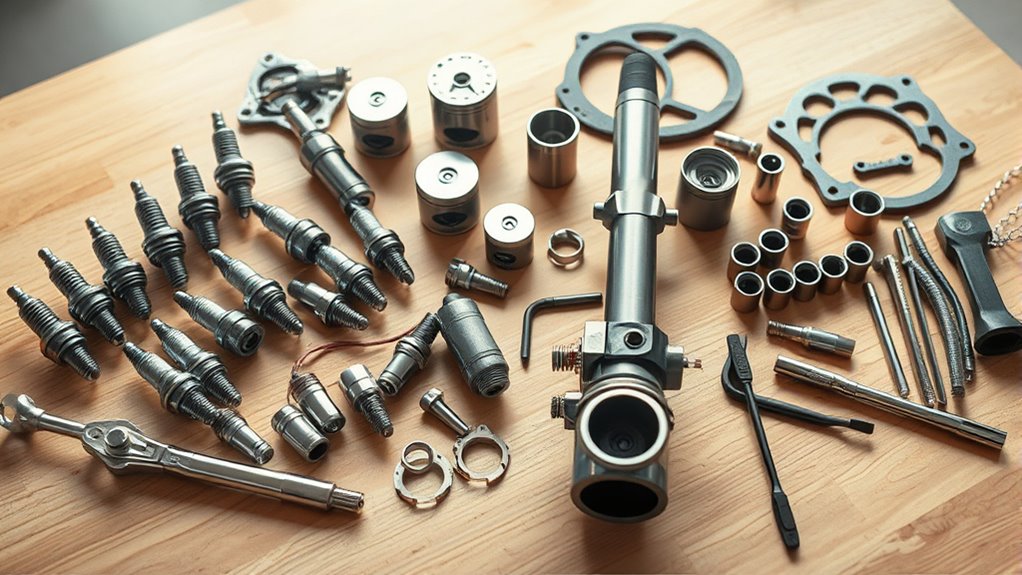
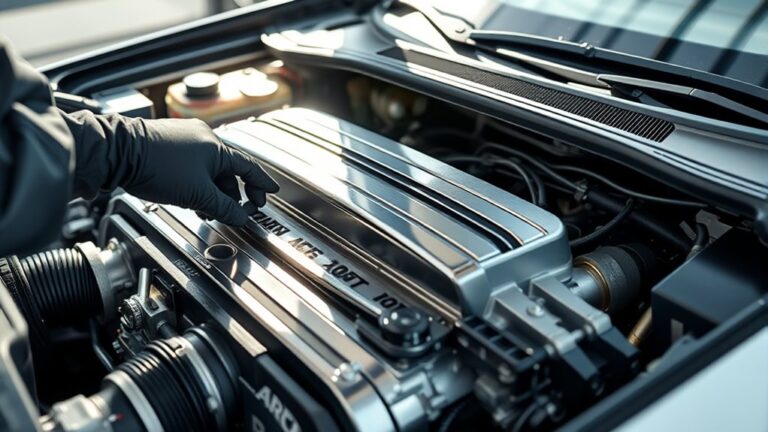
Before you begin building your car engine, you need to understand the essential parts and tools required for the job. You’ll want to gather major components like the engine block, pistons, crankshaft, and cylinder heads.
Don’t forget the fuel injection system, which controls fuel delivery for efficient combustion. The exhaust system is also critical, as it channels gases away from the engine and reduces emissions.
In terms of tools, make sure you have a quality socket set, torque wrench, screwdrivers, and pliers. Precision measuring tools like a micrometer and feeler gauge help verify proper clearances.
A clean workspace is essential to keep parts organized and prevent contamination. Understanding each component’s role will make assembling smoother and help you troubleshoot issues later.
Once you’ve gathered these parts and tools, you’re ready to move on to preparing the engine block and components for assembly.
Get the Engine Block and Components Ready
Although gathering all parts is vital, you now need to focus on preparing the engine block and components for assembly. Start by thoroughly cleaning the engine block to remove any debris or residue that could interfere with engine lubrication or damage internal parts.
Begin by meticulously cleaning the engine block to ensure optimal lubrication and protect internal components.
Inspect the block carefully for cracks or imperfections, especially around the cylinder walls and mounting surfaces. Next, check the cooling system passages within the block to confirm they’re clear and free of obstructions. This step is essential to maintain proper engine temperature once running.
You should also prepare key components like the oil pump and water pump, ensuring they’re in good condition and ready to support engine lubrication and cooling system functions. Finally, lightly lubricate moving parts and surfaces that will interact during assembly to prevent wear and facilitate smooth installation.
Taking the time to get this stage right sets a solid foundation for building a reliable, efficient engine.
Assemble the Crankshaft, Pistons, and Cylinder Head
With the engine block and components prepped, you can move on to assembling the crankshaft, pistons, and cylinder head. Begin by carefully placing the crankshaft into the engine block, making sure it seats properly on the main bearings. Tighten the main caps to secure it firmly, which helps maintain smooth rotation and contributes to better fuel efficiency.
Next, install the pistons attached to connecting rods. Slide each piston into its cylinder, using a ring compressor to avoid damage. Attach the connecting rods to the crankshaft, tightening bolts to spec, which is vital for maintaining proper compression and emission control.
Finally, position the cylinder head onto the engine block, aligning it carefully to create a tight seal. Torque the head bolts in the correct sequence and to the recommended settings. This assembly guarantees optimal combustion chamber sealing, directly impacting fuel efficiency and emission control.
Completing this step sets a solid foundation for the engine’s performance and environmental compliance.
Install the Camshaft, Timing Belt, and Valvetrain
Once you’ve secured the crankshaft and pistons, you’ll install the camshaft, timing belt, and valvetrain to synchronize engine timing and control airflow. Start by carefully positioning the camshaft, ensuring it aligns perfectly with the crankshaft for accurate camshaft timing.
Next, adjust the valve clearance to prevent valve damage and maintain peak engine performance. Then, fit the timing belt tightly around the camshaft and crankshaft gears, locking them in sync.
Keep these tips in mind:
- Double-check camshaft timing marks to avoid timing errors
- Measure and set valve clearance with a feeler gauge
- Tension the timing belt according to manufacturer specs
- Lubricate valvetrain components for smooth operation
Taking your time here ensures the engine breathes properly and runs smoothly. With precise camshaft timing and correctly set valve clearance, you’re ready for the next step in your engine build.
Test and Fine-Tune Your Car Engine for Best Performance
Before you fire up your engine, you’ll want to double-check every connection and component to make sure everything is secure and properly installed. Once confident, start the engine and listen for any unusual noises or vibrations.
Use diagnostic tools to monitor engine parameters closely, focusing on fuel efficiency and emission control. Adjust the fuel mixture and ignition timing to optimize combustion, which directly improves fuel efficiency and reduces harmful emissions.
Pay attention to the engine’s idle speed and smoothness, making fine adjustments to achieve stable operation. Don’t forget to test under different loads and speeds to make certain of consistent performance.
If you notice excessive smoke or irregular running, revisit your settings and components. Finally, perform a thorough emission control test to make sure your engine meets environmental standards.
This testing and fine-tuning process is essential for delivering reliable power, maximizing fuel economy, and minimizing your car’s environmental impact.
Frequently Asked Questions
What Type of Oil Is Best for a Newly Built Engine?
For a newly built engine, you’ll want to use high-quality synthetic break-in oil designed specifically for engine break in. This type of oil has the right additives to protect fresh engine parts while allowing proper wear during the initial run.
After the break-in period, stick to recommended oil change intervals to keep your engine running smoothly. Using the right oil early on helps guarantee longevity and performance as your engine settles in.
How Do I Choose the Right Spark Plugs for My Engine?
Did you know that using the wrong spark plugs can reduce engine efficiency by up to 15%? To choose the right spark plugs, first check spark plug compatibility with your engine model.
Consider your ignition system type. Some plugs work better with coil-on-plug setups while others suit distributor systems. Also, match the heat range and electrode design to your driving conditions.
Following these steps guarantees peak performance and longevity for your engine.
Can I Build an Engine Without Prior Mechanical Experience?
You can build an engine without prior mechanical experience, but it’ll take patience and dedication. Start by learning basics of engine tuning to optimize performance and improve fuel efficiency.
Follow detailed guides, watch tutorials, and use proper tools. Don’t rush because mistakes can be costly. Consider practicing on simpler projects first, and don’t hesitate to ask for help from experienced mechanics to make sure your engine runs smoothly and efficiently.
What Safety Precautions Should I Take During Engine Assembly?
You should prioritize engine safety by always wearing personal protective equipment like gloves, safety goggles, and sturdy clothing to protect yourself from sharp parts and chemicals. Make sure your workspace is well-ventilated and free of clutter to avoid accidents.
Disconnect the battery to prevent electrical shocks, and use proper tools to reduce injury risks. Taking these precautions helps you stay safe and focused throughout the engine assembly process.
How Often Should I Service a Homemade Car Engine?
Like clockwork, you should service your homemade car engine every 3,000 to 5,000 miles to keep it running smoothly. Regular engine tuning helps maintain peak fuel efficiency and prevents wear from piling up.
Don’t wait for a problem to arise. Routine check-ups catch small issues before they become big headaches. Staying on top of maintenance ensures your engine performs like a well-oiled machine, saving you time and money in the long run.
Conclusion
Building a car engine might seem like a formidable task, but with just five simple steps, you’ll turn complex machinery into a roaring powerhouse. While the engine block starts as a cold, lifeless metal, your hands bring it to life with every carefully placed part.
Don’t rush. Precision beats speed. Once you test and fine-tune, the quiet block transforms into a symphony of motion, proving even the most intricate builds start with clear, simple actions.
By following these five simple steps, you’ll successfully build a car engine that runs smoothly and efficiently.