How to Charge Car Air Conditioning in 3 Easy Steps
How to Charge Car Air Conditioning? Dealing with a car air conditioner that just won’t cool can be super frustrating, especially during those hot summer days. You’re not alone—many people struggle with maintaining their car’s AC system and wish there was an easier way to get it back to working perfectly.
If you’ve ever wanted to save money and avoid a pricey repair, learning how to charge your car air conditioning yourself can be a real game-changer.
To charge your car’s air conditioning, first inspect for leaks and check refrigerant type using the owner’s manual or label.
Next, attach the refrigerant can to the low-pressure port, start the car with AC on max cold, and slowly release refrigerant while monitoring pressure.
Finally, stop to check for leaks and avoid overcharging.
If you want to fix common issues and keep your system running smoothly, understanding these basics will help you stay cool all summer.
How to Charge Car Air Conditioning Key Takeaways
- Identify the correct refrigerant type from the owner’s manual or under-hood label before starting.
- Inspect the system for leaks using UV dye and a blacklight or electronic leak detector.
- Attach the refrigerant can to the low-pressure port with the engine running and AC set to max cold.
- Slowly open the refrigerant valve and monitor the pressure gauge to avoid overcharging.
- Stop periodically to check for leaks and make sure proper refrigerant levels are maintained.
Inspect Your Car’s Air Conditioning System Before Charging

Before you charge your car’s air conditioning system, you should thoroughly inspect it to guarantee everything is in good condition. Start by understanding the refrigerant types your vehicle uses, as using the wrong type can damage the system or reduce efficiency. Check your owner’s manual or labels under the hood for this information.
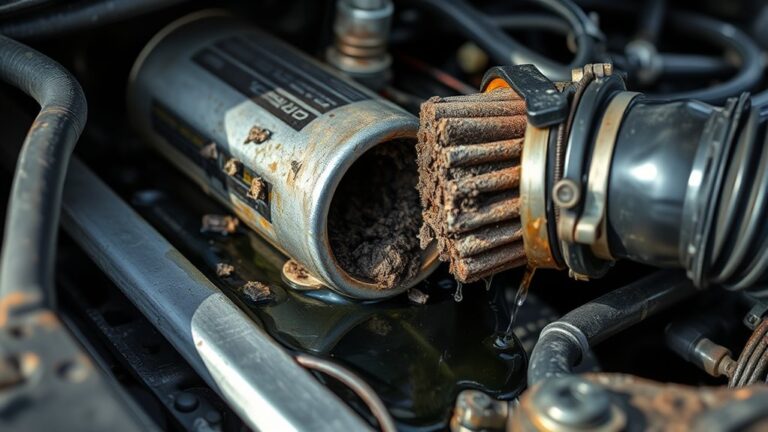
Next, perform a system leak detection to confirm there are no leaks that could cause refrigerant loss. You can use UV dye and a blacklight or an electronic leak detector for this task. Inspect hoses, connections, and the compressor for any signs of damage or wear.
Perform leak detection using UV dye, blacklight, or electronic detectors to check hoses, connections, and compressor condition.
Don’t overlook the condenser and evaporator coils, as blockages or leaks here can also impair performance. Addressing any leaks beforehand will save you time and money, and it guarantees you don’t just replace lost refrigerant without fixing the root problem.
This inspection step is vital before proceeding to recharge your car’s AC system.
Charge Your Car’s AC Safely: A Step-by-Step Guide
Once you’ve confirmed there are no leaks and your AC system is in good shape, you can move on to charging it safely. Start by identifying the correct refrigerant type for your vehicle. Check the owner’s manual or the label under the hood. Using the wrong refrigerant can damage the system.
Next, follow these steps:
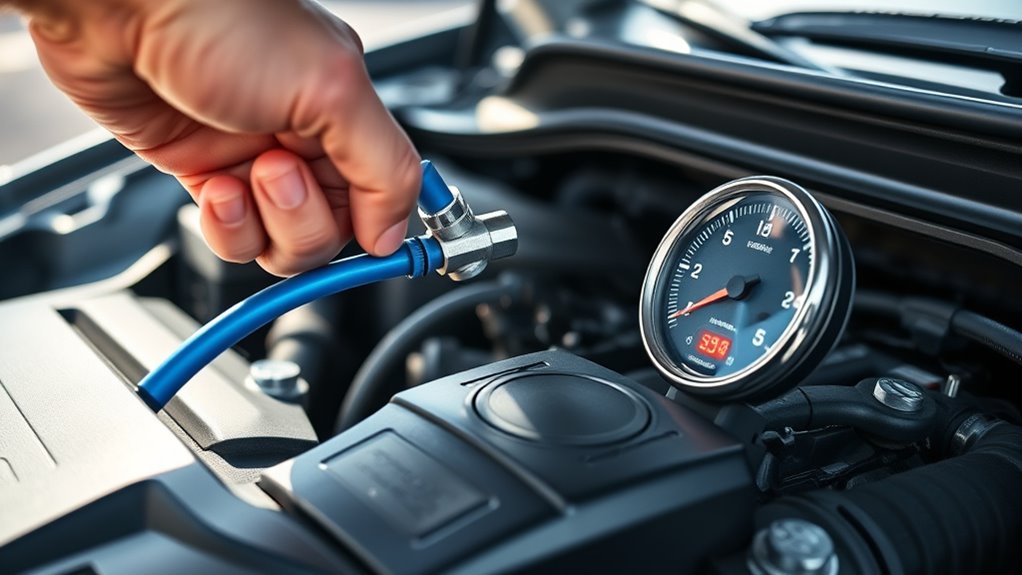
- Attach the refrigerant can’s hose to the low-pressure port on your AC system.
- Start your car and set the AC to the maximum cold setting with the fan on high.
- Slowly open the valve on the refrigerant can, allowing it to flow into the system. Monitor the pressure gauge to avoid overcharging.
- Periodically stop and check for any system leak detection issues, making sure no refrigerant escapes.
Troubleshoot Common Car Air Conditioning Charging Problems
If your car’s AC isn’t cooling properly after charging, you might be dealing with common issues like incorrect refrigerant levels, clogged filters, or faulty components. First, confirm you’ve used the correct refrigerant types for your vehicle. Using the wrong type can reduce efficiency or damage the system.
Next, perform system leak detection to make sure no refrigerant is escaping, which affects cooling performance. Also, check the air filter and condenser for blockages that might restrict airflow.
| Problem | Quick Fix |
|---|---|
| Low refrigerant level | Refill with correct refrigerant |
| System leaks detected | Repair leaks before recharging |
| Clogged air filter | Replace or clean the air filter |
Frequently Asked Questions
How Often Should I Recharge My Car’s Air Conditioning System?
You should recharge your car’s air conditioning system only when you notice it’s not cooling well, typically every 2-3 years. Different refrigerant types, like R-134a or R-1234yf, require proper handling during recharge.
Regular system maintenance, such as checking for leaks and inspecting components, helps keep your AC efficient and prevents premature recharging. Don’t recharge blindly. Have a professional assess your system to avoid overcharging or damage.
What Type of Refrigerant Is Best for My Car Model?
You might be surprised how vital choosing the right refrigerant is. The best refrigerant for your car model depends on its specifications, so you’ll want to consult refrigerant types and compatibility charts carefully.
Using the wrong one can harm your system or reduce efficiency. Most modern cars use R-134a or R-1234yf, but older models might require R-12. Always check your owner’s manual or a trusted compatibility chart before making a choice.
Can I Use Household Items to Recharge My Car AC?
No, you can’t use household items to recharge your car AC safely. DIY tips might tempt you, but using improper tools or substances can damage your system or cause injury.
Always follow safety precautions by using the correct refrigerant and equipment designed for automotive ACs. If you’re unsure, it’s best to consult a professional.
Taking shortcuts with household items isn’t worth the risk to your car or your safety.
What Are the Environmental Impacts of Refrigerant Leaks?
You should know refrigerant leaks harm the environment considerably due to their high toxicity and contribution to ozone depletion and global warming. If you don’t catch leaks early using effective leak detection methods like electronic detectors or UV dye, the toxic chemicals escape into the air, damaging ecosystems and human health.
Being proactive with these detection methods helps you minimize environmental damage and keeps your car’s AC system running efficiently.
When Should I Seek Professional Help for AC Issues?
When your car’s AC feels like a wilting flower, it’s time to seek professional help. You shouldn’t risk DIY safety when dealing with complex refrigerant types, as mishandling can cause harm or environmental damage.
If you notice strange noises, persistent leaks, or weak cooling despite your attempts, let an expert take over. They have the right tools and knowledge to handle refrigerants safely, protecting both you and the planet.
Conclusion
Now that you know how to charge your car’s air conditioning in just three simple steps, you’re ready to beat the heat like a pro! Don’t let a warm ride ruin your day.
Inspect your system carefully, follow the charging steps safely, and troubleshoot any issues that pop up. With this guide, keeping your car’s AC cool is easier than finding a needle in a haystack.
Stay chill and drive comfortably by knowing how to charge car air conditioning the right way.