How to Service Car Air Conditioning in 10 Essential Steps
How to Service Car Air Conditioning ? If you’ve ever felt frustrated by a car air conditioning system that just won’t cool properly, you’re not alone. Many people struggle with keeping their AC running efficiently, especially during hot months when reliable cooling is a must. Servicing your car’s air conditioning might seem complicated, but with the right guidance, you can tackle it yourself and enjoy a fresh, cool ride all year long.
To service your car’s air conditioning in 10 essential steps, start by inspecting for visible leaks or damage, then test cooling performance to guarantee efficiency. Check and replace the cabin air filter, clean the condenser and radiator fins, and clear the AC drain tube to avoid water buildup.
Safely check refrigerant levels and inspect electrical connections and fuses. Finally, clean the evaporator and vents before running a thorough test to confirm everything works smoothly.
Following these steps helps keep your AC system reliable and fresh.
Key Takeaways
- Inspect hoses, connections, and filters for leaks, damage, or dirt. Clean or replace them as needed to maintain airflow and keep the system hygienic.
- Test the AC cooling performance by measuring the vent air temperature. Also, listen for unusual noises or weak airflow that might indicate issues.
- Check electrical components, including fuses and wiring, to make sure everything operates properly and to prevent malfunctions.
- Verify the refrigerant type and pressure. Safely recharge the refrigerant while avoiding overcharging, which helps optimize cooling efficiency.
- Clean condenser and radiator fins, clear drain tubes, and inspect belts to ensure mechanical integrity. This also helps prevent blockages or unpleasant odors.
Inspect Your Car AC System for Visible Damage and Leaks
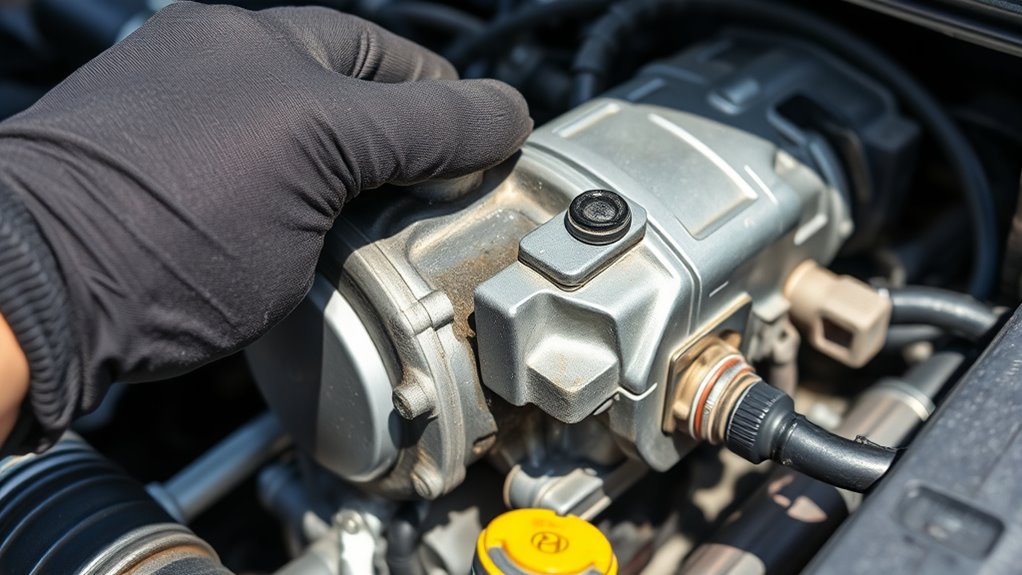
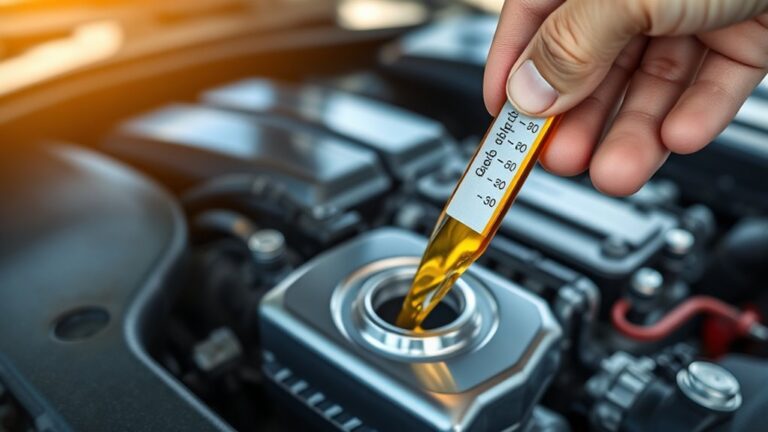
Before you plunge into any repairs, carefully inspect your car’s AC system for visible damage and leaks. Start by checking hoses and connections under the hood for cracks or oily residue, which often signals a refrigerant leak.
Don’t forget to examine the compressor and condenser for bent fins or corrosion. While you’re at it, assess the air filter maintenance; a clogged air filter can reduce airflow and strain your AC system. Replace it if it looks dirty or worn out.
Next, turn on your car and use the dashboard controls to cycle through AC settings. Listen for unusual noises and watch for inconsistent airflow, as these can indicate underlying issues.
Test Air Conditioning Performance for Cooling Efficiency
Once you’ve inspected your AC system, you’ll want to test its cooling performance to guarantee it’s working effectively. Start your engine and turn on the air conditioning to the maximum cooling setting. Place your hand near the vents to feel the airflow temperature. It should be noticeably cooler within minutes.
Use a thermometer if you want precise measurements; the air should be around 35-45°F (2-7°C) cooler than the outside temperature. Testing the AC not only ensures interior comfort but also maintains air conditioning aesthetics by preventing unpleasant odors or uneven cooling.
Pay attention to any strange noises or weak airflow, which could indicate underlying problems. If the system fails to cool properly, it might need refrigerant recharge or further inspection. Performing this test regularly helps you catch issues early, keeping your car’s cabin comfortable and the air conditioning system functioning efficiently.
Check and Replace the Cabin Air Filter
You’ll want to check your cabin air filter regularly because it traps dust, pollen, and debris that can affect the air quality inside your car. If you start to notice reduced airflow or unpleasant odors, that’s usually a sign it’s time to replace the filter. Just follow a few simple steps to remove the old filter and install a new one, and you’ll enjoy better AC performance in no time.
Importance of Cabin Filters
Why does the cabin air filter matter when servicing your car’s air conditioning? It plays a vital role in maintaining cabin air quality by trapping dust, pollen, and other pollutants before they enter your vehicle’s interior.
Regular air filter maintenance guarantees the system works efficiently, preventing unpleasant odors and reducing allergens inside the car. Neglecting this filter can strain your air conditioning system, leading to reduced airflow and increased wear on components.
Signs to Replace Filter
Although cabin air filters can last for months, you should check them regularly for signs that they need replacing. If you notice reduced airflow from your car’s vents or unpleasant odors inside the vehicle, it’s a clear signal the cabin filter is clogged or dirty.
Furthermore, if your windshield fogs up more than usual, the air filter may be struggling to regulate humidity. Dust or debris visibly trapped in the cabin air filter is another obvious sign it’s time for a change.
Ignoring these signs can reduce your air conditioning’s efficiency and lower air quality inside your car. Keep an eye on these indicators to ensure your air filter is functioning properly and maintaining a comfortable cabin environment.
Replacement Procedure Tips
Before you start replacing the cabin air filter, make sure you locate its exact position, which is usually behind the glove compartment or under the dashboard. Once found, carefully remove the housing cover and take out the old filter.
Inspect it for dirt and debris, and replace it with a new one that fits your vehicle’s specifications. This step is essential in air conditioning maintenance to guarantee clean airflow and prevent strain on the system.
While servicing the filter, it’s a good idea to check for any refrigerant leaks and consider refrigerant recycling if necessary. Proper filter replacement supports overall system efficiency and prolongs the life of your AC unit, keeping your car comfortable and running smoothly.
Check and Refill Car AC Refrigerant Safely
When you notice your car’s air conditioning isn’t cooling as effectively, it’s vital to check the refrigerant level carefully. Start by identifying the correct refrigerant type for your vehicle, commonly R-134a or R-1234yf, to avoid damage or inefficiency.
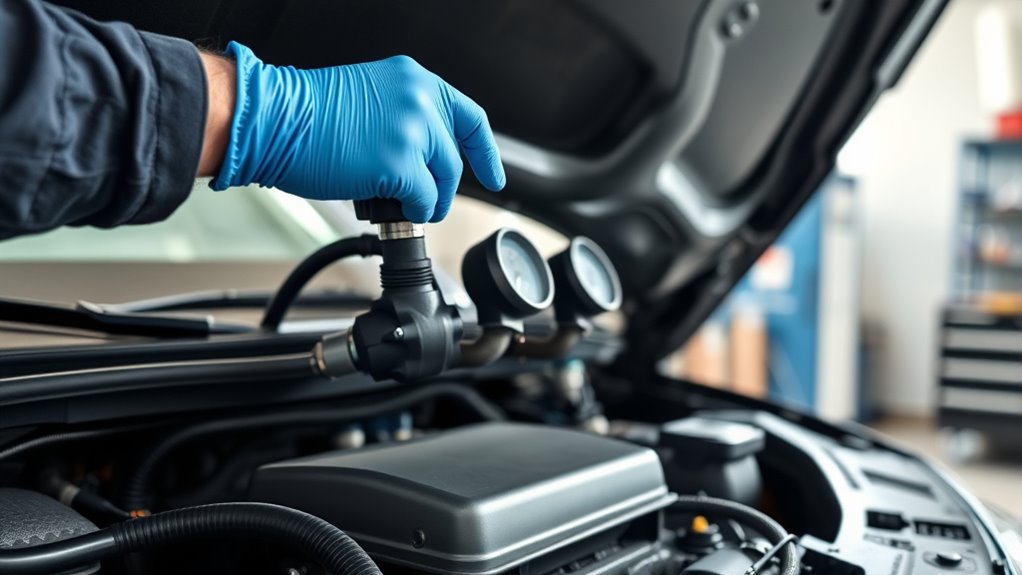
Always follow safety precautions: work in a well-ventilated area, wear protective gloves and goggles, and avoid direct skin contact with refrigerant. Use a proper gauge and refill kit designed for your car’s system.
Prioritize safety by working ventilated, wearing gloves and goggles, and using the correct gauge and refill kit.
Connect the gauge to the low-pressure service port, then compare the pressure reading to the manufacturer’s recommended range. If the level is low, slowly add refrigerant while monitoring the pressure to prevent overcharging.
Never release refrigerant into the atmosphere, as it’s harmful and illegal. After refilling, run the AC to check for improved cooling and watch for leaks. Taking these steps guarantees your AC system runs safely and efficiently.
Clean the Condenser and Radiator Fins
Since your car’s condenser and radiator fins play an essential role in dissipating heat, keeping them clean guarantees your air conditioning system works efficiently. Neglecting condenser maintenance or radiator cleaning causes debris buildup that blocks airflow. This makes your AC work harder, reducing cooling performance, and increasing fuel consumption.
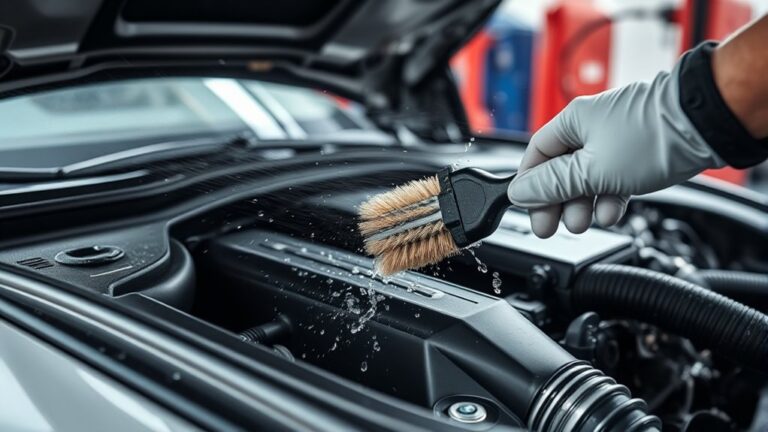
To clean these fins, carefully remove leaves, dirt, and bugs using a soft brush or compressed air. Avoid bending the delicate fins. If necessary, gently rinse with a hose on low pressure, making sure no water enters electrical parts.
Pay attention to these benefits of regular cleaning:
- Enjoy consistently cool air, even on the hottest days
- Prevent costly repairs by avoiding overheating issues
- Extend your car’s AC system lifespan with minimal effort
Routine condenser maintenance and radiator cleaning keep your AC running smoothly and save you frustration and money down the road. Don’t skip this crucial step!
Inspect Car AC Compressor and Drive Belt for Wear
Although the AC compressor quietly powers your car’s cooling system, you need to check it regularly for signs of wear or damage to keep your air conditioning running smoothly. Start your compressor maintenance by visually inspecting the compressor body for leaks, cracks, or unusual noises when the AC is on.
Next, perform a drive belt inspection. Look for cracks, fraying, or glazing on the belt’s surface. A worn or loose belt can reduce compressor efficiency and lead to failure. Use a wrench to check the belt tension; it should have slight give but not be too slack.
If you notice any damage or abnormal wear, replace the belt immediately to avoid further issues. Regular compressor maintenance guarantees your AC system stays efficient and prevents costly repairs. By routinely inspecting both the compressor and drive belt, you’ll maintain consistent cooling performance and extend the lifespan of your car’s air conditioning system.
Clear the AC Drain Tube to Prevent Water Build-Up
To keep your car’s air conditioning running efficiently, you need to clear the AC drain tube regularly to prevent water build-up. This tube channels moisture away from the evaporator, maintaining proper air flow and stopping annoying leaks inside your vehicle. When the drain tube clogs, moisture buildup occurs, which can cause unpleasant odors, mold growth, and even damage to your car’s interior.
By clearing the AC drain tube, you’ll avoid soggy carpets and musty smells that make driving uncomfortable. You’ll also protect your health by preventing mold and bacteria from thriving. Plus, it helps ensure consistent, cool air flow for a revitalizing ride every time.
To do this, locate the drain tube underneath your car. Gently insert a flexible wire or compressed air to clear blockages and make sure water flows freely. Regularly maintaining this simple part safeguards your comfort and your car’s air conditioning system from unnecessary wear.
Clean and Sanitize Car AC Evaporator and Vents
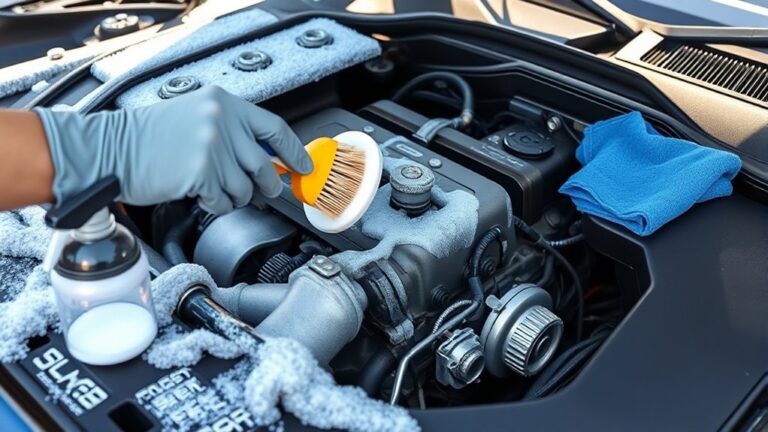
When you clean and sanitize your car’s AC evaporator and vents, you eliminate trapped dust, mold, and bacteria that degrade air quality and cause unpleasant odors. Start by accessing the evaporator, usually located behind the dashboard, and use a no-rinse foam cleaner designed for AC systems.
Spray it thoroughly onto the evaporator coils and inside the vents; this helps remove buildup and kills mold spores, improving air quality. Next, use a soft brush or compressed air to clear debris from the vents.
Regular cleaning not only freshens the cabin air but also plays a vital role in mold prevention, which can otherwise lead to respiratory issues and unpleasant smells. Make sure to follow product instructions carefully to avoid damage.
Check Electrical Connections and Fuses Early
Since your car’s air conditioning relies heavily on electrical components, checking the connections and fuses early can prevent many common issues. Start by performing basic electrical diagnostics to identify any loose wires or corroded terminals. A faulty connection can cause your AC to malfunction or stop working entirely.
Checking electrical connections and fuses early helps prevent AC malfunctions and keeps your system running smoothly.
Next, inspect the fuses linked to your AC system. If you spot a blown fuse, don’t hesitate to perform a fuse replacement to restore proper function. Addressing these problems early saves you from costly repairs and uncomfortable rides later.
Make it a priority to:
- Avoid unexpected breakdowns on hot days
- Keep your AC running smoothly and efficiently
- Prevent damage to other electrical parts
Run a Final Test to Confirm Car AC Cooling
Now, you’ll want to run a final test to confirm your car’s AC is cooling properly. Make sure the temperature stays consistent. Also, listen for any unusual noises coming from the system. And don’t forget to check that the airflow is nice and strong. These simple steps will help guarantee your servicing was successful before you wrap things up.
Check Temperature Consistency
To guarantee your car’s air conditioning is working properly, you’ll need to check the temperature consistency across different vents. This assures even temperature regulation and maintains ideal air quality inside your vehicle.
Start the engine, set the AC to the coldest setting, and feel the vent temperatures on both the driver’s and passenger’s sides. Consistent cooling signals a well-serviced system.
Pay attention to these key points:
- Uneven temperatures can mean blocked ducts or refrigerant issues.
- Sudden warm air bursts might indicate leaks affecting air quality.
- Consistent cooling improves comfort and prevents strain on the AC unit.
Checking temperature consistency helps you enjoy a revitalizing drive, knowing your car’s air conditioning works efficiently and keeps the cabin air clean.
Listen for Unusual Noises
While running a final test on your car’s AC, listen carefully for any unusual noises that could signal underlying problems. Noise diagnosis is vital to guarantee your system runs smoothly.
Pay attention to hissing, rattling, or grinding sounds, as these often indicate issues like refrigerant leaks, loose components, or a failing compressor. Use sound troubleshooting techniques by isolating the noise source. Turn the AC on and off, adjust the fan speed, and note when the noise occurs.
This helps identify whether the problem stems from the blower motor, belts, or other parts. Catching these sounds early lets you address repairs before they worsen, saving you time and money. Trust your ears—they’re a valuable tool in confirming your car AC’s cooling performance.
Verify Airflow Strength
After checking for unusual noises, the next step is to verify the airflow strength coming from your car’s AC vents. Turn on your AC and adjust the ventilation settings to the highest fan speed.
Feel the airflow coming from each vent to guarantee it’s strong and consistent. If the airflow feels weak or uneven, you might need to check for blockages or perform an airflow adjustment.
Here’s what to focus on during this test:
- Confirm each vent blows steady, cool air to keep you comfortable.
- Notice if any vents are blowing warmer air, signaling a cooling issue.
- Feel the difference when adjusting airflow adjustment controls for maximum comfort.
Running this final test confirms your car’s AC is properly serviced and ready for the road.
Frequently Asked Questions
How Often Should I Service My Car’s Air Conditioning System?
You should service your car’s air conditioning system at least once a year to keep it running smoothly. Don’t forget to check and replace the air filter regularly, as a clogged filter can reduce cabin airflow and strain the system.
If you notice weak cooling or strange smells, get it inspected sooner. Regular maintenance helps prevent costly repairs and guarantees fresh, comfortable air inside your car.
Can DIY Car AC Servicing Void My Vehicle Warranty?
You won’t automatically void your warranty by doing DIY car AC servicing, but you need to be careful. Warranty implications depend on whether your work causes damage or uses improper parts.
If you follow safety guidelines, use the right tools, and don’t tamper with sealed components, you’re usually safe. Still, check your warranty terms first, since some manufacturers require professional service to keep coverage intact.
Prioritize DIY safety to avoid costly issues.
What Are the Common Signs of a Failing AC Compressor?
You’ll notice common warning signs of a failing AC compressor like strange noises, grinding or squealing, when you turn on the air conditioning. If the airflow weakens or the air isn’t as cold as it used to be, that’s another red flag.
You might also see the compressor clutch not engaging properly. Ignoring these warning signs can lead to bigger issues, so it’s smart to get your AC compressor checked promptly.
Is It Safe to Recharge Car AC Refrigerant at Home?
It’s tempting to recharge your car AC at home, but only about 30% of DIY attempts succeed without issues. You need to know your refrigerant types, like R-134a or R-1234yf, and follow strict safety precautions to avoid leaks or injury.
Handling refrigerants improperly can harm you and the environment. If you’re uncertain, it’s safer to let a pro handle it, ensuring your AC runs smoothly and safely.
How Does Climate Affect Car Air Conditioning Performance?
Climate directly impacts your car air conditioning’s performance because it affects climate adaptability and seasonal performance. In hotter climates, your AC has to work harder to cool the interior, which can strain the system and reduce efficiency.
During colder seasons, the AC’s cooling demand drops, but humidity control remains essential. Understanding these factors helps you maintain your system better and guarantees your AC adapts well to different seasonal conditions, keeping you comfortable year-round.
Conclusion
By following these 10 essential steps, you’ll keep your car AC running smoothly and efficiently, just like a well-tuned instrument. Regular maintenance not only improves cooling but also prevents costly repairs down the road.
Don’t wait for the heat to become unbearable. Take action now to enjoy fresh, cool air every drive. With a little care, your car’s AC will stay as reliable as a trusted companion on every journey.
Keeping up with these steps ensures your car air conditioning stays in top shape, giving you comfort whenever you need it most.