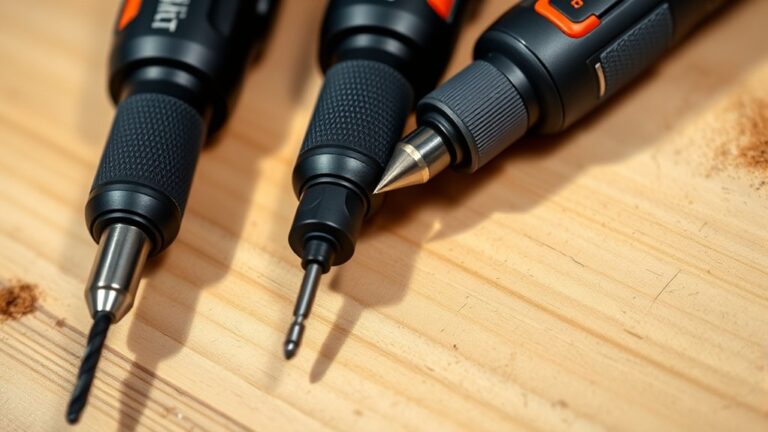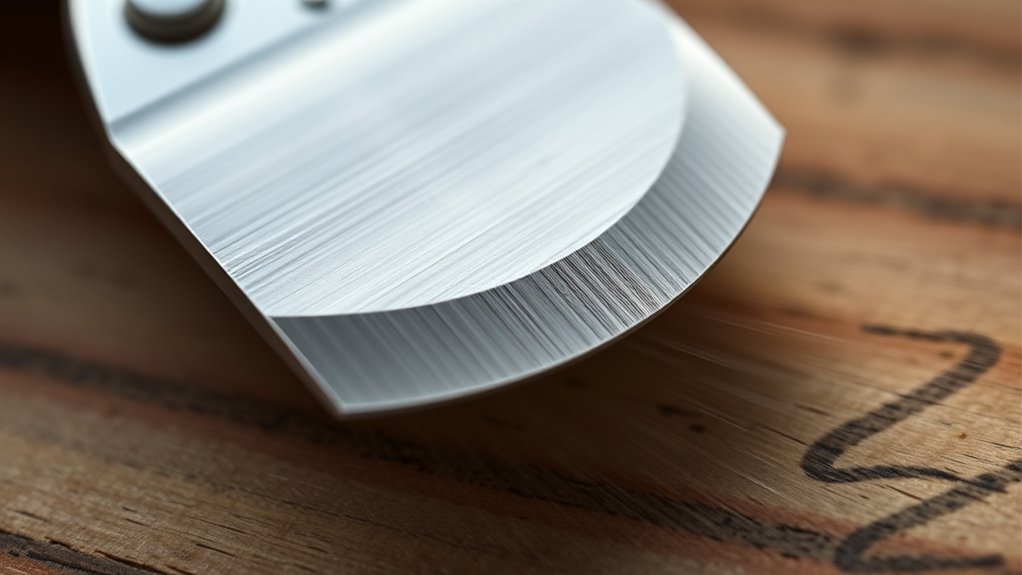
What Is an Oscillatory Blade?
Struggling to make clean cuts in tight corners or hard-to-reach spaces? You’re not alone—many DIYers find that traditional tools are too bulky or difficult to control. That’s where an oscillatory blade can make challenging projects easier.
An oscillatory blade is a multitool attachment that moves rapidly back and forth through a small arc instead of spinning continuously. You can use it to cut, scrape, sand, or grind wood, metal, plastic, drywall, and other materials with the proper blade.
Its compact shape helps you reach corners, edges, and tight spaces while limiting kickback. Choose the right tooth pattern and shape for your material, and use safe handling and maintenance practices to get better results and longer blade life.
Key Takeaways
- An oscillatory blade is a multitool attachment that moves rapidly back and forth through a small arc.
- It cuts, sands, scrapes, or grinds materials without spinning continuously like a circular saw blade.
- Its compact design reaches corners, edges, tight spaces, and surfaces requiring precise control.
- Different blade shapes and tooth patterns suit wood, metal, plastic, drywall, grout, and other materials.
- Safe operation requires the correct blade, controlled pressure, protective equipment, and regular inspection for wear or damage.
What Is an Oscillatory Blade?
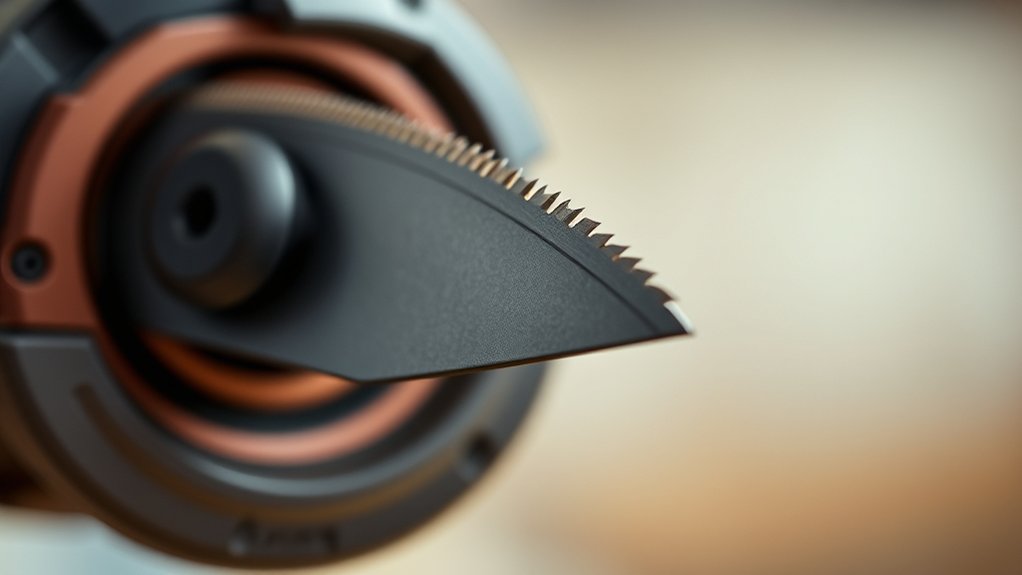
An oscillatory blade is a multitool attachment that moves rapidly back and forth in a short, controlled arc to cut, sand, scrape, or grind materials. You can install different blade styles to handle wood, plastic, drywall, metal, grout, and other surfaces.
Its compact profile lets you reach corners, edges, and tight spaces where larger tools struggle. You’ll find flush-cutting blades, segmented blades, scraper blades, sanding pads, and carbide accessories for specialized tasks.
The attachment connects to a compatible oscillating multitool, giving you one versatile option for repairs, remodeling, crafting, and maintenance. Choose the blade according to the material and task, and check the manufacturer’s compatibility guidance before installation.
Blade maintenance helps preserve cutting performance and safety. Remove debris, inspect teeth, and replace worn accessories promptly. An ergonomic design can reduce hand strain and improve control, especially during extended work.
Wear eye protection, secure your material, and follow the tool’s safety instructions.
How Does an Oscillatory Blade Work?
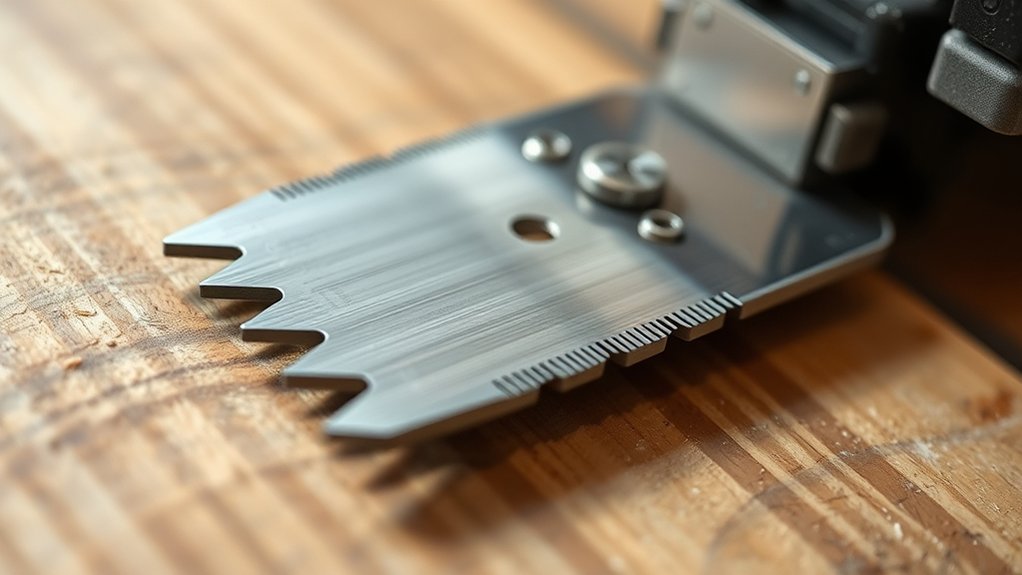
An oscillatory blade works by moving rapidly from side to side through a small arc rather than spinning continuously. When you activate the tool, its motor drives an offset mechanism that converts rotational energy into controlled oscillation. The blade’s teeth or edge engage the material during each pass, cutting, scraping, sanding, or removing grout with precise, localized motion.
Oscillatory blades convert rotational energy into precise side-to-side motion, enabling controlled cutting, scraping, sanding, and grout removal.
You can guide the blade along a marked line because it doesn’t rotate around a broad circle. This limited movement also reduces kickback and helps you work in tight spaces.
Pressure, speed, and the blade’s material determine how efficiently it cuts. You should keep the blade moving and use steady, moderate pressure to avoid overheating or damaging the workpiece.
Innovative blade features, such as specialized tooth patterns and durable coatings, improve control and lifespan. They can also reduce replacement waste, supporting a lower environmental impact when you choose the correct blade and maintain it properly.
Which Tools Use Oscillatory Blades?
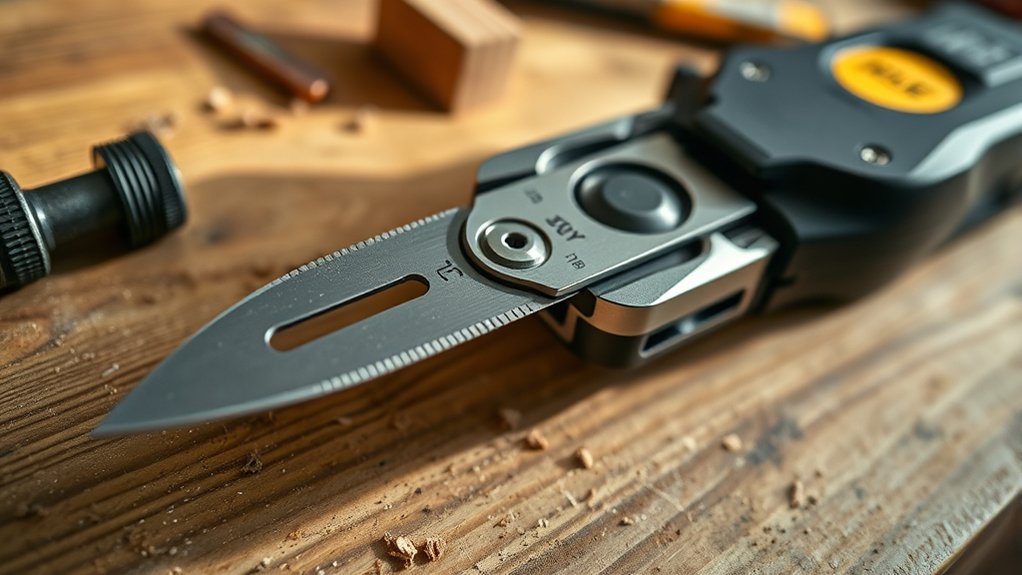
Oscillatory blades are used primarily with oscillating multi-tools, which accept interchangeable attachments for cutting, scraping, sanding, and grout removal. You’ll find these tools in home workshops, professional renovation kits, and emergency repair bags.
Corded models provide consistent power, while cordless versions give you freedom in tight or remote spaces.
| Tool type | Why you’ll choose it |
|---|---|
| Corded multi-tool | Reliable power for extended jobs |
| Cordless multi-tool | Portable, convenient, and quick to deploy |
Before fitting a blade, check Tool compatibility. Each brand may use a distinct mounting pattern, although universal interfaces work with many popular systems.
Read your tool’s manual and confirm the attachment locks firmly before switching it on. You’ll reduce vibration and frustration by choosing the correct blade profile for the task.
Good Blade maintenance also matters. Brush away debris, inspect the mounting slot, and replace attachments that look warped or damaged.
With the right multi-tool and a secure fit, you’ll work more confidently and keep every changeover quick, controlled, and safe.
What Materials Can an Oscillatory Blade Cut?
You can use an oscillatory blade to cut wood and plywood, making it useful for precise trimming and openings. With the right blade, it can also cut through metal, fasteners, plastic, and drywall. The material you’re cutting and the blade type you choose will affect the tool’s performance and the quality of the finish.
Wood and Plywood
Wood and plywood are among the most practical materials to cut with an oscillatory blade. You can use the tool for trimming doorjambs, cutting baseboards, fitting flooring, and creating openings for outlets or pipes.
Choose a blade designed for wood, then match its width and teeth to the cut. A wider blade helps you make straighter passes, while a narrow blade reaches tight corners.
Control your speed to prevent burning, splintering, or uneven edges. When cutting plywood, support the sheet well and place its finished side appropriately to reduce tear-out.
Follow the grain pattern when you want a clean, natural-looking edge, or cut across it carefully for precise joints. Let the blade do the work, and inspect your finish quality before sanding or installation.
You’ll get cleaner results with steady pressure and sharp teeth.
Metal and Fasteners
Beyond wood and plywood, an oscillatory blade can cut thin metal and remove exposed fasteners when fitted with the right bi-metal blade. Choose a blade rated for steel, nails, screws, or other tough hardware, and match its tooth pattern to the material.
Use moderate pressure and let the tool’s rapid side-to-side motion do the work. For thicker metal, expect slower progress and avoid forcing the blade, which can overheat or bend it.
Secure the workpiece before cutting, and wear eye and hearing protection. Good blade maintenance extends cutting performance: clear metal chips, inspect teeth, and replace blades that appear dull or damaged.
Noise reduction starts with a sharp blade, controlled speed, and firm material support. Stop immediately if excessive vibration, heat, or unusual noise develops during the cut.
Plastic and Drywall
Plastic and drywall are easy to cut with an oscillatory blade when you choose the proper blade and use a controlled speed. Select fine teeth for rigid plastic and a drywall blade for clean, shallow openings.
Let the tool work without forcing it, especially near pipes or wiring.
| Material | Recommended blade | Cutting tip |
|---|---|---|
| PVC pipe | Fine-tooth bi-metal | Use moderate speed |
| Acrylic sheet | Fine-tooth blade | Prevent melting |
| Drywall | Drywall blade | Score shallowly |
| Plastic trim | Flush-cut blade | Support the piece |
Wear eye protection and control dust with ventilation. Eco friendly materials may reduce project waste, but you’ll still need careful disposal.
After cutting, inspect edges and remove debris. Good blade maintenance includes brushing teeth clean, checking for damage, and replacing dull blades before they overheat plastic or tear drywall.
Hold the tool firmly and keep both hands clear.
Common Oscillatory Blade Shapes
Common oscillatory blade shapes are designed for specific cutting tasks, materials, and access requirements. As you choose a blade, match its outline to your workspace, target material, and desired control.
Shape affects reach, visibility, and maneuverability, while the Blade coating can improve durability and reduce friction. An ergonomic design also helps you guide the tool comfortably during longer jobs.
Blade shape influences access and control, while durable coatings and ergonomic designs support smoother, more comfortable cutting.
- Straight blades: Use these narrow, rectangular blades for plunge cuts, trimming, and reaching into tight spaces. Their compact profile gives you direct control near edges and corners.
- Semi-circular blades: Choose this curved shape for broader, cleaner surface cuts, grout removal, or flush trimming. The rounded edge supports steady, sweeping passes.
- Segment blades: Select a partially circular blade when you need to cut along an edge or into a corner. Its open section improves visibility and access.
- Pointed blades: Use triangular or pointed profiles for detail work, scraping, and controlled entry into confined areas.
Consider each shape before purchasing.
How Do Blade Teeth Affect Cutting?
Blade teeth affect how quickly and precisely you cut, so start by considering their shape and spacing.
You’ll have better control when you match the tooth pattern to your desired cutting speed. Since different materials respond in different ways, choose a tooth design that suits the material you’re cutting.
Tooth Shape and Spacing
Tooth shape and spacing determine how an oscillatory blade engages material, clears debris, and controls heat. When you choose a blade, match its geometry to the material and task.
Fine, closely spaced teeth produce clean, controlled cuts in thin materials, while larger teeth remove tougher material and resist clogging.
- Fine teeth: Choose them for delicate trimming, detailed work, and applications resembling dental hygiene.
- Coarse teeth: Use them for wood, plastics, or other materials that create substantial debris.
- Variable spacing: Select this pattern when you need balanced cutting and improved chip clearance.
- Tooth profile: Consider pointed teeth for initial penetration and rounded teeth for smoother engagement.
In oral surgery, specialized blades use carefully designed teeth to support precise bone work. Always inspect tooth wear before use, because damaged geometry can increase tearing and debris buildup.
Cutting Speed and Control
Cutting speed and control depend on how the teeth bite, clear debris, and respond to pressure. When you guide an oscillatory blade, sharp, evenly spaced teeth make quick, clean passes.
Dull teeth create drag, heat, and vibration, forcing you to push harder and reducing accuracy. Regular blade sharpening helps maintain consistent engagement and keeps the tool responsive.
Tooth height and spacing also influence how aggressively the blade removes material, so match your pressure to the cutting action rather than forcing the stroke.
Use a steady grip and let the oscillation do the work. An ergonomic design can reduce hand fatigue, helping you maintain a controlled angle and smoother movement.
If the blade starts skipping or binding, ease pressure, check its condition, and reposition it before continuing.
Material-Specific Tooth Design
How do teeth affect cutting? Their shape, spacing, and angle determine how efficiently your oscillatory blade handles each material. Match the tooth design to the task, and you’ll gain cleaner cuts, better control, and longer blade life.
- Wood: Coarse, widely spaced teeth clear chips quickly and reduce clogging.
- Metal: Fine, closely spaced teeth limit vibration and prevent tooth breakage.
- Plastic: Moderate spacing and a sharp, angled profile reduce melting and chipping.
- Drywall: Specialized teeth remove material smoothly without tearing paper surfaces.
You’ll also improve results by using steady pressure rather than forcing the blade. An ergonomic design helps you maintain alignment and reduces hand fatigue during detailed work.
After cutting, inspect teeth for dullness or damage, then follow consistent Blade maintenance practices. Replace worn blades promptly. Damaged teeth can increase friction, slow progress, and compromise your control.
Always select a tooth pattern suited to the material and thickness.
How Do You Choose the Right Blade?
Choose the blade based on the material, cut type, and task at hand. For wood, select coarse teeth for fast cuts or fine teeth for clean, controlled edges. Use bi-metal blades for nails, screws, and mixed materials, while carbide-grit options suit hardened materials, grout, and abrasive surfaces. For plastic, choose teeth designed to reduce melting and tearing.
Match the blade’s width and shape to your cut. A narrow blade helps you follow curves, while a wider blade provides stability for straight cuts.
Consider cutting depth, too. Choose a blade long enough to reach through the workpiece without excessive flexing. Check your tool’s mounting system and select a compatible oscillating blade before installation.
Inspect the blade before each project, and replace dull, bent, or damaged teeth. Good blade maintenance improves control and cut quality.
Wear eye protection, secure the material, and use ergonomic handling to reduce strain while you work. Adjust speed and pressure to suit the material.
Are Oscillatory Blades Better Than Other Saws?
Oscillatory blades aren’t better than every other saw, but they’re more versatile in tight spaces and for precise, controlled cuts. You can switch between cutting, scraping, sanding, and grinding with one compact tool, making it valuable for remodeling, repairs, and detail work.
However, dedicated saws usually cut faster through large, thick materials.
- Access: You can guide an oscillatory tool into corners, around trim, and beneath fixtures where circular or reciprocating saws may struggle.
- Precision: Its short side-to-side motion helps you make controlled plunge cuts and trim flush against nearby surfaces.
- Versatility: Interchangeable accessories let you handle several tasks without carrying multiple machines.
- Limitations: You’ll sacrifice speed and depth on demanding cuts, and frequent blade maintenance keeps accessories performing efficiently.
An ergonomic design can reduce hand fatigue during detailed projects, though comfort varies by model and attachment.
Choose an oscillatory blade when access, control, and adaptability matter most. Select another saw when productivity, cutting depth, or heavy-duty power matters more.
Consider your material, workspace, and workload before deciding.
How Can You Use an Oscillatory Blade Safely?
Put on protective gear, including safety glasses and hearing protection, before you begin. Secure the workpiece firmly, and guide the blade with steady, controlled movements.
Wear Protective Gear
Before you start cutting, put on safety glasses, hearing protection, a dust mask or respirator, and snug work gloves suited to the material. This protective gear shields your eyes, lungs, hands, and hearing from common hazards while an oscillatory blade operates.
- Wear a face shield over your glasses when cutting materials that may chip or send fragments toward your face.
- Choose a respirator rated for the dust, fibers, or fumes your project creates, and verify it fits correctly.
- Select gloves that improve grip without loose cuffs or material that could catch on the tool.
- Wear sturdy, closed-toe footwear and fitted clothing. Secure long hair and remove jewelry before switching on the blade.
These safety measures reduce exposure to debris, noise, vibration, and airborne particles. Replace damaged equipment, and don’t use protective items that restrict your vision or movement.
Secure the Workpiece
Secure the workpiece firmly before switching on the oscillatory blade so it can’t shift, vibrate, or pinch the blade during a cut. Use clamps, a vise, or another suitable fixture, and position them away from the cutting path.
Support large panels near the cut to prevent sagging, but don’t place your hands beneath unsupported material. Check that the surface is stable and that hidden nails, screws, pipes, or wires won’t create hazards.
Confirm tool compatibility between the blade, accessory, material, and oscillating tool before starting. A secure setup also protects blade maintenance efforts by reducing impacts, binding, and premature tooth wear.
Keep the workpiece at a comfortable height, tighten every clamp, and recheck its stability before you energize the tool. Never hold small pieces by hand while cutting.
Control Blade Movement
With the workpiece firmly secured, guide the oscillatory blade with steady, controlled movements. Let the oscillating motion perform the cut; don’t force, twist, or pry the tool. Keep both hands positioned securely, maintain a balanced stance, and watch the blade’s path rather than rushing through the material.
Adjust your pressure when resistance changes, and pause if you notice binding, smoke, unusual vibration, or loss of control.
- Start at a low speed until you understand the material’s response.
- Keep the blade aligned with your marked line and away from your body.
- Use appropriate protective eyewear, hearing protection, and gloves when suitable.
- Inspect teeth regularly, and replace damaged blades instead of attempting blade sharpening on unsuitable components.
Release the trigger before lifting the tool, and wait until the blade stops completely. Disconnect power before changing accessories or clearing debris.
How Can You Make an Oscillatory Blade Last?
How can you make an oscillatory blade last? Start with consistent blade maintenance. Remove dust, adhesive, and material residue after every project, because buildup creates friction and reduces cutting precision. Use a soft brush or cloth, and follow the manufacturer’s cleaning instructions.
Clean your oscillatory blade after every project to reduce friction, preserve precision, and extend its cutting life.
Don’t soak the blade or use harsh chemicals unless the instructions permit them.
Choose the correct blade for each material. A blade designed for wood may dull quickly when you use it on metal, tile, or dense composites. Let the tool do the work. Forcing it through material creates heat, vibration, and premature wear.
Keep the blade moving at an appropriate speed, and replace it when teeth look damaged or cuts become rough.
Store blades in a dry case or protective sleeve. Avoid tossing them into a drawer, where they can strike other tools. Inspect the attachment before use, tighten it securely, and retire any blade that shows cracks, bending, or severe corrosion.
Frequently Asked Questions
Can Oscillatory Blades Be Sharpened, or Should They Always Be Replaced?
You can sometimes sharpen oscillatory blades, but replacement usually offers safer, more consistent results. Apply proper blade maintenance by inspecting teeth, checking for bends, and cleaning debris after use.
If the manufacturer permits sharpening, use suitable sharpening techniques, maintain the original tooth geometry, and remove minimal material. Don’t sharpen cracked, heavily worn, or damaged blades; replace them instead.
Always follow the tool maker’s instructions, wear eye protection, and test performance carefully before cutting.
How Much Do Replacement Oscillatory Blades Typically Cost?
You’ll typically pay $10–$30 for a replacement oscillatory blade, though specialty, heavy-duty, or branded blades can cost $40–$80. You’ll often save money by buying multipacks, but check compatibility before ordering.
To improve blade longevity, follow basic maintenance tips: clean debris after each use, avoid forcing the tool, and store blades dry. If sharpening no longer restores cutting performance, replace the blade rather than risking damage, overheating, or inaccurate cuts during operation.
Are Oscillatory Blades Compatible Across Different Tool Brands?
Yes, oscillatory blades can work across different tool brands, but you’ll need to check tool compatibility before buying. Many manufacturers use universal interfaces, allowing blade interchangeability among popular models.
However, some brands use proprietary mounting systems, which require dedicated blades or adapters. Compare the blade’s connection style with your tool’s specifications, and confirm compatibility on the manufacturer’s website.
Don’t rely solely on appearance, since similar-looking mounts may not fit securely.
How Noisy Are Oscillatory Blades During Operation?
You’ll hear an oscillatory blade hum like a small mechanical bee, producing moderate noise levels during operation. It’s usually quieter than a circular saw or reciprocating saw, but louder than a screwdriver or hand tool.
Your material, blade type, pressure, and cutting speed affect the volume. For a clearer sound comparison, expect a sharp buzzing tone that can become harsh under heavy load.
Wear hearing protection, especially during extended cuts or enclosed work.
How Should Used Oscillatory Blades Be Disposed of Safely?
Place used oscillatory blades in a rigid, puncture-resistant container immediately after removal. Don’t leave them loose in toolboxes, trash bags, or recycling bins, where they could injure someone.
Check your local rules for disposal safety, since contaminated or coated blades may require hazardous-waste handling. If the blade remains clean and recyclable, contact a metal recycler about blade recycling.
Seal and label the container, then wash your hands thoroughly after handling it.
Conclusion
With an oscillatory blade, you can make precise cuts where larger saws stumble. Its rapid, side-to-side motion slips into tight corners, trims doorjambs, scrapes adhesive, and slices through wood, metal, or plastic with controlled force.
Choose the right tooth pattern, keep both hands steady, and wear eye protection to work safely. Clean your blade after each project and avoid overheating it.
Treat your oscillatory blade well, and this compact tool will keep humming through your toughest repairs.